• Speech perception and auditory illusions

    Beyond stereo, the Vivid Sound Lab offers a unique opportunity to dip into naturalistic soundscapes. In the real world, sounds come from all directions. The 42-loudspeaker dome allows visitors to fully immerse themselves in the acoustic surroundings. Step inside and explore how sound behaves in space. Try the sound showers that 'pour' audio from all […]

  • Respiratory Encounters – Atem, Algen und Verbundenheit

    At the Science Café, discover the art installation Respiratory Encounters by Anthea Oestreicher and immerse yourself in the hidden world of algae, microorganisms, and aquatic plants. Observe how sensors make ecological processes visible in real time, and experience how closely your own breath is connected to organisms that produce a large portion of the oxygen. […]

  • Neue Technologie für fleissige Bakterien

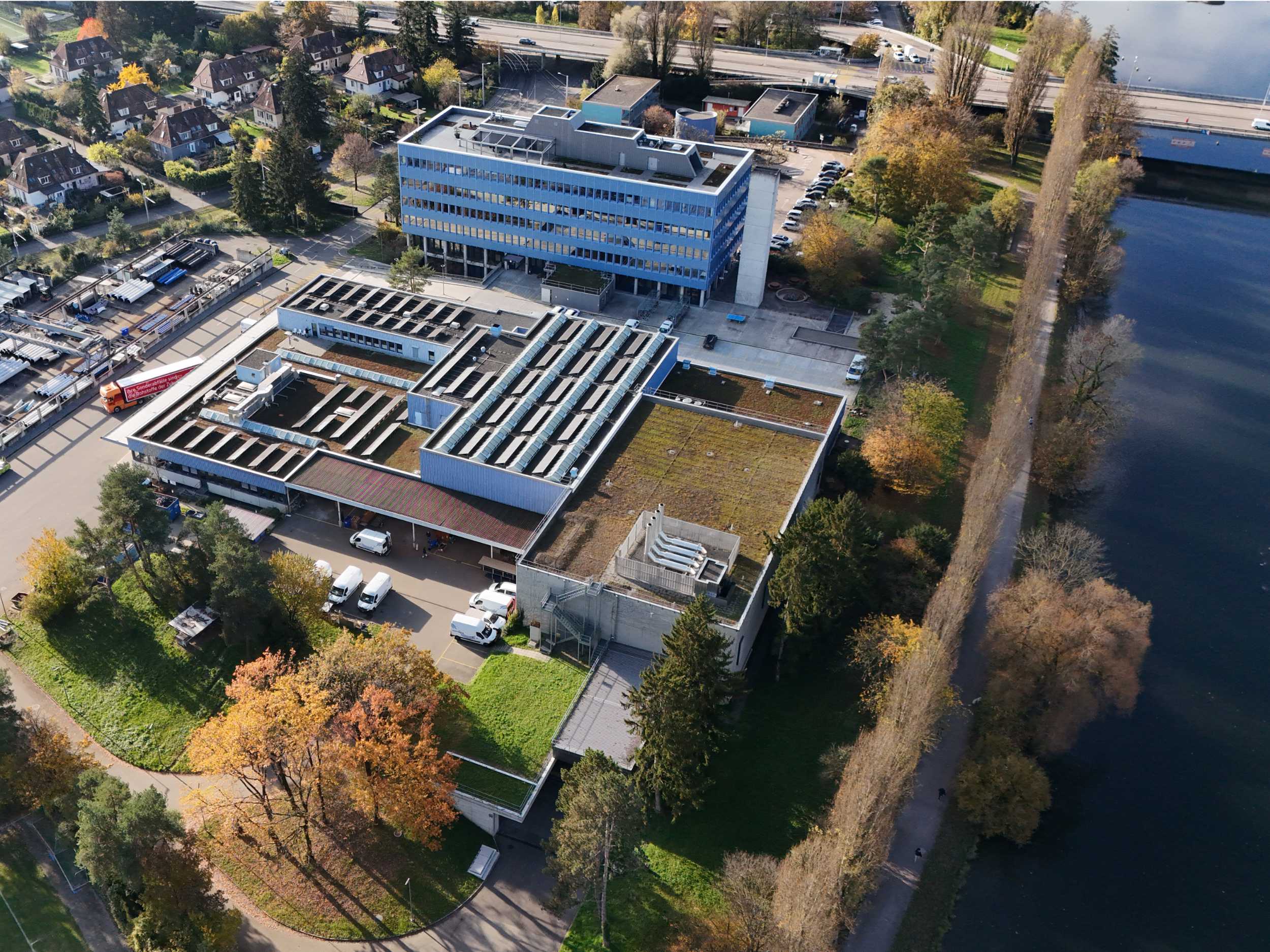
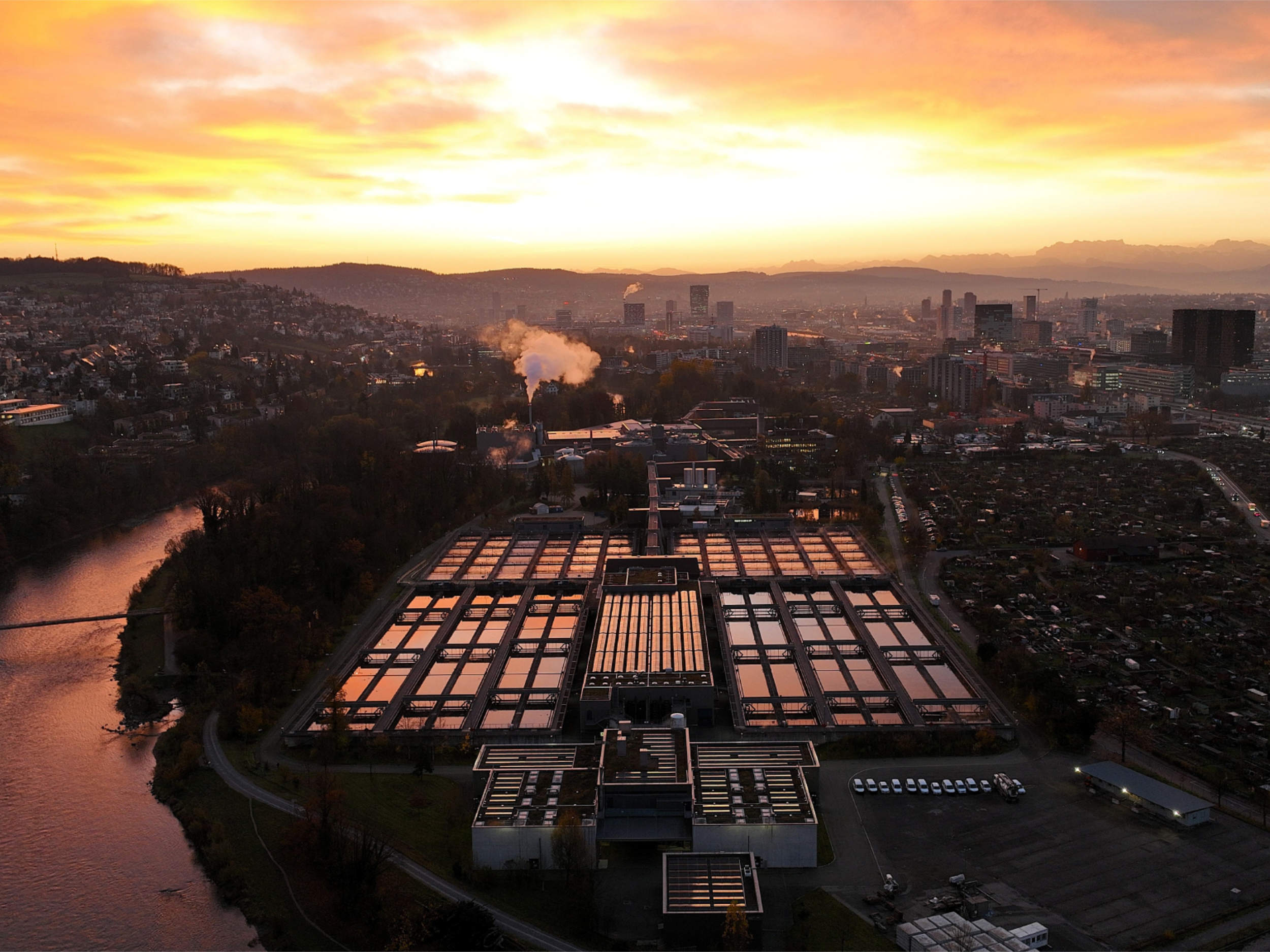
    What happens to our wastewater? Entsorgung + Recycling Zürich (ERZ) invites you to visit the Werdhölzli wastewater treatment plant in Zurich—a state-of-the-art facility with five treatment stages. On a guided tour featuring various stops, you’ll discover how the Werdhölzli plant is preparing for the future. It all began in 1926 with a simple settling tank. […]

  • Was macht dich in Zürich einmalig?

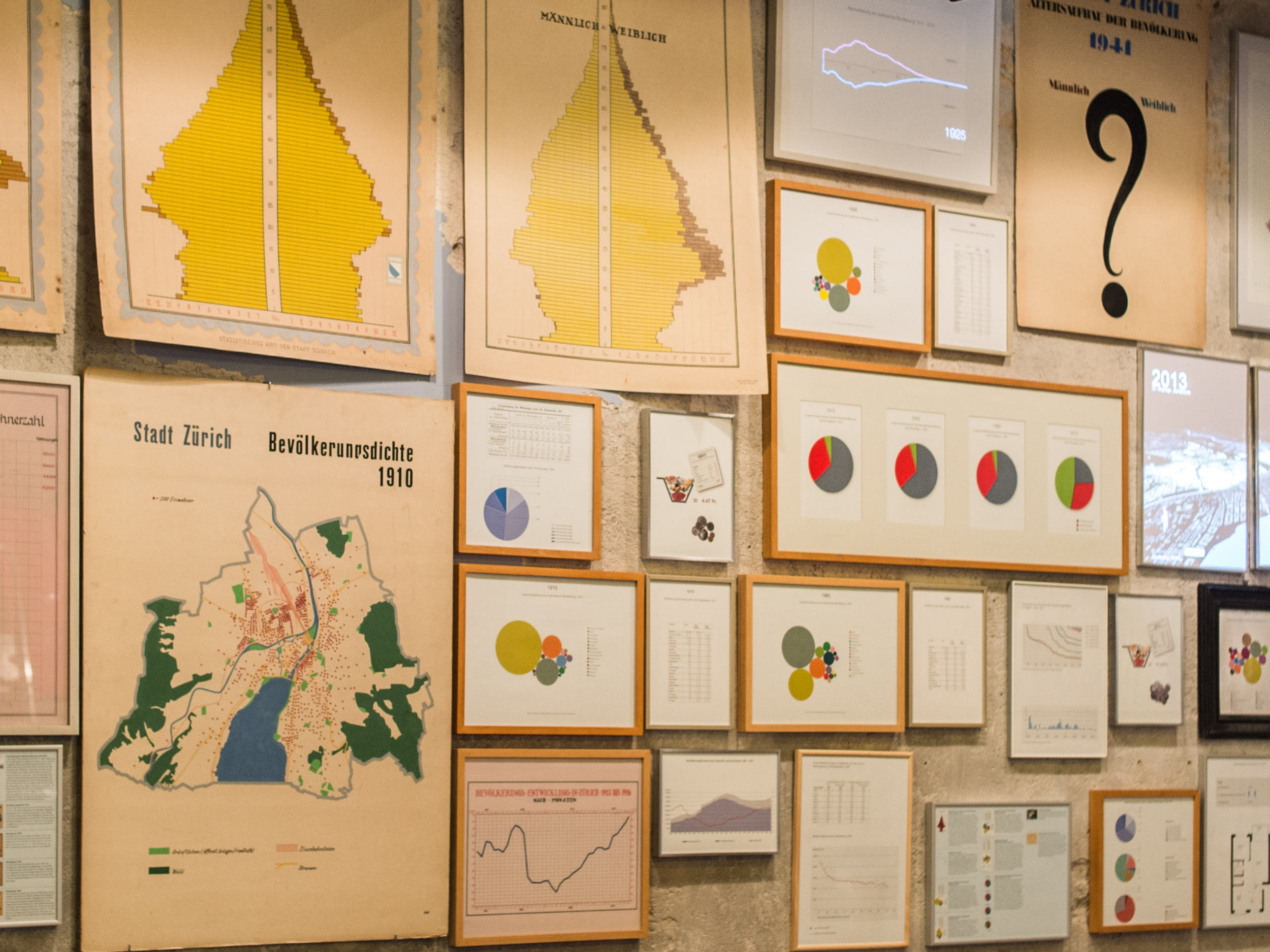
    Zodiac sign, house number, first name, ... How many characteristics does it take for you to be the only person in Zurich to which all of them apply? And do you pay more or less rent than other people in your neighborhood? Find out at Statistik Stadt Zürich—and see firsthand how individual data points are […]

  • Medikationssicherheit: Meistert ihr den Escape Room?

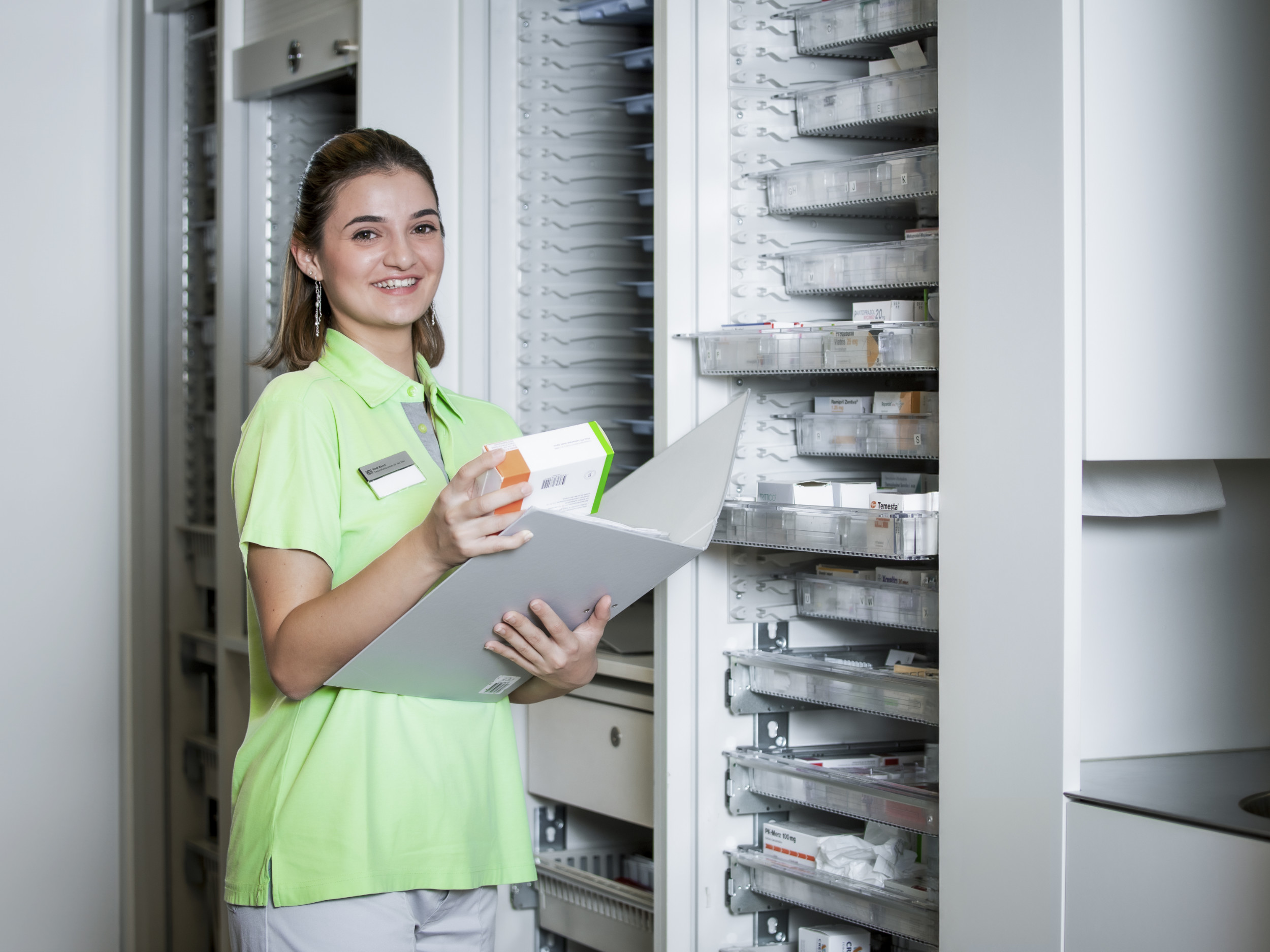
    Join us on an interactive and exciting journey through the world of medication safety. The focus is on: How can medication errors be prevented? In the keynote presentation, a doctor will explain the basics and risks associated with multiple chronic conditions and polypharmacy in older adults. Afterward, we’ll reveal just how much science lies behind […]

  • Tiny-Projekte: Wie kleine Oasen die Stadt verändern

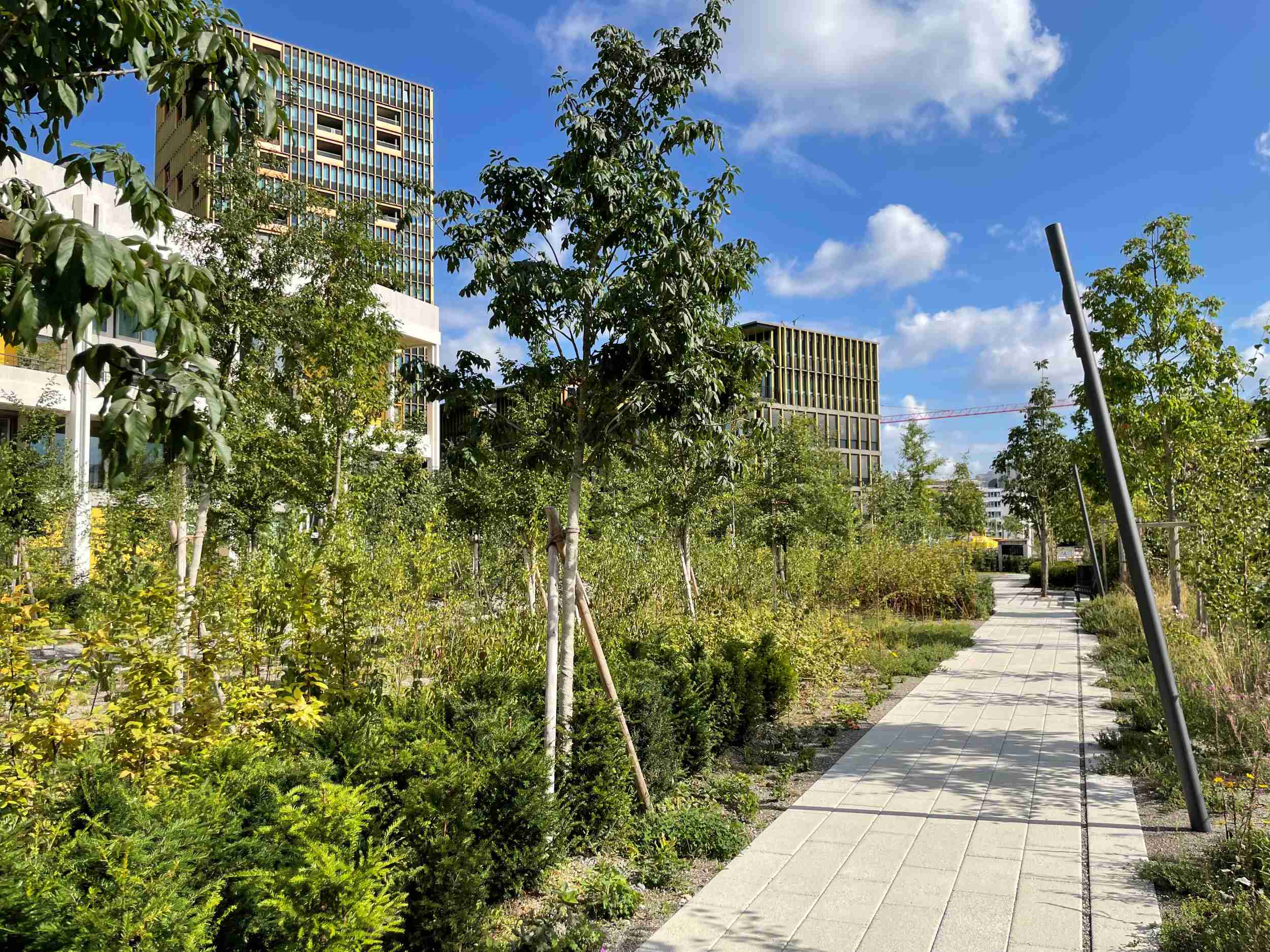
    Tiny projects are “real-world laboratories” for urban greening: bold, quick to implement, and surprisingly effective. They promote biodiversity, improve the microclimate, and mitigate summer heat. Join us on a walk and learn more about these innovative approaches to urban greening. At the “SRF Media Garden”, you’ll see how a paved courtyard can be transformed into […]

  • Was macht dich in Zürich einmalig?

    Zodiac sign, house number, first name, ... How many characteristics does it take for you to be the only person in Zurich to which all of them apply? And do you pay more or less rent than other people in your neighborhood? Find out at Statistik Stadt Zürich—and see firsthand how individual data points are […]

  • UNESCO World Heritage: The underwater world of Monte San Giorgio

    Ticino is not only a popular holiday destination, but also a globally recognised palaeontological gem. Monte San Giorgio is home to one of the world’s most significant fossil sites. Fascinating marine reptiles and ancient fish ruled the oceans over 240 million years ago, when most of Europe lay beneath the sea. Immerse yourself in the […]

  • Erlebnis Wasser

    With its approximately 300 employees, the City of Zurich’s water utility supplies drinking water to about 1 million people. In addition to the City of Zurich, we provide drinking water to 67 surrounding municipalities—around the clock, 365 days a year. Immerse yourself in the fascinating world of drinking water and take a look behind the […]

  • Lifegarden – Strengthen your resilience

    Lifegarden is the first scientifically developed resilience course—a kind of fitness trail for the mind. Surrounded by nature at the University Psychiatric Hospital, you’ll experience five stations where you can learn how to independently cultivate mental strength, serenity, and self-efficacy. Join us on a guided tour and discover how the latest research from the University of […]

  • Was macht dich in Zürich einmalig?

    Zodiac sign, house number, first name, ... How many characteristics does it take for you to be the only person in Zurich to which all of them apply? And do you pay more or less rent than other people in your neighborhood? Find out at Statistik Stadt Zürich—and see firsthand how individual data points are […]

  • Healing plants across cultures: When knowledge travels

    How Does a Plant Become a Medicine? This question might be answered differently in Uganda, Switzerland, and Colombia—and yet surprising connections emerge. As part of the special exhibition Plants as Medicine – Diversity in Switzerland, we invite you to a conversation exploring different perspectives on local healing knowledge. A healer from Uganda involved in a […]

  • Von der Natur ins Herbar

    Botanist and curator Seraina Rodewald takes the audience on a botanical research journey: from the great outdoors, where new species are discovered, to the Zurich Succulent Collection, which, with its unique diversity, makes plants accessible for research and offers crucial opportunities for comparison. Over the course of the journey, a plant is transformed into a […]

  • Wie funktionieren die Nieren?

    The kidneys are vital excretory organs. They remove substances from the blood that the body no longer needs and perform other important functions. How exactly does this process work? At the heart of it are the three main steps—filtration, reabsorption, and secretion—and how they interact. In addition, we’ll explore other functions of the kidneys, such […]

  • The UP4mint Café: A break for parents, supervised fun for children ages 8–12

    Amid the hustle and bustle of Scientifica, the UP4mint Parents’ Café invites you to take a short break. While your children experiment, tinker, build, and make little discoveries at supervised hands-on stations within sight, you can enjoy a quiet cup of coffee and find inspiration on the new parents’ portal. Each of the varied activities […]

  • From AI Competence to Digital Resilience: KI-Schule.eu

    Artificial intelligence is everywhere today—from ChatGPT to deepfakes. In this walk-in workshop, you can try out generative AI for yourself, learn about its opportunities and risks, and discuss how to use it responsibly. The focus is on the interactive learning tool “AI School,” which introduces children and teens to the topic of AI in a […]

  • Scavenger hunt through the exhibition – the Scientifica Trail

    At over 70 booths at Zentrum, researchers will be showcasing their projects. If you’re overwhelmed by the wide range of offerings, let the Scientifica Trail guide you through the exhibition in a fun way. Find the booths you’re looking for and answer questions about the research being presented there. If you answer the questions correctly, […]

  • Wo Wissen beginnt: Die grosse Daten-Schatzsuche

    Research is based on data: Scientists measure brain waves, observe movement patterns or animal behavior, and gather opinions and attitudes on relevant topics. They record all of this as data. Step into the shoes of treasure hunters, collect data treasures at various booths at Scientifica, and pass the data on to the right booth so […]

  • Wie ein Zauberer aus Sinneseindrücken Illusionen schafft

    Can you trust your eyes? How does our perception come about, and why does our brain sometimes deceive us? In this extraordinary show, physicist and magician Thomas Fraps combines astonishing illusions with fascinating scientific insights. Experience how your brain constructs a picture of reality from sensory impressions—and how easily it can be deceived in the […]

  • Mikrobiome – Schlüssel zu Gesundheit und Nachhaltigkeit?

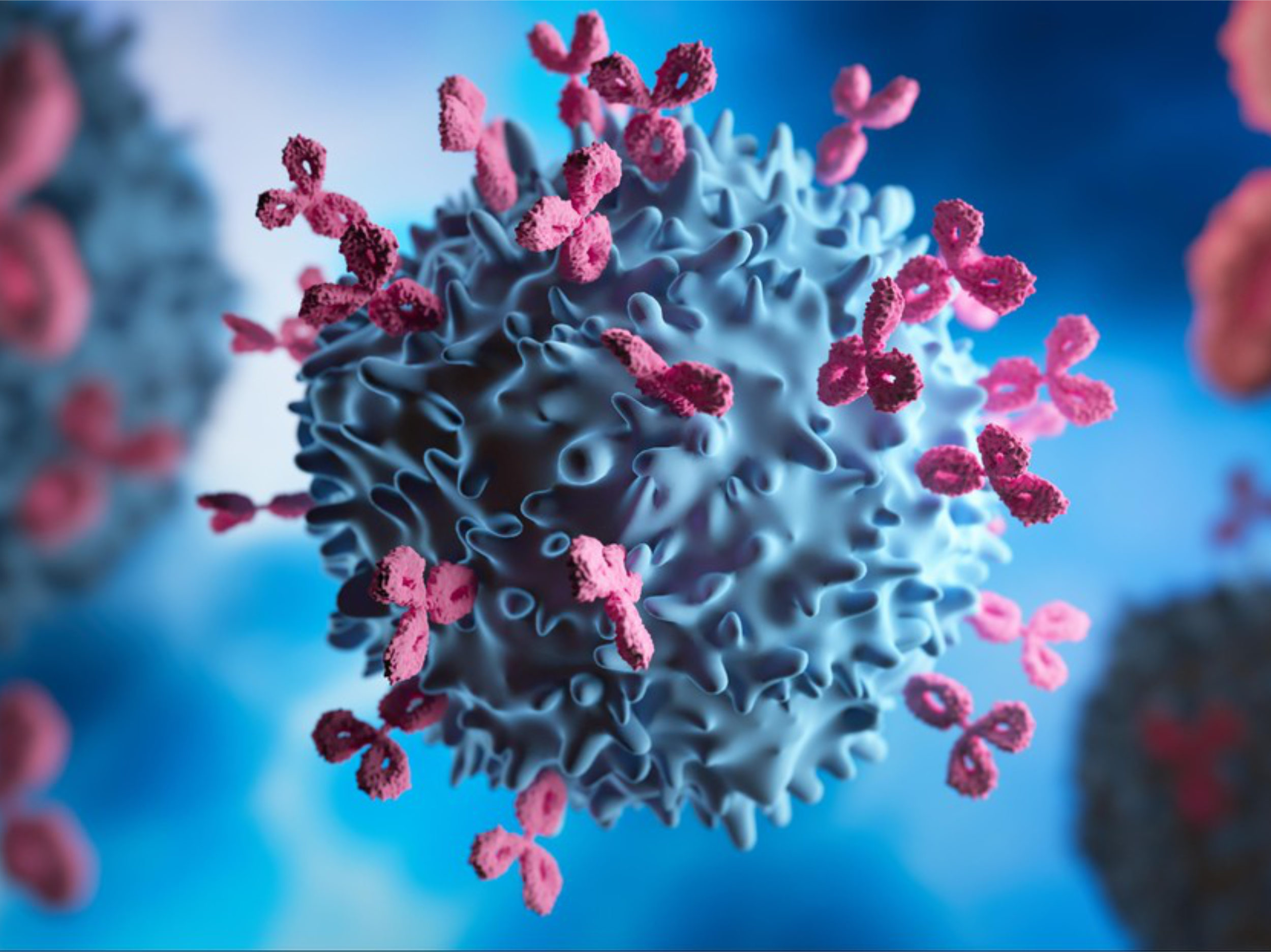
    In this panel discussion, an immunologist, a soil scientist and an infectious disease biologist will show you just how important microorganisms are to our lives. Together, we will look at what we already know about the microbiomes in our bodies and in the environment – and why research in this field is raising such high […]

  • Why Fish Would Drown Without Kidneys

    During evolution, life on earth has adapted to survive in many extreme environments, including oceans, rivers, deserts and in the air. Changes in kidney function helped animals thrive in very different environments – and they still shape how our bodies work today. This talk explores why the secrets of the human kidney lie in our […]

  • Myonen – geheimnisvolle Detektivteilchen?

    We don’t notice them, and yet hundreds of them pass through us every second: muons from space. They decay again within microseconds—the fact that they make it to us at all is vivid proof of Einstein’s theory of relativity. But what can be explored with these fleeting particles? A journey from quantum materials to batteries […]

  • Are the AI Gods Coming?

    Why do we so often imagine AI as godlike? From religious robots in science fiction to today’s powerful, seemingly all-seeing systems and large language models, artificial intelligence is surrounded by hopes, fears and myths. Drawing on research in digital religion, this talk explores a moment of technological and cultural change: What happens when AI talks […]

  • Kann Recht wirklich gerecht sein?

    What role does justice play in the law? Isn’t it often ultimately about power, interests, and political power dynamics—especially in times of war and power politics? And what exactly do we mean when we speak of justice? This lecture invites us to reflect together on whether justice is more than just a lofty-sounding word with […]

  • Die Anatomische Sammlung der Haustiere entdecken

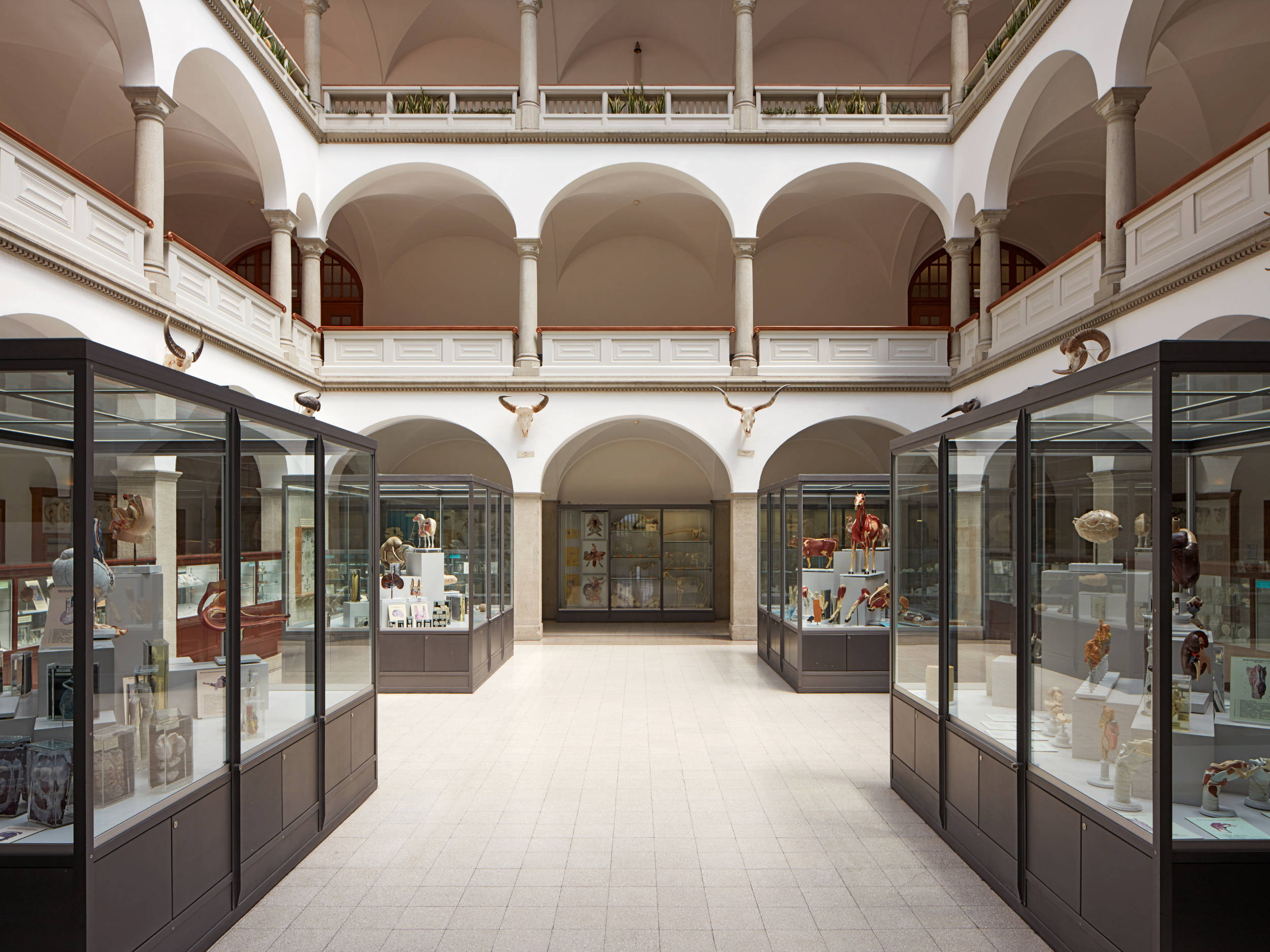
    How do we gain knowledge about the bodies of animals? On this guided tour, you will discover ETH Zurich’s Anatomical Collection of Domestic Animals, which has been used for teaching and research for more than 150 years. It contains an extraordinary collection of skeletons, preserved specimens, and both historical and modern models. Using selected exhibits, […]

  • Hinter den Kulissen der ETH-Bibliothek

    The ETH Library is Switzerland’s largest library for science and technology. But what happens behind the scenes? And how are millions of books, images, maps and other documents preserved, catalogued and safeguarded for the future? On this tour, you will gain access to areas of the ETH Library that are normally closed to visitors. You […]

  • From soil to plate: Digging into sustainable food systems

    What does healthy soil have to do with the food on our plate? In this interactive workshop, teenagers will explore the basics of sustainable agricultural and food systems. After a short introduction, participants will get hands-on experience with guided gardening activities and discover why soil is one of our most valuable resources. Using simple pH […]

  • Mineralien erforschen

    Dive into the fascinating world of minerals! In this exciting workshop, children aged 8 and over will discover a wide variety of minerals and their unique properties through hands-on activity stations and an engaging guided tour of the focusTerra permanent exhibition. Participants will gain a first insight into methods used to identify minerals and will […]

  • Magie der Chemie – Liveshow für die ganze Familie

    Immerse yourself in a world where colors light up and substances react with each other in spectacular ways. In this chemistry show, experiments take place right before your eyes, chemical reactions become visible, and science comes to life. The show combines fascinating experiments with easy-to-understand explanations and demonstrates how chemistry shapes our everyday lives and […]

  • Von der Natur ins Herbar

    Botanist and curator Seraina Rodewald takes the audience on a botanical research journey: from the great outdoors, where new species are discovered, to the Zurich Succulent Collection, which, with its unique diversity, makes plants accessible for research and offers crucial opportunities for comparison. Over the course of the journey, a plant is transformed into a […]

  • Plant Pressing: Nature’s Hidden Stories

    Discover the diversity of plants! In this workshop, children and adults explore the fascinating world of plants together. Using real herbarium specimens, participants learn how varied plants are and what their shapes reveal about the way they live. Each family creates and decorates their own flower press made from laser-cut wood. We also demonstrate how […]

  • When mountains start to move

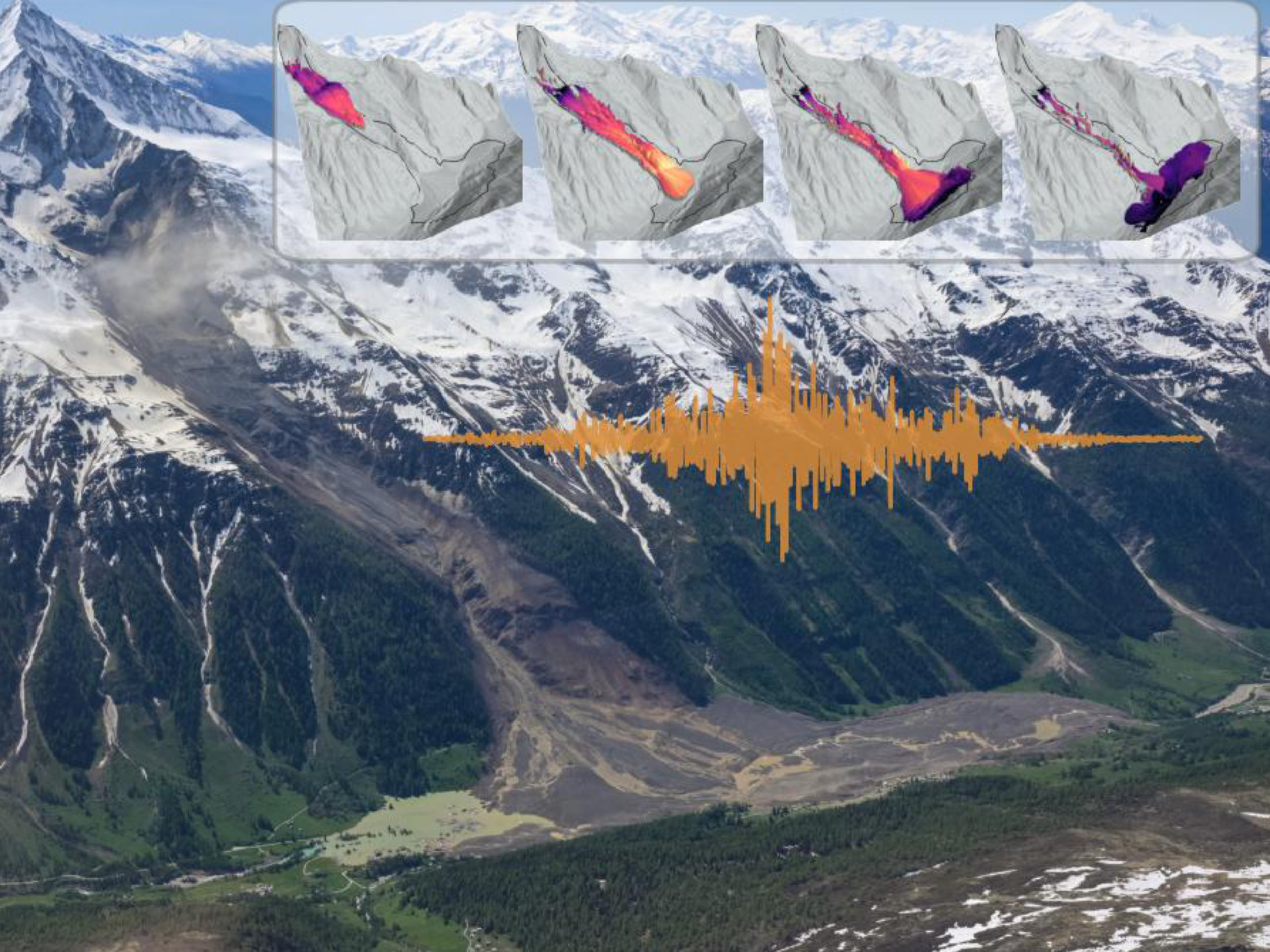
    The Blatten landslide in May 2025 shocked Switzerland. Millions of cubic metres of rock, ice and debris thundered into the valley, burying large parts of the village. But how can we predict how far these masses will flow, and why? In this workshop, you will discover how researchers at ETH Zurich, WSL and other institutions […]

  • Wenn Katzennieren schwächer werden

    The kidney is an amazing organ that performs many vital functions. With increasing age, kidney function can decline—a condition that is particularly common in house cats. Chronic kidney disease usually develops gradually and often goes unnoticed for a long time. How can it be recognized? Here is an overview of the kidney’s functions, typical warning […]

  • Chirurgie zum Mitmachen, Ausprobieren und Verstehen

    What’s it like to work in an operating room? The team of the OR-X, the surgical research and training center of the Balgrist University Hospital and the University of Zurich, invites children and families to discover the world of modern surgery. At three interactive stations, children and teens ages 8 to 16 can get hands-on […]

  • Let’s Play! – How Analog and Digital Games Build Knowledge

    Play is often seen as the opposite of learning — yet the two are closer than we might think. Board games and video games foster strategic thinking, social skills, and creative problem-solving. And beyond that: analogue and digital games can actively create knowledge. This event brings together research and practice: a series of compact lightning […]

  • Thymio Kunterbunt

    This workshop introduces children to the world of robotics and art in a playful way. The focus is on the Thymio robot, which poses a special question: Can a robot be creative, design things, or even dance? This question guides the children through the entire workshop, inviting them to experiment, marvel, and let their creativity […]

  • Morph Tales – Künstliche Intelligenz entdecken

    The Morph Tales workshop introduces children and teens to artificial intelligence in a playful way. It focuses on questions such as: What is an algorithm? How does AI learn? And how can we use AI responsibly? The workshop is based on the digital game Morph Tales. The Morphs that appear in the game—small, eager-to-learn characters—represent […]

  • Magic Cube – Faszination Elektrotechnik

    It all begins with a storm: Lightning strikes the Magic Cube, a mysterious geometric object. The entire power supply of the parallel world “Elektron” goes down. Electric cars, factories, microscopes, streetlights—everything is broken and shut down. Workshop participants work in teams to solve specific, hands-on tasks to help the people of Elektron. The Magic Cube […]

  • Meditate like Marina Abramović

    What happens when we use meditation to put ourselves into a special state of mind? Drawing on her own experience as a performance artist, Marina Abramović has developed a meditation method and converted a former school bus into a mobile exhibition space featuring a meditation capsule. Inside, visitors can step away from the fast pace […]

  • How we spy on molecules to design better materials

    How can scientists observe objects that are far too small to see with the naked eye? And how does this help them develop new materials for medicine, technology and sustainability? On this interactive laboratory tour, you will discover how researchers in the Macromolecular Engineering Lab study the molecular world. Although molecules are tiny, only a […]

  • Super Plants, Extra DNA

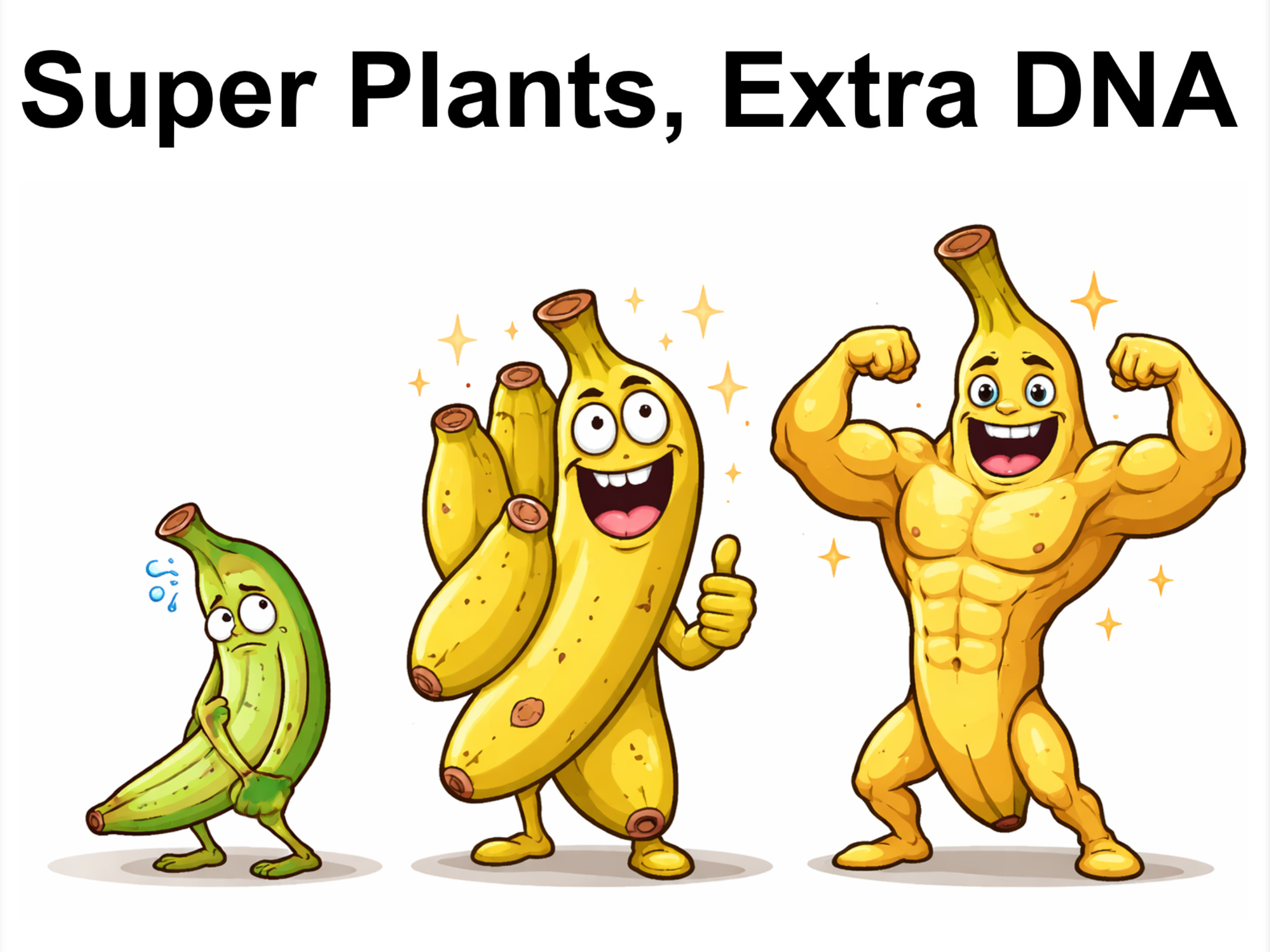
    What would life be without bread, fruit or sugar? Many of the plants that feed us – including bananas and wheat – have extra sets of chromosomes. These “super plants” are not GMOs, but natural innovations that can outperform their “regular” relatives. By studying how evolution has reshaped their genomes, researchers can better understand what […]

  • How to Build a Brain-Like Chip

    What if your computer could think inside its own memory, like a brain? Today, processors and memory sit in separate places: one handles computation, the other stores information. For demanding applications such as AI models, this creates a major bottleneck. Vast amounts of data must constantly move back and forth, wasting energy and slowing computation. […]

  • Russlands Krieg gegen die Ukraine

    Russia’s war against Ukraine marks a turning point in European security policy. What are the causes of the war, how has it unfolded, and what strategies are the key players pursuing? The focus is on Russia’s war aims, Ukraine’s resilience, the role of Western support, and the consequences for the European security order. This also […]

  • Fashion Performance: Wie Forschung zu tragbaren Kleidern wird

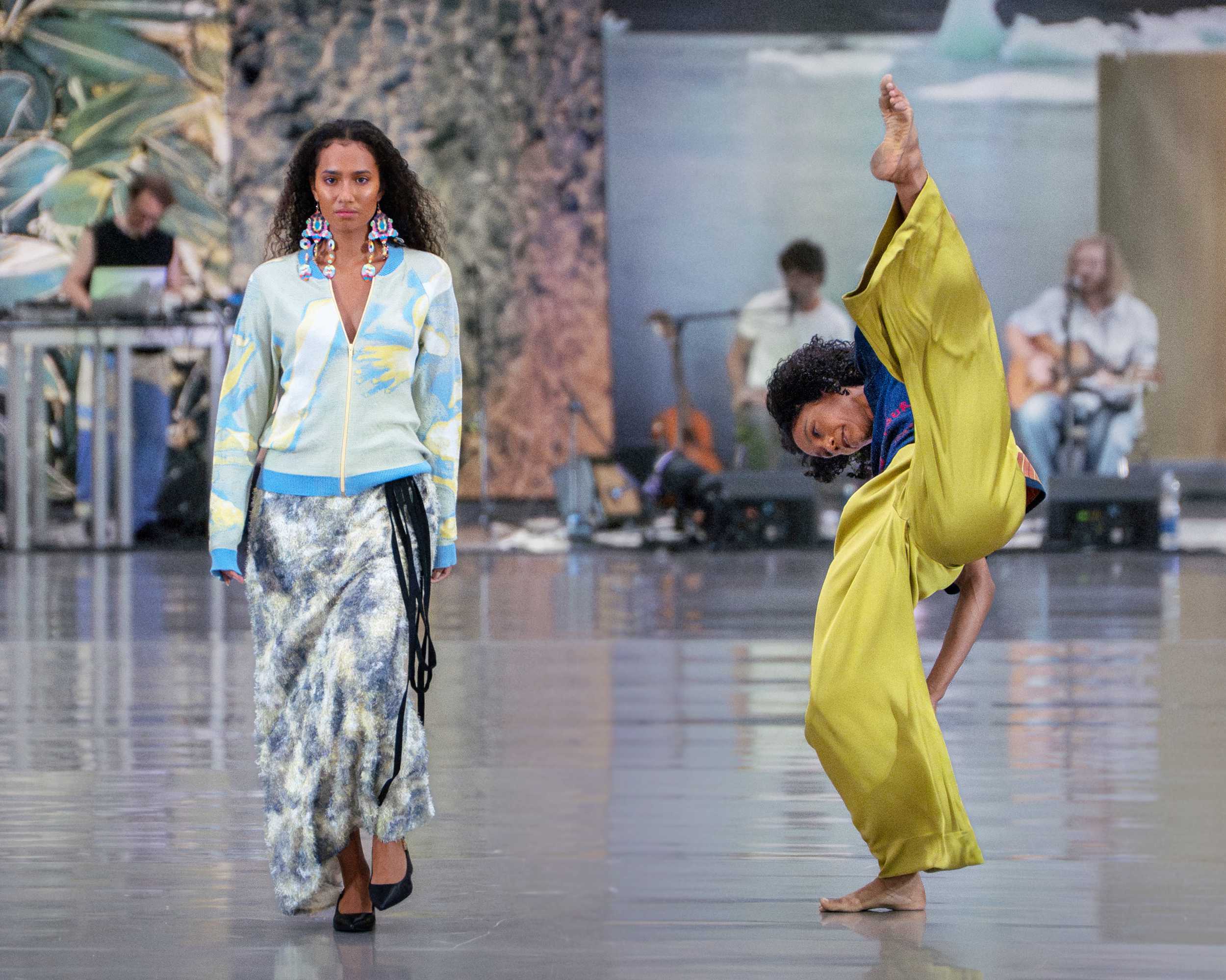
    A comfortable knit sweater that draws attention to critical human rights issues? A light jacket with roots in cell biology? A sweater that embodies the fundamental laws of astrophysics? The Art x Science knitwear collection by the University of Zurich brings together artists, designers, and scientists from a wide range of disciplines. The goal: to […]

  • KEEP IT CO₂OL – Rettet uns High-Tech?

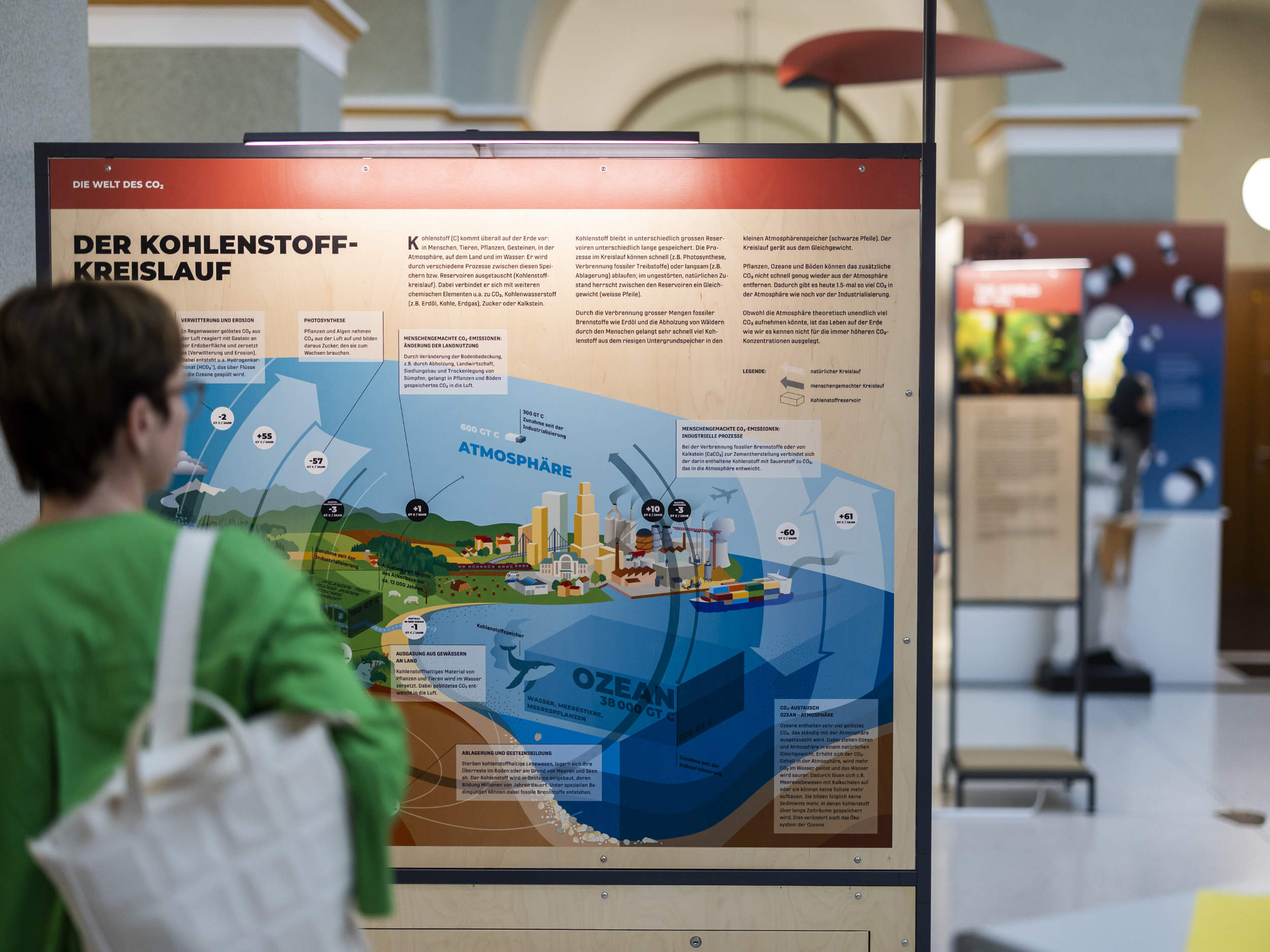
    Why is the Earth getting warmer? And what does the gas CO₂ have to do with it? On this family tour, we will explore these questions together. Through exciting experiments, you will discover what CO₂ actually is, how it moves through nature and why too much of it can change the climate. Along the way, […]

  • Robots for good: how robots could support learning and wellbeing

    Can robots help us learn, communicate or improve our wellbeing? In this interactive workshop, you will discover how researchers at ETH Zurich are exploring the future of social robots and other intelligent technologies. Meet a social robot, experience virtual reality and take part in hands-on activities that show how robots could support children, education and […]

  • Volkswirtschaft im Alltag

    From theory to practice. Global interdependence, conflicting environmental and social objectives, economic crises and political uncertainty shape economic decisions at every level – right down to our daily lives. In this Science Café, we aim to demonstrate and discuss how economic models and theories influence our daily lives and how understanding them enables us to […]

  • «Geheimarchiv» für Eingeweihte – Wissensspeicher für alle?

    What belongs in an archive – and what does not? Who decides which documents, personal papers and historical testimonies should be preserved for future generations? And how can historical records lead to new insights? On this guided tour, you will gain insights into the work of the Archives of Contemporary History (AfZ), which collects, preserves […]

  • MAGIE: Mensch oder KI – wer erzählt die Märchen von morgen?

    Once upon a time, there was a fairy tale that was constantly being reinvented. That’s how the story of MAGIE (Fairy Tales as Points of Reference for Shaping Individual Development Patterns) might begin. Because the MAGIE project keeps fairy tales alive and retells them again and again: During “MAGIE Storytime,” we read modern adaptations of […]

  • Nieren gesund halten

    The kidneys filter the blood, regulate blood pressure, and produce hormones. In Switzerland, about one in ten people is affected by kidney disease. Common risk factors include high blood pressure, diabetes, and obesity. Because kidney disease often goes unnoticed for a long time, prevention and early detection are particularly important. What factors influence kidney health—and […]

  • When mountains start to move

    The Blatten landslide in May 2025 shocked Switzerland. Millions of cubic metres of rock, ice and debris thundered into the valley, burying large parts of the village. But how can we predict how far these masses will flow, and why? In this workshop, you will discover how researchers at ETH Zurich, WSL and other institutions […]

  • Quantum light from quantum dots

    Light is wonderful. It drives life on earth, travels at record (light) speed, and sunlight can sometimes even make us happy. But what is light made of? And how can it help shape the technologies of the future? In this hands-on workshop, you will explore the fascinating world of light through a series of interactive […]

  • Funken, Blitze und Elektrizität: Zu Gast im Hochspannungslabor

    Take a look behind the scenes at ETH Zurich’s high-voltage laboratory. On this tour, you’ll gain fascinating insights into research on electrical power transmission technologies and learn how electricity is transported safely and efficiently over long distances. In addition to an introduction to current research projects, you’ll see demonstrations of high-voltage experiments. Experience fascinating effects […]

  • Understanding Suicidal Tendencies: Myths, Facts, and Digital Approaches to Prevention

    Suicidal tendencies affect many people and is often misunderstood. In this interactive workshop, researchers from the University of Zurich will work with participants to challenge common myths and shed light on the latest scientific findings. Through case studies, discussions, and practical exercises, participants will learn how suicidal ideation is studied, what warning, risk, and protective […]

  • Atlas der Schweiz – entdecken Sie die Vielfalt des Landes!

    Where can you find rope courses in Switzerland? And how long have they been around? Where in Switzerland are snowboards manufactured, and which brands are involved? In which Swiss municipalities are watches manufactured, and how many people work in this industry? The web version of the Atlas of Switzerland offers a wealth of information on […]

  • Meditate like Marina Abramović

    What happens when we use meditation to put ourselves into a special state of mind? Drawing on her own experience as a performance artist, Marina Abramović has developed a meditation method and converted a former school bus into a mobile exhibition space featuring a meditation capsule. Inside, visitors can step away from the fast pace […]

  • Autismus besser verstehen

    How do people with autism perceive the world? People with autism often experience the world differently and show differences for example in perception, communication, and social interaction. Researchers are investigating the biological mechanisms underlying these differences and suppose that sensory input is filtered to a lesser extent, causing some information to be perceived as more […]

  • How we spy on molecules to design better materials

    How can scientists observe objects that are far too small to see with the naked eye? And how does this help them develop new materials for medicine, technology and sustainability? On this interactive laboratory tour, you will discover how researchers in the Macromolecular Engineering Lab study the molecular world. Although molecules are tiny, only a […]

  • Den Vesuv für zu Hause – Reisebilder des 18. Jahrhunderts

    As early as the 18th century, wealthy Europeans traveled to Italy to experience foreign lands, ancient sites, and spectacular natural phenomena—including Mount Vesuvius near Naples and the buried city of Pompeii. But how could they show pictures of these sights to those back home in an era without photographs or cell phone photos? Over 200 […]

  • “Mini-Kidneys” Grown in the Lab

    Kidney disease affects around 10 percent of people worldwide. To develop better treatments, researchers first need to understand how these diseases begin and progress. Lab-grown “mini-kidneys” can help reveal what happens in the early stages of kidney disease. They offer a new way to study disease processes closely – and may uncover clues for future […]

  • Den Vogelgrippeviren auf der Spur

    Every winter, bird flu makes headlines: Wild birds die in large numbers, while the poultry production is also threatened. Researchers from across Europe and various disciplines are studying how bird flu viruses spread, mutate, and are transmitted to animals. What was unique about the outbreaks in recent years? What does bird flu mean for Switzerland? […]

  • On Knowing and Understanding

    The American architect Frank Lloyd Wright is associated with the phrase “to understand what others only know”. But what is the difference between knowing and understanding? This talk explores the question through three perspectives: Spinoza’s 17th-century ideas on kinds of knowledge, Graham Wallas’s stages of the creative process, and Margaret Boden’s recent work on types […]

  • Was wissen TikTok und YouTube über mich? Analysiere Deine Social Media Nutzung

    Social media platforms like TikTok and YouTube shape our everyday lives. With every video and every “like,” these platforms collect data and create a personalized “digital meal.” In this workshop, we’ll show you what data is stored about you and how you can access it. Using the online tool “My Digital Meal,” you can analyze […]

  • IMMERSE: Virtuell erleben, real lernen

    What if you could step inside the human body, explore virtual worlds, or interact with digital objects using your own hands? This hands-on workshop introduces Virtual Reality (VR), Augmented Reality (AR), and Artificial Intelligence (AI) and their growing role in science and education. Participants will explore applications such as immersive anatomy, VR training, haptic simulations, […]

  • Jugendführung «KEEP IT CO₂OL»

    Climate change affects us all – but what can we do about it? And what roles do new technologies, politics and our own actions play? On this tour, we will learn why reducing CO₂ emissions is so important and explore other ideas that are currently being discussed and developed. Can cars powered by renewable energy, […]

  • Hinter den Kulissen der ETH-Bibliothek

    The ETH Library is Switzerland’s largest library for science and technology. But what happens behind the scenes? And how are millions of books, images, maps and other documents preserved, catalogued and safeguarded for the future? On this tour, you will gain access to areas of the ETH Library that are normally closed to visitors. You […]

  • Science in Your Kitchen – eine Show, in der Kochen auf Forschung trifft

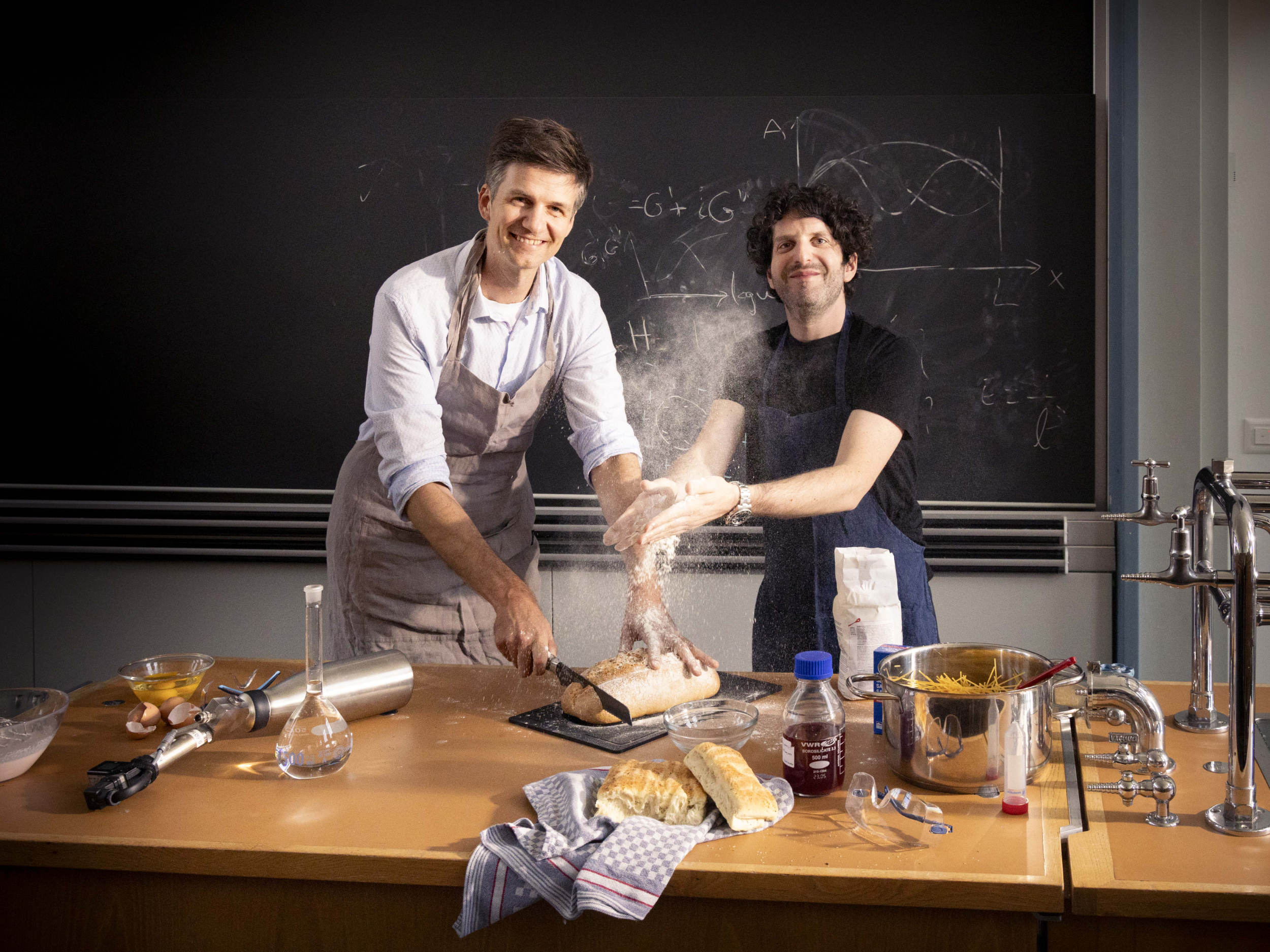
    Why does dough rise? Why do foods change their colour, texture, or structure? And why do some recipes work perfectly while others fail? In Science in Your Kitchen, Prof. Patrick Rühs and Prof. Thomas Michaels take the audience on a scientific journey through the world of cooking. Moving seamlessly between kitchen and laboratory, they use […]

  • Plant Pressing: Nature’s Hidden Stories

    Discover the diversity of plants! In this workshop, children and adults explore the fascinating world of plants together. Using real herbarium specimens, participants learn how varied plants are and what their shapes reveal about the way they live. Each family creates and decorates their own flower press made from laser-cut wood. We also demonstrate how […]

  • Wissen für politische Entscheidungen: Wie Forschung unseren Alltag mitgestaltet

    How do we generate knowledge for a better society? How do concrete policy solutions to the challenges of our time emerge? And what role do research and science play in this process? In this interactive workshop, you’ll gain fascinating insights into projects that demonstrate how scientific findings find their way into policy and society. At […]

  • When mountains start to move

    The Blatten landslide in May 2025 shocked Switzerland. Millions of cubic metres of rock, ice and debris thundered into the valley, burying large parts of the village. But how can we predict how far these masses will flow, and why? In this workshop, you will discover how researchers at ETH Zurich, WSL and other institutions […]

  • Quantum light from quantum dots

    Light is wonderful. It drives life on earth, travels at record (light) speed, and sunlight can sometimes even make us happy. But what is light made of? And how can it help shape the technologies of the future? In this hands-on workshop, you will explore the fascinating world of light through a series of interactive […]

  • Die Anatomische Sammlung der Haustiere entdecken

    How do we gain knowledge about the bodies of animals? On this guided tour, you will discover ETH Zurich’s Anatomical Collection of Domestic Animals, which has been used for teaching and research for more than 150 years. It contains an extraordinary collection of skeletons, preserved specimens, and both historical and modern models. Using selected exhibits, […]

  • Root detectives: discovering the hidden half of plants

    What happens beneath our feet when plants grow? Become a root detective and explore the hidden world underground! In this hands-on workshop, children will discover the amazing variety of plant roots and learn how they help plants find water and nutrients, anchor themselves in the soil and survive in different environments. By observing real roots […]

  • Was steckt in einem Namen?

    What’s in a name? More than you might think. Names shape identities, evoke associations, and tell stories. People, places, and institutions are given new names when their role, their environment, or their sense of self changes. But how does a good name come about—and what makes it meaningful? The Ethnographic Museum at the University of […]

  • Ewigkeitschemikalien PFAS – unsichtbar, überall

    This Science Café focuses on so-called ‘forever chemicals’: PFAS (per- and polyfluoroalkyl substances). These substances have been used in many products for decades – from Teflon pans and rainwear to packaging and industrial applications. The problem is that PFAS hardly break down in the environment. Today, they can be detected even in remote regions and […]

  • The New Monuments Men?

    Have you heard of the “Monuments Men”? They saved works of art during World War II—their story became widely known through a film directed by George Clooney (2014). Researchers who study historic buildings are, in a sense, the “Monuments Men” of the 21st century. They analyze construction sites as well as structure and furnishings to […]

  • Hands-On Surgery: Explore, Experience and Understand

    What’s it like to work in an operating room? The team of the OR-X, the surgical research and training center of the Balgrist University Hospital and the University of Zurich, invites children and families to discover the world of modern surgery. At three interactive stations, children and teens ages 8 to 16 can get hands-on […]

  • Let’s Play! – How Analog and Digital Games Build Knowledge

    Play is often seen as the opposite of learning — yet the two are closer than we might think. Board games and video games foster strategic thinking, social skills, and creative problem-solving. And beyond that: analogue and digital games can actively create knowledge. This event brings together research and practice: a series of compact lightning […]

  • Thermal Justice: a serious game

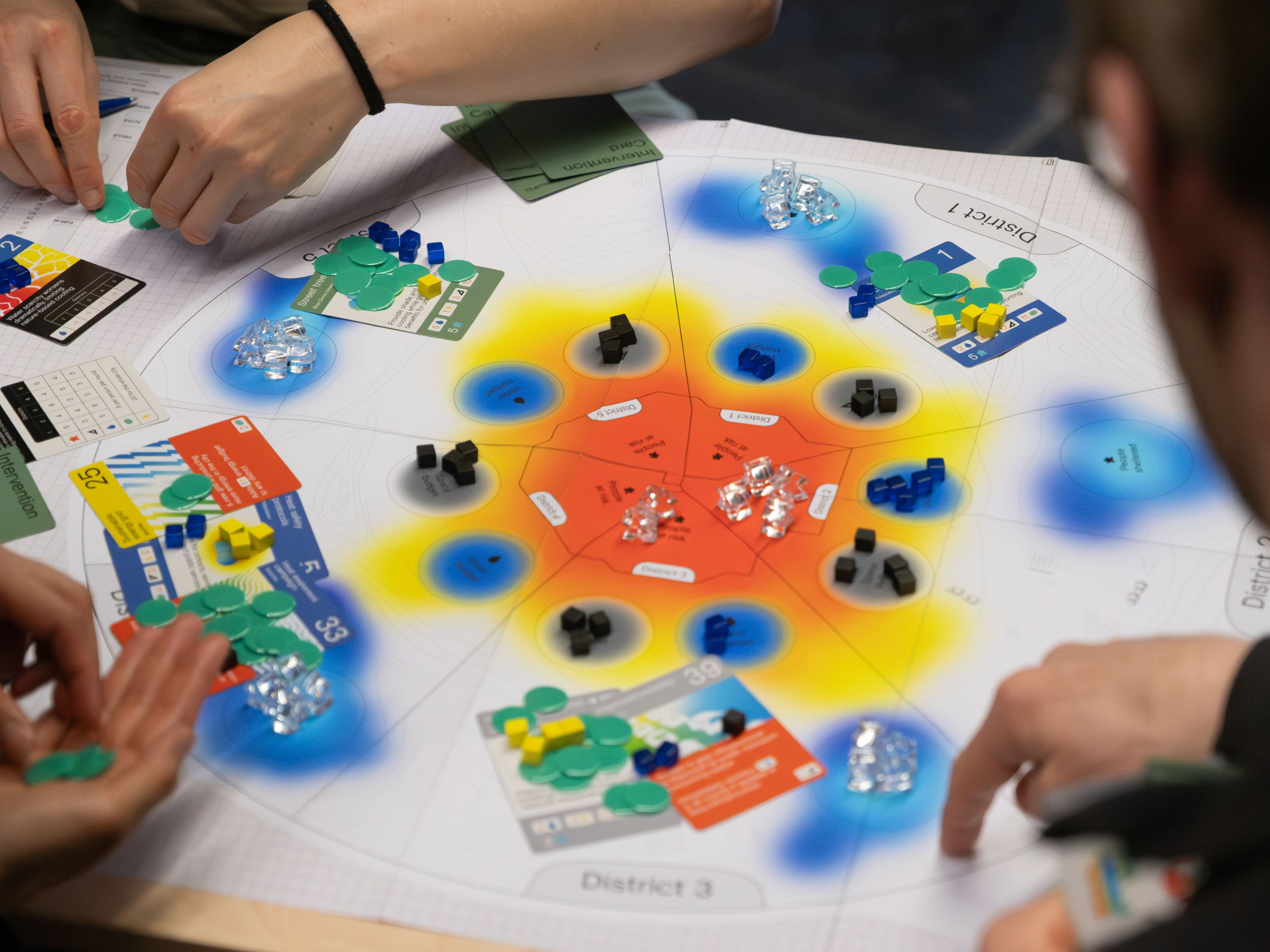
    Who suffers most when cities get hotter? And how can we make cities not only cooler, but fairer? In this interactive workshop you will play the Thermal Justice board game, developed by researchers at ETH Zurich and Eawag: a fun and interactive way to explore how buildings, streets, trees, energy systems, and social inequalities shape […]

  • Wissen, Raten, Gewinnen – das Quiz für die ganze Familie

    The Scientifica quiz is all about tricky questions and is open to the whole family. Children and parents can put the knowledge they’ve gained at Scientifica to the test as contestants. Of course, they can also take a guess or seek advice from the audience by using their joker. Presenter Stefan Flury ensures plenty of […]

  • Morph Tales – Künstliche Intelligenz entdecken

    The Morph Tales workshop introduces children and teens to artificial intelligence in a playful way. It focuses on questions such as: What is an algorithm? How does AI learn? And how can we use AI responsibly? The workshop is based on the digital game Morph Tales. The Morphs that appear in the game—small, eager-to-learn characters—represent […]

  • Thymio Kunterbunt

    This workshop introduces children to the world of robotics and art in a playful way. The focus is on the Thymio robot, which poses a special question: Can a robot be creative, design things, or even dance? This question guides the children through the entire workshop, inviting them to experiment, marvel, and let their creativity […]

  • Magic Cube – Faszination Elektrotechnik

    It all begins with a storm: Lightning strikes the Magic Cube, a mysterious geometric object. The entire power supply of the parallel world “Elektron” goes down. Electric cars, factories, microscopes, streetlights—everything is broken and shut down. Workshop participants work in teams to solve specific, hands-on tasks to help the people of Elektron. The Magic Cube […]

  • Steinreiche Nieren

    Many people develop kidney stones at some point in their lives, with men being more likely to do so than women. There are many possible causes: genetic predisposition, diet, fluid balance, and environmental factors can all play a role. Why do kidney stones form, how can they be detected—and why is prevention so important?

  • Meet Stanley: when AI gets emotional

    How many times have you asked Alexa, Siri, or ChatGPT the same question? No matter how often we repeat ourselves, today's AI assistants stay polite, patient, and helpful. But what if an AI became sarcastic, challenged your opinion or pointed out that you had already asked the same question three times? Meet Stanley, an experimental […]

  • Atlas der Schweiz – entdecken Sie die Vielfalt des Landes!

    Where can you find rope courses in Switzerland? And how long have they been around? Where in Switzerland are snowboards manufactured, and which brands are involved? In which Swiss municipalities are watches manufactured, and how many people work in this industry? The web version of the Atlas of Switzerland offers a wealth of information on […]

  • Meditate like Marina Abramović

    What happens when we use meditation to put ourselves into a special state of mind? Drawing on her own experience as a performance artist, Marina Abramović has developed a meditation method and converted a former school bus into a mobile exhibition space featuring a meditation capsule. Inside, visitors can step away from the fast pace […]

  • How we spy on molecules to design better materials

    How can scientists observe objects that are far too small to see with the naked eye? And how does this help them develop new materials for medicine, technology and sustainability? On this interactive laboratory tour, you will discover how researchers in the Macromolecular Engineering Lab study the molecular world. Although molecules are tiny, only a […]
  • Virtopsy: Ohne Skalpell ins Innere

    An autopsy provides information about a body. But is it really necessary to cut it open to do so? Virtopsy is a modern method in forensic medicine in which the deceased are examined virtually using CT, MRI, and 3D scans. This allows injuries, signs of illness, or traces to be documented precisely and transparently. This […]
  • Schönheit im Wandel der Zeit

    Beauty is considered a matter of taste—yet what people have found beautiful has changed significantly throughout history. Using visual examples from prehistory, antiquity, the Middle Ages, and the modern era, the ideals of beauty and how they have evolved will be explored: What was considered to be beautiful in a person, which notions remained constant, […]

  • Autismus besser verstehen

    How do people with autism perceive the world? People with autism often experience the world differently and show differences for example in perception, communication, and social interaction. Researchers are investigating the biological mechanisms underlying these differences and suppose that sensory input is filtered to a lesser extent, causing some information to be perceived as more […]

  • Testing Cancer Treatments in the Lab

    Every person’s cancer is different. Even tumors that look similar under the microscope can respond very differently to the same treatment, depending on their biology and the healthy cells around them. So how can doctors know which therapy is most likely to work? Researchers are growing miniature tumor models – called tumoroids – in the […]

  • Soils, humans and climate

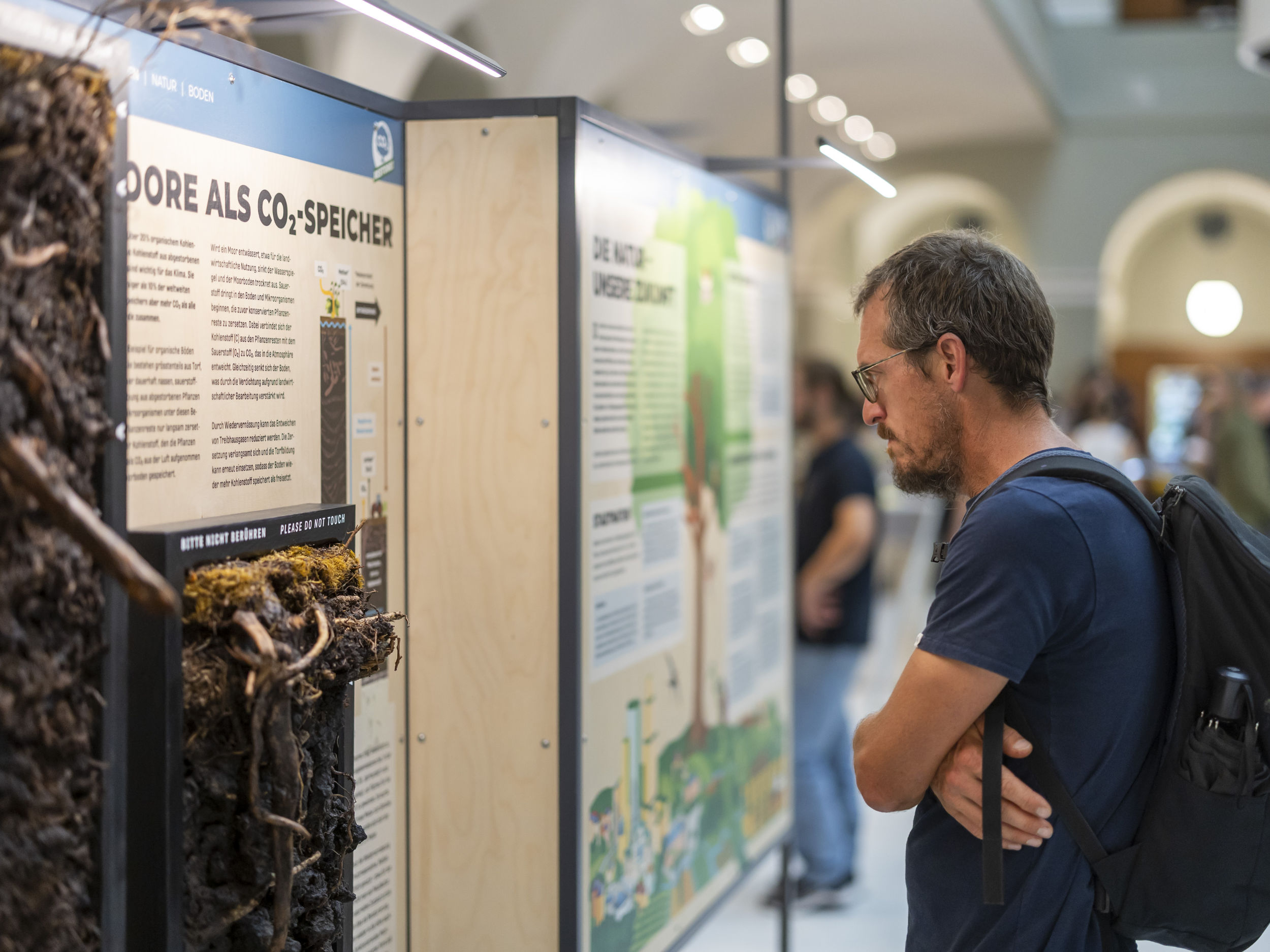
    How are soils connected to climate change? And why do our actions influence the ground beneath our feet? This guided tour begins in the KEEP IT CO2OL exhibition at focusTerra, where impressive soil monoliths reveal how agriculture and forestry have degraded soils over time. As you continue through the exhibition, you will discover how human […]

  • Erdbeben spüren im Simulator

    How do earthquakes occur? What is moving deep beneath our feet? And why does the ground sometimes shake entire regions? In focusTerra’s permanent exhibition, we explore the causes of earthquakes. Learn how tectonic plates move, why earthquakes occur regularly in Switzerland and how researchers study them. Discover what earthquakes reveal about the Earth’s interior and […]

  • MAGIE: Mensch oder KI – wer erzählt die Märchen von morgen?

    Once upon a time, there was a fairy tale that was constantly being reinvented. That’s how the story of MAGIE (Fairy Tales as Points of Reference for Shaping Individual Development Patterns) might begin. Because the MAGIE project keeps fairy tales alive and retells them again and again: During “MAGIE Storytime,” we read modern adaptations of […]

  • Magie der Chemie – Liveshow für die ganze Familie

    Immerse yourself in a world where colors light up and substances react with each other in spectacular ways. In this chemistry show, experiments take place right before your eyes, chemical reactions become visible, and science comes to life. The show combines fascinating experiments with easy-to-understand explanations and demonstrates how chemistry shapes our everyday lives and […]

  • When mountains start to move

    The Blatten landslide in May 2025 shocked Switzerland. Millions of cubic metres of rock, ice and debris thundered into the valley, burying large parts of the village. But how can we predict how far these masses will flow, and why? In this workshop, you will discover how researchers at ETH Zurich, WSL and other institutions […]

  • Quantum light from quantum dots

    Light is wonderful. It drives life on earth, travels at record (light) speed, and sunlight can sometimes even make us happy. But what is light made of? And how can it help shape the technologies of the future? In this hands-on workshop, you will explore the fascinating world of light through a series of interactive […]

  • «Geheimarchiv» für Eingeweihte – Wissensspeicher für alle?

    What belongs in an archive – and what does not? Who decides which documents, personal papers and historical testimonies should be preserved for future generations? And how can historical records lead to new insights? On this guided tour, you will gain insights into the work of the Archives of Contemporary History (AfZ), which collects, preserves […]

  • Robots for good: how robots could support learning and wellbeing

    Can robots help us learn, communicate or improve our wellbeing? In this interactive workshop, you will discover how researchers at ETH Zurich are exploring the future of social robots and other intelligent technologies. Meet a social robot, experience virtual reality and take part in hands-on activities that show how robots could support children, education and […]

  • Meditate like Marina Abramović

    What happens when we use meditation to put ourselves into a special state of mind? Drawing on her own experience as a performance artist, Marina Abramović has developed a meditation method and converted a former school bus into a mobile exhibition space featuring a meditation capsule. Inside, visitors can step away from the fast pace […]

  • Anonymizing Medical Data for Research

    Hospitals hold enormous amounts of knowledge in free-text formats such as clinical notes, discharge summaries and medical reports. Because these texts contain sensitive patient information, they are difficult to use for research. ClinD is a privacy platform that anonymizes unstructured medical data directly inside the hospital’s secure infrastructure. AI tools help detect and remove personal […]

  • How Do We Study What We Dream?

    From missed exams to missing pants: when we sleep, we enter worlds that are sometimes strange or completely impossible and sometimes utterly mundane. But how can researchers study something that happens only in the mind – and is often forgotten moments after waking? Dream research uses scientific methods to explore what we dream about, how […]

  • Autismus besser verstehen

    How do people with autism perceive the world? People with autism often experience the world differently and show differences for example in perception, communication, and social interaction. Researchers are investigating the biological mechanisms underlying these differences and suppose that sensory input is filtered to a lesser extent, causing some information to be perceived as more […]

  • How Decentralized AI Collaborates

    How can artificial intelligence learn from data that cannot be shared? Decentralized federated learning allows devices or institutions to train AI models together without sending their data to a central server. This talk will introduce how decentralized federated learning works, why it matters, and how it could support more private, secure and collaborative AI.   […]

  • Funken, Blitze und Elektrizität: Zu Gast im Hochspannungslabor

    Take a look behind the scenes at ETH Zurich’s high-voltage laboratory. On this tour, you’ll gain fascinating insights into research on electrical power transmission technologies and learn how electricity is transported safely and efficiently over long distances. In addition to an introduction to current research projects, you’ll see demonstrations of high-voltage experiments. Experience fascinating effects […]

  • Der Klimawandel und ich

    What does climate change have to do with my everyday life? And what can we do as a society to address it? Join us in focusTerra’s special exhibition KEEP IT CO₂OL to explore these questions. On this guided tour, you will learn why reducing CO₂ emissions has become such a prominent topic and what challenges […]

  • Aufmerksamkeit unter Druck – das Gehirn im digitalen Alltag

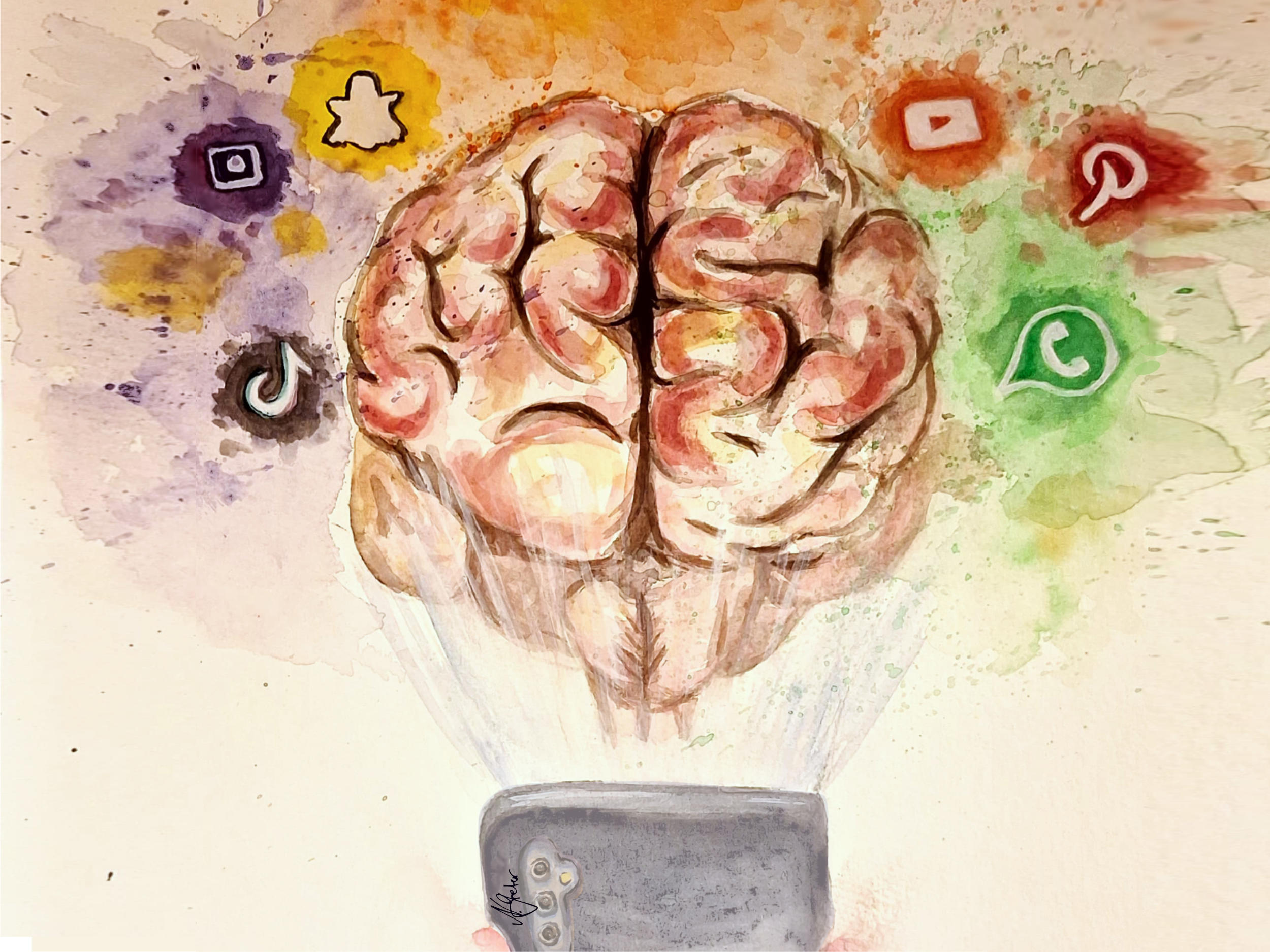
    From an early age, we learn to organize and connect the many impressions around us. Our brains learn through experience to direct our attention specifically to those things that are important in a given situation. This allows us to learn with focus or to react quickly in critical situations. This ability of our brain has […]

  • MAGIE: Mensch oder KI – wer erzählt die Märchen von morgen?

    Once upon a time, there was a fairy tale that was constantly being reinvented. That’s how the story of MAGIE (Fairy Tales as Points of Reference for Shaping Individual Development Patterns) might begin. Because the MAGIE project keeps fairy tales alive and retells them again and again: During “MAGIE Storytime,” we read modern adaptations of […]

  • Science Slam – ihr bestimmt, wer gewinnt

    Who will present their research topic in the most surprising, funniest or most understandable way? Participants in the Science Slam have 10 minutes to convince the audience of their research work. Any aids are permitted. Jasmin Barman, Mehmet Aksözen, Simon Hauser and others are vying for your favour. You decide who leaves the stage as […]

  • When mountains start to move

    The Blatten landslide in May 2025 shocked Switzerland. Millions of cubic metres of rock, ice and debris thundered into the valley, burying large parts of the village. But how can we predict how far these masses will flow, and why? In this workshop, you will discover how researchers at ETH Zurich, WSL and other institutions […]

  • The UP4mint Café: A break for parents, supervised fun for children ages 8–12

    Amid the hustle and bustle of Scientifica, the UP4mint Parents’ Café invites you to take a short break. While your children experiment, tinker, build, and make little discoveries at supervised hands-on stations within sight, you can enjoy a quiet cup of coffee and find inspiration on the new parents’ portal. Each of the varied activities […]

  • From AI Competence to Digital Resilience: KI-Schule.eu

    Artificial intelligence is everywhere today—from ChatGPT to deepfakes. In this walk-in workshop, you can try out generative AI for yourself, learn about its opportunities and risks, and discuss how to use it responsibly. The focus is on the interactive learning tool “AI School,” which introduces children and teens to the topic of AI in a […]

  • Scavenger hunt through the exhibition – the Scientifica Trail

    At over 70 booths at Zentrum, researchers will be showcasing their projects. If you’re overwhelmed by the wide range of offerings, let the Scientifica Trail guide you through the exhibition in a fun way. Find the booths you’re looking for and answer questions about the research being presented there. If you answer the questions correctly, […]

  • Where Knowledge Begins: The Great Data Treasure Hunt

    Research is based on data: Scientists measure brain waves, observe movement patterns or animal behavior, and gather opinions and attitudes on relevant topics. They record all of this as data. Step into the shoes of researchers, collect data at various booths at Scientifica, and compile the right data to draw meaningful insights. Once you’ve safely […]

  • Wie ein Zauberer aus Sinneseindrücken Illusionen schafft

    Can you trust your eyes? How does our perception come about, and why does our brain sometimes deceive us? In this extraordinary show, physicist and magician Thomas Fraps combines astonishing illusions with fascinating scientific insights. Experience how your brain constructs a picture of reality from sensory impressions—and how easily it can be deceived in the […]

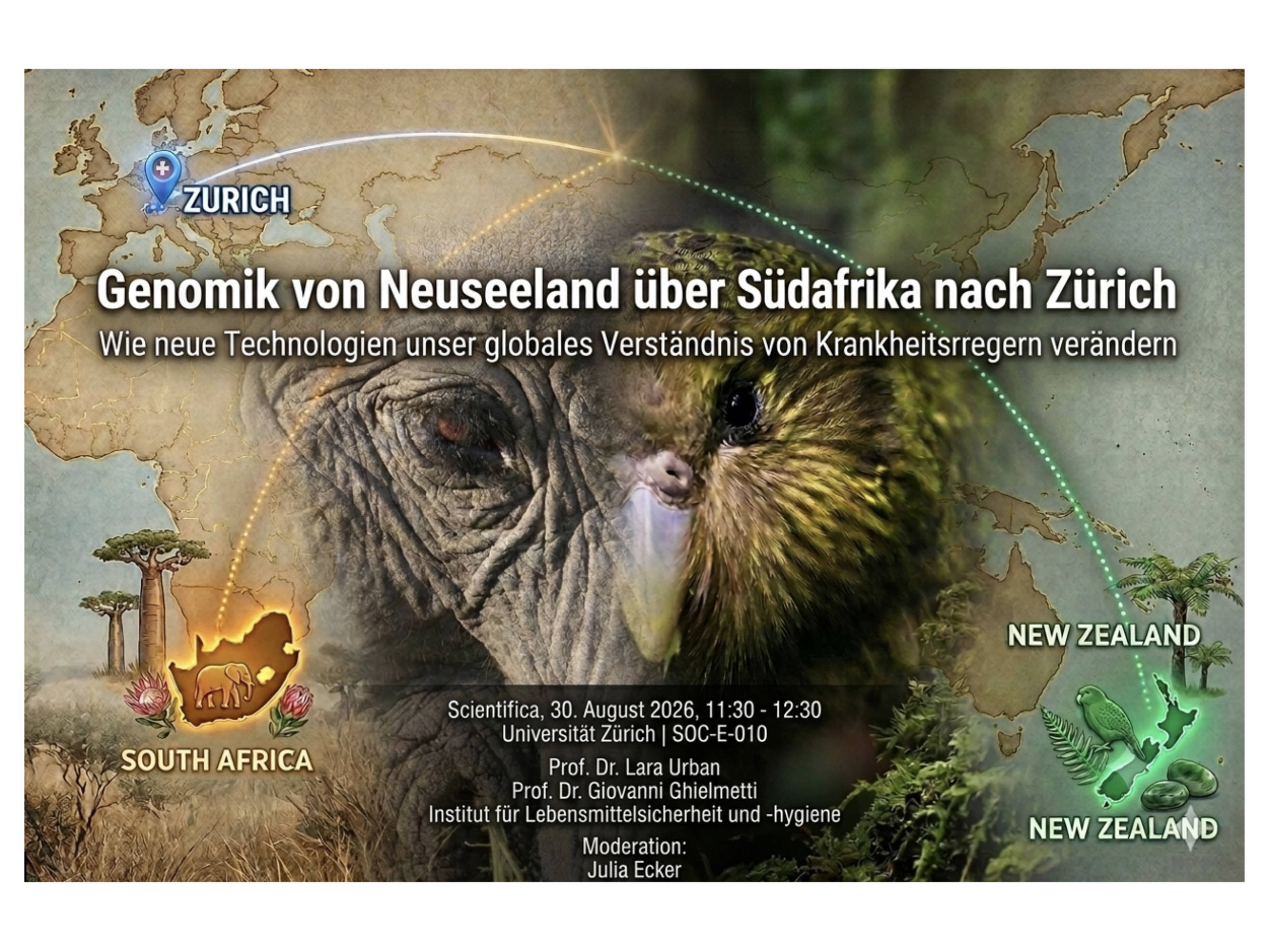
  • Genomik von Neuseeland über Südafrika nach Zürich

    At the Science Café, we will discuss with you how new genomic technologies make it possible to detect pathogens quickly and accurately right on the spot. First, we will explain how portable sequencers work. We will then use examples from South Africa and New Zealand to show how we are deploying these technologies in the […]

  • Knallegra – Willkommen bei Professor und Profesora Bummbastic

    Rings of smoke fly through the air, clouds seem to appear out of nowhere, and laser beams produce sounds. Raphael Oldani and Elena Santana, alias ‘Professor and Profesora Bummbastic’, take young and old alike on a fascinating journey through scientific phenomena. Joining them is the humanoid robot NAO. Children are invited to join in and […]

  • Wieso wissen wir, wer arm ist?

    About 10 percent of the world’s population lives in extreme poverty. But how do we actually know that? Measuring poverty is complex: it requires clear definitions, reliable data, and methods that capture different realities of life. Fundamental concepts and approaches to measuring poverty are explained: How has poverty evolved worldwide? Where do most poor people […]

  • Wenn Antibiotika nicht mehr reichen

    Urinary tract infections are among the most common bacterial infections. While antibiotics are now part of standard treatment, resistance and recurrent infections are on the rise. In addition to causes, symptoms, and current treatment options, the focus is on new research approaches: What role does the microbiome play? And how might bacteriophages—viruses that specifically target […]

  • Bild & Wahrheit

    Images do not merely show what is true. They also portray what is claimed to be true. This was already the case in the early modern period: works of art could convey knowledge, suggest authority, raise doubts, or allow for ambiguity. This makes clear just how relevant these old strategies remain today: even on social […]

  • Rettet uns High-Tech?

    Aircraft fly on sustainable fuels produced from solar energy; cars run on renewable energy; buildings are constructed from wood and other CO₂-storing materials; CO₂ is removed from the air and stored permanently. Utopia or a realistic scenario? Join us in focusTerra’s special exhibition KEEP IT CO₂OL to explore possible pathways towards a more climate-friendly future. […]

  • «Geheimarchiv» für Eingeweihte – Wissensspeicher für alle?

    What belongs in an archive – and what does not? Who decides which documents, personal papers and historical testimonies should be preserved for future generations? And how can historical records lead to new insights? On this guided tour, you will gain insights into the work of the Archives of Contemporary History (AfZ), which collects, preserves […]

  • From soil to plate: Digging into sustainable food systems

    What does healthy soil have to do with the food on our plate? In this interactive workshop, teenagers will explore the basics of sustainable agricultural and food systems. After a short introduction, participants will get hands-on experience with guided gardening activities and discover why soil is one of our most valuable resources. Using simple pH […]

  • Science in the Kitchen – A low-temperature cooking show

    Cooking is far more than just following a recipe – it is an art. Cooking requires a fine sense of how the combination of ingredients defines the final taste and textures. Yet, part of the process can be recast in terms of physical mechanisms that once we understand them will allow us to control precisely […]

  • When mountains start to move

    The Blatten landslide in May 2025 shocked Switzerland. Millions of cubic metres of rock, ice and debris thundered into the valley, burying large parts of the village. But how can we predict how far these masses will flow, and why? In this workshop, you will discover how researchers at ETH Zurich, WSL and other institutions […]

  • Chirurgie zum Mitmachen, Ausprobieren und Verstehen

    What’s it like to work in an operating room? The team of the OR-X, the surgical research and training center of the Balgrist University Hospital and the University of Zurich, invites children and families to discover the world of modern surgery. At three interactive stations, children and teens ages 8 to 16 can get hands-on […]

  • Robots for good: how robots could support learning and wellbeing

    Can robots help us learn, communicate or improve our wellbeing? In this interactive workshop, you will discover how researchers at ETH Zurich are exploring the future of social robots and other intelligent technologies. Meet a social robot, experience virtual reality and take part in hands-on activities that show how robots could support children, education and […]

  • Magic Cube – Faszination Elektrotechnik

    It all begins with a storm: Lightning strikes the Magic Cube, a mysterious geometric object. The entire power supply of the parallel world “Elektron” goes down. Electric cars, factories, microscopes, streetlights—everything is broken and shut down. Workshop participants work in teams to solve specific, hands-on tasks to help the people of Elektron. The Magic Cube […]

  • Morph Tales – Künstliche Intelligenz entdecken

    The Morph Tales workshop introduces children and teens to artificial intelligence in a playful way. It focuses on questions such as: What is an algorithm? How does AI learn? And how can we use AI responsibly? The workshop is based on the digital game Morph Tales. The Morphs that appear in the game—small, eager-to-learn characters—represent […]

  • Meditate like Marina Abramović

    What happens when we use meditation to put ourselves into a special state of mind? Drawing on her own experience as a performance artist, Marina Abramović has developed a meditation method and converted a former school bus into a mobile exhibition space featuring a meditation capsule. Inside, visitors can step away from the fast pace […]

  • Plankton als künstlerisches Sujet

    What do tiny aquatic organisms have to do with art? This guided tour of the exhibition at the Graphische Sammlung ETH Zürich explores how the Swiss artist Hugo Suter (1943–2013) used plankton from Lake Hallwil in the canton of Aargau as the starting point for a fascinating body of work. Through selected artworks, you will […]

  • How we spy on molecules to design better materials

    How can scientists observe objects that are far too small to see with the naked eye? And how does this help them develop new materials for medicine, technology and sustainability? On this interactive laboratory tour, you will discover how researchers in the Macromolecular Engineering Lab study the molecular world. Although molecules are tiny, only a […]

  • Der Alltag aus dem All

    Space is closer than we think: Navigation, weather forecasts, communication, agriculture, climate research, and disaster relief all rely on satellite data and space technologies today. We take much of this for granted—often without even realizing it. The view from space helps us to find new paths, assess weather conditions, plan harvests, and detect natural hazards […]

  • Wie KI Einstein zum Leben erweckt

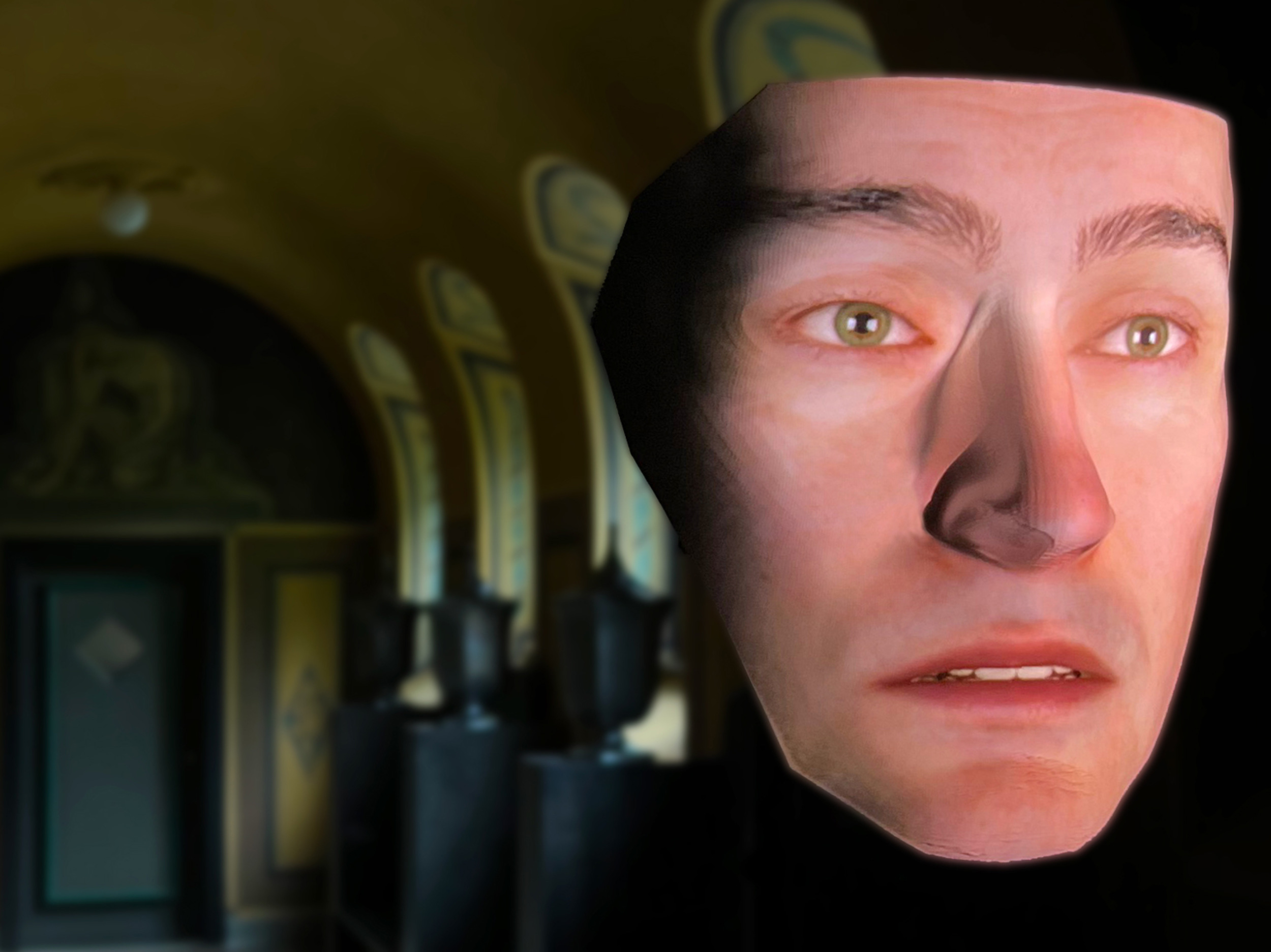
    What if Albert Einstein could answer your questions today? Digital Einstein is an AI avatar that speaks in real time, displays emotions, and responds to questions—just like the legendary physicist. Modern AI technology combines speech, facial expressions, and personality to bring historical figures back to life. At the same time, questions arise: What opportunities do […]

  • Who Is Tracking Whom?

    AirTags, smartwatches and wireless headphones quietly communicate with nearby devices and Crowdsourced Finding Networks. These technologies can make everyday life easier by helping us locate lost items. But they can also be misused for unwanted tracking – and may reveal more about us than we realize. TRACE explores how tracking technologies work, why they are […]

  • Fashion Performance: Wie Forschung zu tragbaren Kleidern wird

    A comfortable knit sweater that draws attention to critical human rights issues? A light jacket with roots in cell biology? A sweater that embodies the fundamental laws of astrophysics? The Art x Science knitwear collection by the University of Zurich brings together artists, designers, and scientists from a wide range of disciplines. The goal: to […]

  • Die Anatomische Sammlung der Haustiere entdecken

    How do we gain knowledge about the bodies of animals? On this guided tour, you will discover ETH Zurich’s Anatomical Collection of Domestic Animals, which has been used for teaching and research for more than 150 years. It contains an extraordinary collection of skeletons, preserved specimens, and both historical and modern models. Using selected exhibits, […]

  • Erdbeben spüren im Simulator

    How do earthquakes occur? What is moving deep beneath our feet? And why does the ground sometimes shake entire regions? In focusTerra’s permanent exhibition, we explore the causes of earthquakes. Learn how tectonic plates move, why earthquakes occur regularly in Switzerland and how researchers study them. Discover what earthquakes reveal about the Earth’s interior and […]

  • MAGIE: Mensch oder KI – wer erzählt die Märchen von morgen?

    Once upon a time, there was a fairy tale that was constantly being reinvented. That’s how the story of MAGIE (Fairy Tales as Points of Reference for Shaping Individual Development Patterns) might begin. Because the MAGIE project keeps fairy tales alive and retells them again and again: During “MAGIE Storytime,” we read modern adaptations of […]

  • Was steckt in einem Namen?

    What’s in a name? More than you might think. Names shape identities, evoke associations, and tell stories. People, places, and institutions are given new names when their role, their environment, or their sense of self changes. But how does a good name come about—and what makes it meaningful? The Ethnographic Museum at the University of […]

  • Wissen oder Schicksal?

    The possibilities offered by modern medicine are advancing rapidly. Today, it is possible to obtain genetic information about an unborn child early in pregnancy without invasive procedures. Newborns in Switzerland are also routinely tested for certain rare diseases after birth. Currently, Switzerland's newborn screening program covers 11 diseases for which early treatment is crucial. However, […]

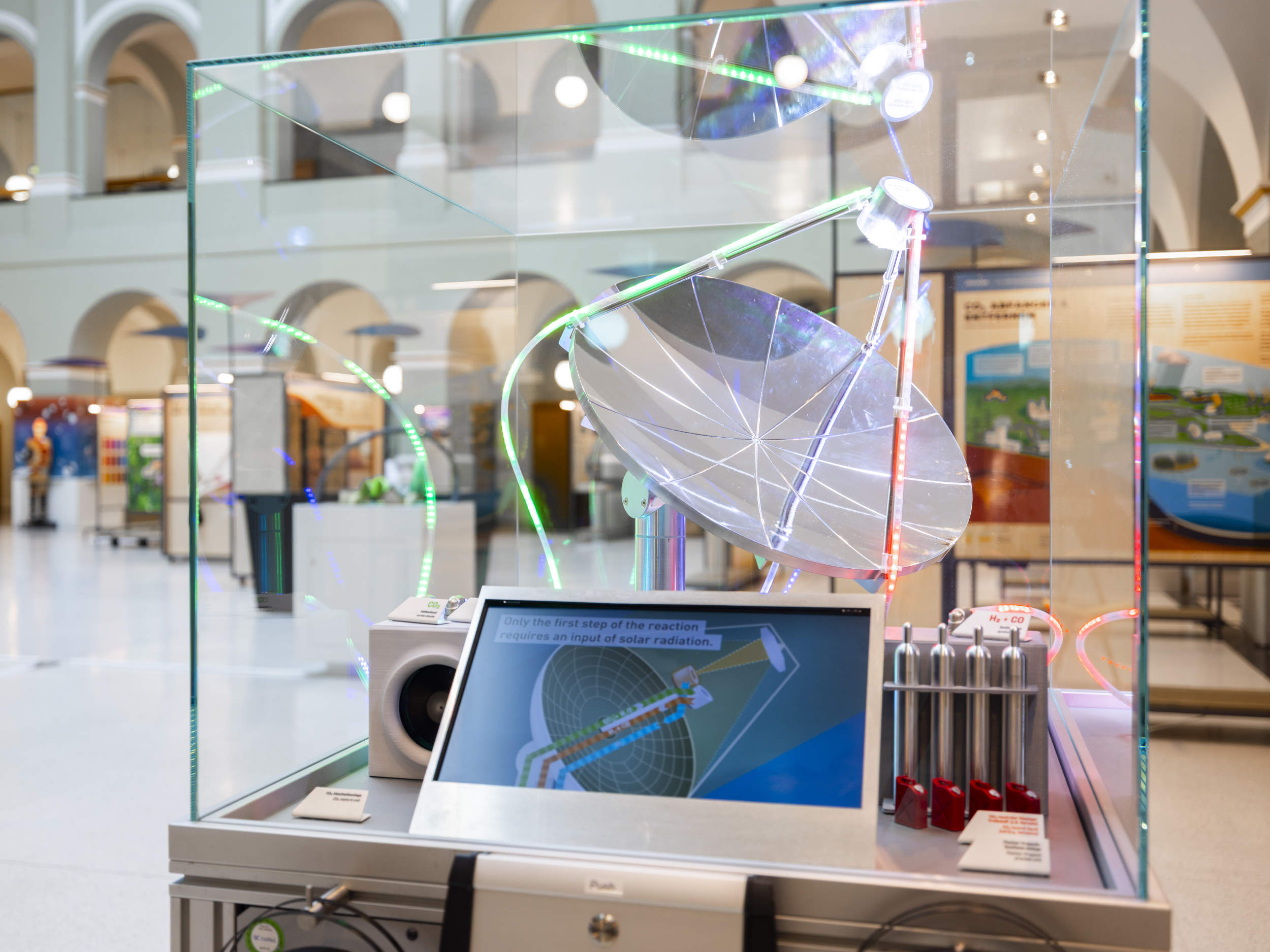
  • CO₂ zum Greifen nah

    How can CO₂ be removed from the atmosphere, stored and converted into useful products? And what are the challenges involved? In this guided tour through the KEEP IT CO₂OL exhibition in focusTerra, you will discover a new interactive exhibit developed by the Mining the Atmosphere research initiative. Empa, AATB and focusTerra demonstrate how researchers are […]

  • When mountains start to move

    The Blatten landslide in May 2025 shocked Switzerland. Millions of cubic metres of rock, ice and debris thundered into the valley, burying large parts of the village. But how can we predict how far these masses will flow, and why? In this workshop, you will discover how researchers at ETH Zurich, WSL and other institutions […]

  • Quantum light from quantum dots

    Light is wonderful. It drives life on earth, travels at record (light) speed, and sunlight can sometimes even make us happy. But what is light made of? And how can it help shape the technologies of the future? In this hands-on workshop, you will explore the fascinating world of light through a series of interactive […]

  • Wenn Wissen Form annimmt

    How can scientific ideas and concepts be made visible and easier to understand? The exhibition at extract presents more than 500 historical and contemporary teaching and research models from the scientific collections of ETH Zurich and the University of Zurich – many of them on public display for the first time. Discover mathematical plaster models, […]

  • Root detectives: discovering the hidden half of plants

    What happens beneath our feet when plants grow? Become a root detective and explore the hidden world underground! In this hands-on workshop, children will discover the amazing variety of plant roots and learn how they help plants find water and nutrients, anchor themselves in the soil and survive in different environments. By observing real roots […]

  • Thermal Justice: a serious game

    Who suffers most when cities get hotter? And how can we make cities not only cooler, but fairer? In this interactive workshop you will play the Thermal Justice board game, developed by researchers at ETH Zurich and Eawag: a fun and interactive way to explore how buildings, streets, trees, energy systems, and social inequalities shape […]

  • Understanding Suicidal Tendencies: Myths, Facts, and Digital Approaches to Prevention

    Suicidal tendencies affect many people and is often misunderstood. In this interactive workshop, researchers from the University of Zurich will work with participants to challenge common myths and shed light on the latest scientific findings. Through case studies, discussions, and practical exercises, participants will learn how suicidal ideation is studied, what warning, risk, and protective […]

  • Knallegra – Willkommen bei Professor und Profesora Bummbastic

    Rings of smoke fly through the air, clouds seem to appear out of nowhere, and laser beams produce sounds. Raphael Oldani and Elena Santana, alias ‘Professor and Profesora Bummbastic’, take young and old alike on a fascinating journey through scientific phenomena. Joining them is the humanoid robot NAO. Children are invited to join in and […]

  • Atlas der Schweiz – entdecken Sie die Vielfalt des Landes!

    Where can you find rope courses in Switzerland? And how long have they been around? Where in Switzerland are snowboards manufactured, and which brands are involved? In which Swiss municipalities are watches manufactured, and how many people work in this industry? The web version of the Atlas of Switzerland offers a wealth of information on […]

  • Meditate like Marina Abramović

    What happens when we use meditation to put ourselves into a special state of mind? Drawing on her own experience as a performance artist, Marina Abramović has developed a meditation method and converted a former school bus into a mobile exhibition space featuring a meditation capsule. Inside, visitors can step away from the fast pace […]

  • How we spy on molecules to design better materials

    How can scientists observe objects that are far too small to see with the naked eye? And how does this help them develop new materials for medicine, technology and sustainability? On this interactive laboratory tour, you will discover how researchers in the Macromolecular Engineering Lab study the molecular world. Although molecules are tiny, only a […]

  • Soils, humans and climate

    How are soils connected to climate change? And why do our actions influence the ground beneath our feet? This guided tour begins in the KEEP IT CO2OL exhibition at focusTerra, where impressive soil monoliths reveal how agriculture and forestry have degraded soils over time. As you continue through the exhibition, you will discover how human […]

  • The Chromosome That Fell Asleep

    Once upon a time, deep within the world of Embryon, there was a loud and lively city called Cellula, where proteins rushed about, vesicles drifted and everything moved in perfect harmony. Everything – except Cromixi, a colorful creature trapped in sleep by an ancient spell. Who cast it, and why? And more importantly: could the […]

  • Wie wir schriftlich kommunizieren

    How did people write in the past—and how has email changed things? The history of letter and email communication in the 19th and 20th centuries shows how closely materials, technology, and communication culture are intertwined: from paper, stamps, and postal routes to input forms, servers, and digital archives. Historical letter formats and early email exchanges […]

  • Autismus besser verstehen

    How do people with autism perceive the world? People with autism often experience the world differently and show differences for example in perception, communication, and social interaction. Researchers are investigating the biological mechanisms underlying these differences and suppose that sensory input is filtered to a lesser extent, causing some information to be perceived as more […]

  • Was wissen TikTok und YouTube über mich? Analysiere Deine Social Media Nutzung

    Social media platforms like TikTok and YouTube shape our everyday lives. With every video and every “like,” these platforms collect data and create a personalized “digital meal.” In this workshop, we’ll show you what data is stored about you and how you can access it. Using the online tool “My Digital Meal,” you can analyze […]

  • Deepfakes: Blurring Fact and Fiction

    Deepfakes are synthetic media – usually video, audio or images – created with generative AI to imitate a real person, voice, scene or action.   They can appear so convincing that they become difficult to distinguish from captured reality. How are deepfakes created and shared? How can they be detected? And what technical and societal […]

  • Überraschende Klänge: Das musikalische Leben in Frauenklöstern

    When one thinks of monastic music, Gregorian chants often come to mind. But monastic music did not end with the Middle Ages. This presentation sheds light on musical life in women’s monasteries during this century and the last. The Schola of the Institute of Musicology will perform specific works to accompany the lecture. In Switzerland […]

  • IMMERSE: Explore. Play. Learn.

    What if you could step inside the human body, explore virtual worlds, or interact with digital objects using your own hands? This hands-on workshop introduces Virtual Reality (VR), Augmented Reality (AR), and Artificial Intelligence (AI) and their growing role in science and education. Participants will explore applications such as immersive anatomy, VR training, haptic simulations, […]

  • Mineralien erforschen

    Dive into the fascinating world of minerals! In this exciting workshop, children aged 8 and over will discover a wide variety of minerals and their unique properties through hands-on activity stations and an engaging guided tour of the focusTerra permanent exhibition. Participants will gain a first insight into methods used to identify minerals and will […]

  • When mountains start to move

    The Blatten landslide in May 2025 shocked Switzerland. Millions of cubic metres of rock, ice and debris thundered into the valley, burying large parts of the village. But how can we predict how far these masses will flow, and why? In this workshop, you will discover how researchers at ETH Zurich, WSL and other institutions […]

  • Quantum light from quantum dots

    Light is wonderful. It drives life on earth, travels at record (light) speed, and sunlight can sometimes even make us happy. But what is light made of? And how can it help shape the technologies of the future? In this hands-on workshop, you will explore the fascinating world of light through a series of interactive […]

  • Wenn Wissen Form annimmt

    How can scientific ideas and concepts be made visible and easier to understand? The exhibition at extract presents more than 500 historical and contemporary teaching and research models from the scientific collections of ETH Zurich and the University of Zurich – many of them on public display for the first time. Discover mathematical plaster models, […]

  • Entwicklungszusammenarbeit mit Wirkung?

    Over the past few decades, the number of people living in extreme poverty worldwide has declined sharply. In 1990around 30% of the global population was living in extreme poverty. Today that figure has fallen to about10%. At the same time life expectancy has increased and access to education and healthcare has improved significantly. International cooperation […]

  • «Geheimarchiv» für Eingeweihte – Wissensspeicher für alle?

    What belongs in an archive – and what does not? Who decides which documents, personal papers and historical testimonies should be preserved for future generations? And how can historical records lead to new insights? On this guided tour, you will gain insights into the work of the Archives of Contemporary History (AfZ), which collects, preserves […]

  • Hands-On Surgery: Explore, Experience and Understand

    What’s it like to work in an operating room? The team of the OR-X, the surgical research and training center of the Balgrist University Hospital and the University of Zurich, invites children and families to discover the world of modern surgery. At three interactive stations, children and teens ages 8 to 16 can get hands-on […]

  • Robots for good: how robots could support learning and wellbeing

    Can robots help us learn, communicate or improve our wellbeing? In this interactive workshop, you will discover how researchers at ETH Zurich are exploring the future of social robots and other intelligent technologies. Meet a social robot, experience virtual reality and take part in hands-on activities that show how robots could support children, education and […]

  • Wissen, Raten, Gewinnen – das Quiz für die ganze Familie

    The Scientifica quiz is all about tricky questions and is open to the whole family. Children and parents can put the knowledge they’ve gained at Scientifica to the test as contestants. Of course, they can also take a guess or seek advice from the audience by using their joker. Presenter Stefan Flury ensures plenty of […]

  • Magic Cube – Faszination Elektrotechnik

    It all begins with a storm: Lightning strikes the Magic Cube, a mysterious geometric object. The entire power supply of the parallel world “Elektron” goes down. Electric cars, factories, microscopes, streetlights—everything is broken and shut down. Workshop participants work in teams to solve specific, hands-on tasks to help the people of Elektron. The Magic Cube […]

  • Morph Tales – Künstliche Intelligenz entdecken

    The Morph Tales workshop introduces children and teens to artificial intelligence in a playful way. It focuses on questions such as: What is an algorithm? How does AI learn? And how can we use AI responsibly? The workshop is based on the digital game Morph Tales. The Morphs that appear in the game—small, eager-to-learn characters—represent […]

  • Atlas of Switzerland – discover the country’s diversity!

    Where can you find rope courses in Switzerland? And how long have they been around? Where in Switzerland are snowboards manufactured, and which brands are involved? In which Swiss municipalities are watches manufactured, and how many people work in this industry? The web version of the Atlas of Switzerland offers a wealth of information on […]

  • Meet Stanley: when AI gets emotional

    How many times have you asked Alexa, Siri, or ChatGPT the same question? No matter how often we repeat ourselves, today's AI assistants stay polite, patient, and helpful. But what if an AI became sarcastic, challenged your opinion or pointed out that you had already asked the same question three times? Meet Stanley, an experimental […]

  • Meditate like Marina Abramović

    What happens when we use meditation to put ourselves into a special state of mind? Drawing on her own experience as a performance artist, Marina Abramović has developed a meditation method and converted a former school bus into a mobile exhibition space featuring a meditation capsule. Inside, visitors can step away from the fast pace […]

  • How we spy on molecules to design better materials

    How can scientists observe objects that are far too small to see with the naked eye? And how does this help them develop new materials for medicine, technology and sustainability? On this interactive laboratory tour, you will discover how researchers in the Macromolecular Engineering Lab study the molecular world. Although molecules are tiny, only a […]

  • Kann KI die Gesellschaft lenken?

    We’re all familiar with the catchphrases: “Big Data is the new oil” and “Artificial Intelligence (AI) is the new engine”. Furthermore, AI is considered “our final invention” and heralds the “second machine age”. But what does that actually mean? Where are we headed? How will our society and our lives change? Concepts such as Society […]

  • Wenn Medizin Recht braucht

    Today, modern medicine is capable of more than ever before: personalized therapies, artificial intelligence, and human research. But who decides what is permissible? Who protects patients? And how can the law enable medical innovation rather than merely restricting it? Using easy-to-understand examples, this book illustrates how medicine, law, and ethics work together to generate knowledge—and […]

  • Steckt Leben im Licht fremder Welten?

    Is there life on worlds that are light-years away? To find out, we don’t have to travel there—often, a close look at the light is enough. Researchers use the faint light from distant exoplanets to find clues about their atmospheres, composition, and potential conditions for life. This is also the approach of the planned LIFE […]

  • Autismus besser verstehen

    How do people with autism perceive the world? People with autism often experience the world differently and show differences for example in perception, communication, and social interaction. Researchers are investigating the biological mechanisms underlying these differences and suppose that sensory input is filtered to a lesser extent, causing some information to be perceived as more […]

  • Die Anatomische Sammlung der Haustiere entdecken

    How do we gain knowledge about the bodies of animals? On this guided tour, you will discover ETH Zurich’s Anatomical Collection of Domestic Animals, which has been used for teaching and research for more than 150 years. It contains an extraordinary collection of skeletons, preserved specimens, and both historical and modern models. Using selected exhibits, […]

  • KEEP IT CO₂OL – Rettet uns High-Tech?

    Why is the Earth getting warmer? And what does the gas CO₂ have to do with it? On this family tour, we will explore these questions together. Through exciting experiments, you will discover what CO₂ actually is, how it moves through nature and why too much of it can change the climate. Along the way, […]

  • MAGIE: Mensch oder KI – wer erzählt die Märchen von morgen?

    Once upon a time, there was a fairy tale that was constantly being reinvented. That’s how the story of MAGIE (Fairy Tales as Points of Reference for Shaping Individual Development Patterns) might begin. Because the MAGIE project keeps fairy tales alive and retells them again and again: During “MAGIE Storytime,” we read modern adaptations of […]

  • When mountains start to move

    The Blatten landslide in May 2025 shocked Switzerland. Millions of cubic metres of rock, ice and debris thundered into the valley, burying large parts of the village. But how can we predict how far these masses will flow, and why? In this workshop, you will discover how researchers at ETH Zurich, WSL and other institutions […]

  • Quantum light from quantum dots

    Light is wonderful. It drives life on earth, travels at record (light) speed, and sunlight can sometimes even make us happy. But what is light made of? And how can it help shape the technologies of the future? In this hands-on workshop, you will explore the fascinating world of light through a series of interactive […]

  • Wenn Wissen Form annimmt

    How can scientific ideas and concepts be made visible and easier to understand? The exhibition at extract presents more than 500 historical and contemporary teaching and research models from the scientific collections of ETH Zurich and the University of Zurich – many of them on public display for the first time. Discover mathematical plaster models, […]

  • Knallegra – Willkommen bei Professor und Profesora Bummbastic

    Rings of smoke fly through the air, clouds seem to appear out of nowhere, and laser beams produce sounds. Raphael Oldani and Elena Santana, alias ‘Professor and Profesora Bummbastic’, take young and old alike on a fascinating journey through scientific phenomena. Joining them is the humanoid robot NAO. Children are invited to join in and […]

  • Meet Stanley: when AI gets emotional

    How many times have you asked Alexa, Siri, or ChatGPT the same question? No matter how often we repeat ourselves, today's AI assistants stay polite, patient, and helpful. But what if an AI became sarcastic, challenged your opinion or pointed out that you had already asked the same question three times? Meet Stanley, an experimental […]

  • Meditate like Marina Abramović

    What happens when we use meditation to put ourselves into a special state of mind? Drawing on her own experience as a performance artist, Marina Abramović has developed a meditation method and converted a former school bus into a mobile exhibition space featuring a meditation capsule. Inside, visitors can step away from the fast pace […]

  • From Wild Plant to Edible Cereal

    How do scientists transform an unknown plant into a potential future crop? Using orphan crops such as marama bean, an African legume, this talk follows the step-by-step process of building scientific knowledge: from the first field observations and questions, to studying germination, reproduction, and genetics, and finally developing tools for crop improvement. Discover how curiosity-driven […]

  • Warum die Medizin Tierversuche braucht

    Animal testing has made many medical advances possible—from cancer research to the treatment of brain disorders. At the same time, animal research in Switzerland faces intense pressure to justify its use. Historical milestones and current examples from the neurosciences clearly illustrate the role that animal models play in basic biomedical research. This lecture offers young […]

  • Als Patient:in selbstbestimmt entscheiden

    Modern medicine offers many possibilities. However, patients can only make informed decisions when they are well-informed. How much medical knowledge is needed to consent to—or refuse—a treatment? The focus is on the questions of what doctors must explain, what knowledge patients need to make effective decisions, and how informed consent, advance directives, and electronic health […]

  • Autismus besser verstehen

    How do people with autism perceive the world? People with autism often experience the world differently and show differences for example in perception, communication, and social interaction. Researchers are investigating the biological mechanisms underlying these differences and suppose that sensory input is filtered to a lesser extent, causing some information to be perceived as more […]

  • Jugendführung «KEEP IT CO₂OL»

    Climate change affects us all – but what can we do about it? And what roles do new technologies, politics and our own actions play? On this tour, we will learn why reducing CO₂ emissions is so important and explore other ideas that are currently being discussed and developed. Can cars powered by renewable energy, […]

  • MAGIE: Mensch oder KI – wer erzählt die Märchen von morgen?

    Once upon a time, there was a fairy tale that was constantly being reinvented. That’s how the story of MAGIE (Fairy Tales as Points of Reference for Shaping Individual Development Patterns) might begin. Because the MAGIE project keeps fairy tales alive and retells them again and again: During “MAGIE Storytime,” we read modern adaptations of […]

  • Science Slam – ihr bestimmt, wer gewinnt

    Who will present their research topic in the most surprising, funniest or most understandable way? Participants in the Science Slam have 10 minutes to convince the audience of their research work. Any aids are permitted. Jasmin Barman, Mehmet Aksözen, Simon Hauser and others are vying for your favour. You decide who leaves the stage as […]

  • Not-so-Late Show: Gemeinsam in Bildung und Tech

    Welcome to a live panel show where research meets politics and inclusion is the main focus. Digital technologies are prevalent in higher education, from lecture recordings and accessibility tools to learning platforms, apps, and, yes, AI. While technology can open doors for students with disabilities, it also creates new challenges. In this show, guests from […]

  • When mountains start to move

    The Blatten landslide in May 2025 shocked Switzerland. Millions of cubic metres of rock, ice and debris thundered into the valley, burying large parts of the village. But how can we predict how far these masses will flow, and why? In this workshop, you will discover how researchers at ETH Zurich, WSL and other institutions […]