• Spatial planning: Bad city, good landscape?

    Blue Lion, Alte Zentralwäscherei Josefstrasse 219, Zürich, Zürich, Schweiz

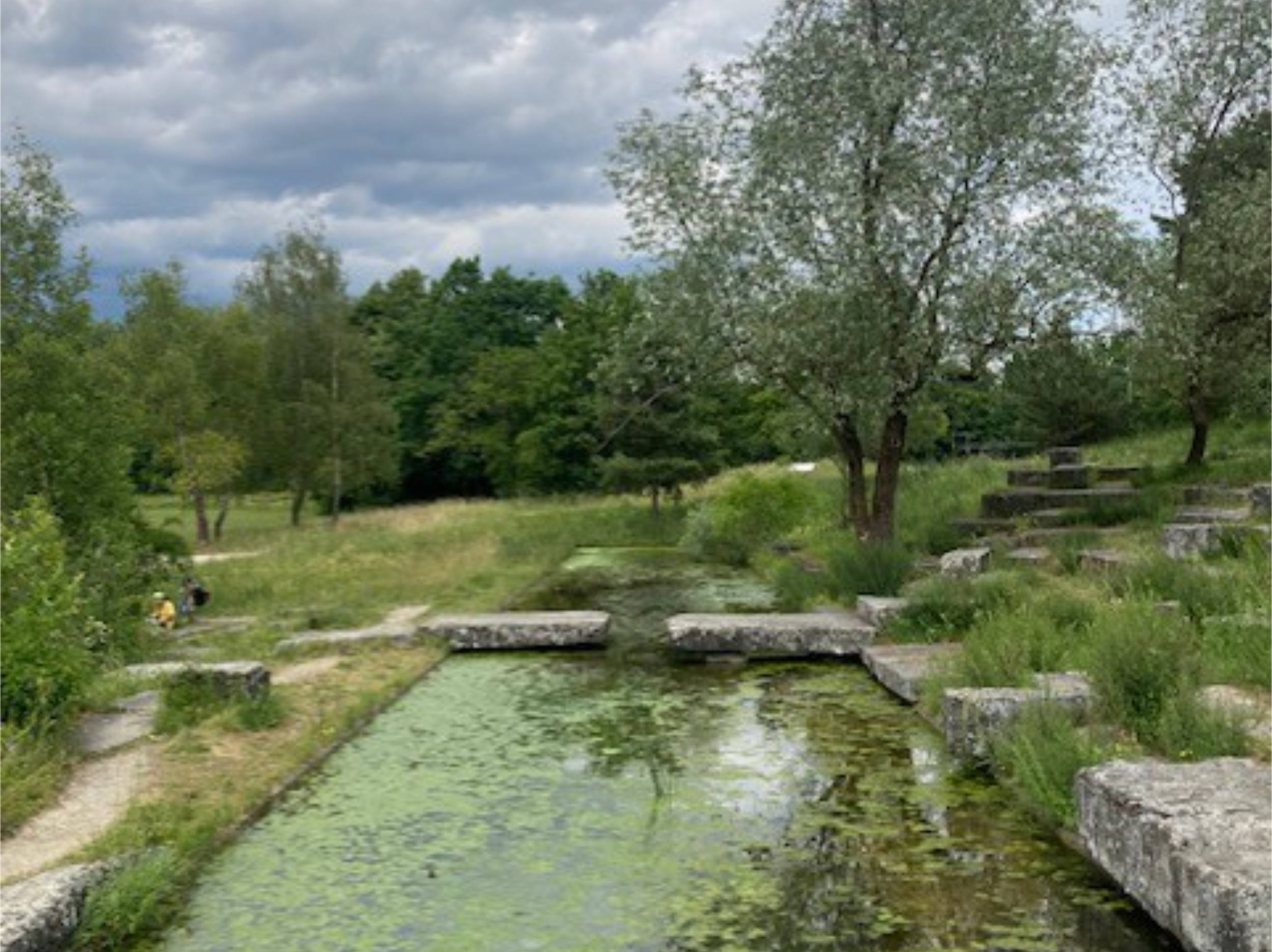
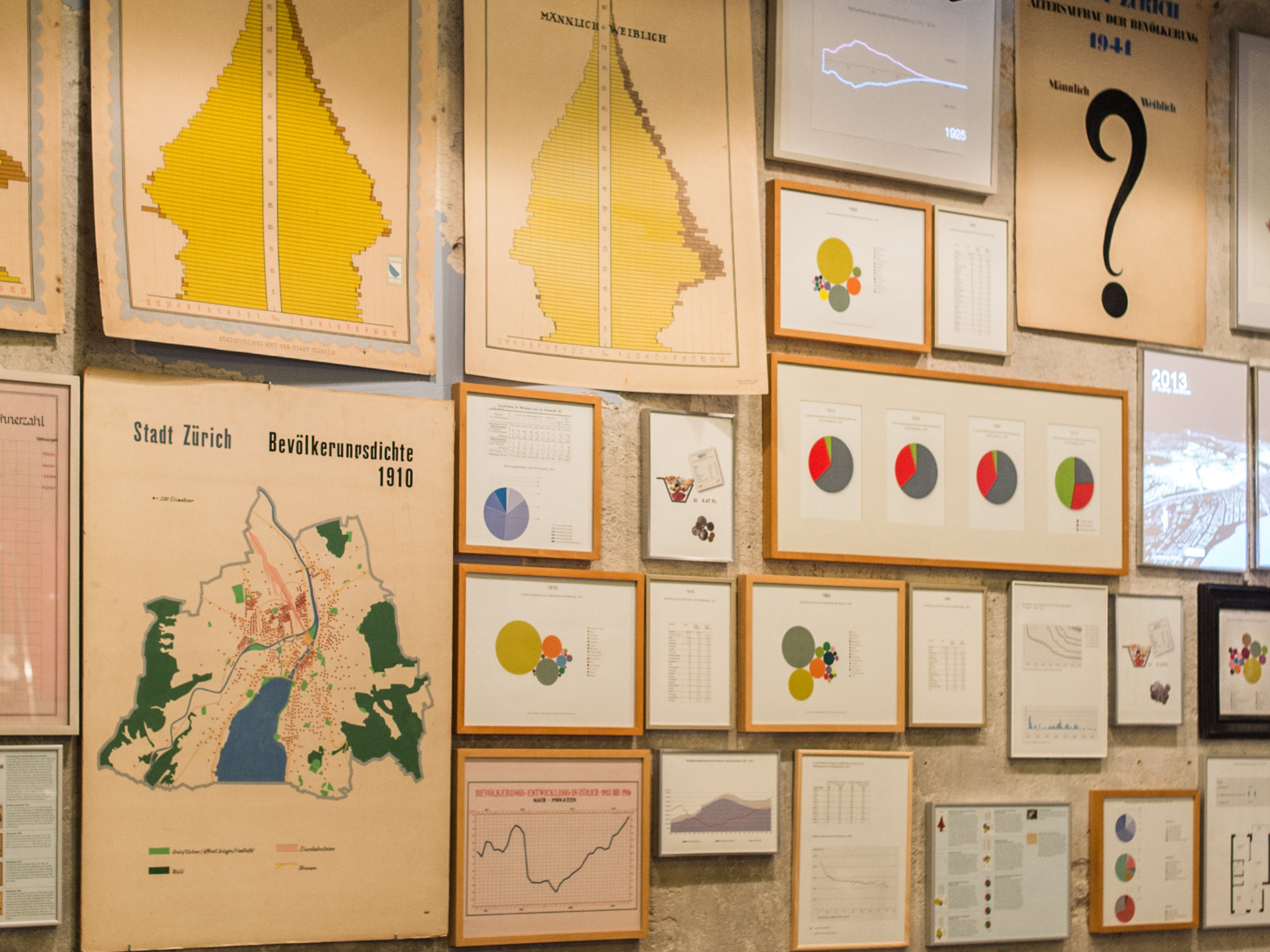
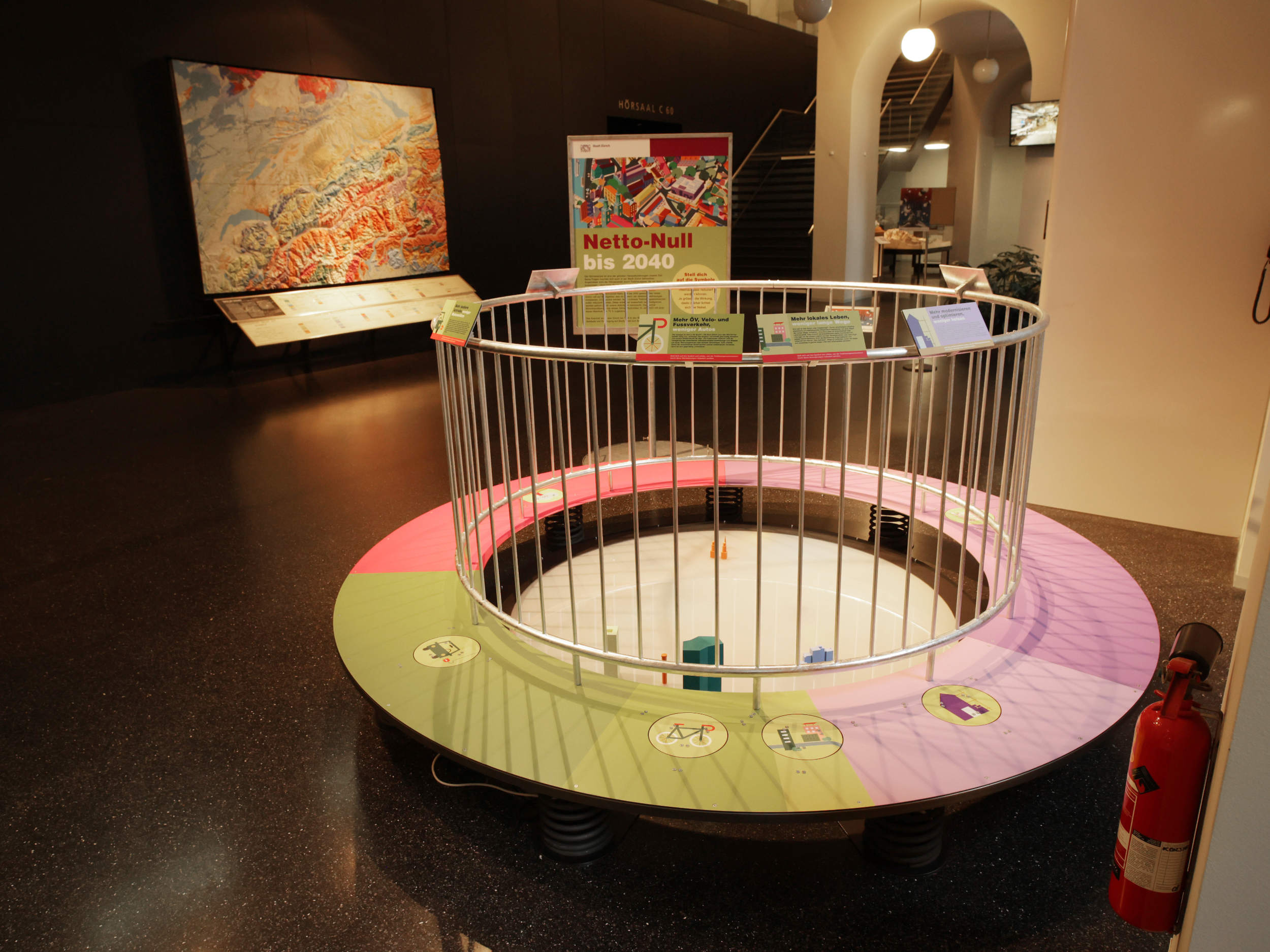
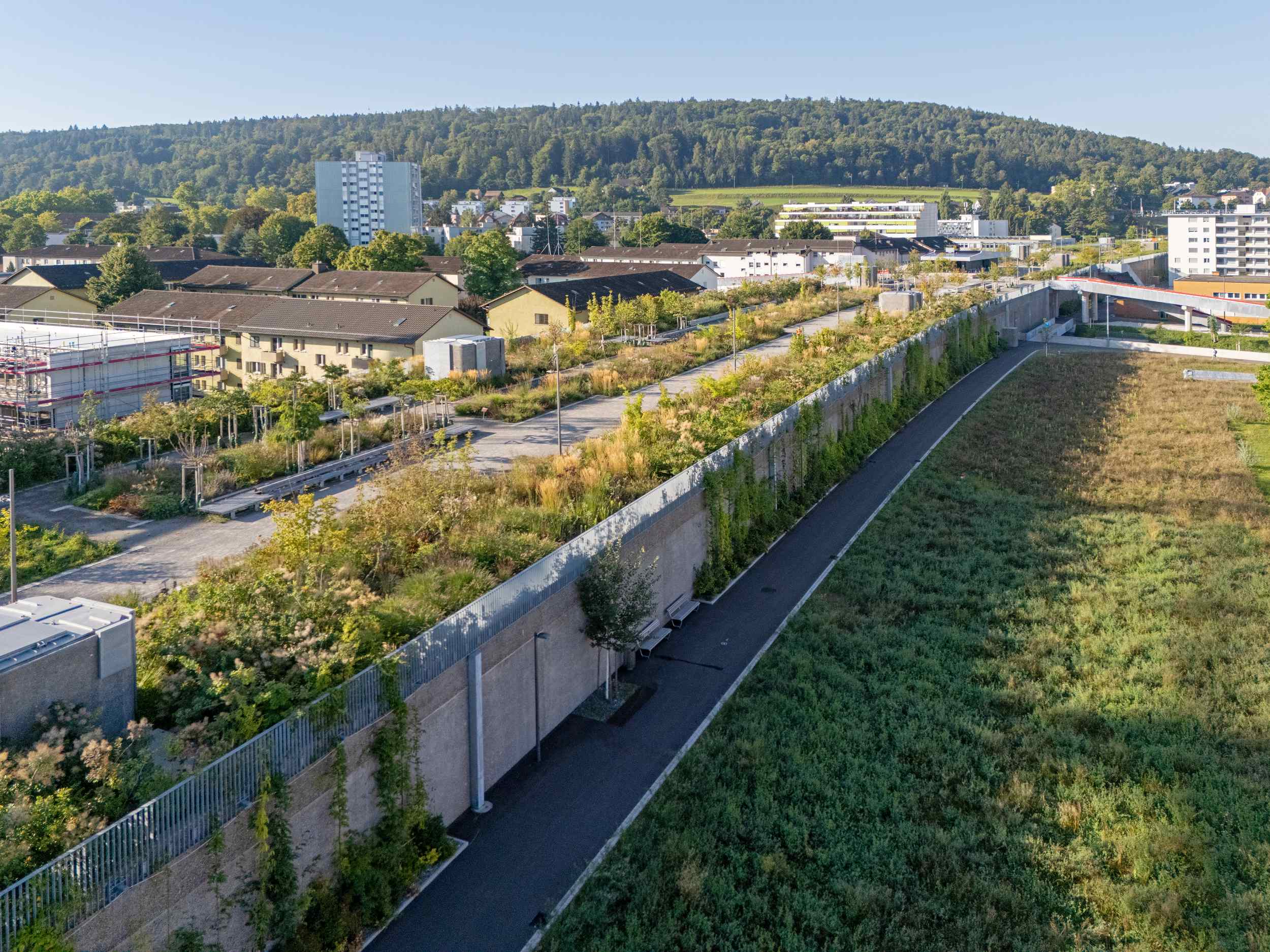
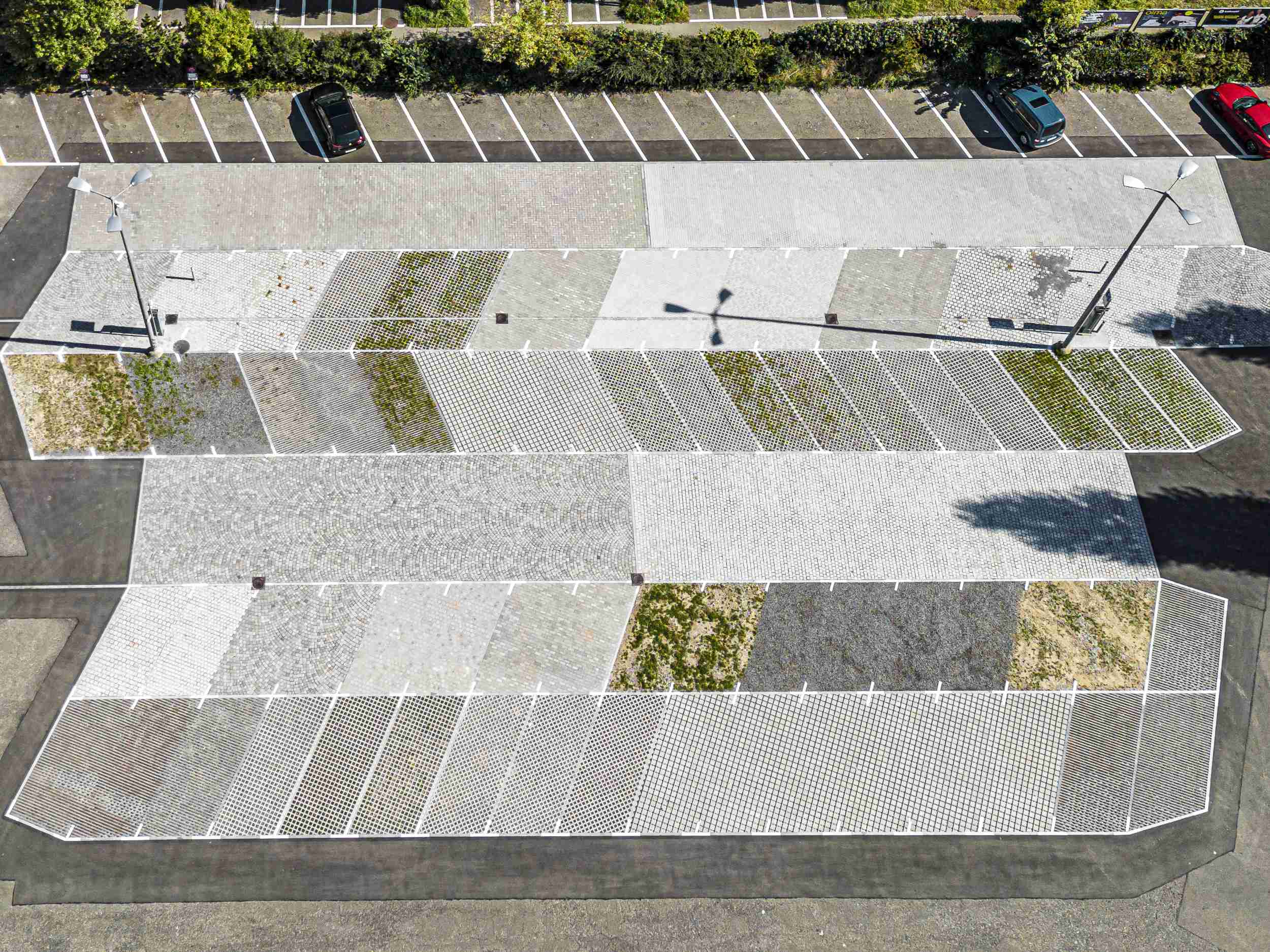
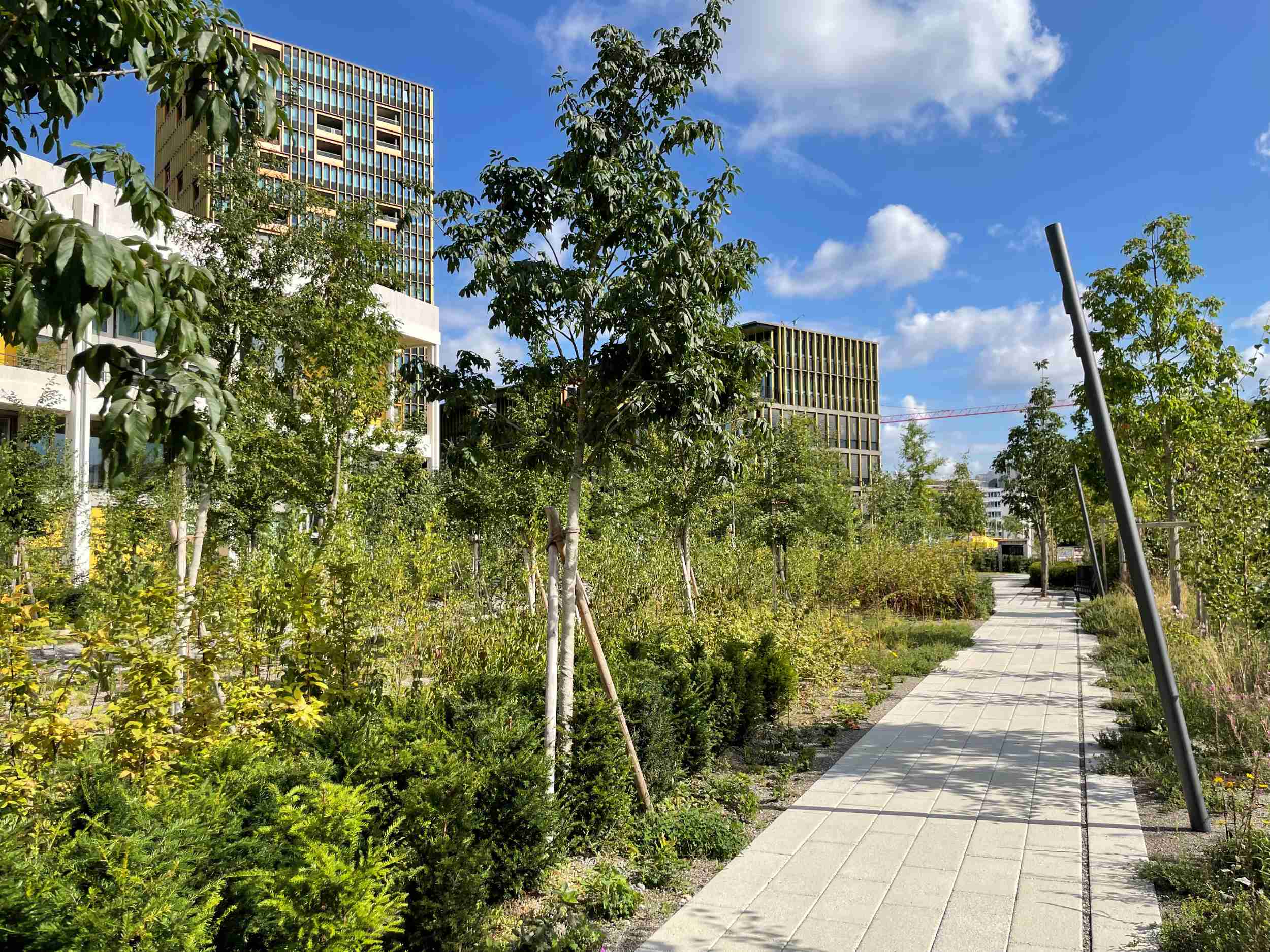
    Swiss Spacial planning? https://youtu.be/Gq0Em2-Tf7w The artificiality of the city makes Johanna Spyri's character Heidi and her friend Clara sick; the nature of the mountain world makes the two girls healthy again. The conflict between the evil city and the good landscape has also shaped Swiss spatial planning since its beginnings in the 1930s. After 1960, […]

  • Learning together and saving lives

    Schulungszentrum USZ Gloriastrasse 19, Zürich, Zürich, Schweiz

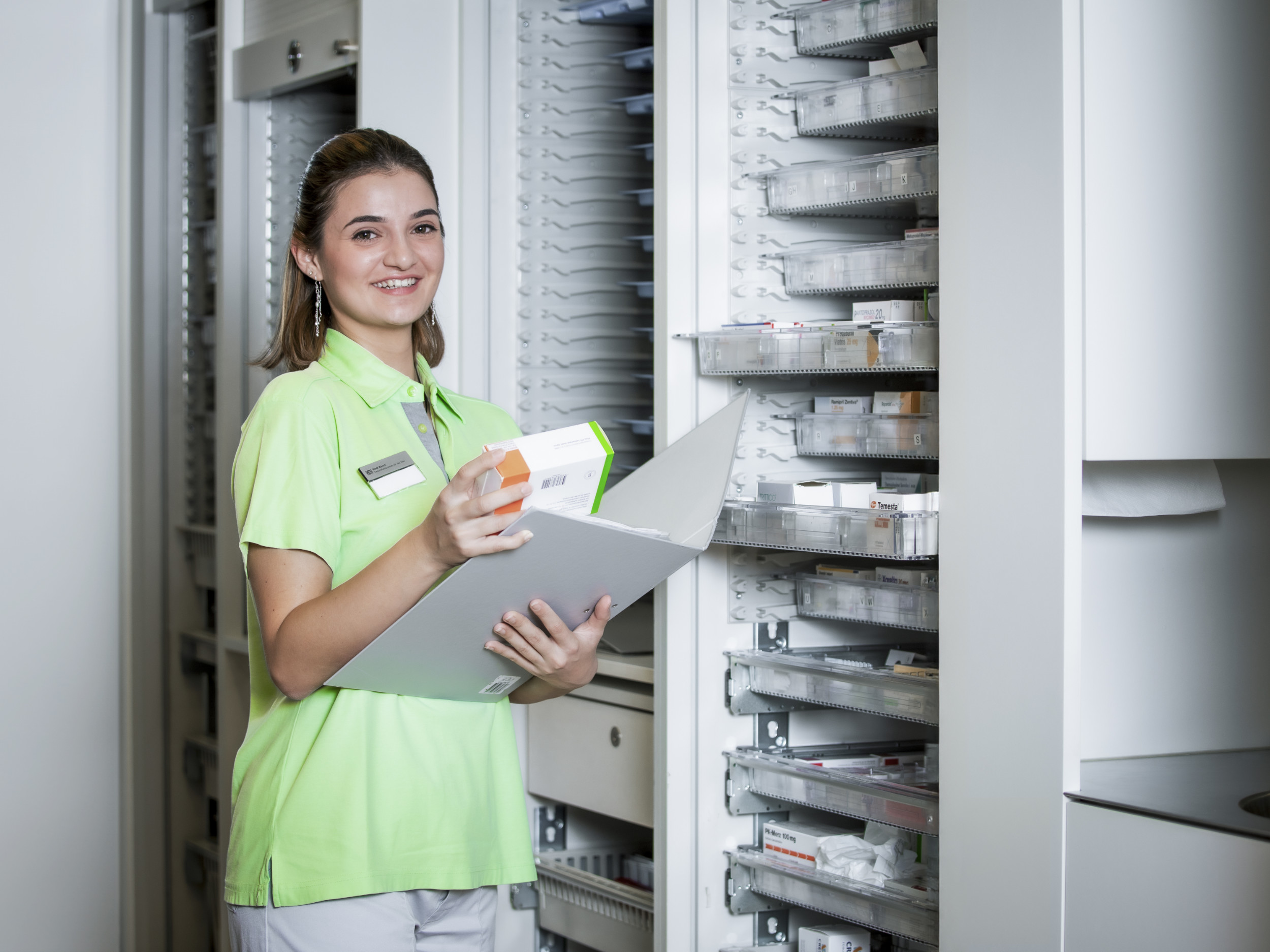
    In this workshop you will get an insight into the Simulation Center at the University Hospital Zurich and the research conducted there. The simulation center offers training for the joint management of complex situations to all employees of the USZ. Employees can practice important teamwork skills in a safe, realistic environment (rather than on patients). […]

  • Die Jungbrunnenformel: Alt ohne Altern?

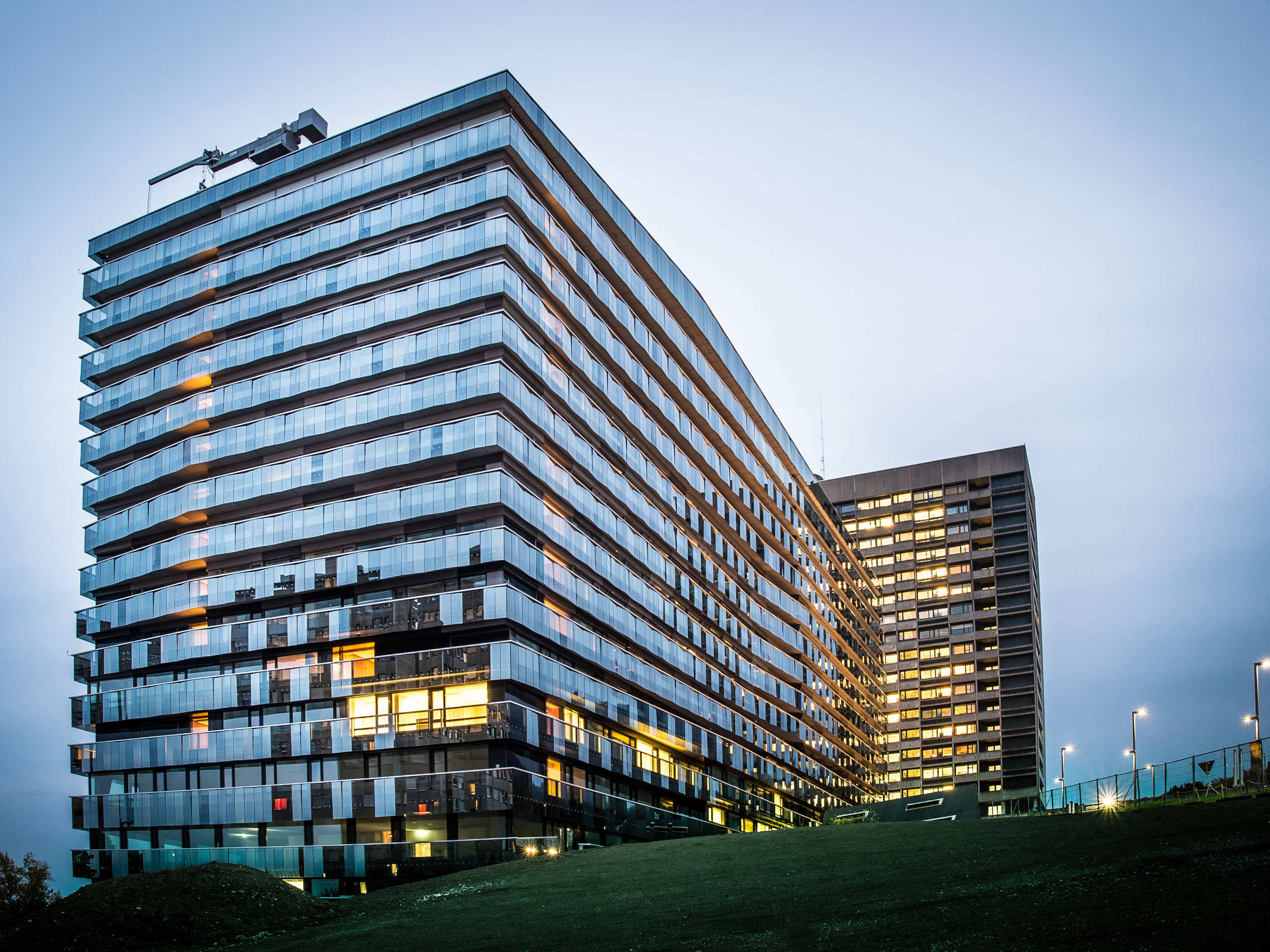
    Panelists: Prof. Dr. med. Heike Bischoff-Ferrari, DrPH, Chief Physician University Clinic for Acute Geriatrics, Clinic Director, Dept. of Aging Medicine, University Hospital and City Hospital Zurich PD Dr. med. Michael Dietrich, Head Traumatologie & Orthopädie Stadtspital Zürich Prof. Dr. med. Markus Manz, Chairman Comprehensive Cancer Center Zürich (CCCZ) Prof. Dr. Dr. med. Frank J. Rühli, Dean […]

  • Experience future forms of public mobility in Zurich

    VBZ Zentralwerkstatt Luggwegstrasse 65, Zürich

    Social and technical megatrends such as the sharing economy, individualization, multimodality, digital booking platforms, electromobility and automated driving are already changing not only our needs and mobility behavior, but also the mobility market. Verkehrsbetriebe Zürich (VBZ) wants to play an active role in shaping these developments and thus offer future-proof solutions. The city of Zurich's […]

  • Future-proof food that tastes good: New products from Zurich start-ups

    Blue Lion, Alte Zentralwäscherei Josefstrasse 219, Zürich, Zürich, Schweiz

    The #MoveTheDate movement, made possible by the Migros Pioneer Fund, makes forward-looking ideas visible. The overriding motivation is to jointly push back the date of the Swiss Overshoot Day. Dr. Mathis Wackernagel, Swiss scientist, calculates the annual "Overshoot Day". According to his concept, on this date the population has used up the available natural resources, […]

  • Drones, sensors and weightlessness: high-tech research in Dübendorf

    Air Force Center, Dübendorf Hangar 9, Überlandstr. 255, Dübendorf

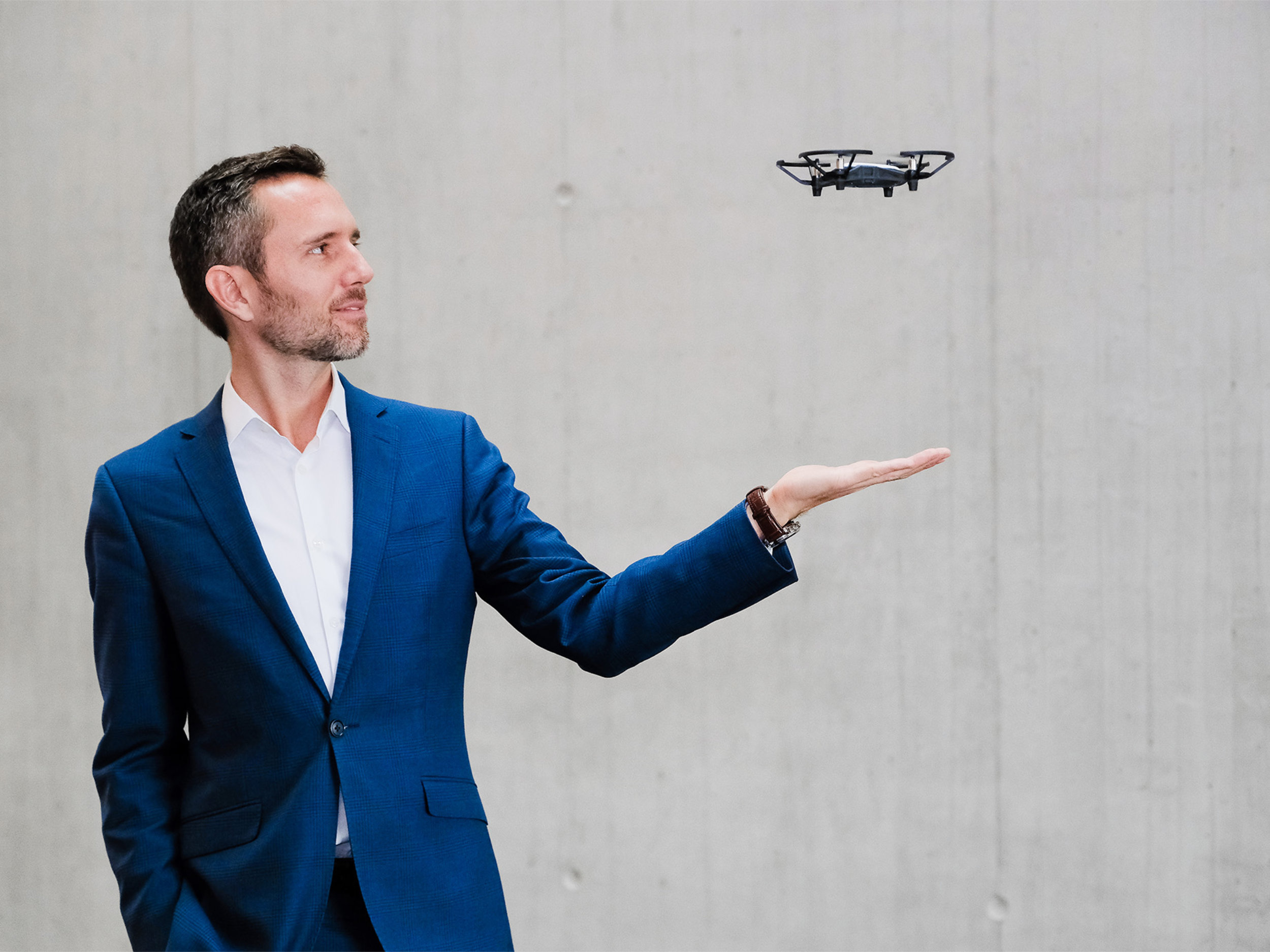
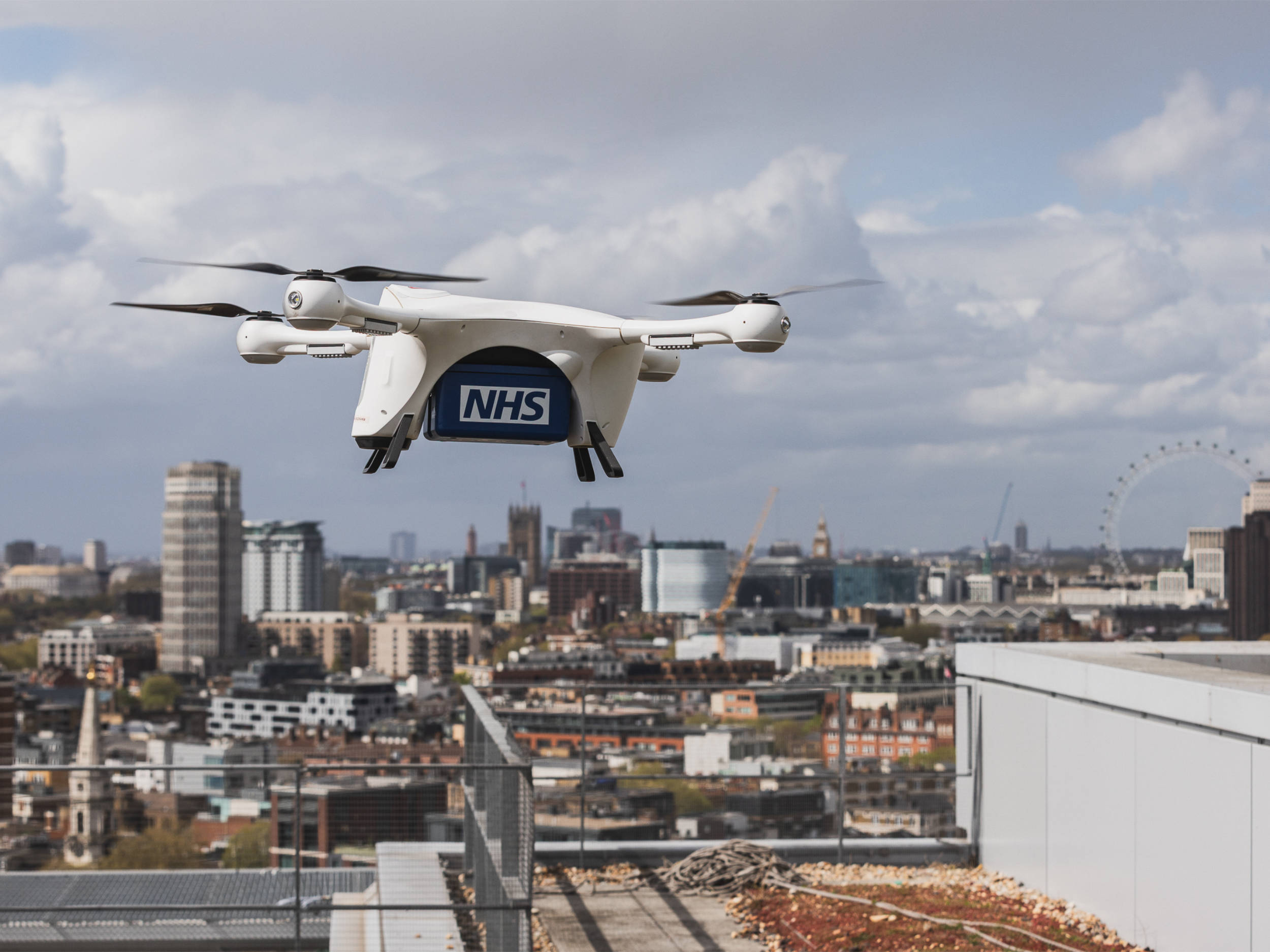
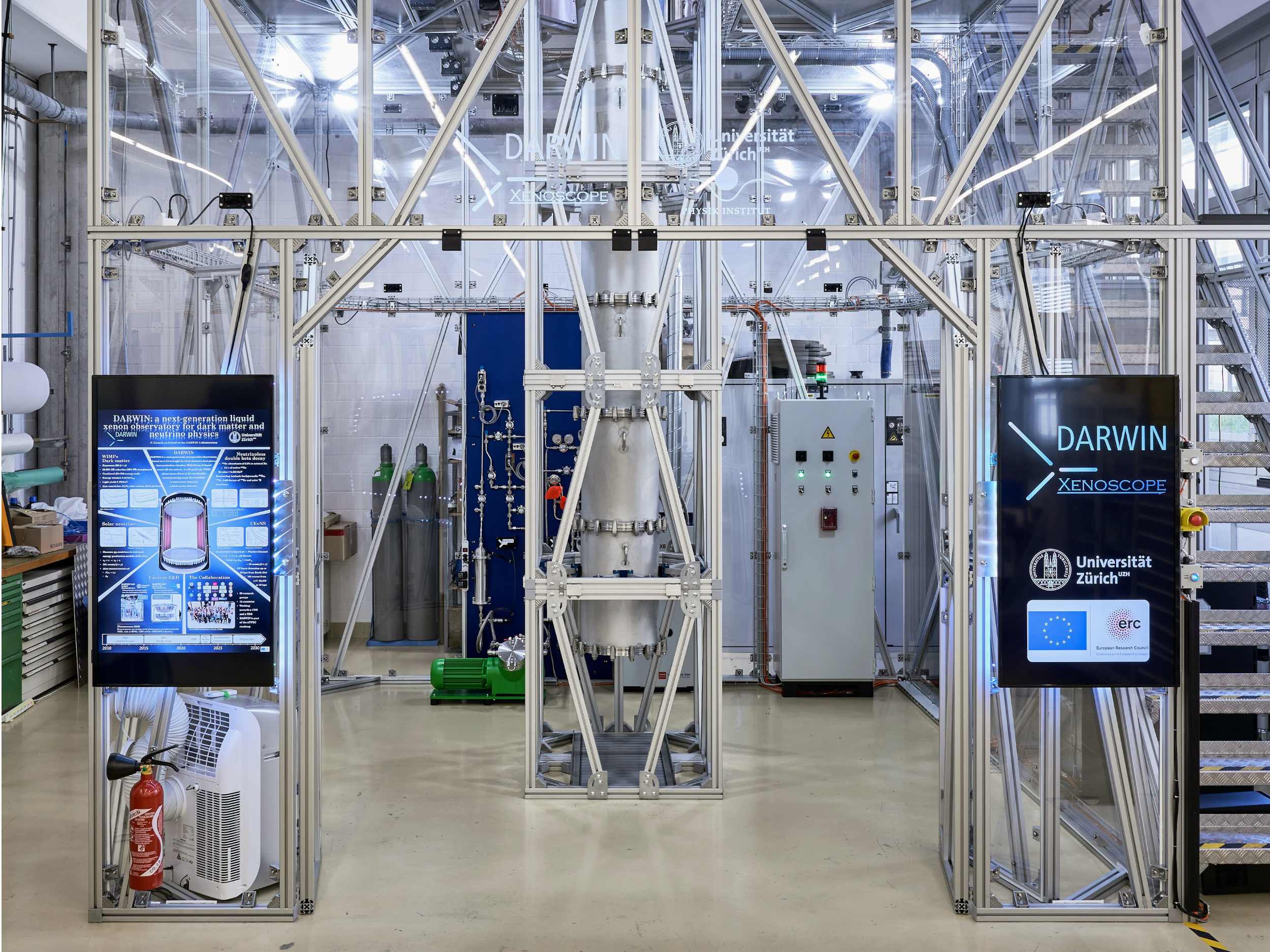
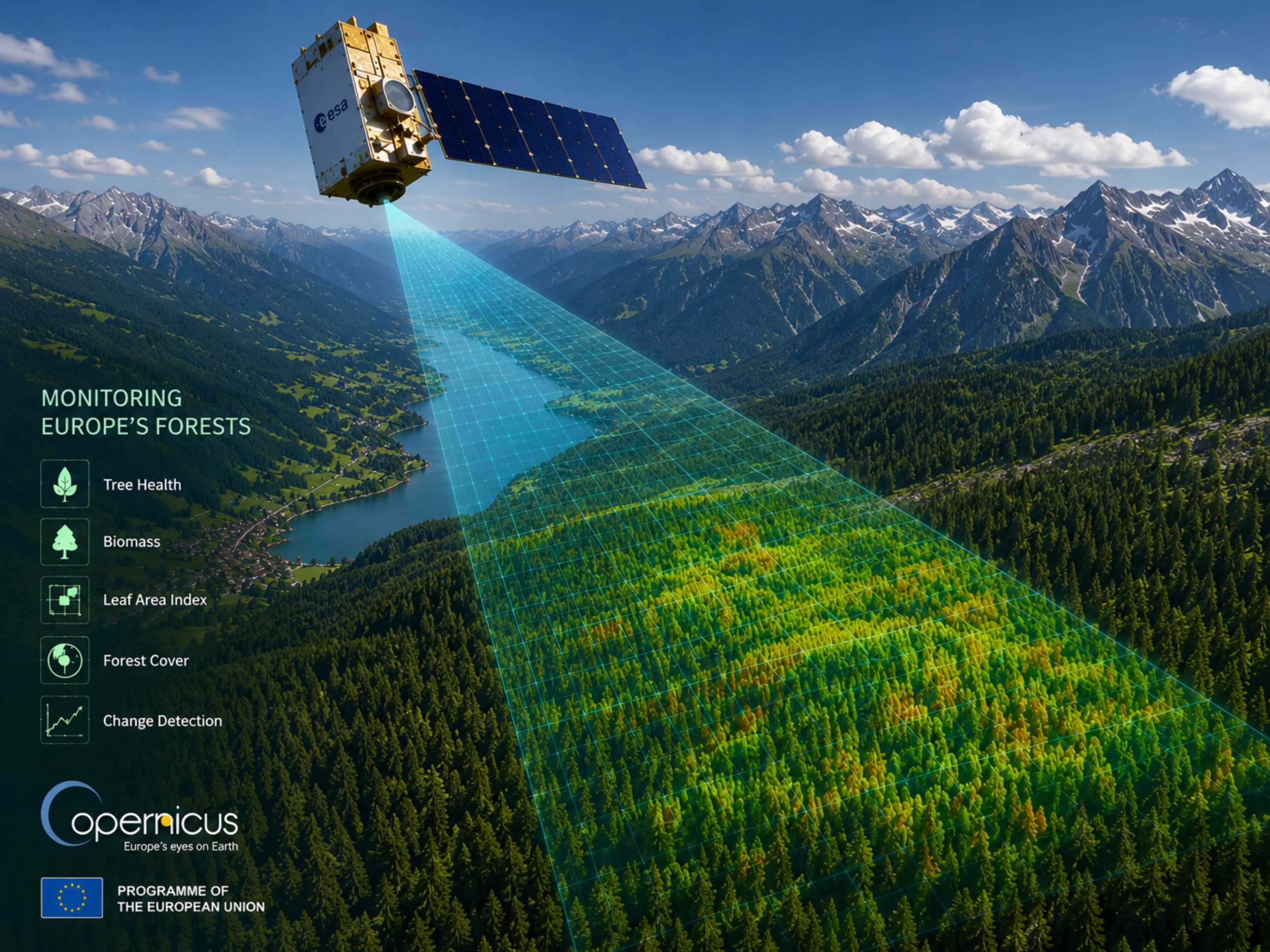
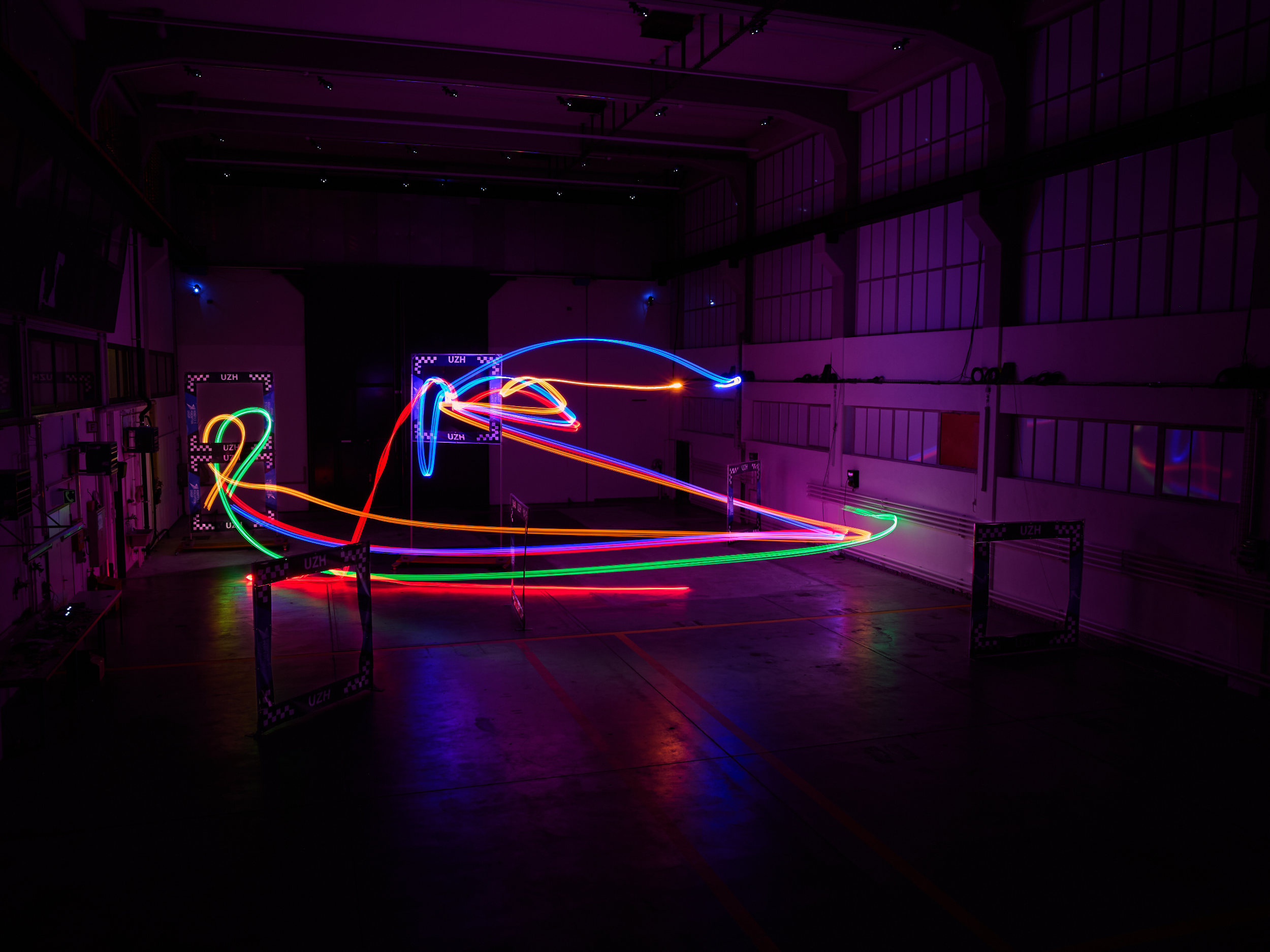
    High-speed drone racing, highly sensitive earth observation sensors and weightlessness in the service of science? The autonomous drones of UZH's Robotics and Perception Group compete for you against the world's best human drone pilots. Find out where autonomous drones will be used in the future, what transport drones from the company Matternet are already doing […]

  • Drones, sensors and weightlessness: high-tech research in Dübendorf

    Air Force Center, Dübendorf Hangar 9, Überlandstr. 255, Dübendorf

    High-speed drone racing, highly sensitive earth observation sensors and weightlessness in the service of science? The autonomous drones of UZH's Robotics and Perception Group compete for you against the world's best human drone pilots. Find out where autonomous drones will be used in the future, what transport drones from the company Matternet are already doing […]

  • Drones, sensors and weightlessness: high-tech research in Dübendorf

    Air Force Center, Dübendorf Hangar 9, Überlandstr. 255, Dübendorf

    High-speed drone racing, highly sensitive earth observation sensors and weightlessness in the service of science? The autonomous drones of UZH's Robotics and Perception Group compete for you against the world's best human drone pilots. Find out where autonomous drones will be used in the future, what transport drones from the company Matternet are already doing […]

  • How do we design micromobility to add value to urban transportation?

    Stadthaus, Musiksaal Stadthausquai 17, Zürich

    They are omnipresent. For some, they are simply in the way; for others, they are a lifesaver on the way home or to the next meeting. We are talking about (e-) bikes, (e-) scooters - all the smallest vehicles used for individual passenger transport. These transport services are summarized under the collective term micromobility. For […]

  • Liveable city: Environment and climate in Zurich

    Blue Lion, Alte Zentralwäscherei Josefstrasse 219, Zürich, Zürich, Schweiz

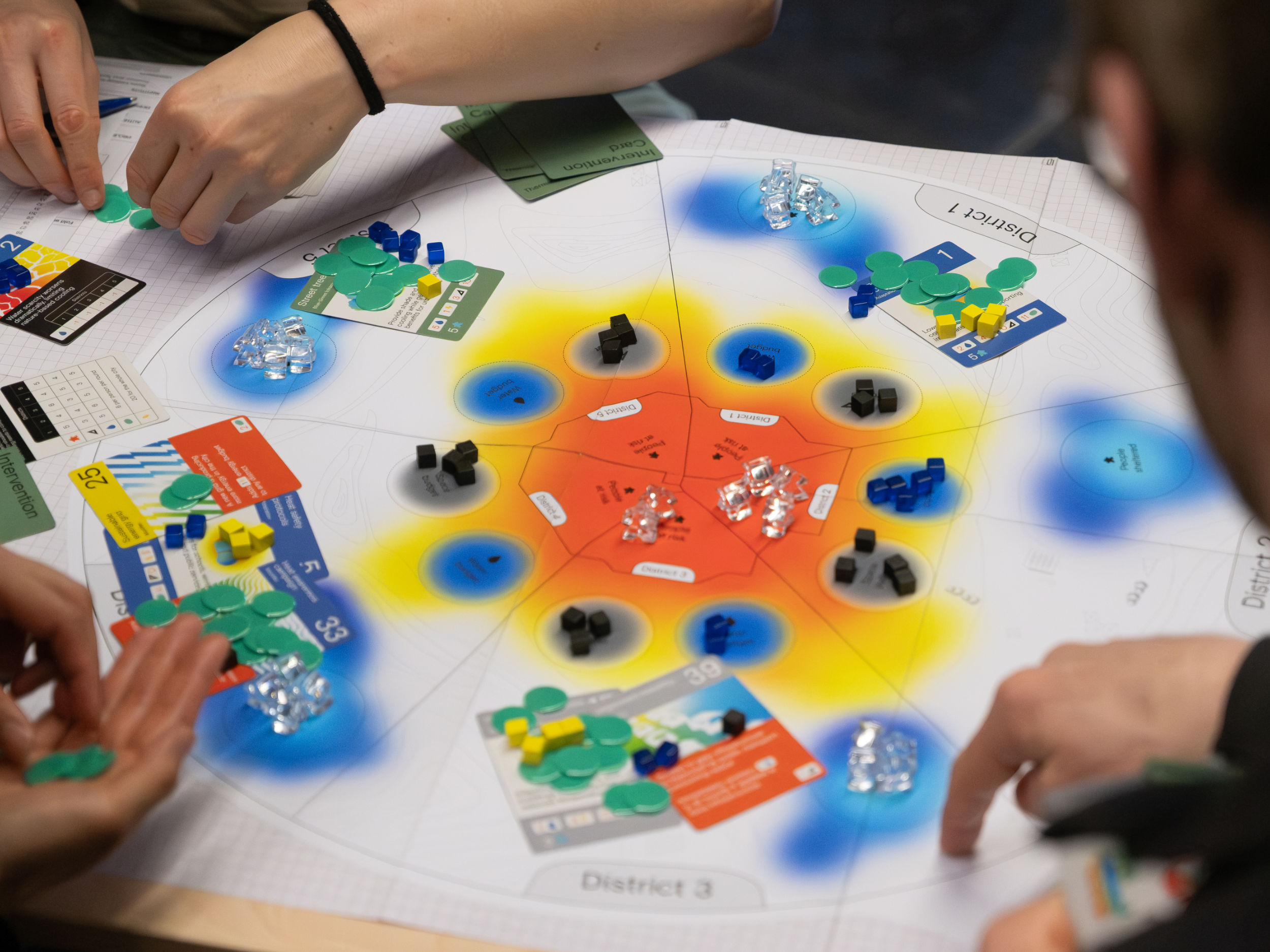
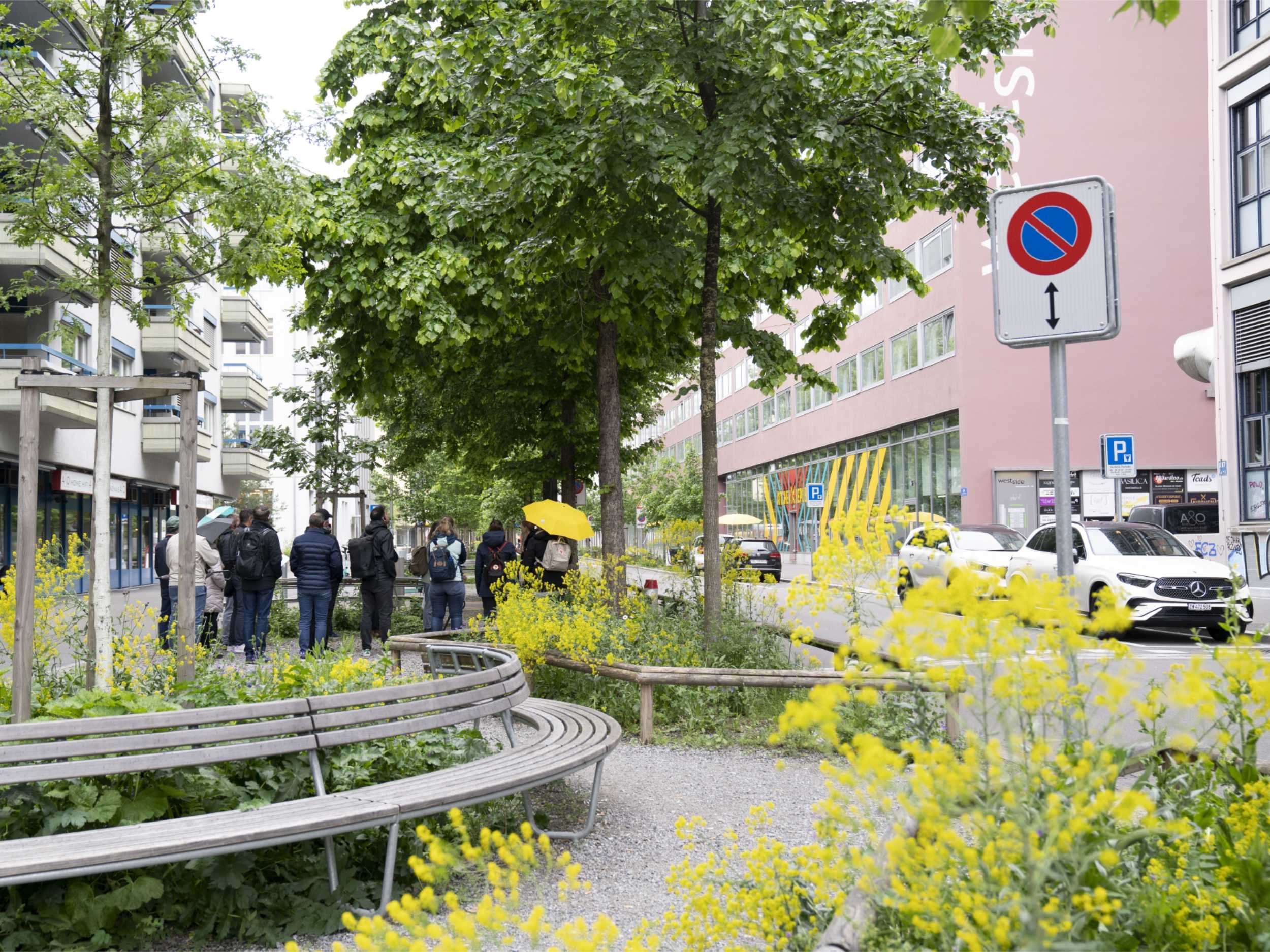
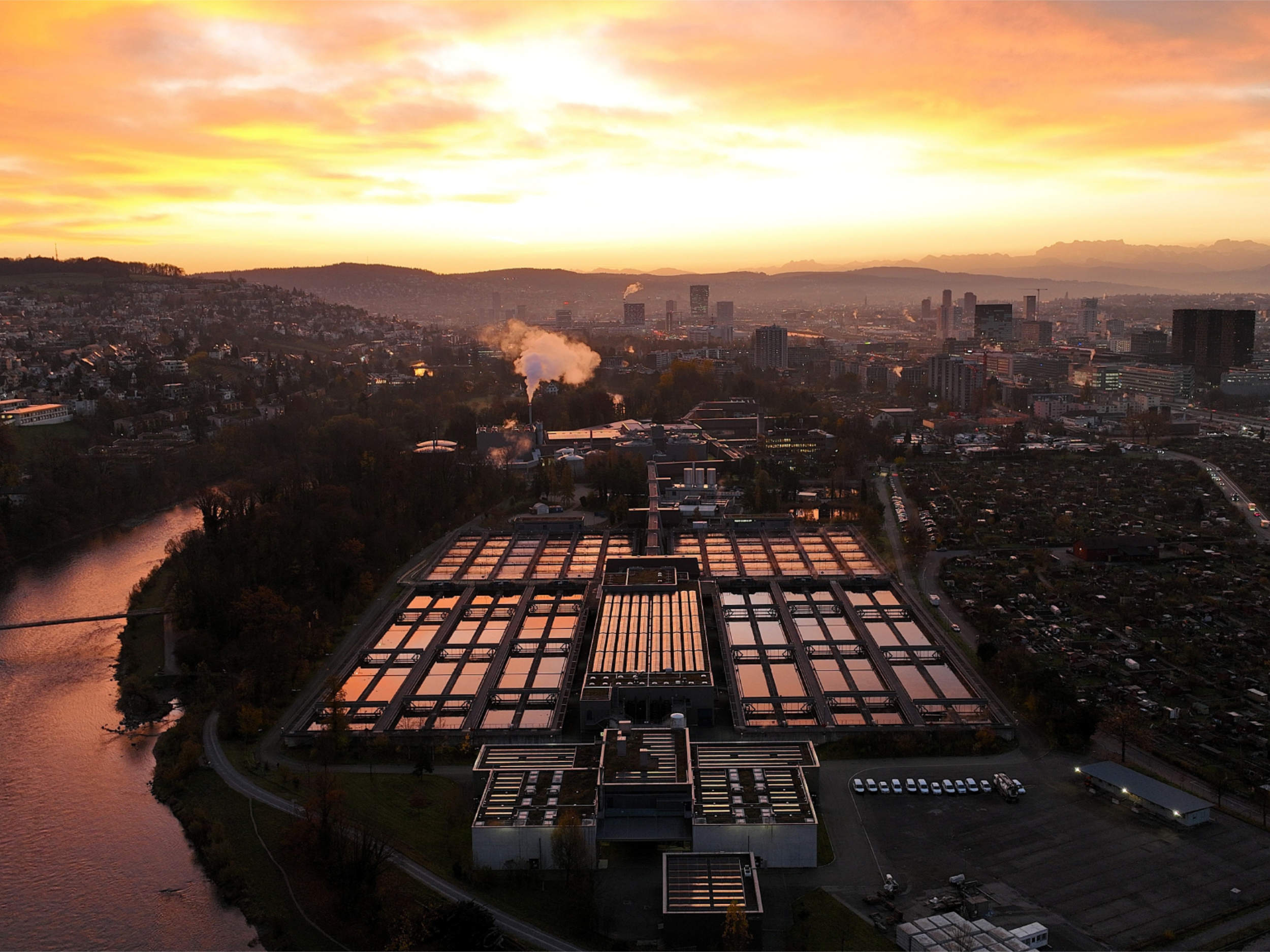
    Zurich is known worldwide for its high quality of life. An important prerequisite for this is an intact environment, which contributes to well-being and promotes health, as well as the social and economic conditions. By 2035, Zurich's population will grow to over 500,000. What challenges does this pose for a livable and intact environment in […]

  • Drones, sensors and weightlessness: high-tech research in Dübendorf

    Air Force Center, Dübendorf Hangar 9, Überlandstr. 255, Dübendorf

    High-speed drone racing, highly sensitive earth observation sensors and weightlessness in the service of science? The autonomous drones of UZH's Robotics and Perception Group compete for you against the world's best human drone pilots. Find out where autonomous drones will be used in the future, what transport drones from the company Matternet are already doing […]

  • Learning together and saving lives

    Schulungszentrum USZ Gloriastrasse 19, Zürich, Zürich, Schweiz

    In this workshop you will get an insight into the Simulation Center at the University Hospital Zurich and the research conducted there. The simulation center offers training for the joint management of complex situations to all employees of the USZ. Employees can practice important teamwork skills in a safe, realistic environment (rather than on patients). […]

  • Liveable city: Environment and climate in Zurich

    Blue Lion, Alte Zentralwäscherei Josefstrasse 219, Zürich, Zürich, Schweiz

    Zurich is known worldwide for its high quality of life. An important prerequisite for this is an intact environment, which contributes to well-being and promotes health, as well as the social and economic conditions. By 2035, Zurich's population will grow to over 500,000. What challenges does this pose for a livable and intact environment in […]

  • Let your body vibrate to feel the communication!

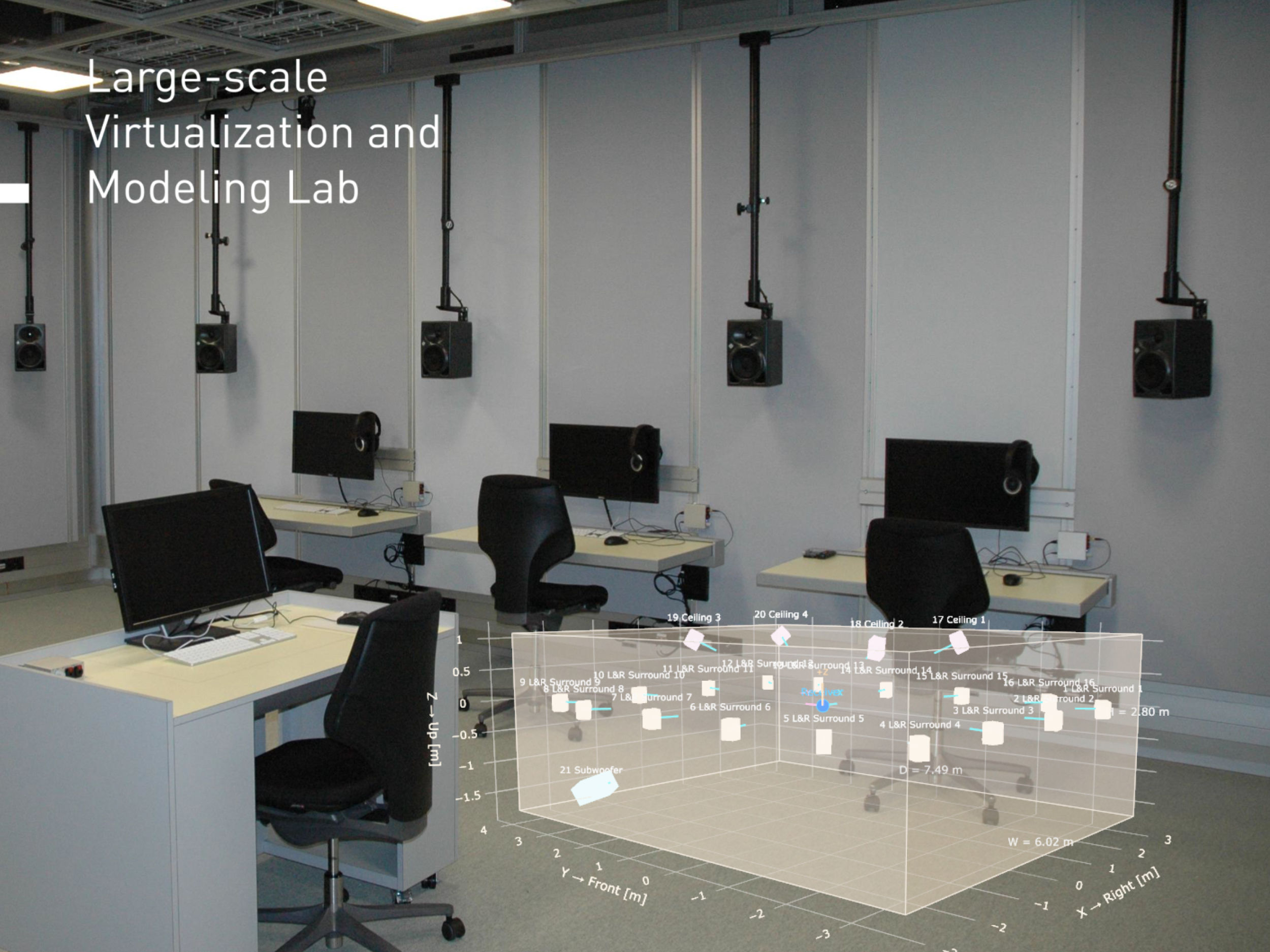
    Have you ever experimented with sound being diffused through your entire body? Are you curious to test your vibrational sensing abilities? In this workshop, you will be able to test how your body “physically” feels the properties of sound; by using a transducer - a vibrating speaker - you will be able to make your […]

  • Virtuelle Tiere – natürlich! Eine spielerische Annäherung an Tiere in digitalen Welten

    In our workshop, we invite you to become part of the research yourself: Using video recordings of people/participants gaming–so-called naturally occurring data–we investigate how our interaction with virtual animals or being a virtual animal manifests itself in a multimodal way (linguistically, but also through gestures, facial expressions, body posture). In this way, we hope to […]

  • Schlüpf in die Rolle eines Chirurgen

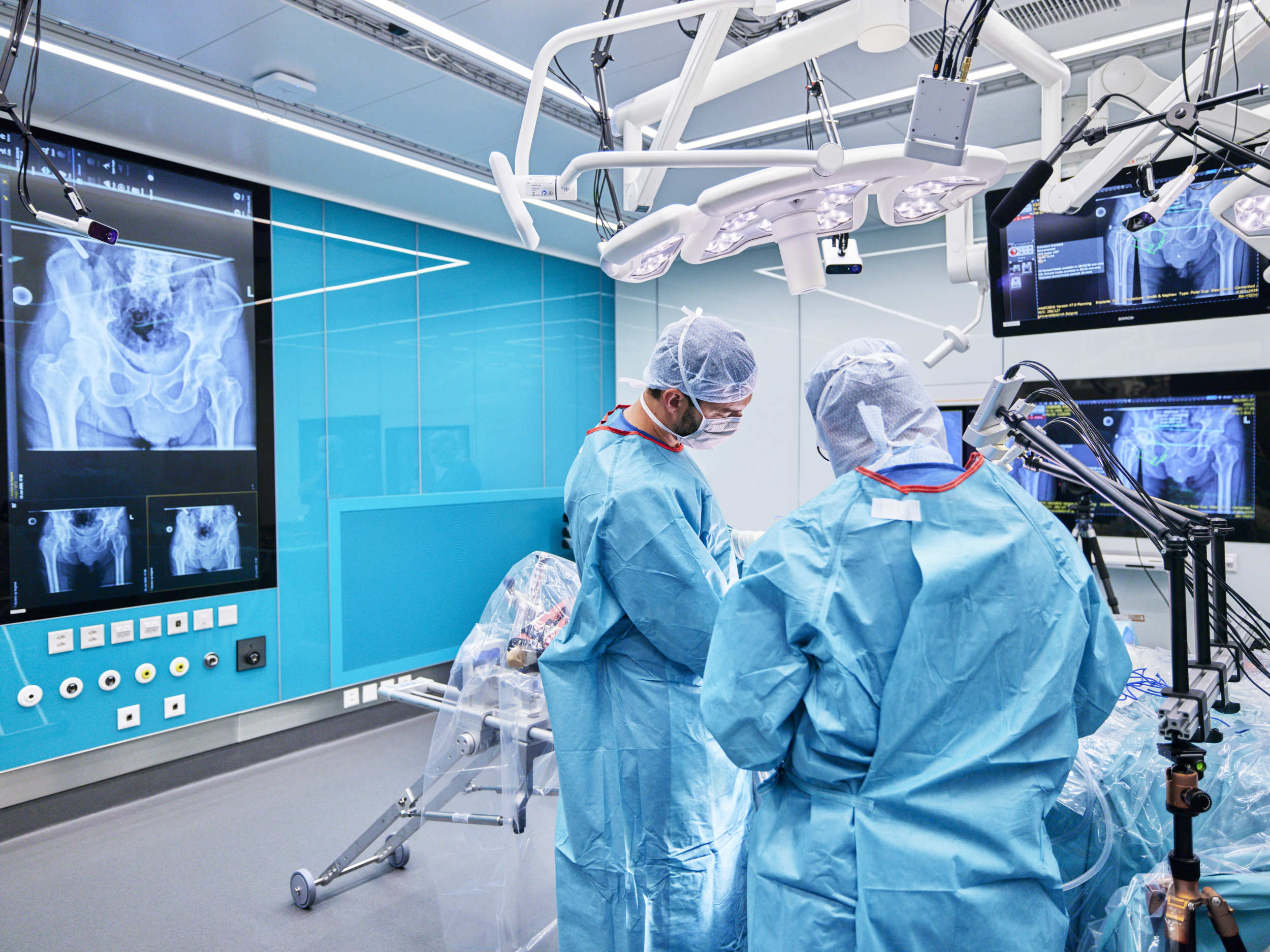
    In this workshop, you will take the on role of a surgeon and perform surgical procedures using augmented reality-based navigation techniques. We will share the latest knowledge on promising technologies in surgery and look forward to your participation. As part of SURGENT (Surgeon Enhancing Technologies), the HMZ (University Medicine Zurich) flagship Project 2018, collaborators from […]

  • Spying on the lives of microbes

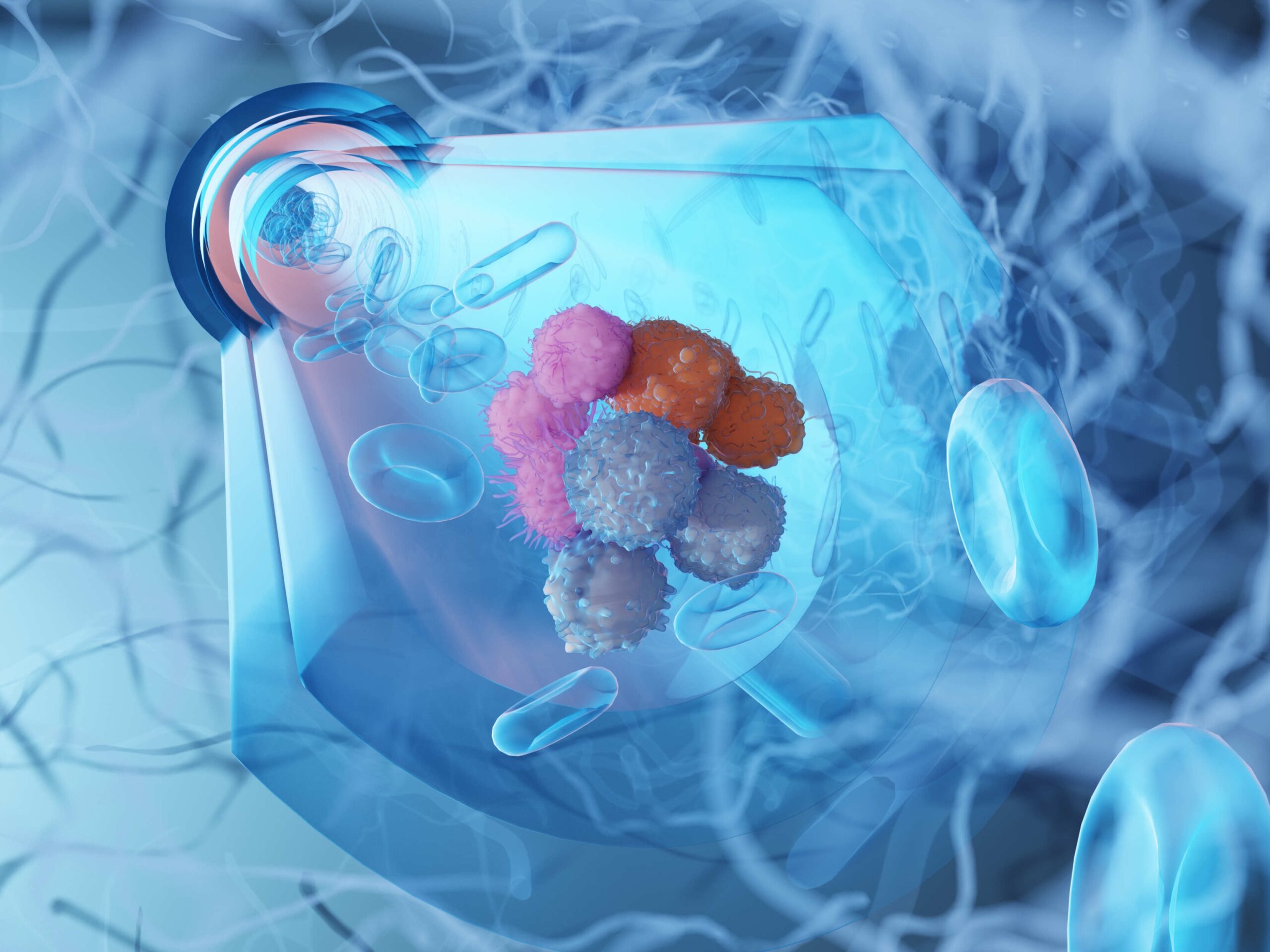
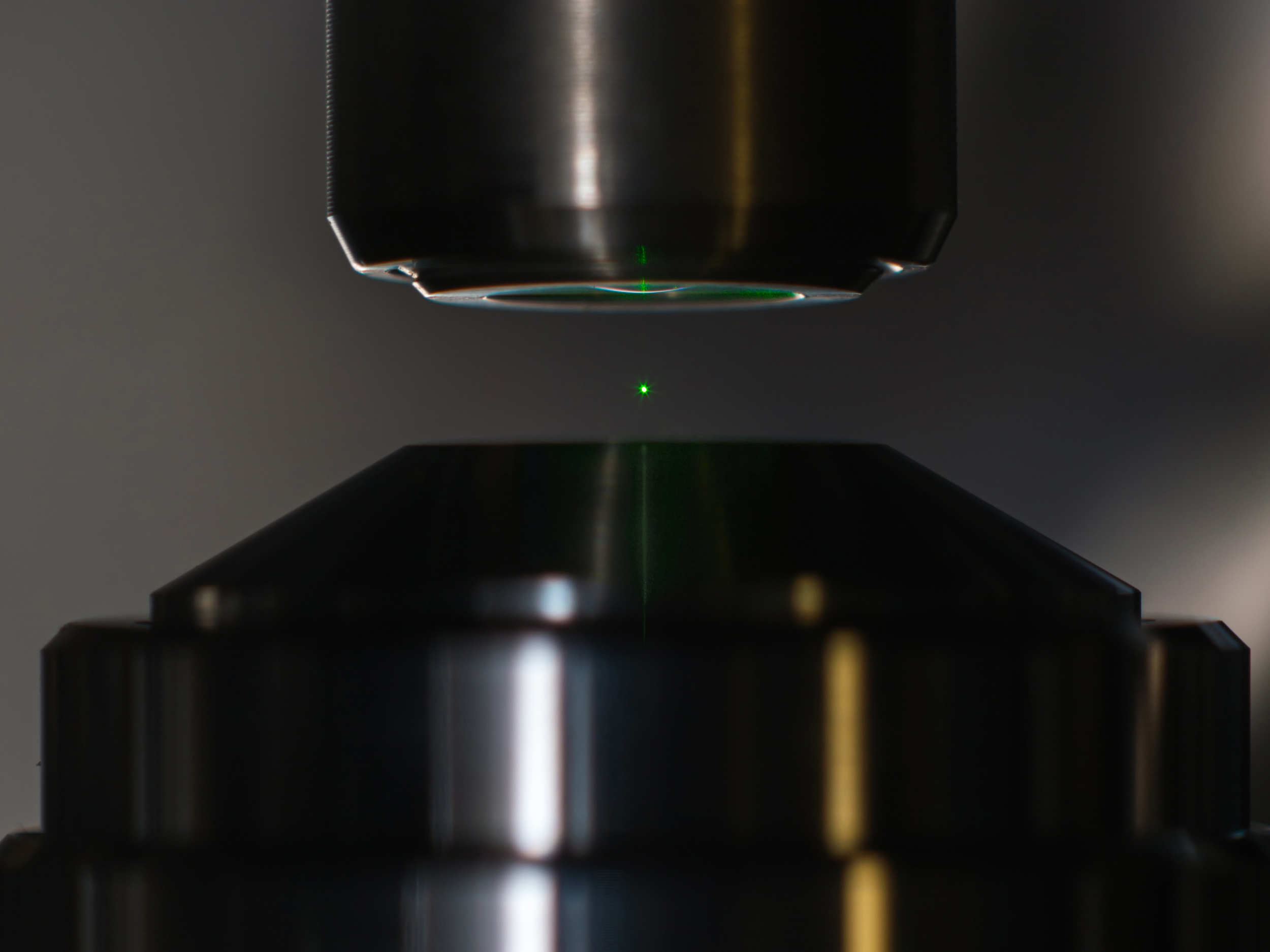
    Microorganisms live in a world almost unimaginable to humans – if a bacterium were enlarged to be the size of a human, a human enlarged by the same degree could stretch between Zürich and London. At such tiny scales, the fundamental rules of life change, and in this workshop, we’ll explore how microorganisms move, feed, […]

  • CYBATHLON @school – when artificial becomes natural

    Is a prosthetic arm just an artificial assistance system that is not part of the body? What if the prosthesis suddenly helps people to move independently, autonomously and naturally in society again? In this workshop, you will experience how people with a physical disability move naturally in everyday life thanks to artificial assistance systems. You […]

  • Chemie-Workshop

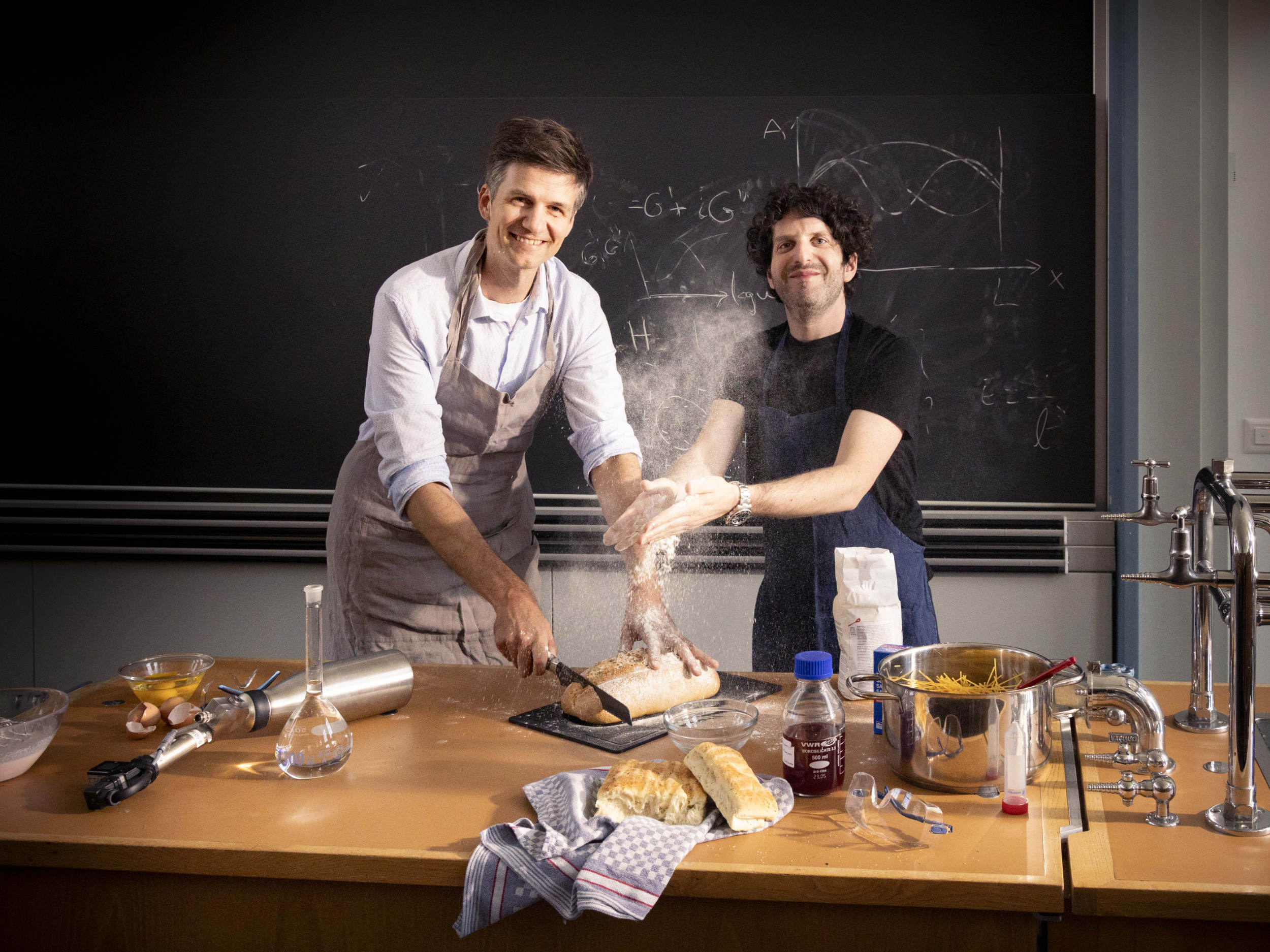
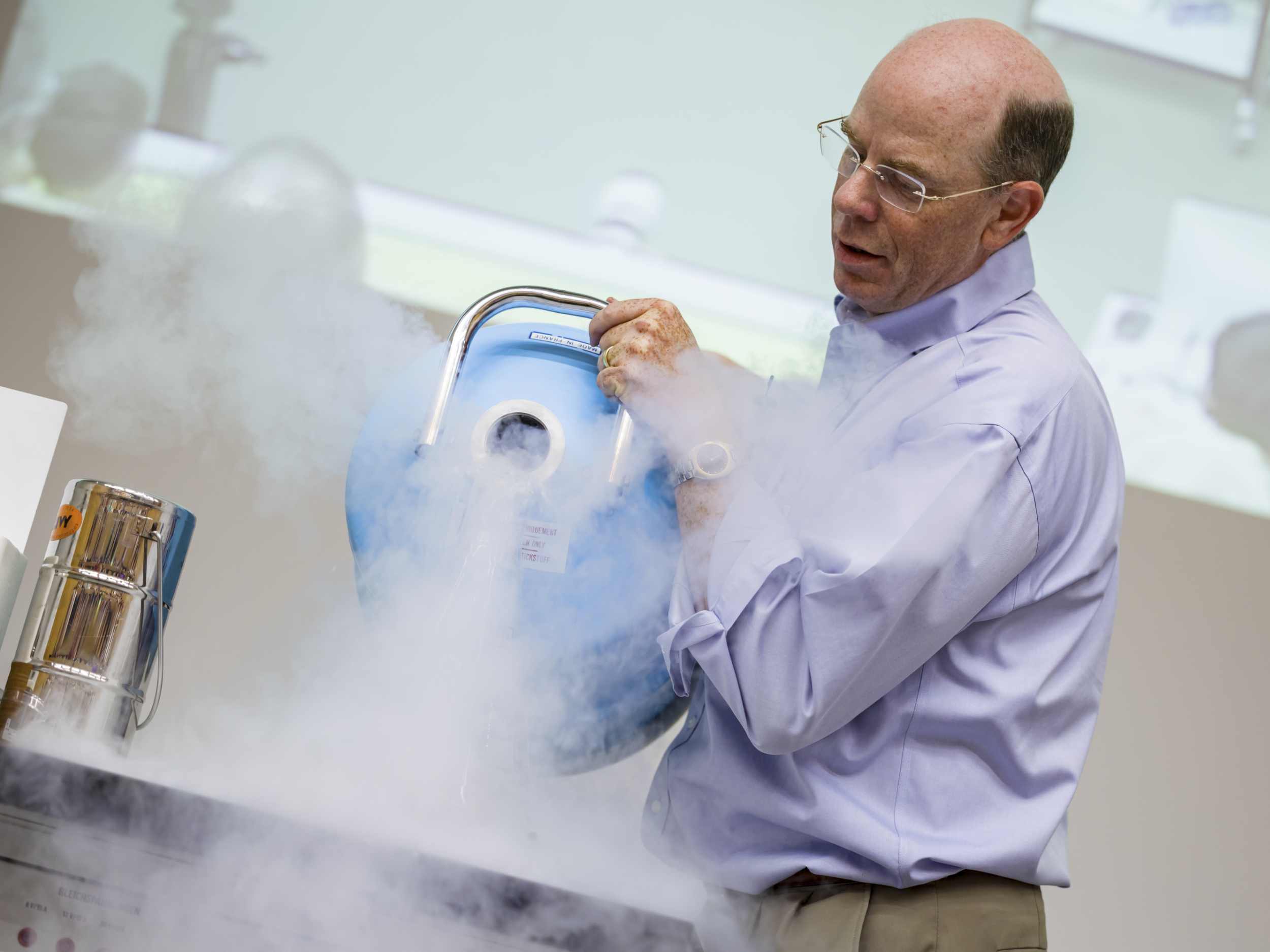
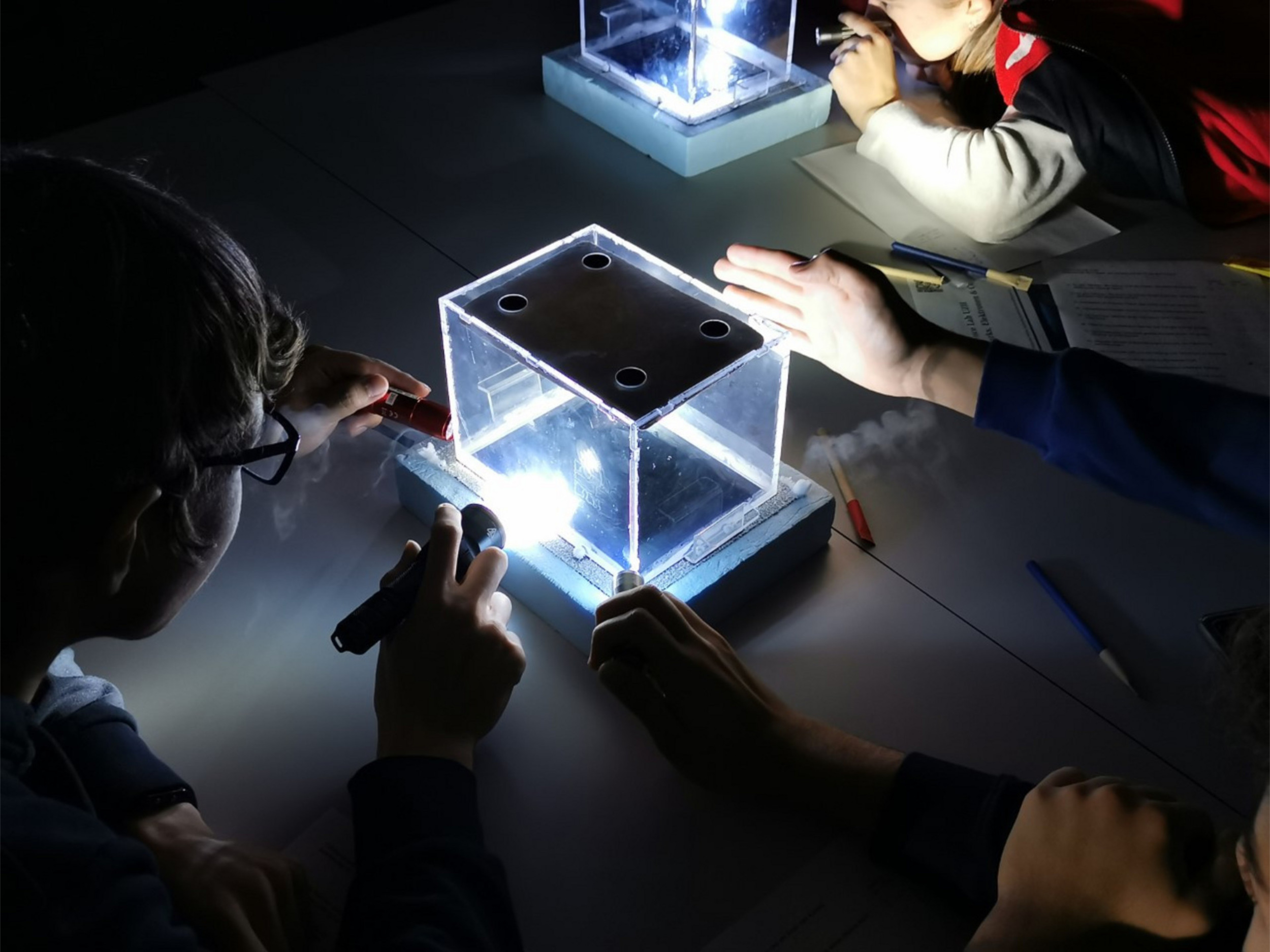
    Find out about the pharaoh's snake, the secret of the blue bottle and rainbow colours made from red cabbage in the chemistry workshop of the Institute of Chemical and Bioengineering. Protected by lab coats and safety goggles, you will perform some cool chemistry experiments in a real laboratory under supervision.

  • Fair Chocolate 4All

    Have you ever wondered where the cocoa for your favorite chocolate is grown? And at the same time reflect on how does our decision of what chocolate to buy affects the livelihoods of those growing the main ingredient of your sweet treat? Come join us for this workshop to learn more about how cocoa goes […]

  • Wellen bewegen die Welt

    Waves are omnipresent in our lives and are used for a variety of applications - be it in earthquake research, space exploration, global communication or medicine. What do all waves have in common and how do they differ? How do we use their properties in our lives? With examples from everyday life and research, we […]

  • Magic Cube – Faszination Elektrotechnik

    It all starts with a thunderstorm: lightning strikes the Magic Cube, a mysterious geometric body. The entire power supply of the parallel world "Elektron" fails. Electric cars, factories, microscopes, street lamps - everything is defective and shut down. In the workshop, the young people solve concrete, physical tasks to help the people in Elektron. The […]

  • Active Weekend

    At this year's Scientifica, the Sport Center Hönggerberg will be open to the public and will become an adventure hall. Children up to the age of eight, accompanied by their parents, are cordially invited to let off steam under expert guidance. The foundation for a sustainable, active sporting lifestyle is laid at a young age. […]

  • Exhibition “Waves – Dive In”

    The exhibition "Waves - Dive in!" in the museum focusTerra introduces you to the moving world of waves. Waves are omnipresent in our lives and are used for a variety of applications - be it in earthquake research, space exploration, global communication or medicine. What do all waves have in common and how do they […]

  • Scientifica-Trail

    If you are overwhelmed by the abundand program, then let the Scientifica Trail guide you through the exhibition in a playful way. Solve the riddles to find the stands and answer questions about the research on display there. If you get the answers correctly, you will receive a small souvenir gift at the alumni booth. […]

  • Scientifica-Trail

    If you are overwhelmed by the abundand program, then let the Scientifica Trail guide you through the exhibition in a playful way. Solve the riddles to find the stands and answer questions about the research on display there. If you get the answers correctly, you will receive a small souvenir gift at the alumni booth. […]

  • Mit Kräutern Wunden pflegen

    A stinging nettle has got you. Ouch! Just a superfluous weed? The daisy too: pretty to look at, but otherwise useless? Far from it, both are medicinal herbs! Unfortunately, we are losing more and more of our knowledge about plants. Yet the secret of their healing power is thousands of years old and has already […]

  • Can a computer extract speech directly from the brain signals?

    Every year thousands of people lose their ability to communicate due to neurological disorders caused by damage in speech-related brain areas (such as in aphasia) or paralysis of voluntary muscle movement (such as in locked-in syndrome). The consequences of the disruption of natural speech production on the life quality of such patients are devastating. Therefore, […]

  • «Natürlich – künstlerisch»: Forschen rund um den Körper

    If you are a young scientist aged between 7 and 10 years you shall not miss this workshop! With us you will have a lot of fun doing experiments and learning more about your body. We have organized for you a parkour of experiments and you have one hour time to test your scientific skills […]

  • micro:bits programmieren, um Funknachrichten zu senden

    Program micro:bit so that you can exchange messages electronically with your friends. Micro:bit is a microcontroller. It can do much less than a smartphone or computer. But you can easily programme it yourself. It has Bluetooth and can communicate with other micro:bits. Have fun programming it and exchanging secret radio messages! mint & pepper is […]

  • Was sagt die Pupille über die Leistungsfähigkeit des Gehirns?

    Whether it's an important exam, a presentation, or a crucial sports competition - we want to be able to perform at our best. Whether we are able to achieve this depends strongly on the arousal level of our brain: if this level is too high, we feel stressed; if it is too low, we may […]

  • Natürlich ist gut, oder doch nicht?! Ein interaktiver Umweltphilosophie-Workshop

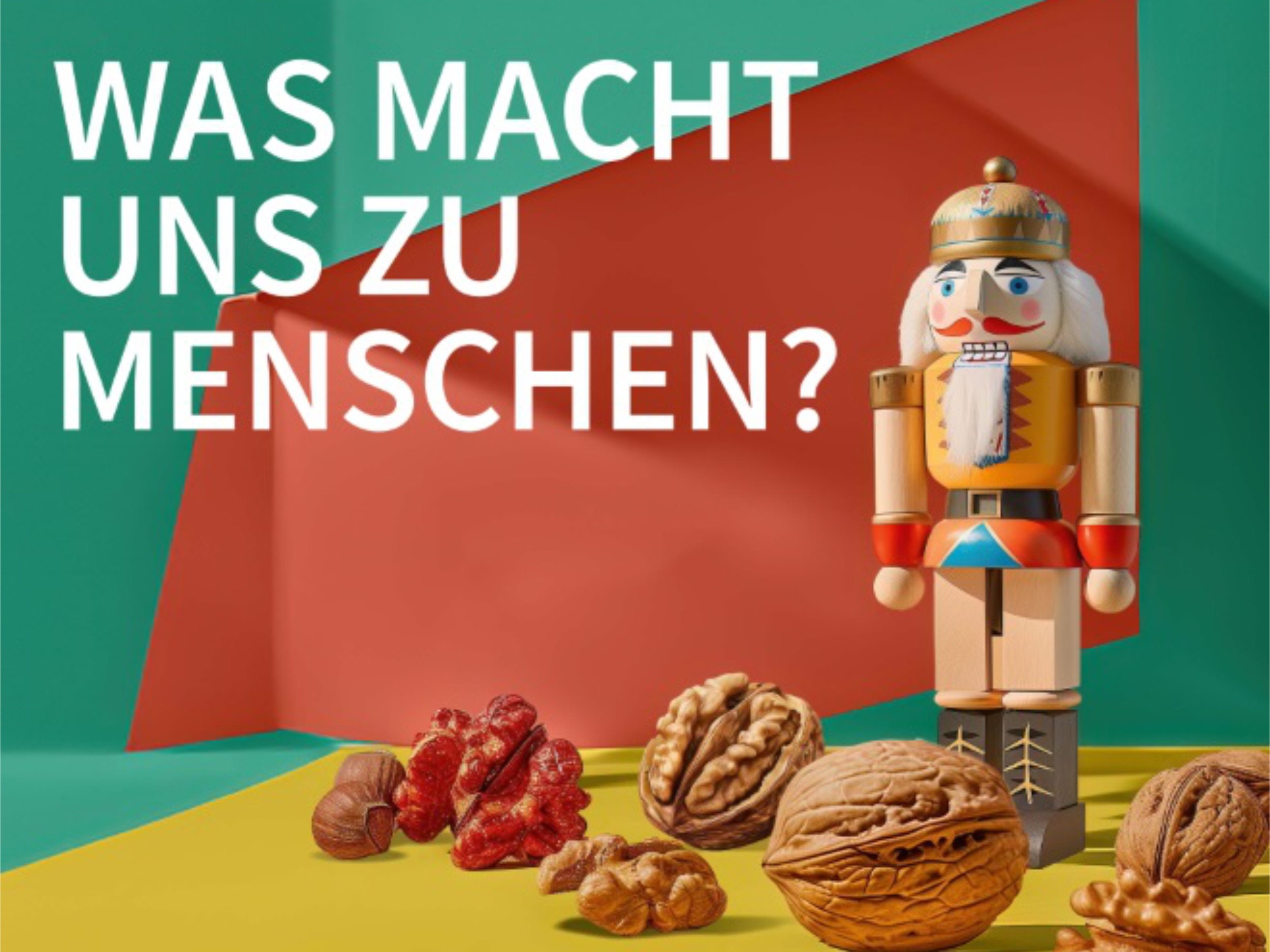
    Based on different questions and exemplary cases, participants will discuss their intuitions on the topic of "natural vs. artificial". What criteria do we apply when we describe objects, landscapes and organisms as natural or artificial? Such considerations are relevant because they always involve the questions: "Is naturalness good?"; "Are natural things better than artificial?"; "Should […]

  • Wenn ein Roboter sich darauf vorbereitet, zur Arbeit zu gehen

    Have you ever wondered how robots get ready for work? At the Autonomous Systems Lab we’re preparing our robots for challenging real-world jobs where they need to help out humans in all sorts of environments, from search and rescue in hard-to-reach locations to assisting doctors and nurses in crowded hospitals. Come and meet our robots […]

  • Komm’ und extrahiere die Erbinformation aus Früchten!

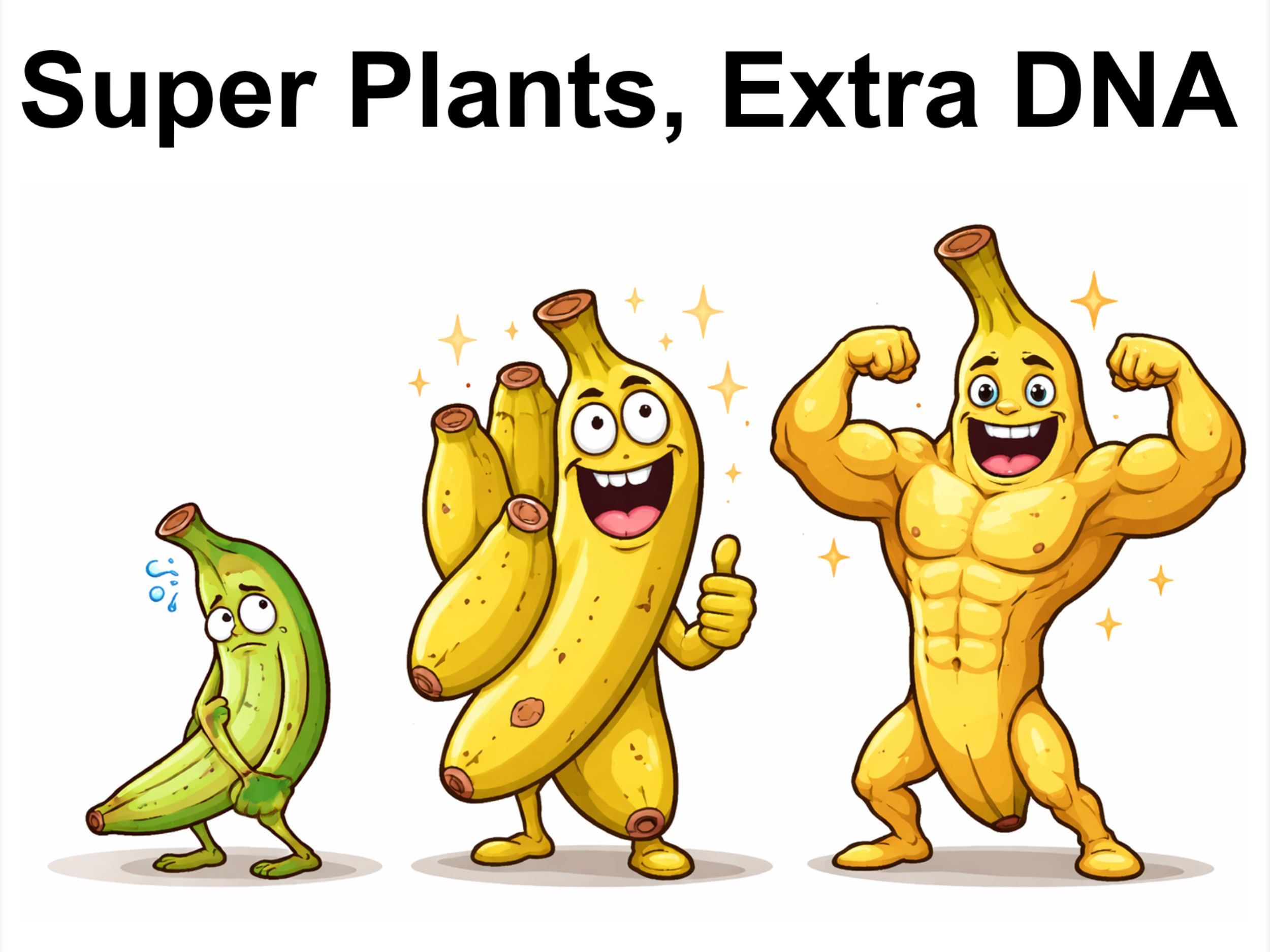
    All living things, from humans to the food we eat, have all of the genetic information tightly packed in each individual cell of their body. This genetic information is called Deoxyribonucleic Acid, which is shortened to DNA. DNA is passed from one generation to another and controls development, function and growth of a living organisms. […]

  • Wie wir zählen. Was zählt?

    When you look at your watch late at night, is it 20:10 or 10 past 10 in the evening? If you have a four-hour flight from Zurich to Oslo at 21:00, do you arrive at 01:00 in the morning or at 25:00? The answer to these questions seems clear: we reset our hour counter to […]

  • Let your body vibrate to feel the communication!

    Have you ever experimented with sound being diffused through your entire body? Are you curious to test your vibrational sensing abilities? In this workshop, you will be able to test how your body “physically” feels the properties of sound; by using a transducer - a vibrating speaker - you will be able to make your […]

  • Safe and Autonomous Drones (lecture cancelled due to illness)

    City skyways filled with drone-like vehicles have long been a common image in science fiction, and for many of us, a lifelong dream. A few years ago, the advent of small consumer drones brought our dream a little closer to reality. In the shadow of this initial hype, a growing number of people and organizations […]

  • Personalized Skin from the Lab

    Skin is our largest organ. Every year more than 50 million people suffer from skin defects and need skin transplants to restore skin function. Unfortunately, standards of care are often lacking and ineffective, leaving patients with scars. Scars are disfiguring but also highly discomfiting, they can impair growth and movement and require serial surgeries and […]
  • What Can We Learn from Medical Professionals Writing about Intersex People?

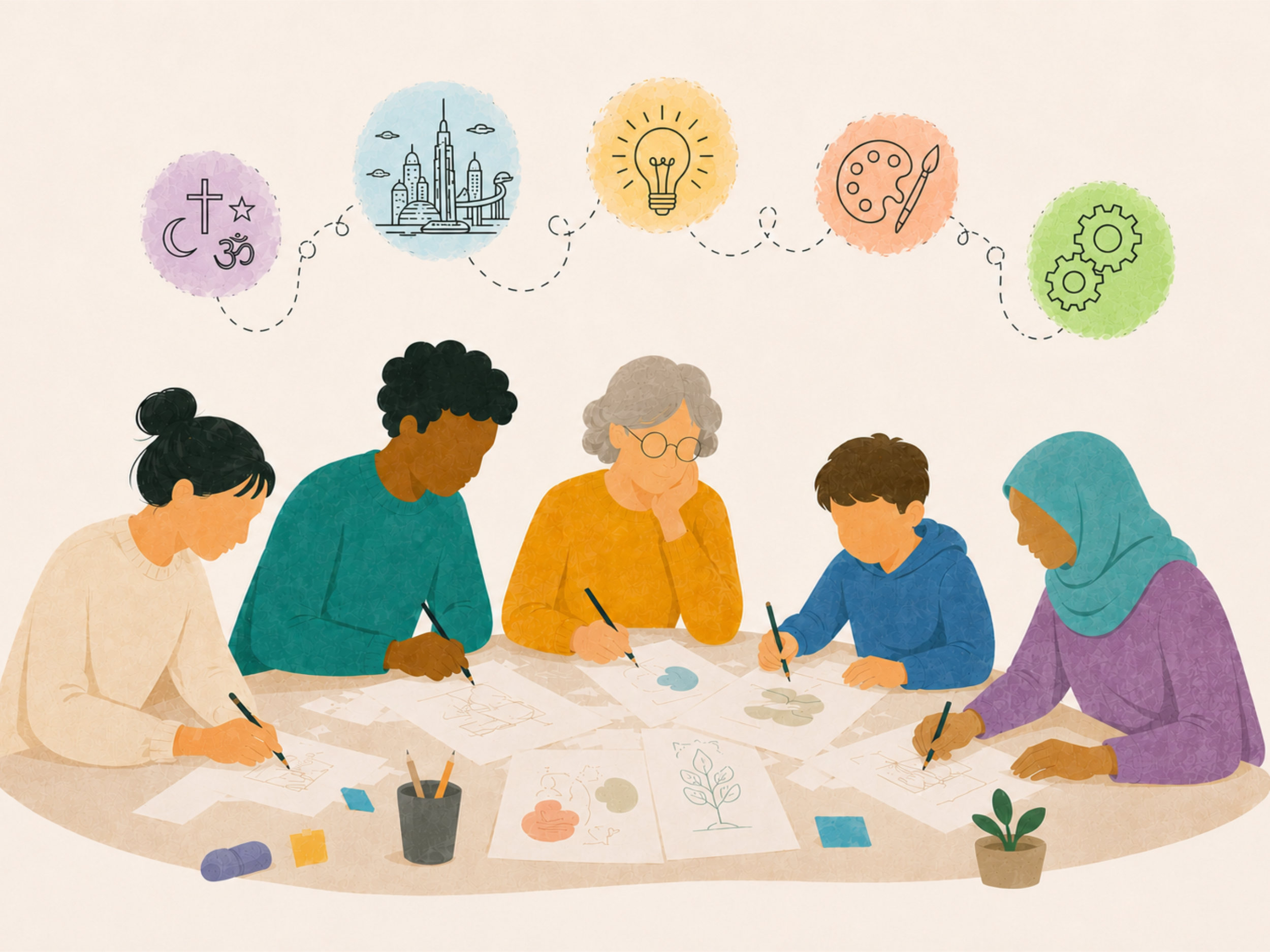
    The relationship between intersex people and medicine is a very complex one. At the forefront of the discussion lies the question of how to call people with diverse sex characteristics. We assume that the question of how to name people with diverse sex characteristics and the question of how to treat them are connected, since […]

  • Auf der Suche nach ausserirdischem Leben

    Is there life on planets outside our solar system? In this short lecture we dedicate ourselves to this question, which has occupied mankind for thousands of years. For this we dive into the world of "exoplanets", planets orbiting other stars than the sun. We will look at how many exoplanets have already been found, what […]

  • Seifenblasenfabrik

    Family area for very young children with their parents. Linger, rest, marvel and experiment - children from 0 - 7 years can make their own soap bubble cutlery here together with their parents and try it out in the large basin. Books, a play mat and much more await in the construction trailer so that […]

  • E-Voting per Blockchain: Wie sicher ist das?

    Everyone is talking about the safety of voting systems. What exactly are the characteristics we expect from a secure system? Is it at all possible to supplement or even surpass the security of paper-based voting documents electronically? And how can a fully decentralized system, namely a blockchain, be helpful here? This short talk presents the […]

  • Der Wasserkreislauf im Wald

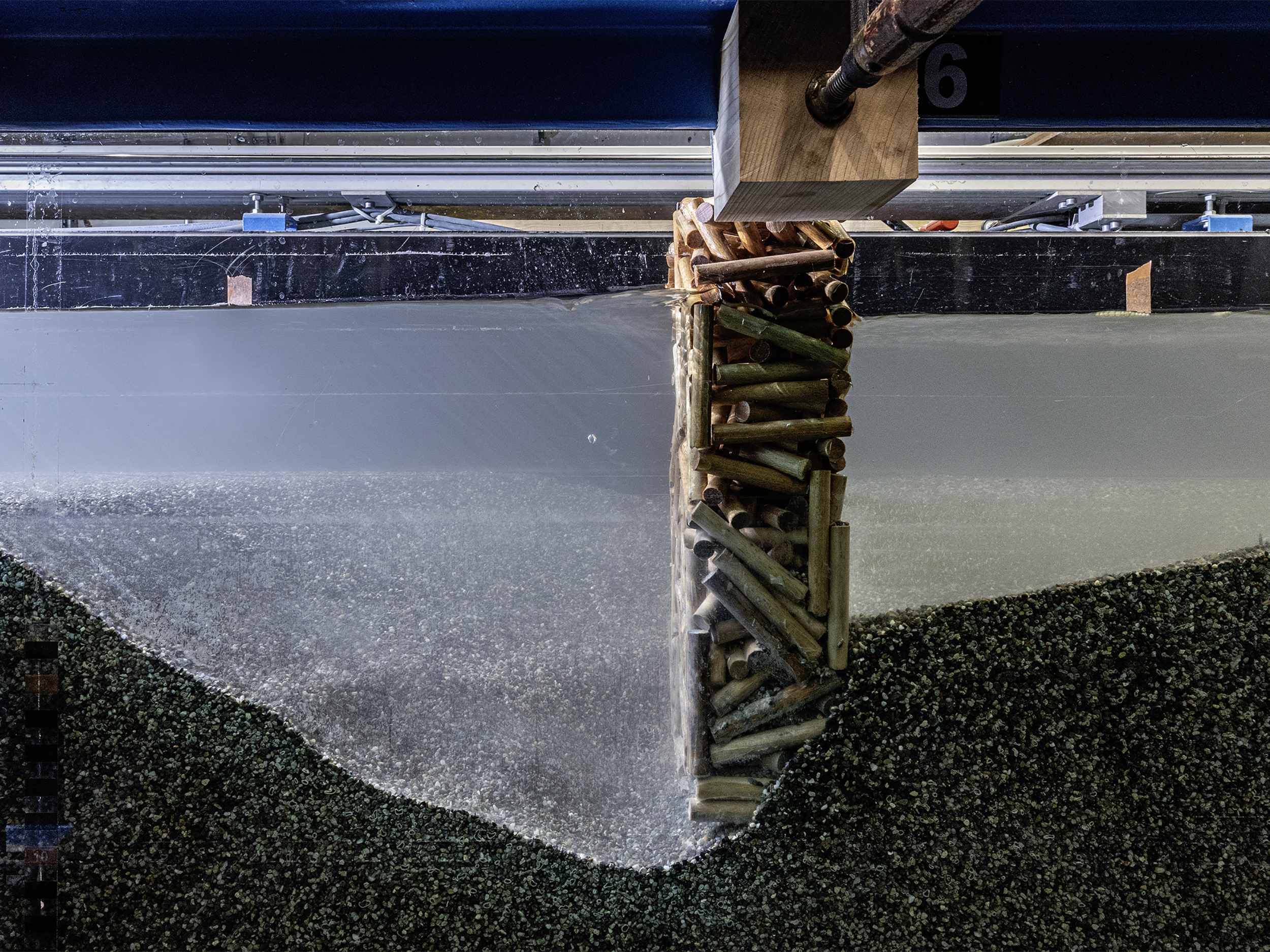
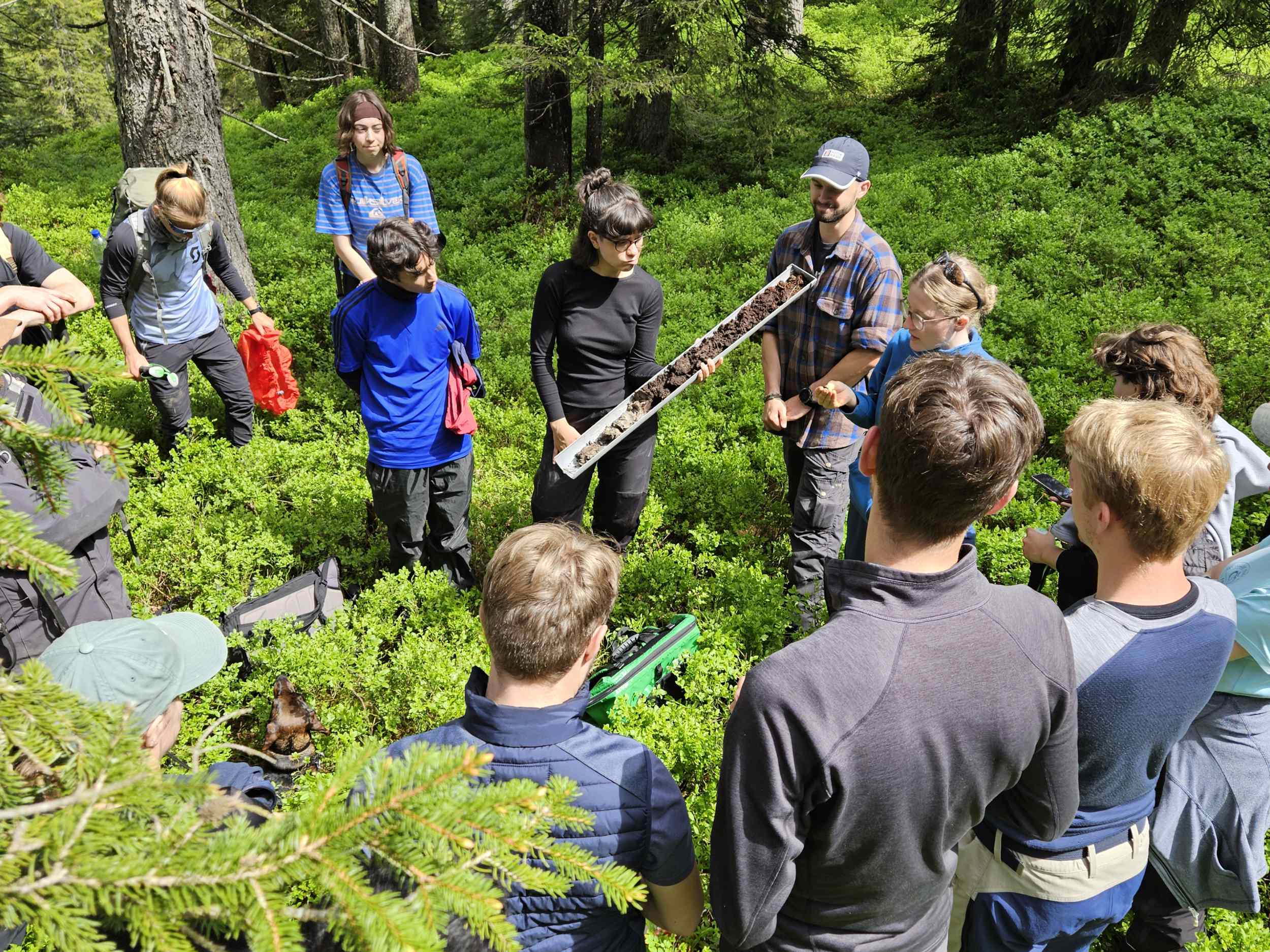
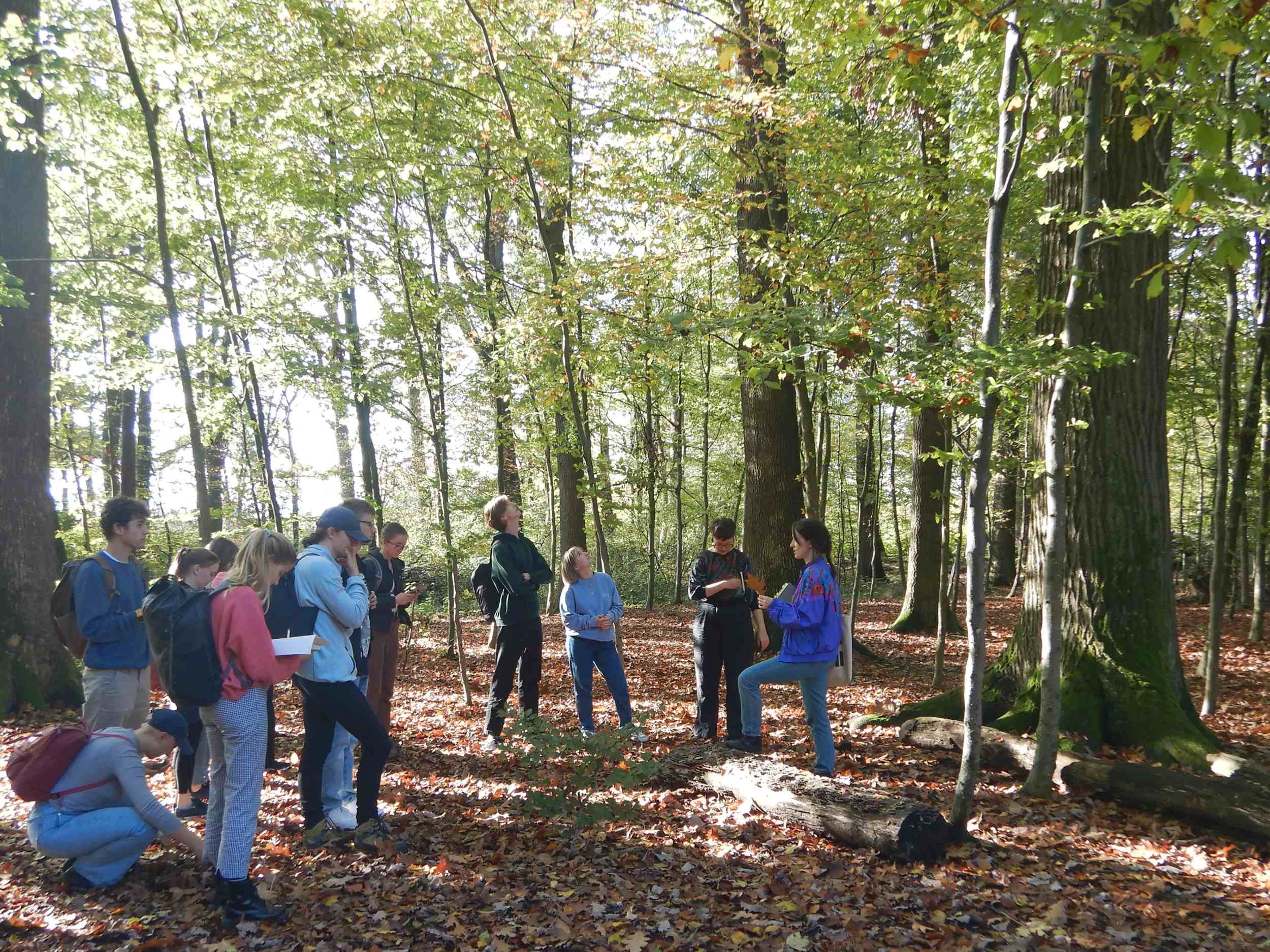
    We visit our study area (part of the "Waldlabor Zürich"), which is about a 10-minute walk from the Hönggerberg campus and easily accessible via forest paths. Together we go on a one-hour "forest walk" during which we learn about the essential components of the water cycle in the forest and "follow" a raindrop on its […]

  • Barrierefreiheit: Technologie – Hilfe oder Hürde?

    What does ETH Zurich contribute to accessibility, self-determination, and inclusion of people with physical disabilities –at ETH itself and in society? To what extent are people without disabilities also dependent on accessibility – in old age, after an accident, or on the road with a stroller? We look into the"Design for All" approach in the […]

  • Mit Kräutern Wunden pflegen

    A stinging nettle has got you. Ouch! Just a superfluous weed? The daisy too: pretty to look at, but otherwise useless? Far from it, both are medicinal herbs! Unfortunately, we are losing more and more of our knowledge about plants. Yet the secret of their healing power is thousands of years old and has already […]

  • Can a computer extract speech directly from the brain signals?

    Every year thousands of people lose their ability to communicate due to neurological disorders caused by damage in speech-related brain areas (such as in aphasia) or paralysis of voluntary muscle movement (such as in locked-in syndrome). The consequences of the disruption of natural speech production on the life quality of such patients are devastating. Therefore, […]

  • «Natürlich – künstlerisch»: Forschen rund um den Körper

    If you are a young scientist aged between 7 and 10 years you shall not miss this workshop! With us you will have a lot of fun doing experiments and learning more about your body. We have organized for you a parkour of experiments and you have one hour time to test your scientific skills […]

  • When robots get ready for work

    Have you ever wondered how robots get ready for work? At the Autonomous Systems Lab we’re preparing our robots for challenging real-world jobs where they need to help out humans in all sorts of environments, from search and rescue in hard-to-reach locations to assisting doctors and nurses in crowded hospitals. Come and meet our robots […]

  • When robots get ready for work

    Have you ever wondered how robots get ready for work? At the Autonomous Systems Lab we’re preparing our robots for challenging real-world jobs where they need to help out humans in all sorts of environments, from search and rescue in hard-to-reach locations to assisting doctors and nurses in crowded hospitals. Come and meet our robots […]

  • The Immersive Design Lab

    Experience how we will design and plan buildings in the future. In this tour, we will introduce the Immersive Design Lab (IDL), an interdisciplinary laboratory at ETH Zurich. The IDL creates an unprecedented platform for collaborative research and teaching in the rapidly evolving field of interactive extended reality (XR) in architecture and construction. Immerse yourself […]

  • Der Mensch als sein eigenes Ersatzteillager

    Damaged tissue that simply grows back: What is real everyday life for some species in the animal kingdom remains a nice dream for humans. We can only regrow lost tissue to a limited extent – for example, in the case of skin and liver. Our goal is to produce tissue and spare parts for the […]

  • Natürlich … oder … Künstlich? Beispiel Zootierfütterung

    Two basic questions arise in zoo animal feeding: Should zoo animals be fed according to their original habitats as much as possible? Zoo lions could then eat live hares, for example. Or is it more important that zoo animals eat as balanced a diet as possible and that their nutritional needs are met with a […]

  • Seifenblasenfabrik

    Family area for very young children with their parents. Linger, rest, marvel and experiment - children from 0 - 7 years can make their own soap bubble cutlery here together with their parents and try it out in the large basin. Books, a play mat and much more await in the construction trailer so that […]

  • Building a Robot Judge

    What would it mean to have a robot judge making decisions in courts? How would that judge be built? While artificial intelligence could make decisions more efficient and consistent, there are also risks that automated systems could replicate or amplify existing biases and rigidities. Given the stakes, these technologies force us to think carefully about […]

  • Mit einer App die kindliche Entwicklung verfolgen

    Mobile apps are taking on an increasingly important role in psychological research. They are easy to use, can be used at any time and from anywhere, and provide real-time data from a person's natural environment. Developmental psychologists at the University of Zurich have developed the "kleineWeltentdecker app," which parents can use to document their children's […]

  • Künstliche Intelligenz in der Kunstwelt

    Do prices of artworks result from the emotions of art lovers or are there explanatory, natural factors? The goal of this project was to develop a model that can automatically estimate auction prices of artworks using past auction data and information about the art market. Machine learning algorithms were used to train models to predict […]

  • Waves move the world

    Waves are omnipresent in our lives and are used for a variety of applications - be it in earthquake research, space exploration, global communication or medicine. What do all waves have in common and how do they differ? How do we use their properties in our lives? With examples from everyday life and research, we […]

  • Spying on the lives of microbes

    Microorganisms live in a world almost unimaginable to humans – if a bacterium were enlarged to be the size of a human, a human enlarged by the same degree could stretch between Zürich and London. At such tiny scales, the fundamental rules of life change, and in this workshop, we’ll explore how microorganisms move, feed, […]

  • CYBATHLON @school – when artificial becomes natural

    Is a prosthetic arm just an artificial assistance system that is not part of the body? What if the prosthesis suddenly helps people to move independently, autonomously and naturally in society again? In this workshop, you will experience how people with a physical disability move naturally in everyday life thanks to artificial assistance systems. You […]

  • Am Rande des Natürlichen: Innovative Therapien für seltene Krankheiten

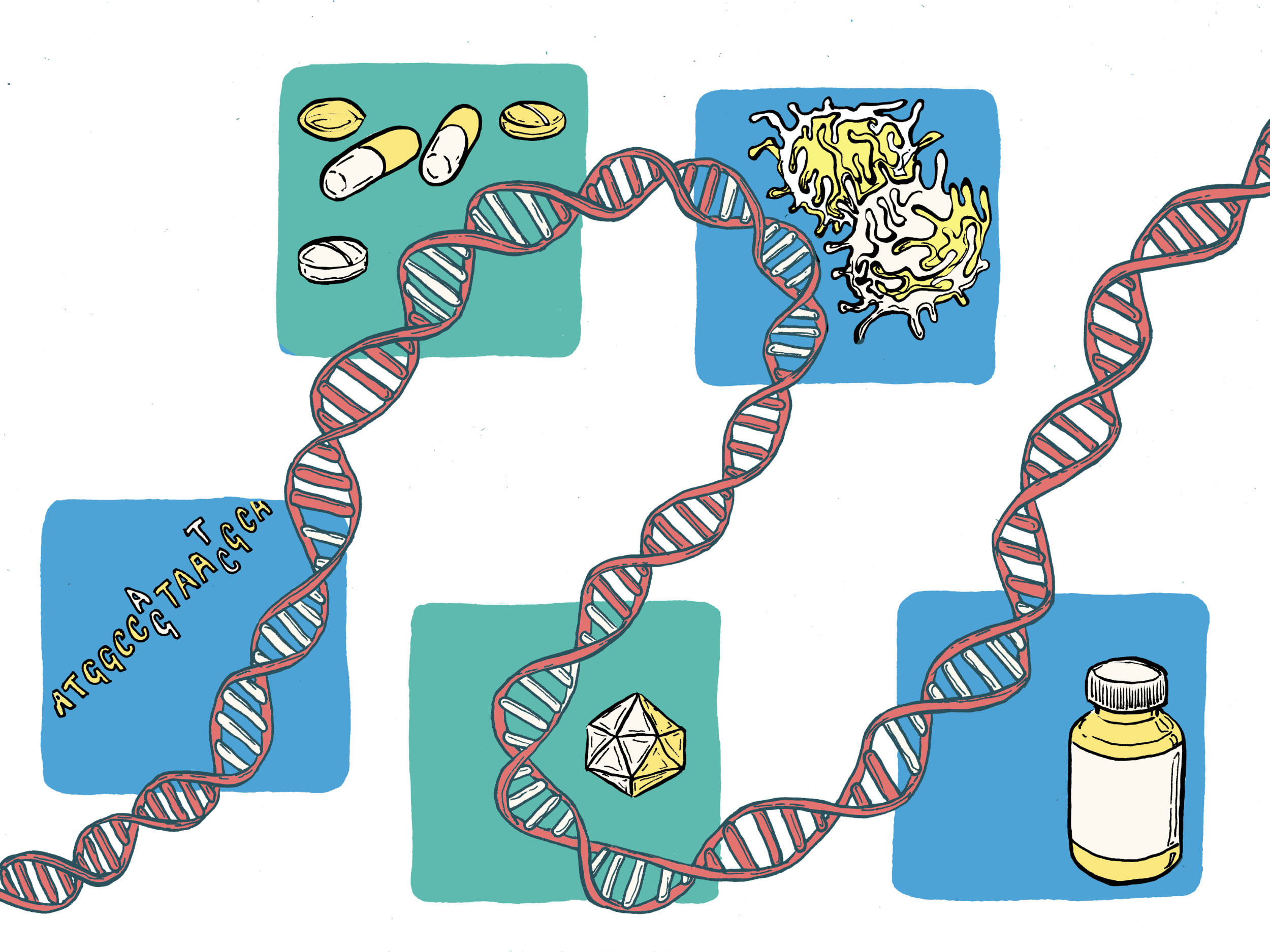
    Despite the name suggests, rare diseases affect about 500.000 people in Switzerland and around 300 million people worldwide, which is more than common diseases like diabetes. However, rare diseases are a highly diverse group of over 7.000 disorders, which due to the early onset of symptoms mostly occur in children. Since individual rare diseases only […]

  • Einhorn, Greif, Löwe und Wal: alle echt oder was?

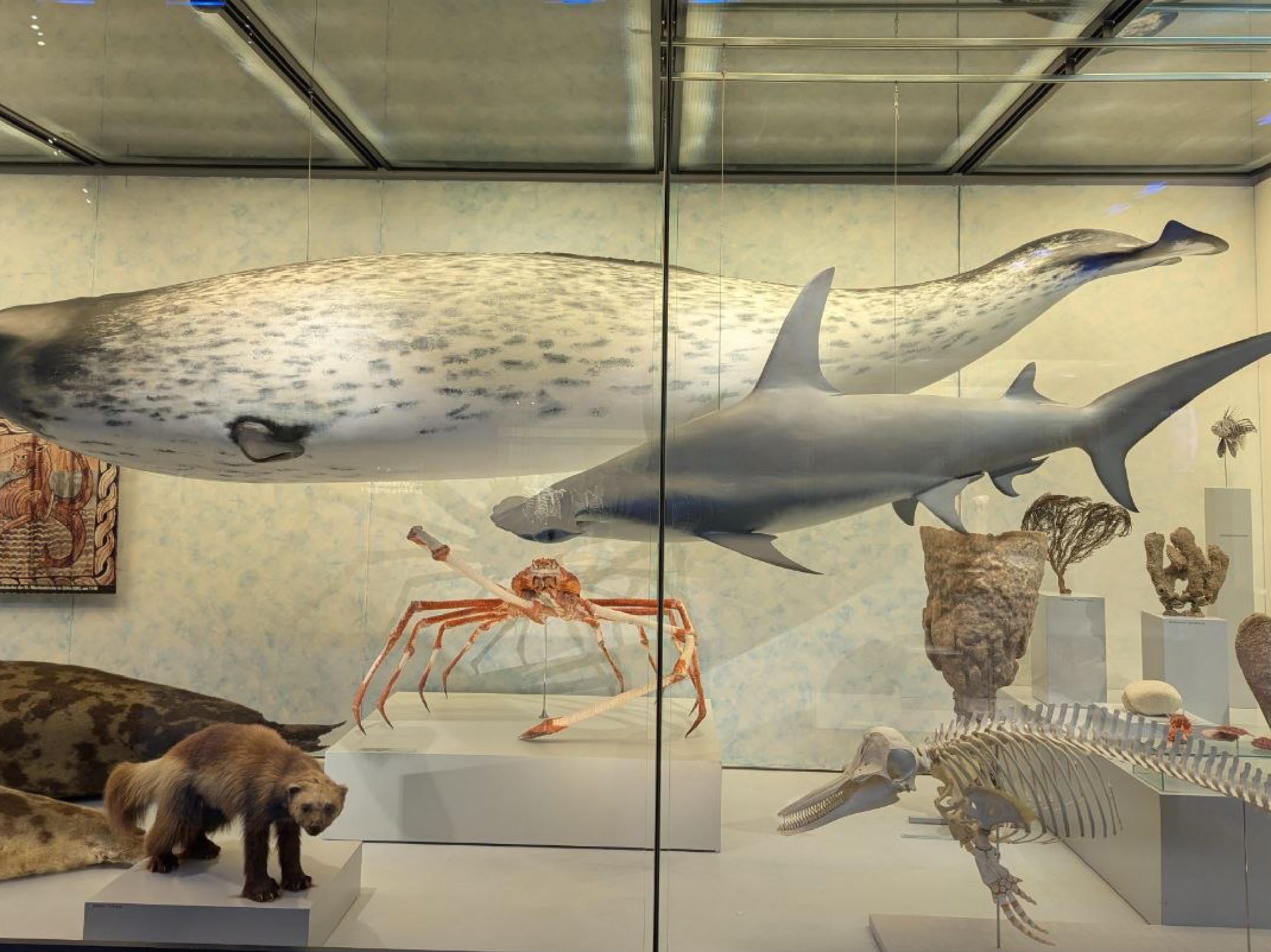
    Medieval animal books, also called 'bestiaries', were a kind of predecessor of today's animal encyclopedias. Unlike today, however, they did not distinguish between real animals and mythical creatures. Nor did they focus on the 'zoological' behavior of animals, but on what humans could learn from them. In this workshop, you will dive into the world […]

  • Magic Cube – Faszination Elektrotechnik

    It all starts with a thunderstorm: lightning strikes the Magic Cube, a mysterious geometric body. The entire power supply of the parallel world "Elektron" fails. Electric cars, factories, microscopes, street lamps - everything is defective and shut down. In the workshop, the young people solve concrete, physical tasks to help the people in Elektron. The […]

  • Mit Kräutern Wunden pflegen

    A stinging nettle has got you. Ouch! Just a superfluous weed? The daisy too: pretty to look at, but otherwise useless? Far from it, both are medicinal herbs! Unfortunately, we are losing more and more of our knowledge about plants. Yet the secret of their healing power is thousands of years old and has already […]
  • What does the pupil say about the brain’s performance?

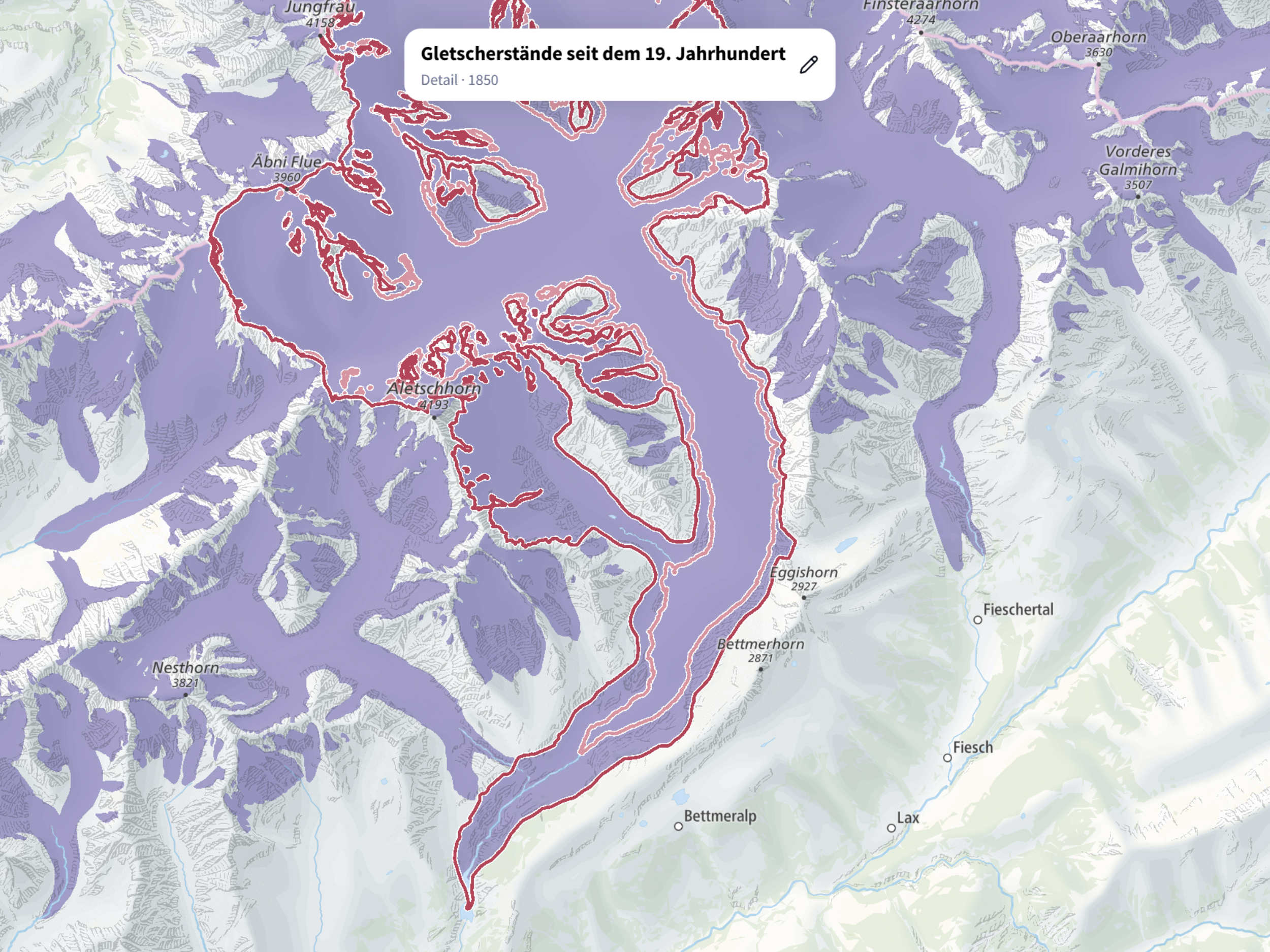
    Whether it's an important exam, a presentation, or a crucial sports competition - we want to be able to perform at our best. Whether we are able to achieve this depends strongly on the arousal level of our brain: if this level is too high, we feel stressed; if it is too low, we may […]
  • Biologische und künstliche Intelligenz

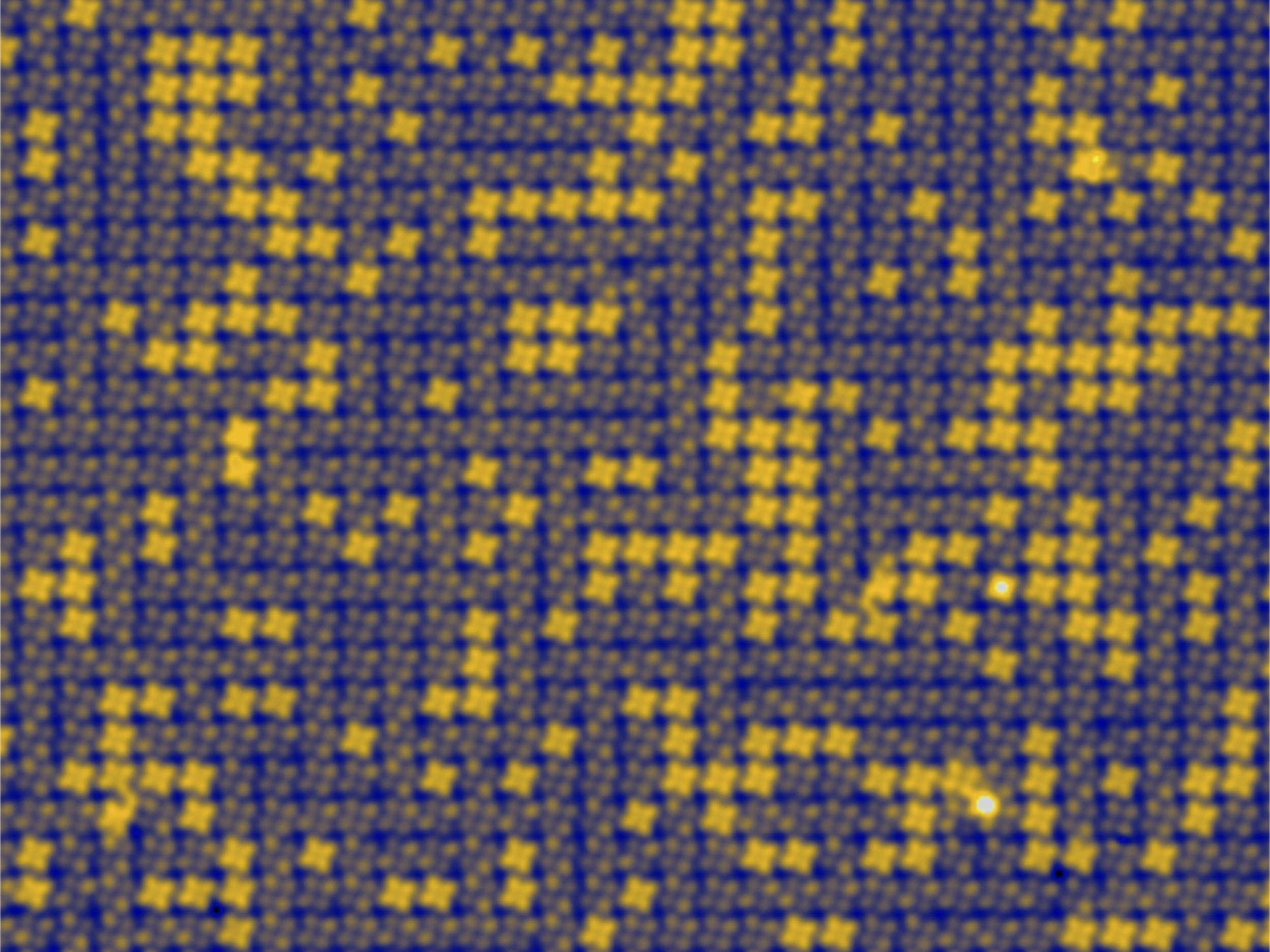
    We will show how artificial intelligent systems have been inspired by biological nervous systems, both in software and hardware implementations. You will learn the differences between simulation and electronic implementation of neural networks and will be able to build and play with your own little neural network.

  • Covid-19 vaccines – from laboratory to regulatory approval

    The development of mRNA vaccines is perhaps one of the greatest medical research success stories of the last decade. It has led to the use of very effective vaccines against covid-19 and has thus been instrumental in shortening the pandemic. RNA vaccines, unlike traditional vaccines, contain only the genetic information of the virus. The cells […]