Suitable for: For all / families
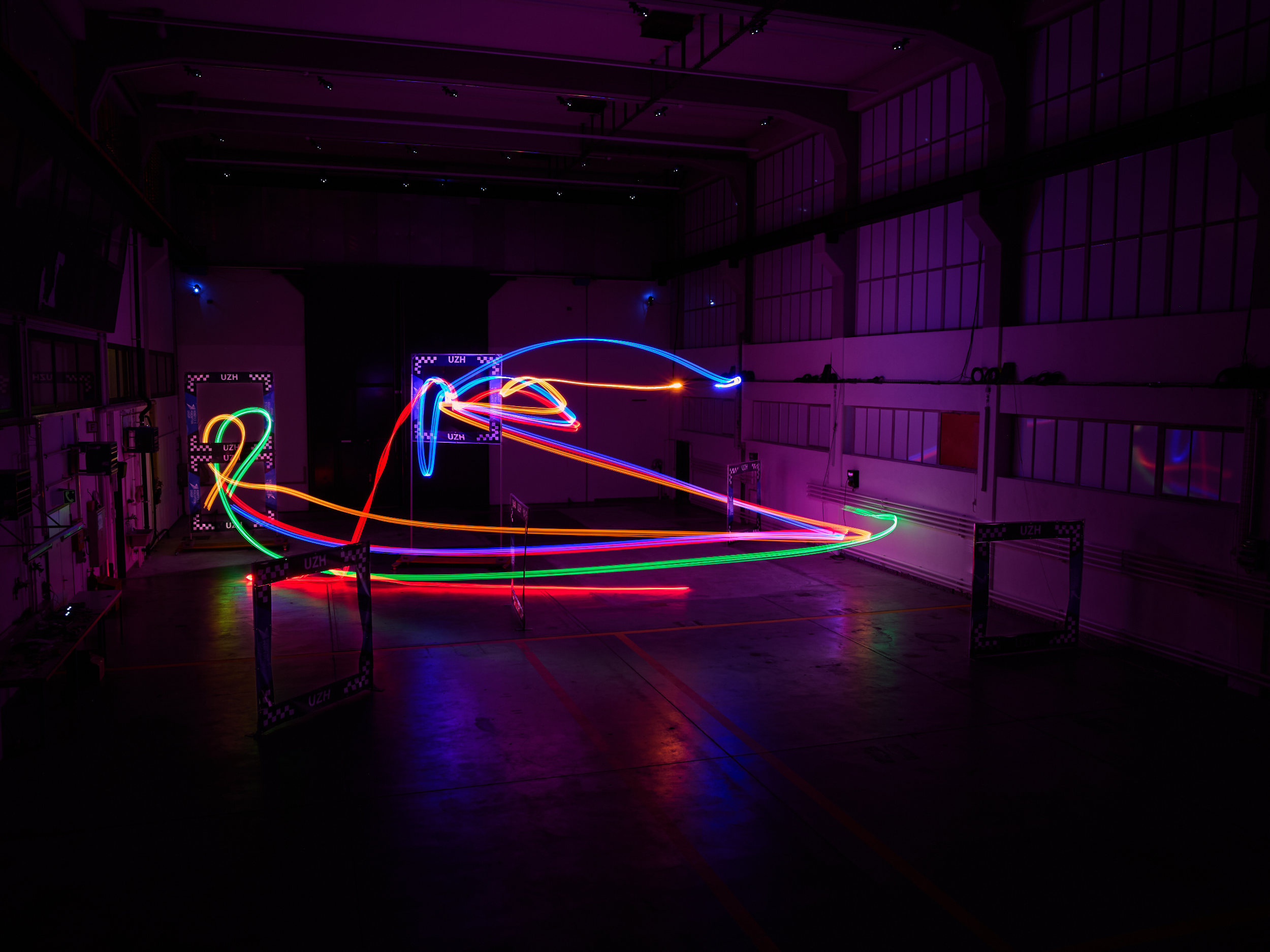
Race cars, rockets, drone shows, and much more.
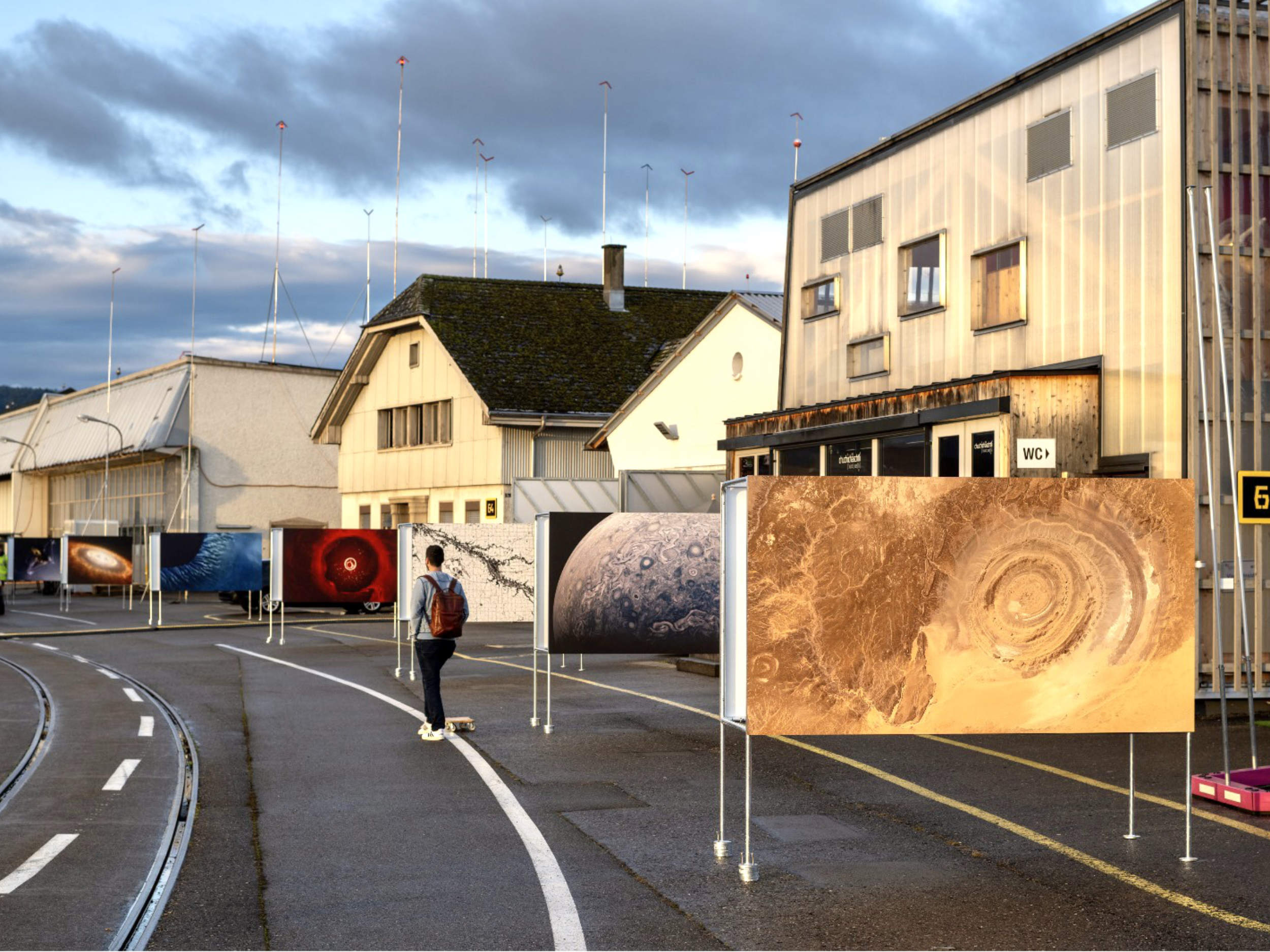
To kick off Scientifica, we – together with Empa – invite you to Dübendorf at the Zurich Innovation Park, where research and entrepreneurial spirit come together.
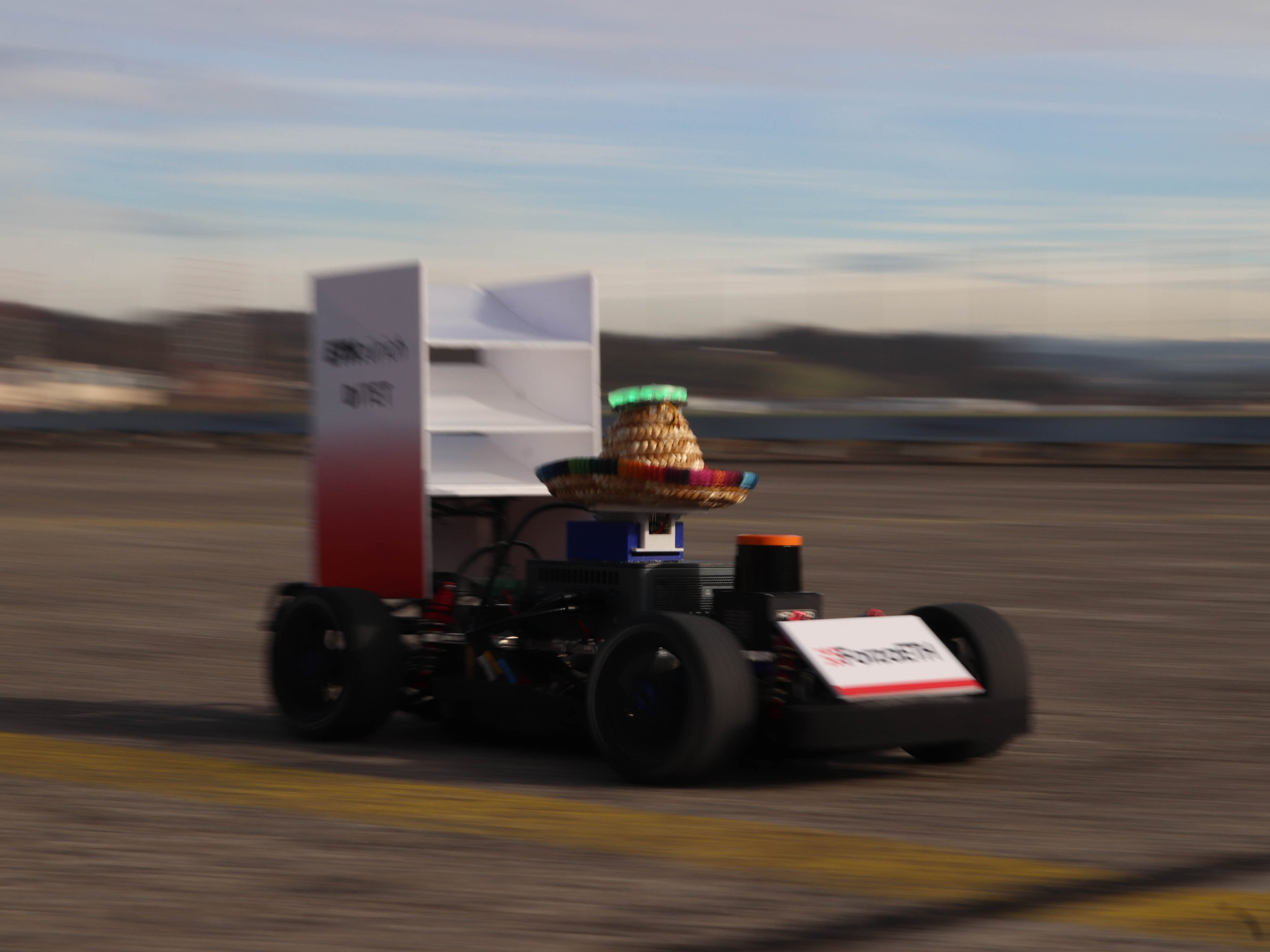
What makes cars able to drive themselves? ForzaETH demonstrates how small autonomous racing cars perceive their surroundings and make decisions in a fraction of a second. Visitors can race against an autonomous vehicle themselves and experience robotics at first hand.
Suitable for: For all / families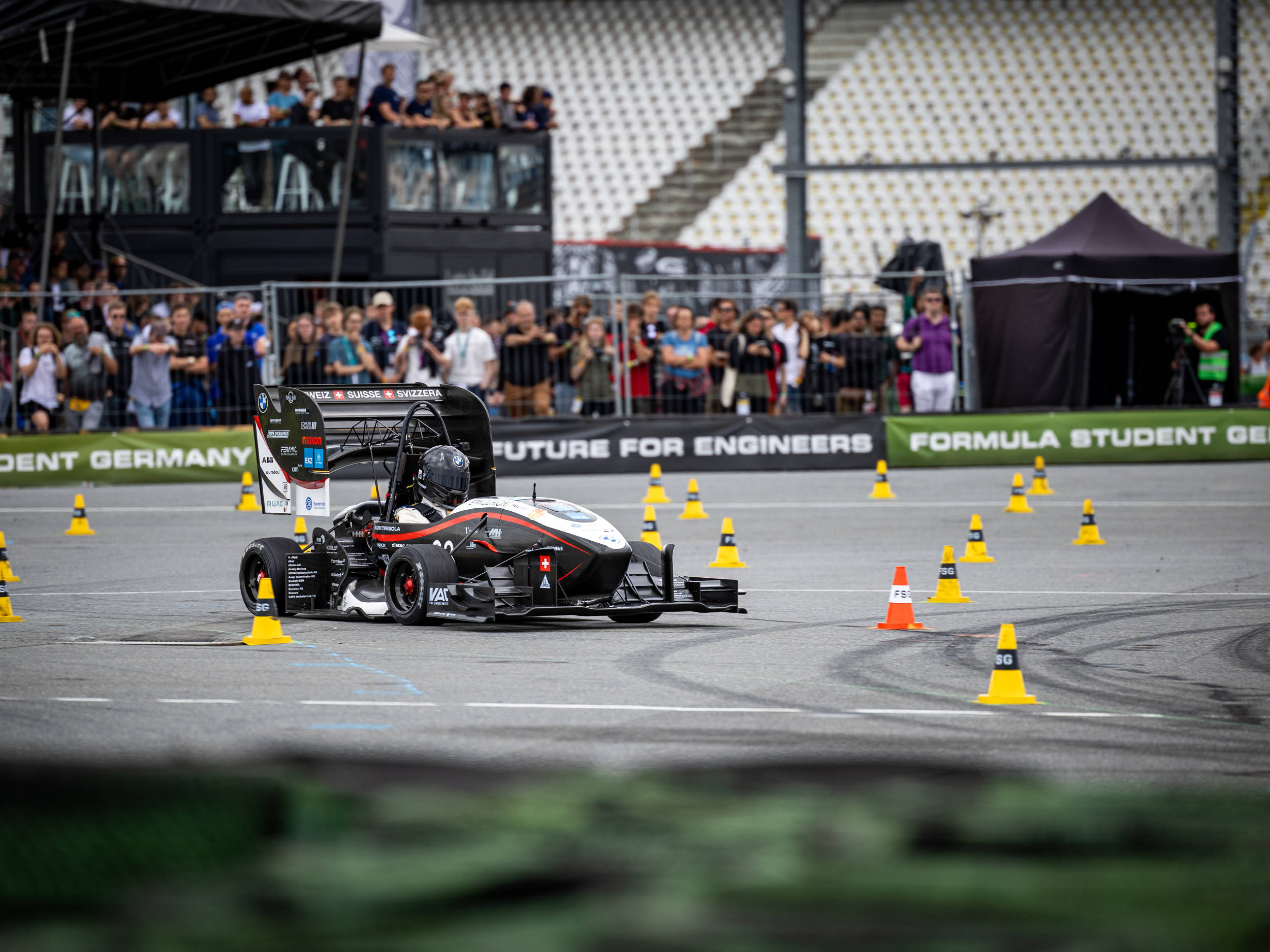
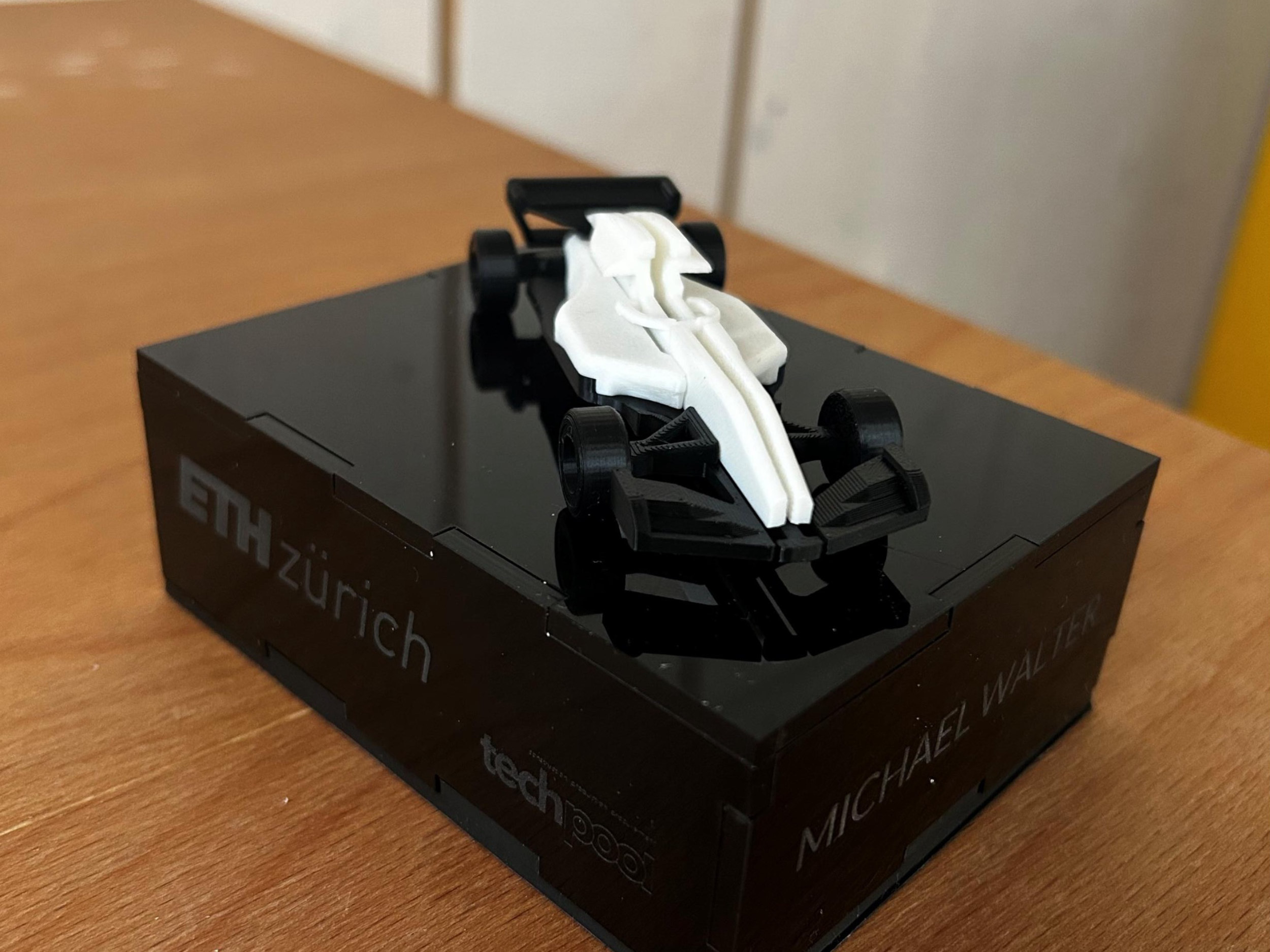
AMZ Racing has been building prototype race cars since 2006 to compete in the world’s biggest engineering competition Formula Student. Every year a completely new team gets the chance to start from scratch to build the fastest car possible. In the year 2023 with a special project the team set the world record for acceleration.
Suitable for: For all / families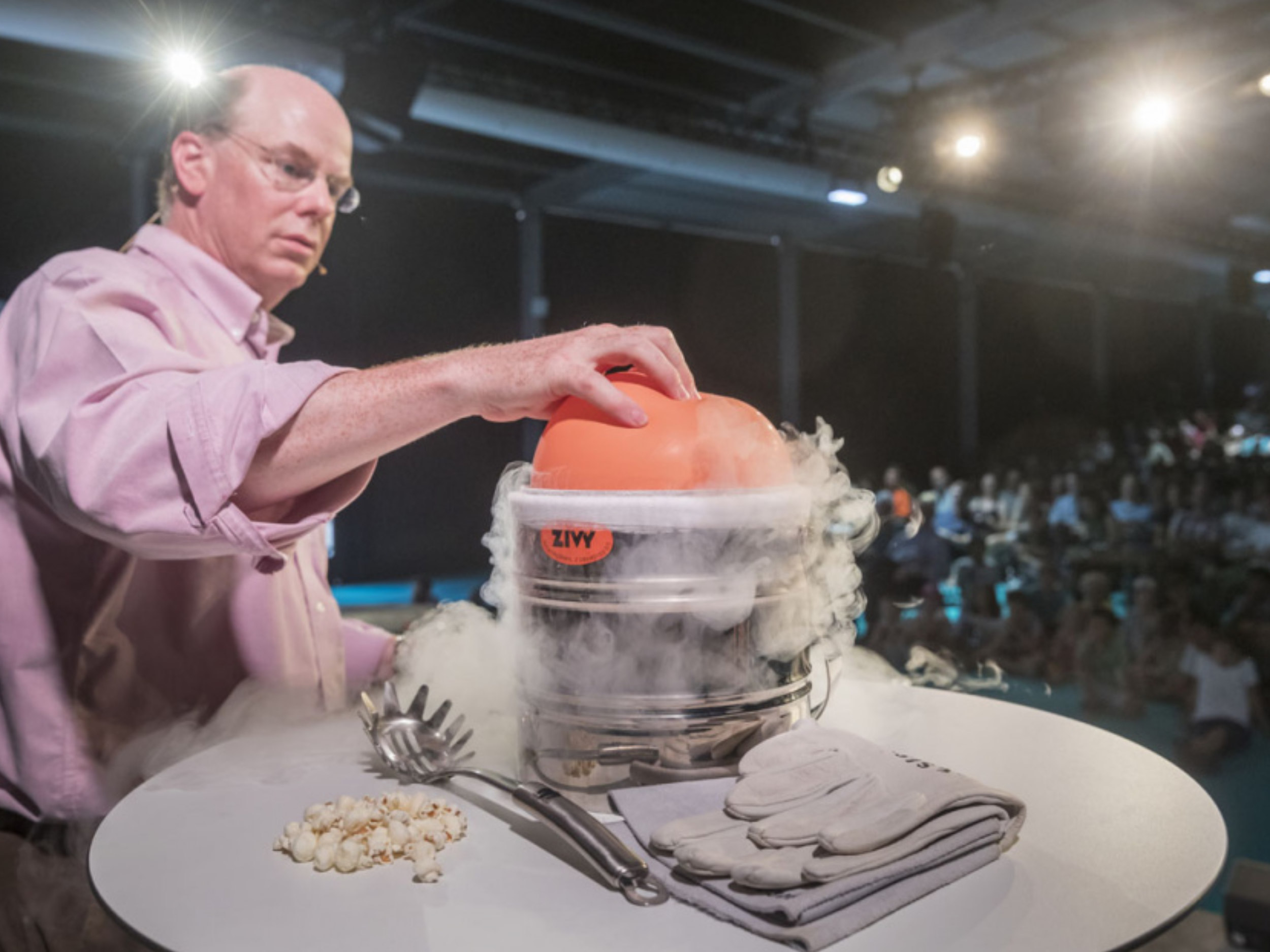
A physics show full of wonders with Christof Aegerter
Suitable for: For all / families What makes cars able to drive themselves? ForzaETH demonstrates how small autonomous racing cars perceive their surroundings and make decisions in a fraction of a second. Visitors can race against an autonomous vehicle themselves and experience robotics at first hand.
Suitable for: For all / families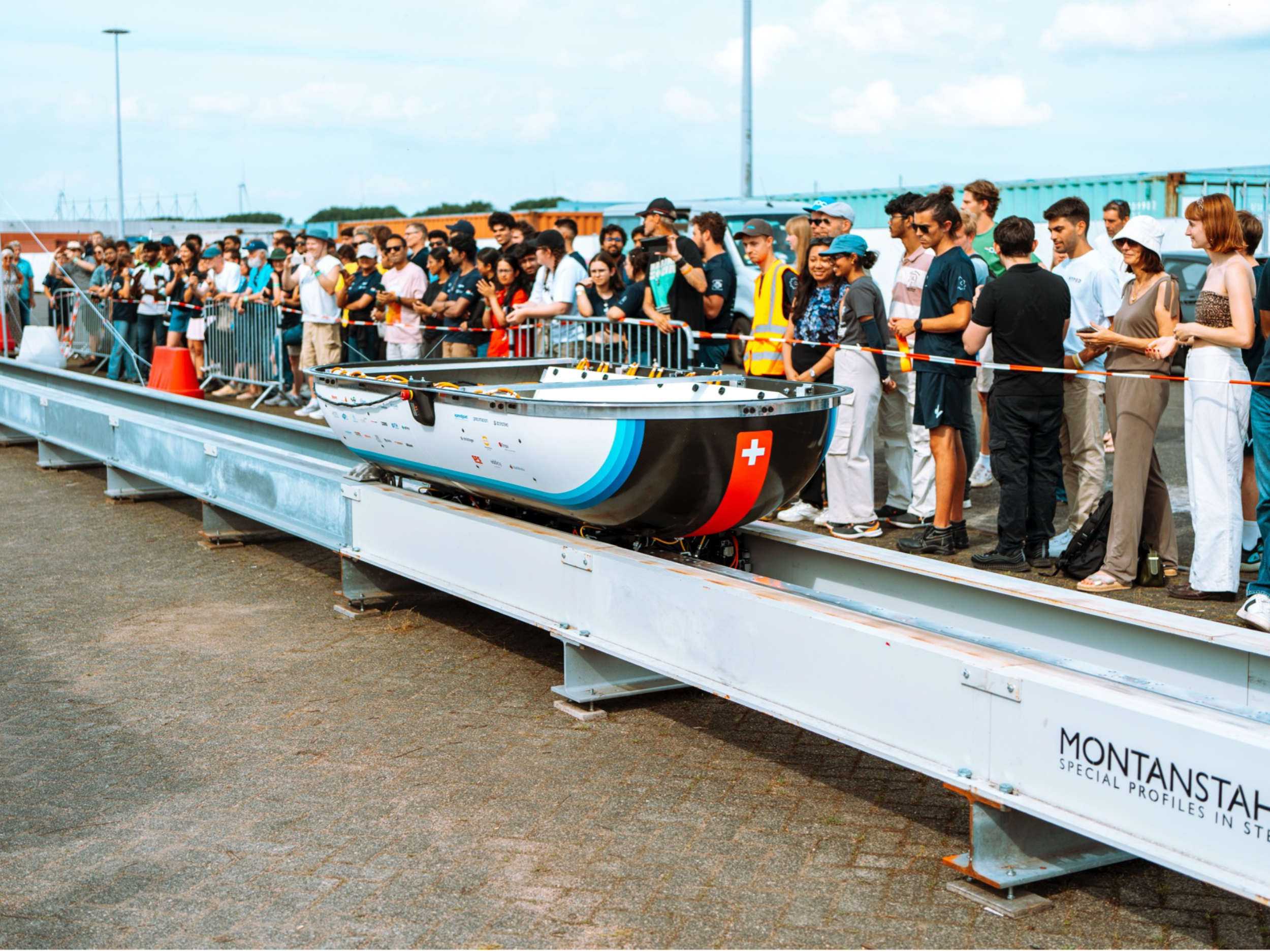
From Zurich to Barcelona in an hour—without a plane? Students at ETH Zurich are working on exactly that and, as part of the Swissloop project, are developing a levitating pod for the transportation technology of the future.
Suitable for: For all / families AMZ Racing has been building prototype race cars since 2006 to compete in the world’s biggest engineering competition Formula Student. Every year a completely new team gets the chance to start from scratch to build the fastest car possible. In the year 2023 with a special project the team set the world record for acceleration.
Suitable for: For all / families A physics show full of wonders with Christof Aegerter
Suitable for: For all / families What makes cars able to drive themselves? ForzaETH demonstrates how small autonomous racing cars perceive their surroundings and make decisions in a fraction of a second. Visitors can race against an autonomous vehicle themselves and experience robotics at first hand.
Suitable for: For all / families From Zurich to Barcelona in an hour—without a plane? Students at ETH Zurich are working on exactly that and, as part of the Swissloop project, are developing a levitating pod for the transportation technology of the future.
Suitable for: For all / families AMZ Racing has been building prototype race cars since 2006 to compete in the world’s biggest engineering competition Formula Student. Every year a completely new team gets the chance to start from scratch to build the fastest car possible. In the year 2023 with a special project the team set the world record for acceleration.
Suitable for: For all / families What makes cars able to drive themselves? ForzaETH demonstrates how small autonomous racing cars perceive their surroundings and make decisions in a fraction of a second. Visitors can race against an autonomous vehicle themselves and experience robotics at first hand.
Suitable for: For all / families From Zurich to Barcelona in an hour—without a plane? Students at ETH Zurich are working on exactly that and, as part of the Swissloop project, are developing a levitating pod for the transportation technology of the future.
Suitable for: For all / families AMZ Racing has been building prototype race cars since 2006 to compete in the world’s biggest engineering competition Formula Student. Every year a completely new team gets the chance to start from scratch to build the fastest car possible. In the year 2023 with a special project the team set the world record for acceleration
Suitable for: For all / families From Zurich to Barcelona in an hour—without a plane? Students at ETH Zurich are working on exactly that and, as part of the Swissloop project, are developing a levitating pod for the transportation technology of the future.
Suitable for: For all / families
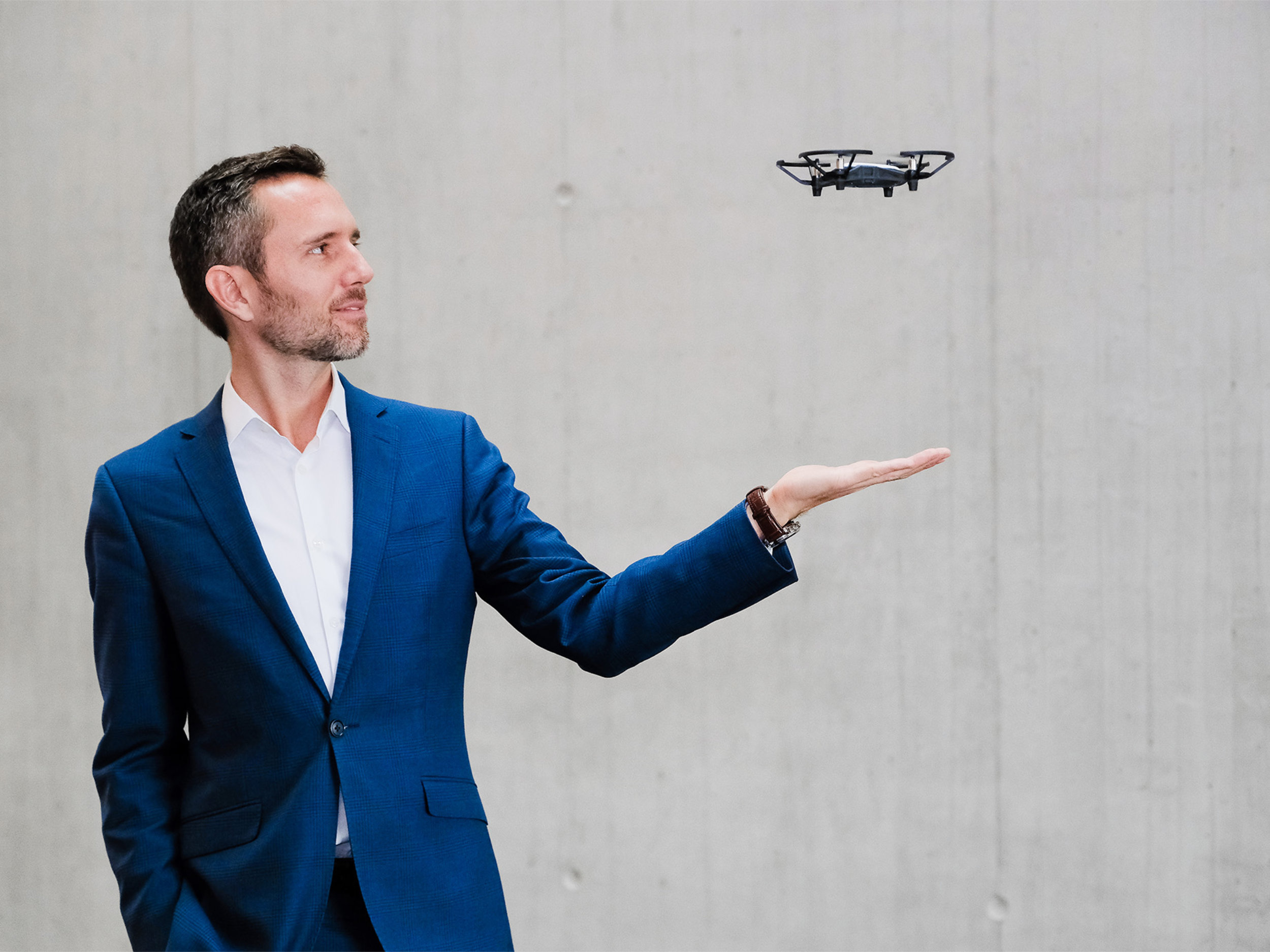
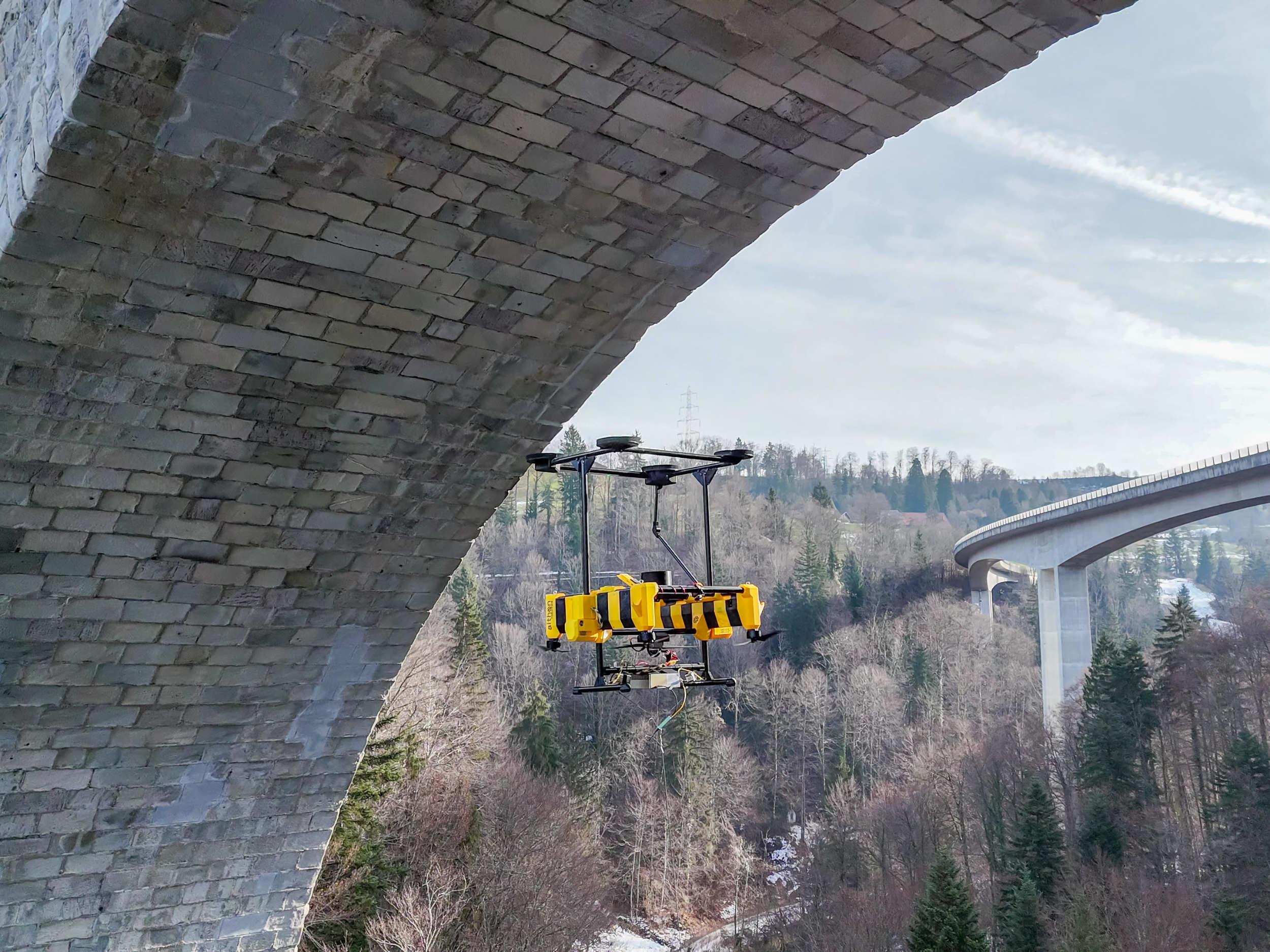
Many bridges in Switzerland are reaching the end of their planned lifespan. Inspecting their condition is a time-consuming and dangerous task. Aithon Robotics develops drones that can inspect structures – even in hard-to-reach places – with precision and at low cost. This enables damage to be detected at an early stage and renovation work to be planned effectively.
AMZ Racing has been building prototype race cars since 2006 to compete in the world’s biggest engineering competition Formula Student. Every year a completely new team gets the chance to start from scratch to build the fastest car possible. In the year 2023 with a special project the team set the world record for acceleration.
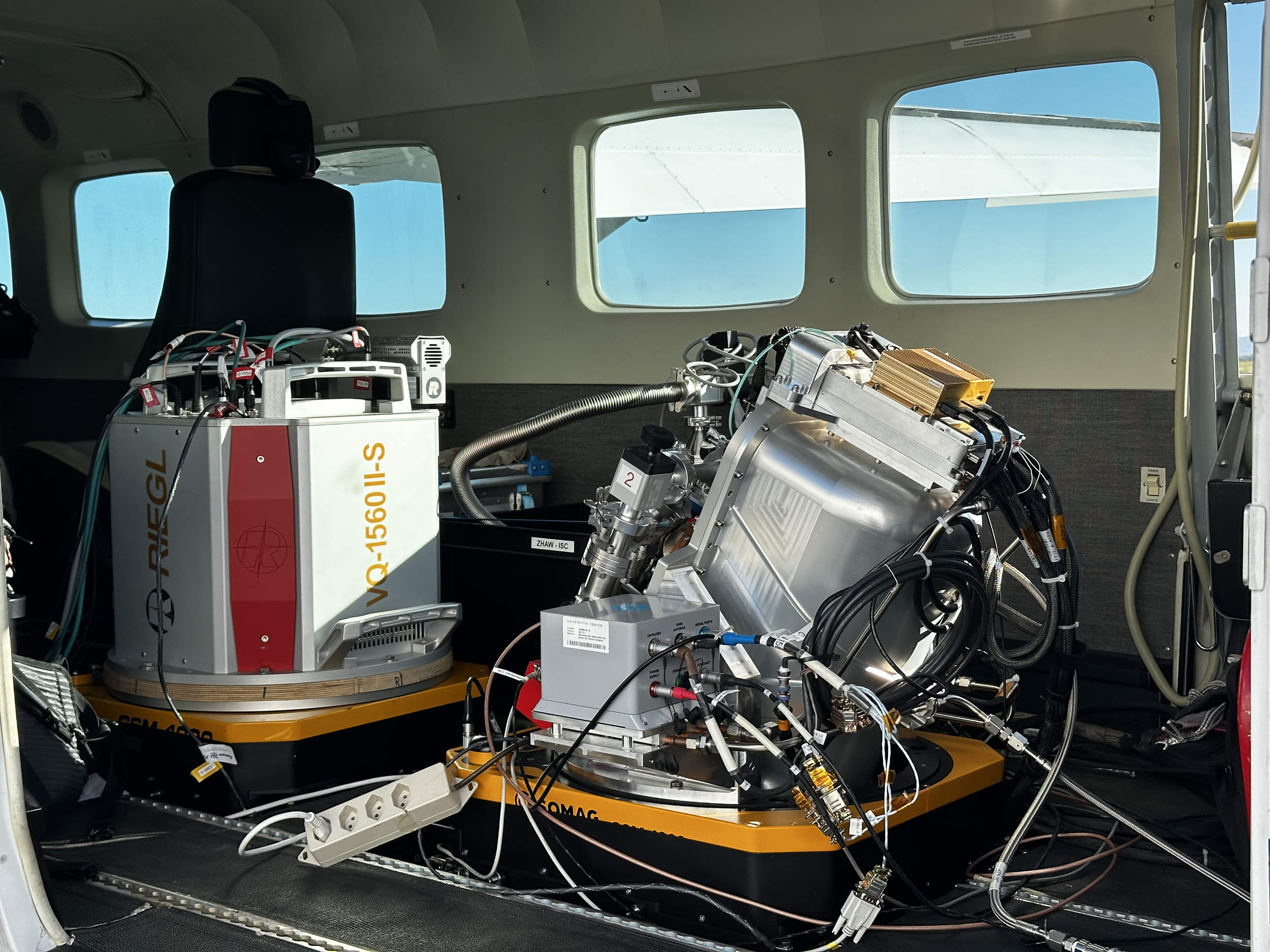
For Scientifica, ARES – UZH’s airborne observation platform – is making a stop in Dübendorf. Step aboard the ARES research aircraft, whose sensors are among the most advanced in the world. Learn how it can be used to collect highly detailed data for climate and environmental sciences.
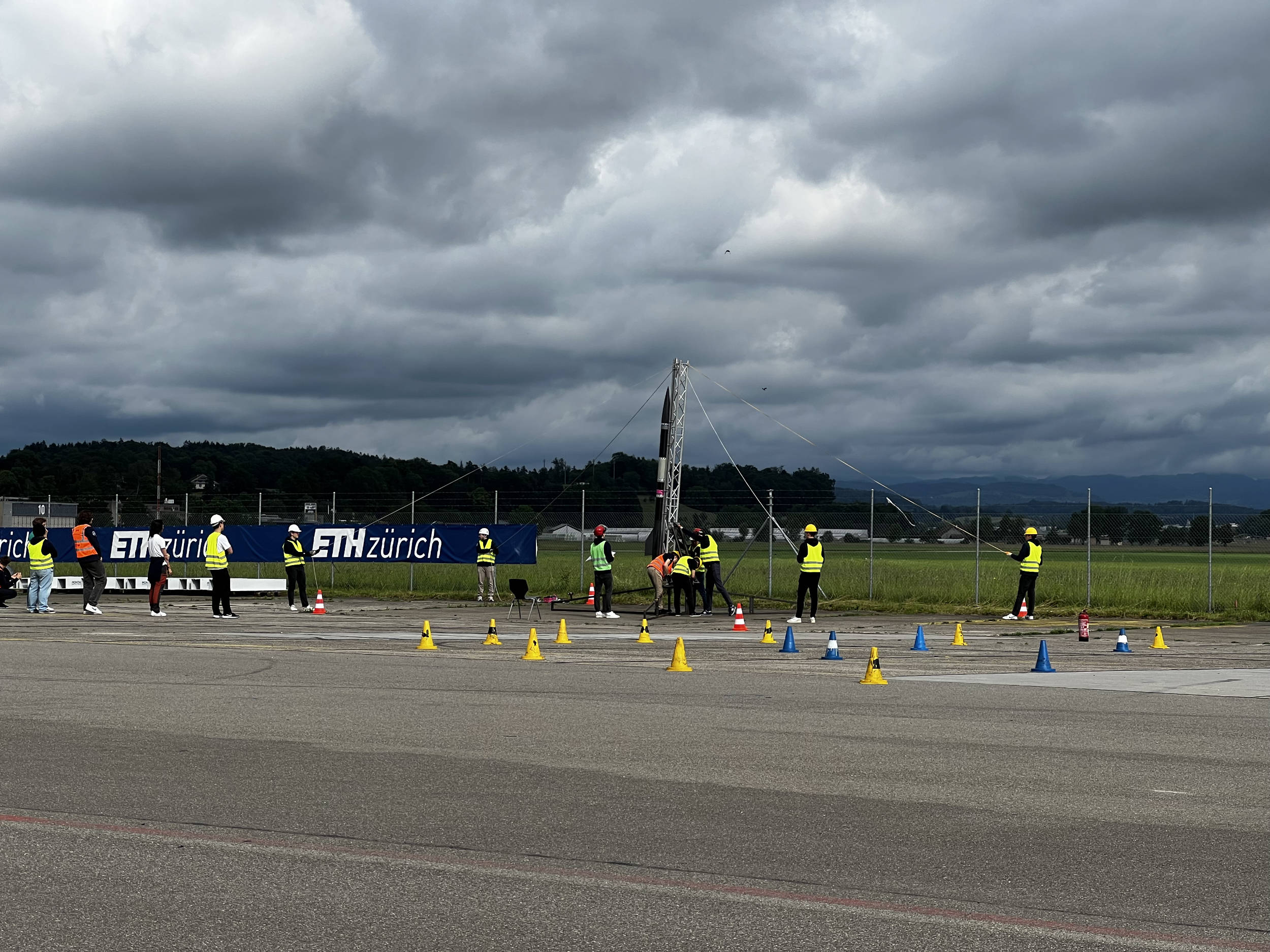
ARIS is a student organization for space enthusiasts. What began as participation in student competitions has evolved into a multifaceted organization with three main areas of focus: rockets, satellites, and robotics.
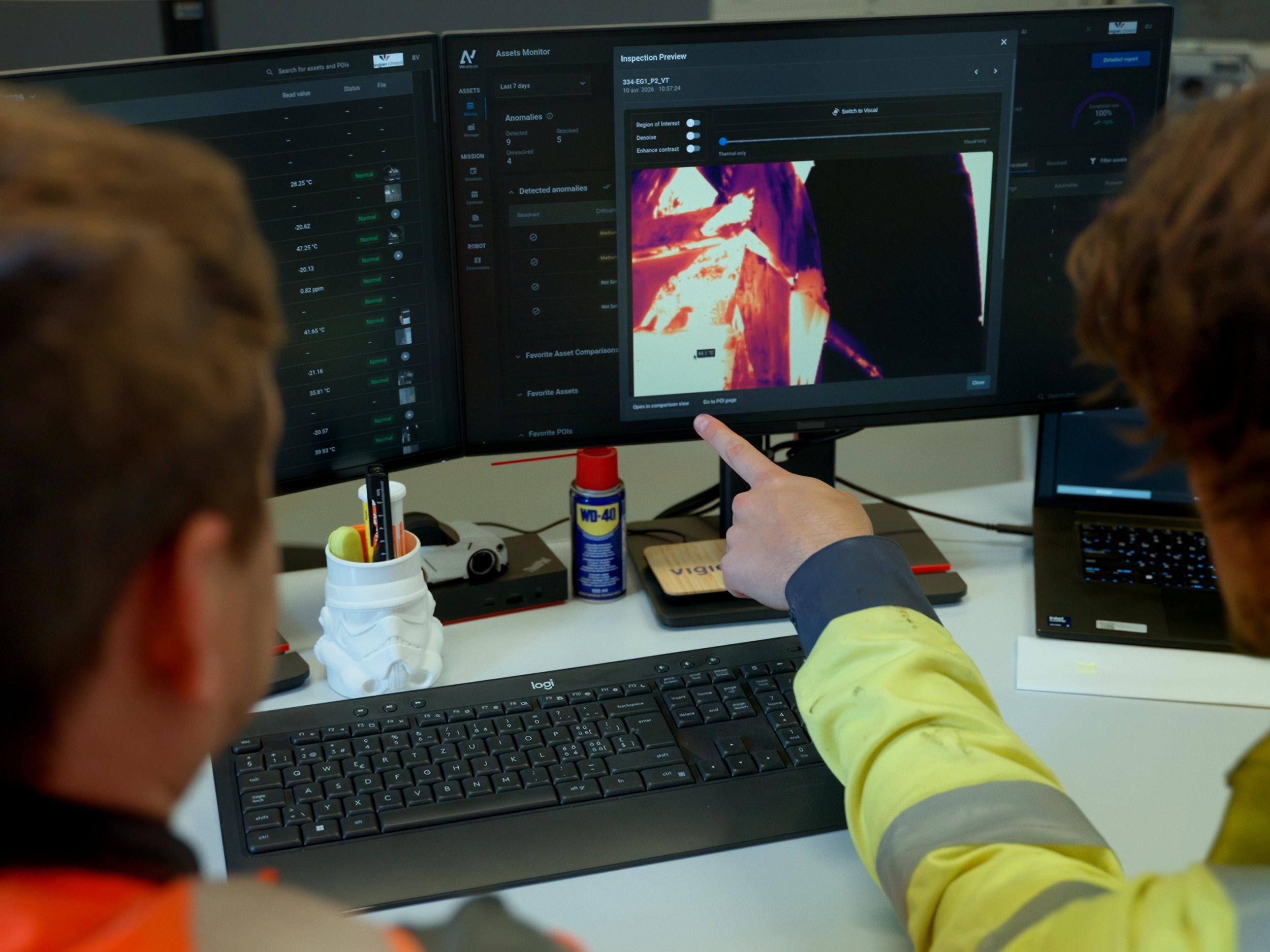
Meet ANYmal. Our autonomous robot can move through complex industrial sites, climb stairs, and collect important information in places that are difficult or dangerous for people to reach. Discover how our technology helps industrial plants run more safely, reliably, and efficiently.
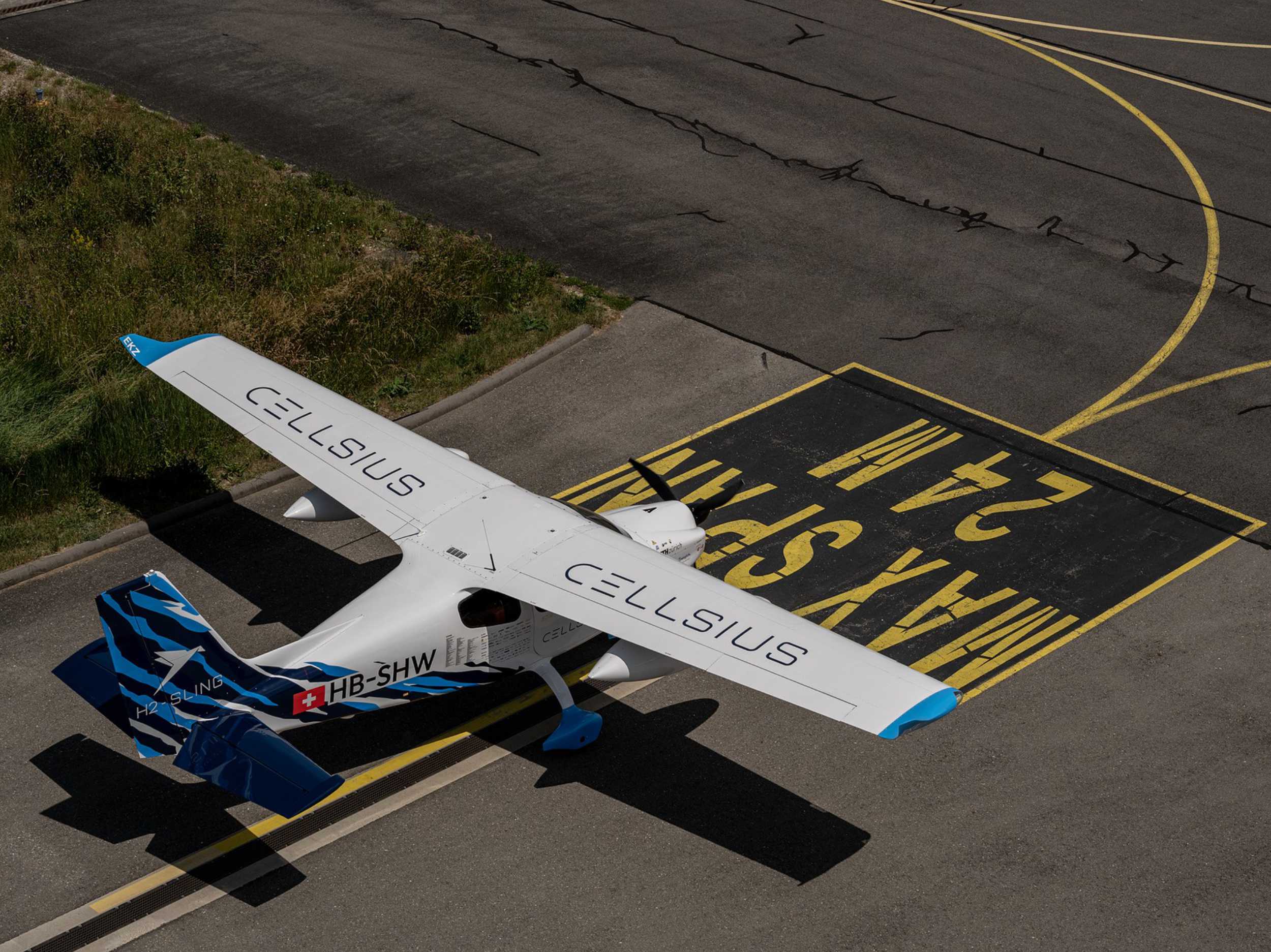
How can flying become more climate-friendly? The ETH focus project CELLSIUS is developing a hydrogen-powered light aircraft, demonstrating how zero-emission propulsion technologies could transform aviation.
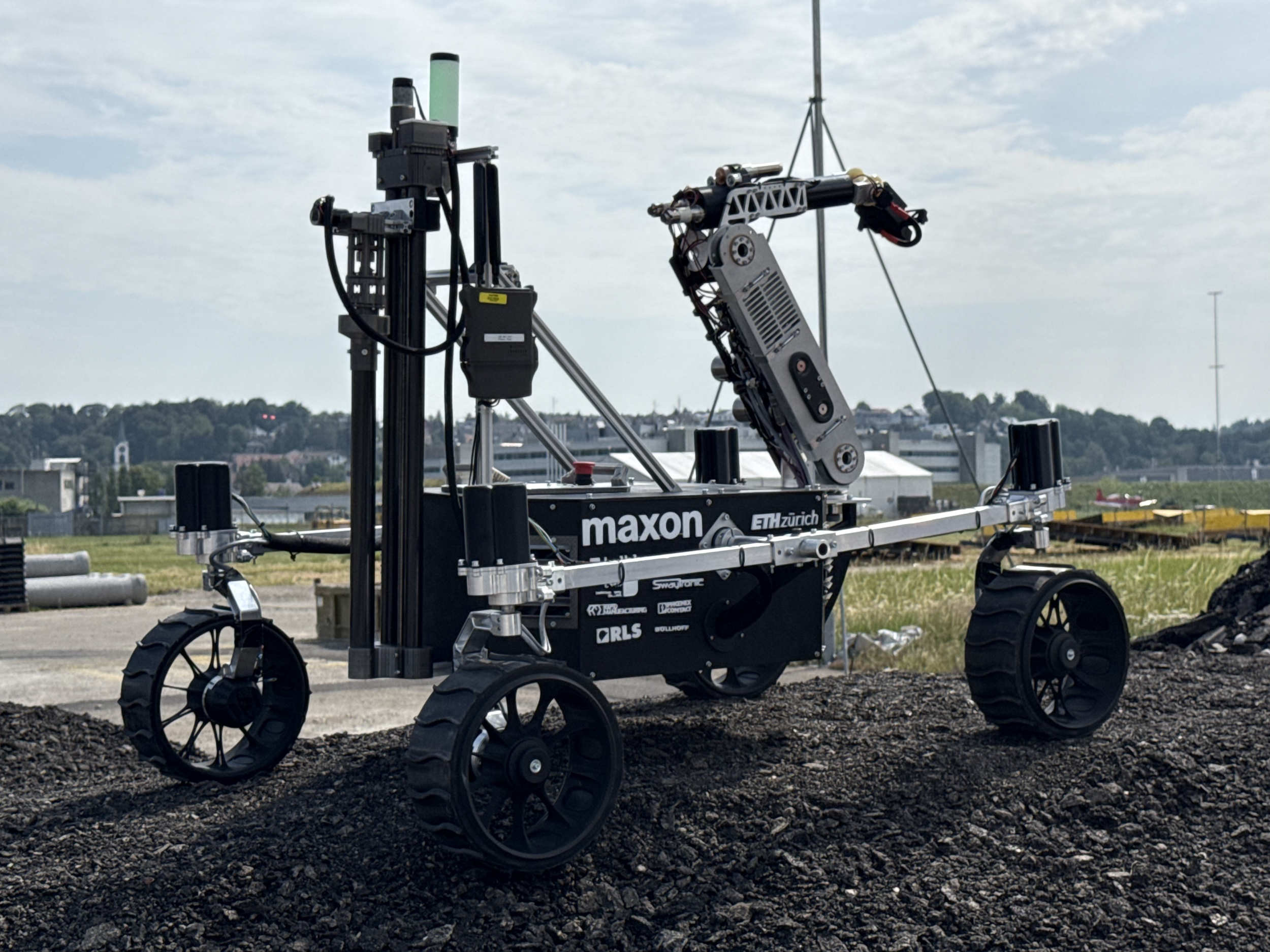
More than 50 ETH students are developing an autonomous Mars rover at CRATER – and have taken it from concept to working prototype in less than nine months. At Scientifica, you can experience the rover and drive it yourself on the test track.
We empower curious minds to translate ideas into real-world impact through the full disciplinary diversity of UZH. The goal is for innovative ideas from research to have a positive impact on society. At Scientifica, meet three startups that have made the journey from idea to product.
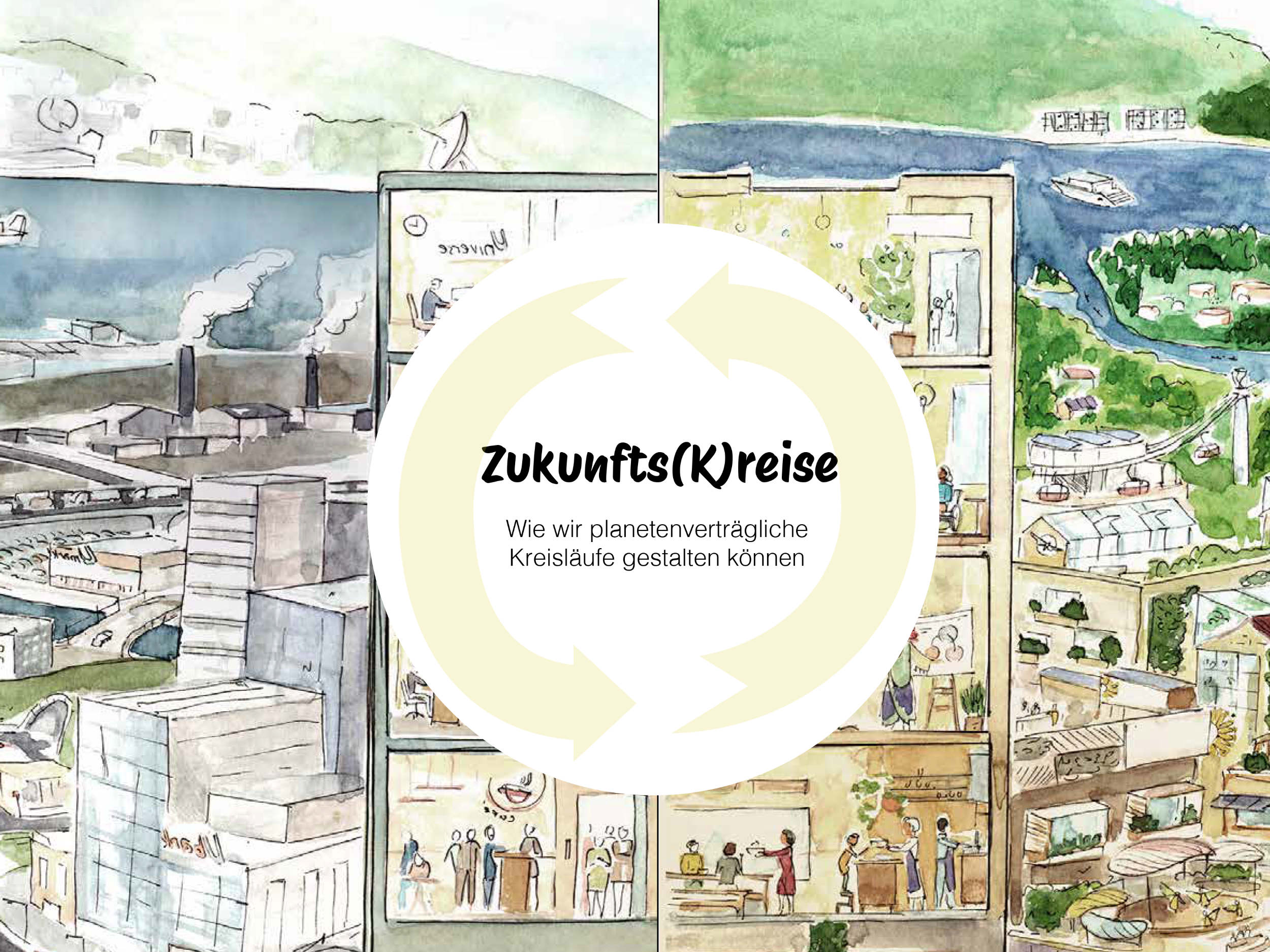
In light of the three-pronged planetary crisis—climate change, environmental pollution, and biodiversity loss—the way we manage and source materials is both a driver of this crisis and an essential part of its solution. At Empa, we are therefore investigating how the circular economy can be strengthened to help address these global challenges.
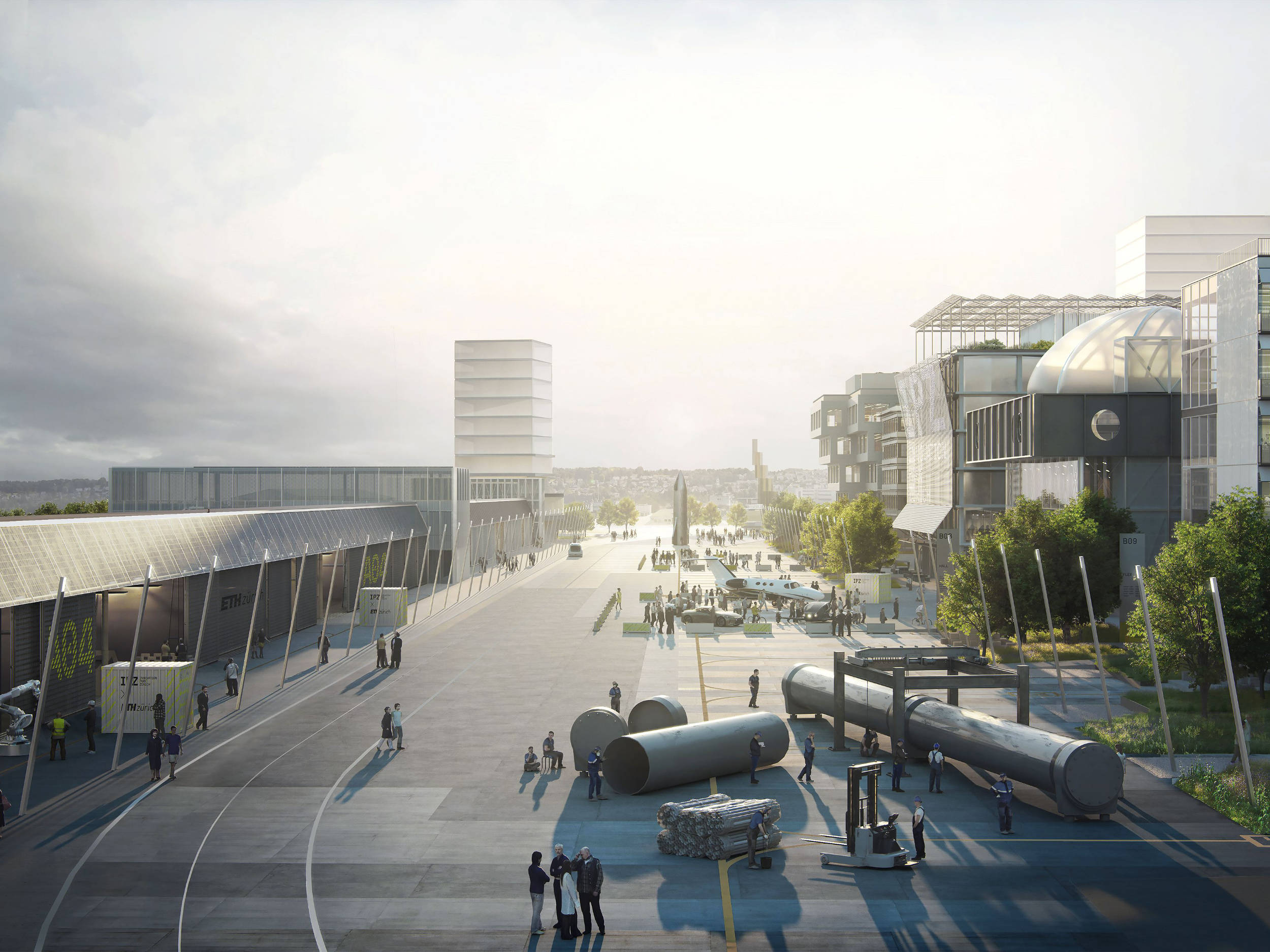
Where are the technologies of tomorrow being developed? Discover the Innovation Park Zurich: Here, numerous people from the worlds of research and business are already working together on robotics, mobility, aerospace, and new manufacturing methods. Learn how this hub for research and innovation will evolve in the coming years.

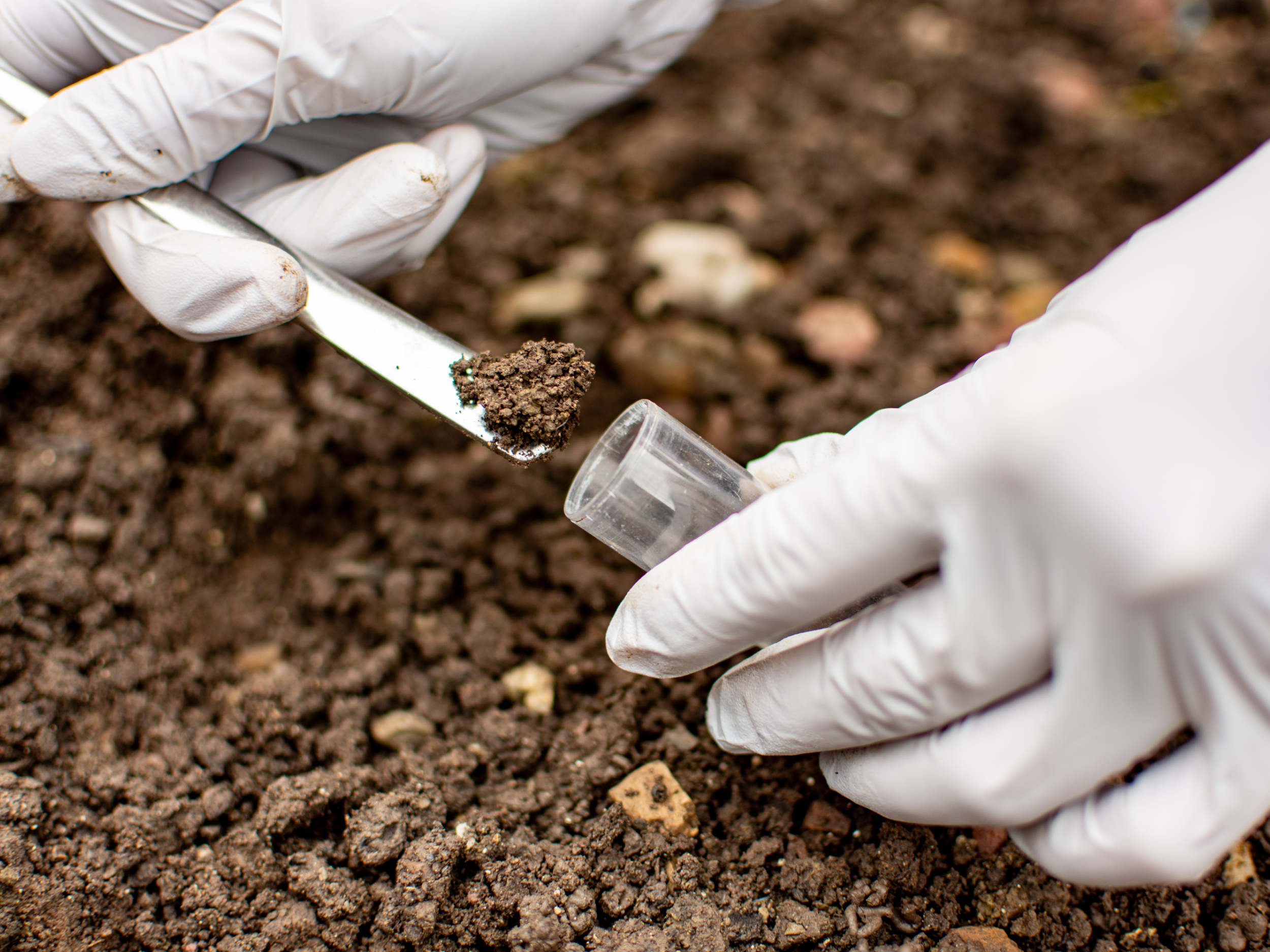
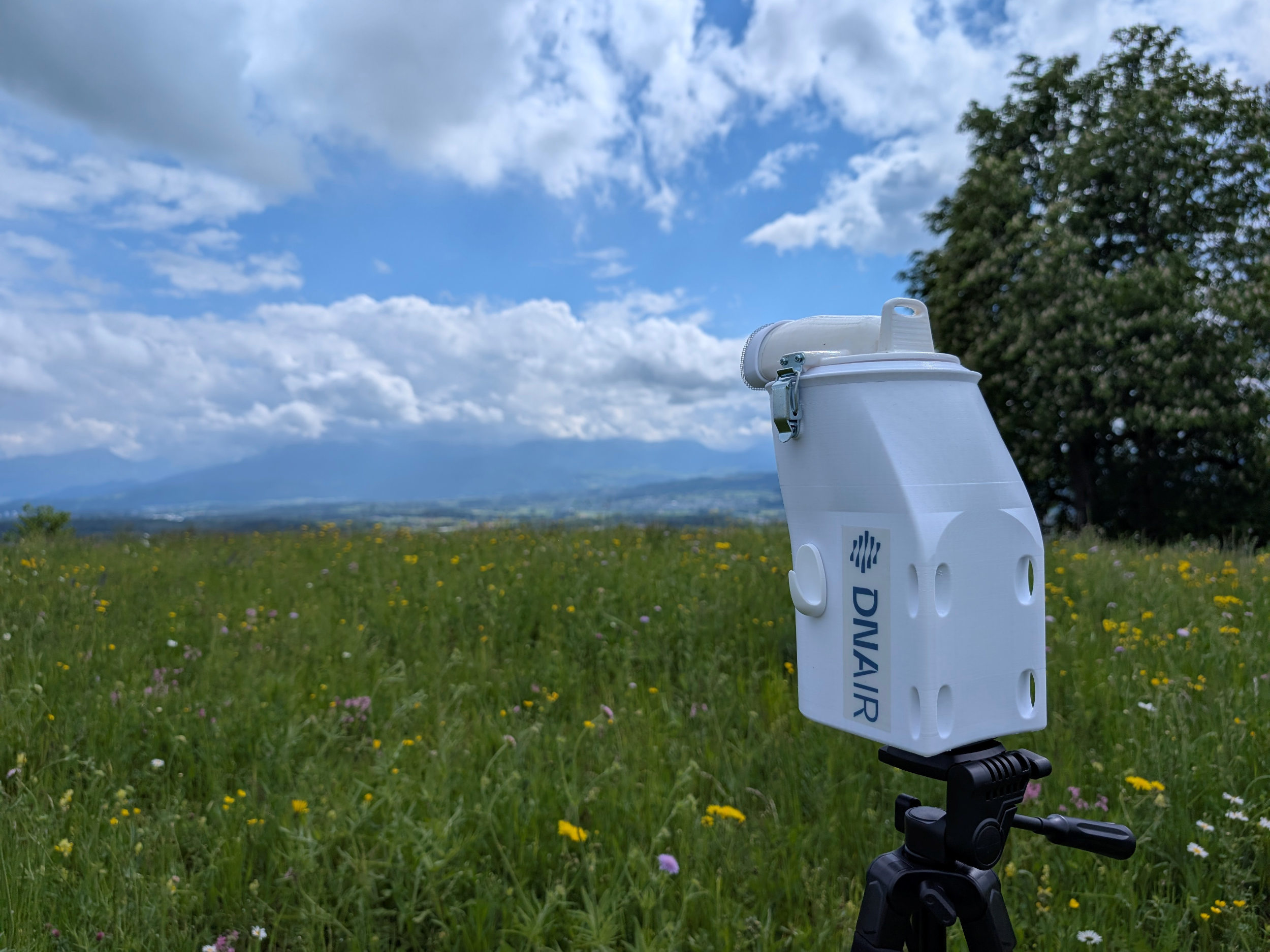
The air contains tiny traces of DNA from animals, plants, and fungi. DNAir makes this environmental DNA visible, thereby enabling the monitoring of biodiversity. We’ll show you how an air sample can be used to create a picture of the biodiversity that surrounds us.
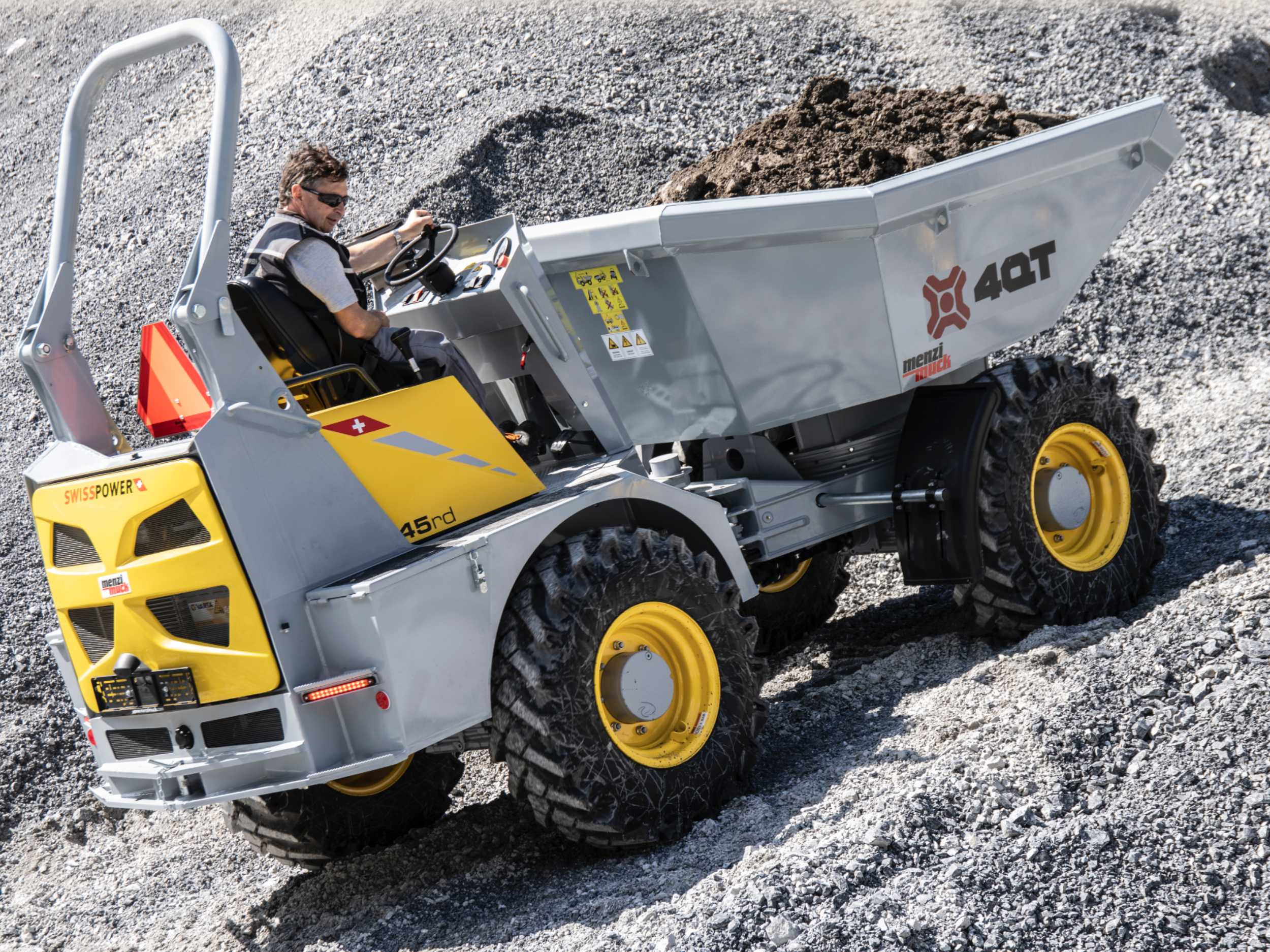
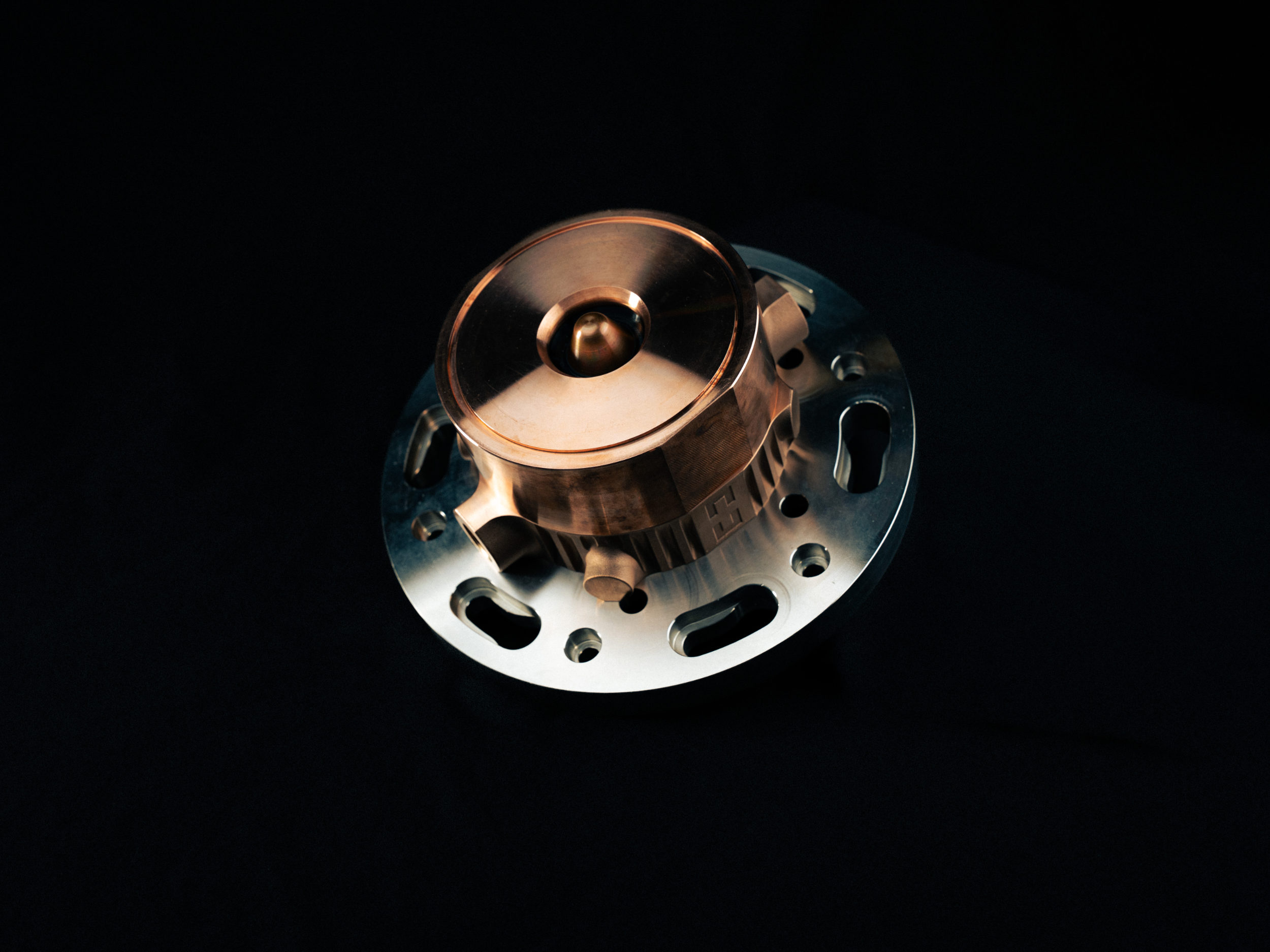
Heavy machines – construction, mining, agriculture, defence – share the same unsolved problem: they run on diesel, they can’t be automated, and replacing them costs millions. This is where the “Drive Core” drive platform, developed by the ETH spin-off 4QT, comes into play.

Dufour Aerospace develops drones that deliver medical supplies and other critical cargo quickly and safely to hard-to-reach locations. Meet the Aero-200, a new type of transport drone that takes off and lands vertically and flies as efficiently as an aeroplane.
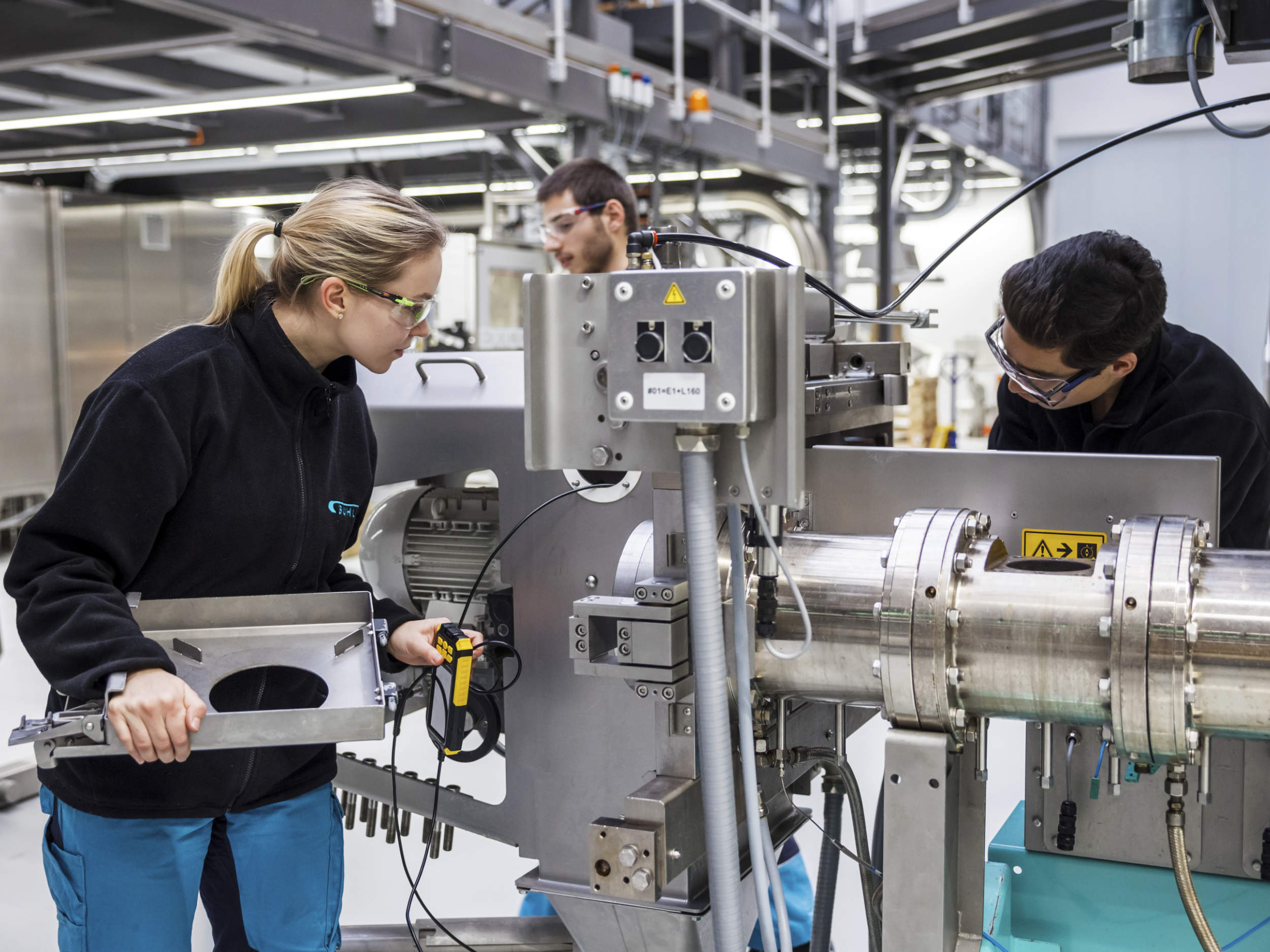
How does an idea become a good product? Turning it into a prototype allows for rapid testing and is the key to improving the idea step by step. Experience the process by designing your own propeller on the touchscreen. During the subsequent flight test, you’ll find out whether you’ve focused on the right features and the right idea.
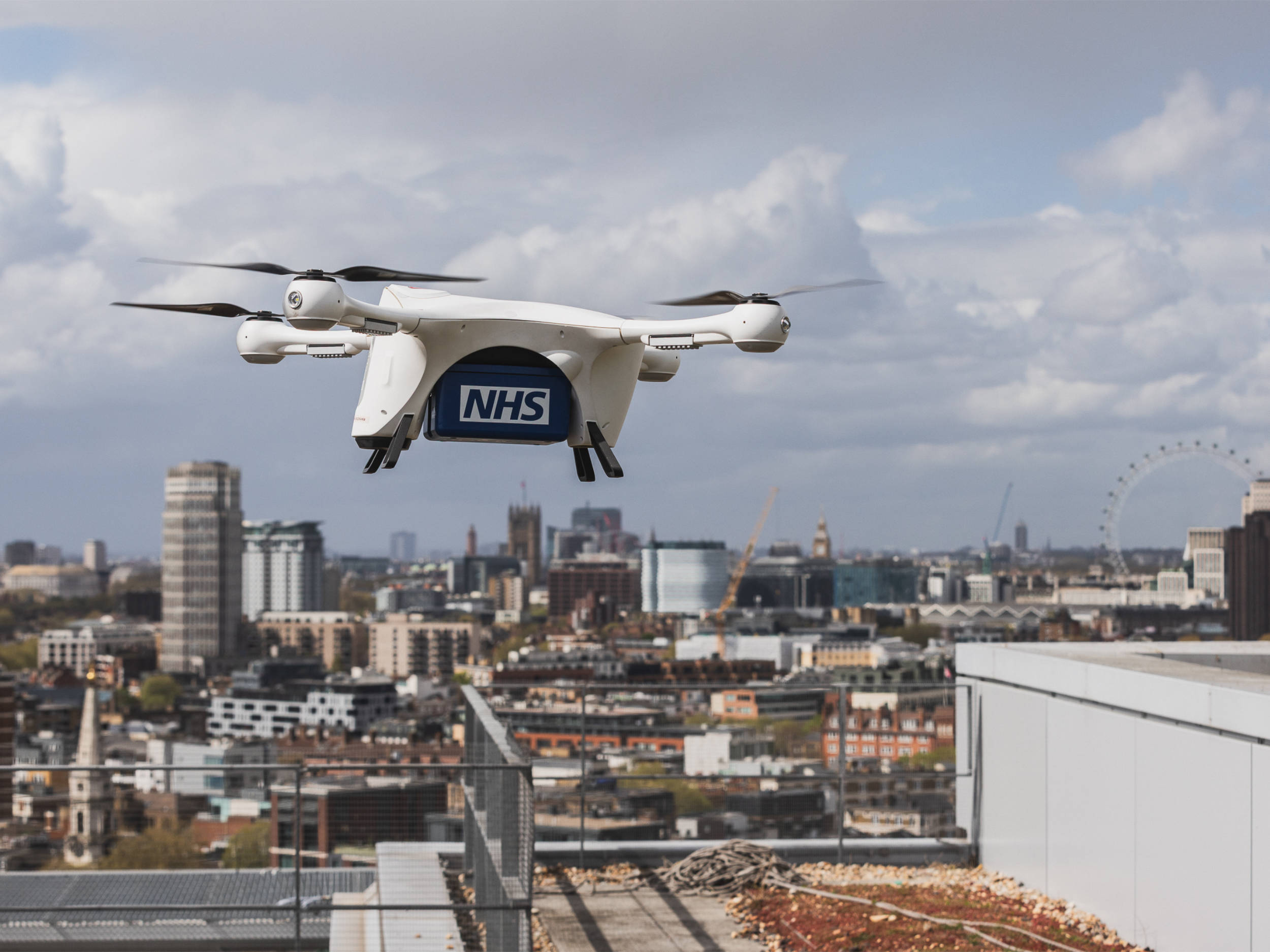
Traffic jams cost time and money and produce emissions. Matternet demonstrates how autonomous drones can transport goods quickly, safely, and without emissions. The world’s first certified system is already delivering medications, food, and packages—and could fundamentally transform urban logistics.
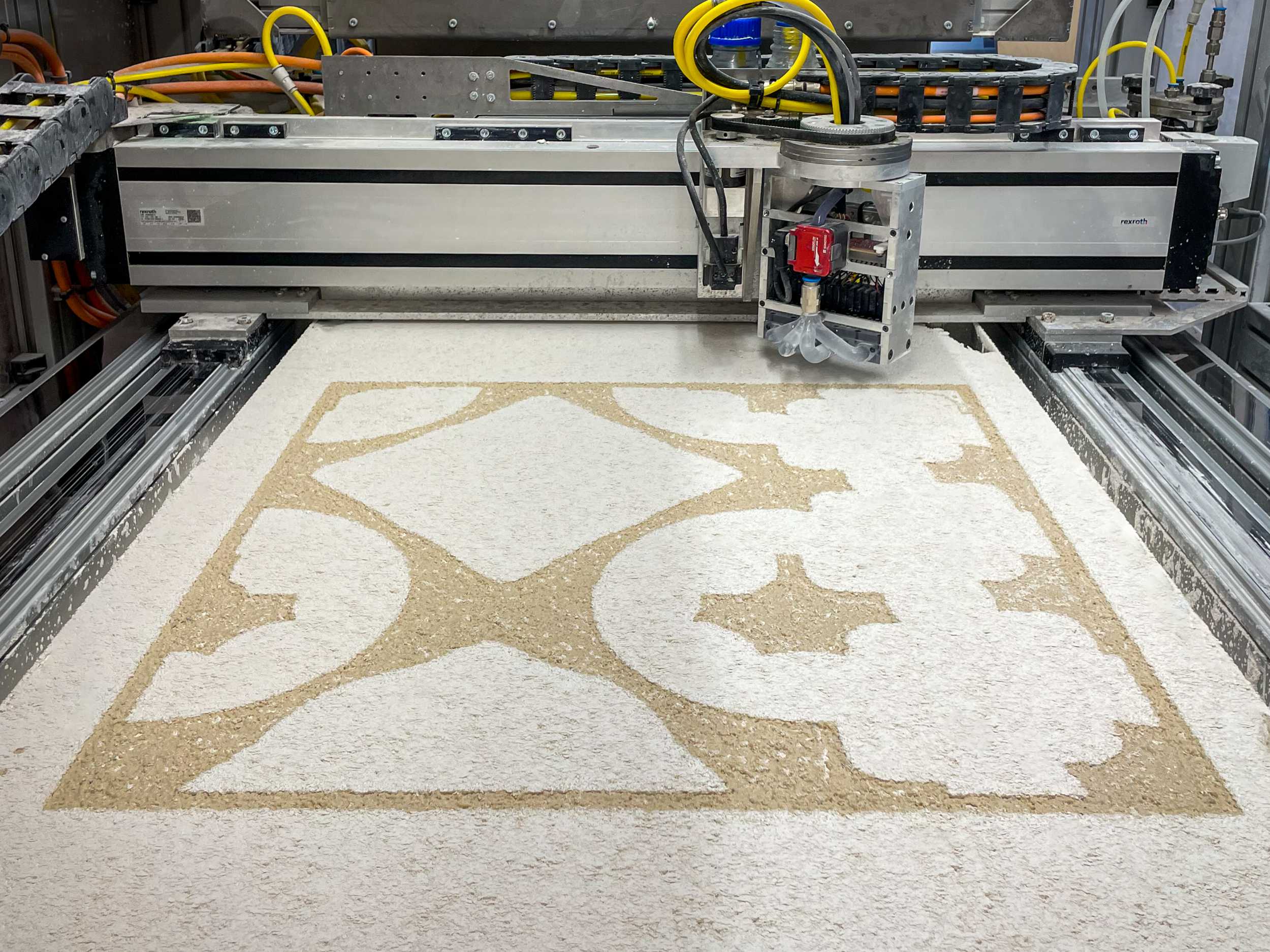
Rock dust and crushed rock of various types can be processed into certified stone using a technology developed at ETH Zurich—without cement, synthetic resin, or a firing process. The ETH spin-off 3DSP is bringing this building material to market.
What does it take for drones not only to fly completely autonomously, but also to do so faster and more safely than when controlled by humans? Learn how robots learn to “see” and react, and how they might be used in the future.
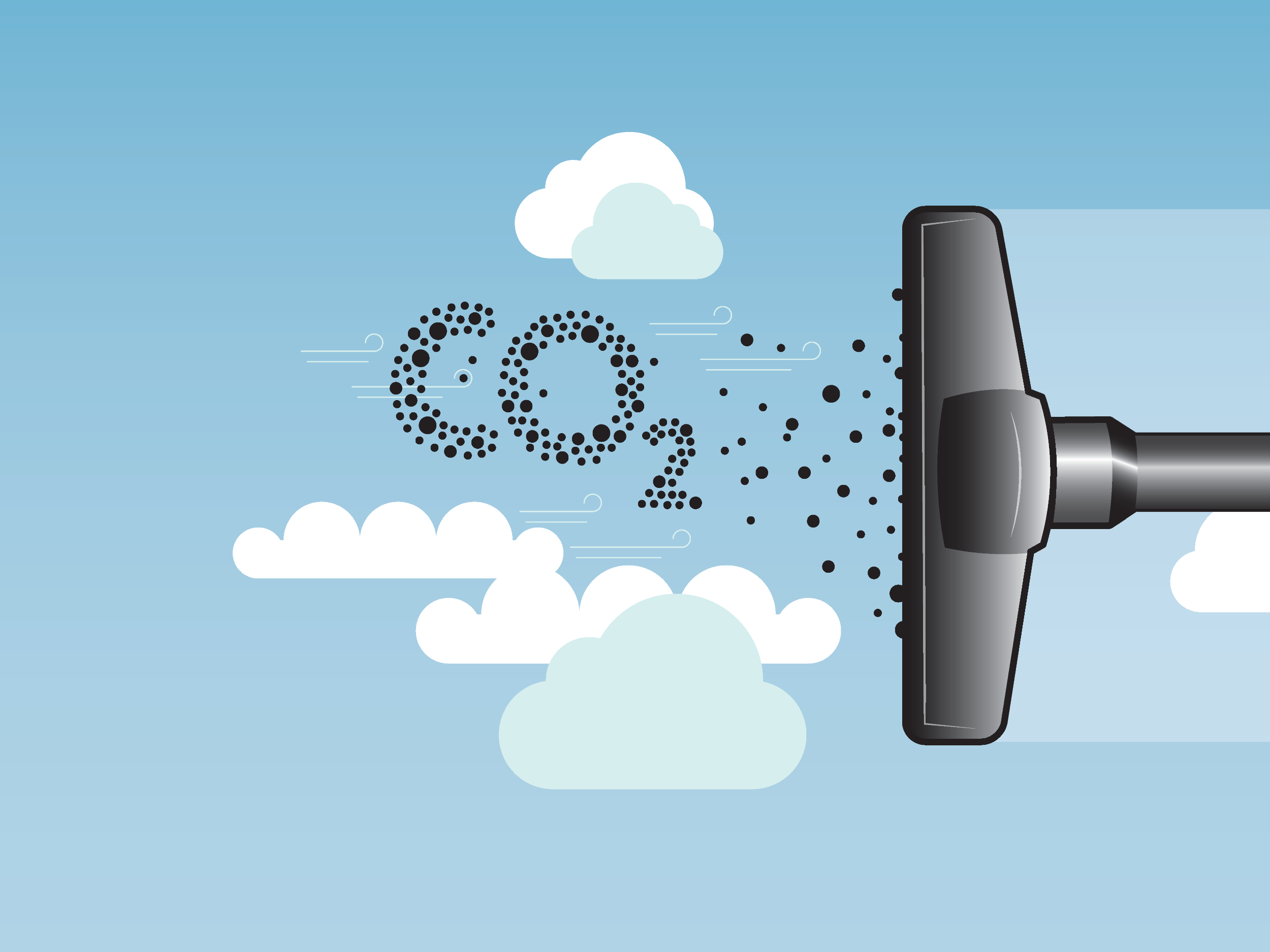
Researchers at Empa are developing new materials and technologies to efficiently capture CO₂ from the atmosphere, convert it into materials, products, and goods, and thus utilize it over the long term. The goal is to combine climate protection with industrial applications.
These chemicals are inconspicuous and can be found almost everywhere. Nevertheless, far too little is known about their properties. Of the millions of compounds, only about 50 have been studied in detail. Empa is investigating how PFAS are released into the environment, what risks they pose to humans and the environment, and how they can be detected, removed, and replaced with sustainable alternatives.

To understand the consequences of environmental pollution, climate change, or the decline in biodiversity, it is often necessary to take a broader perspective. Thanks to the latest technology, remote sensing from the air or from space reveals how humans impact the environment.
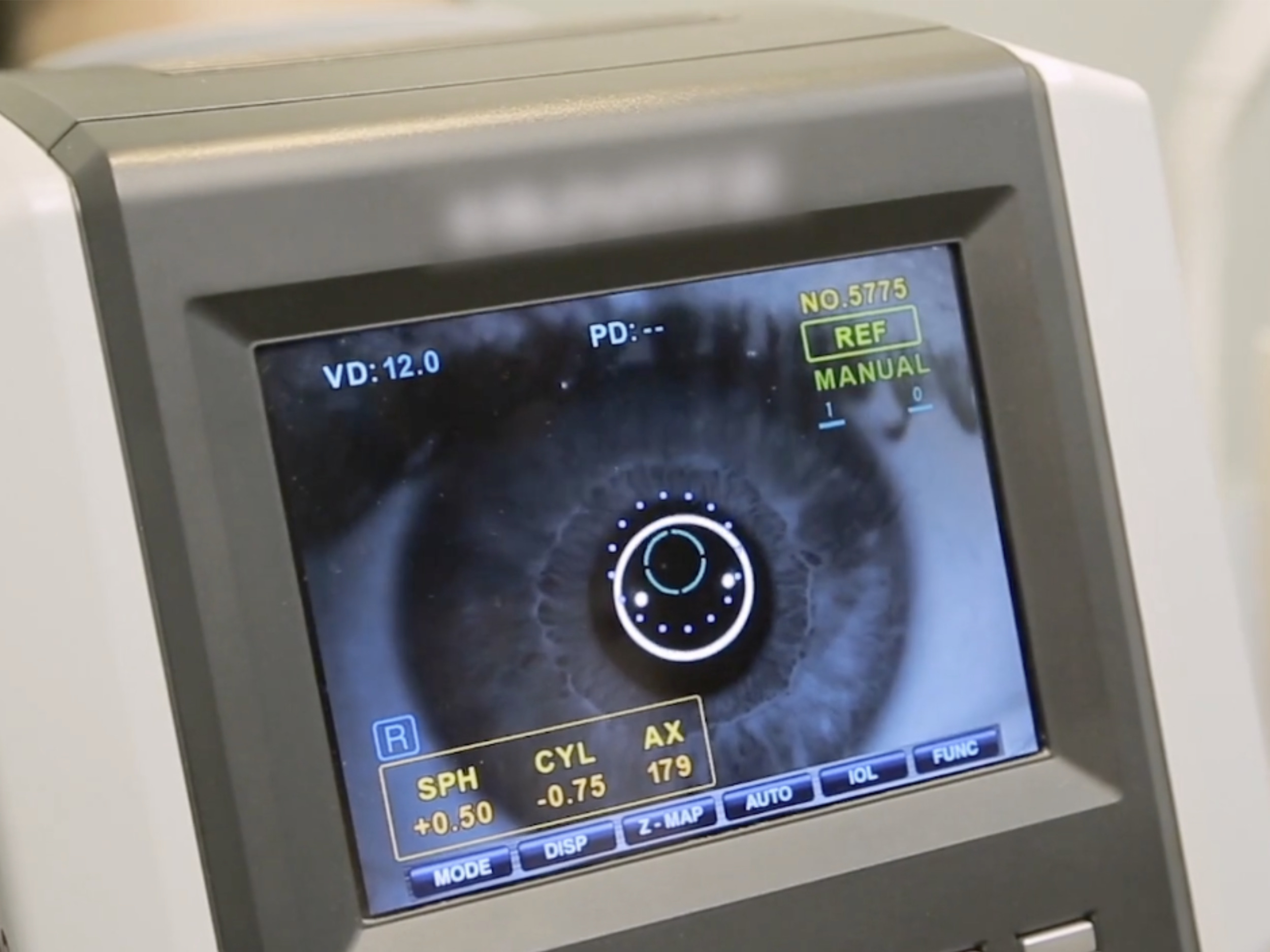
Millions of people lose their vision due to retinal diseases. The Institute for Electromagnetic Fields is developing tiny light sensors made of graphene that could replace damaged photoreceptor cells in the future. We’ll show you how we’re using nanotechnology to open up new possibilities for those affected.
How can humans grow food and survive far from Earth? At SHARF, researchers recreate Moon- and Mars-like conditions to study plants, microbes, and future life-support systems for long-duration space missions.
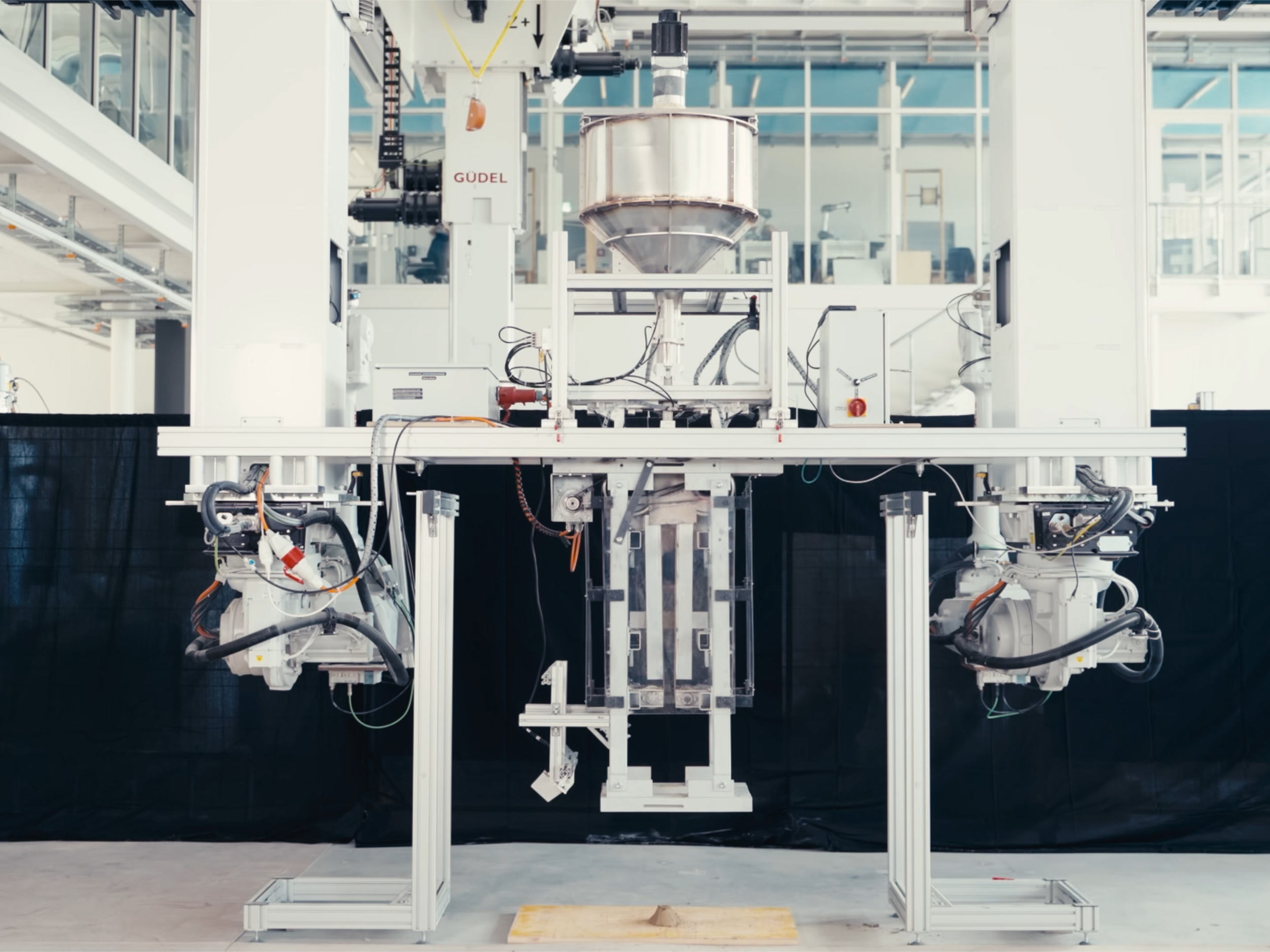
Impact.build develops robotic manufacturing that transforms local mineral materials, such as excavated soil, into climate-friendly building components. The technology reduces emissions, waste and reliance on scarce skilled labour and makes sustainable construction more affordable.
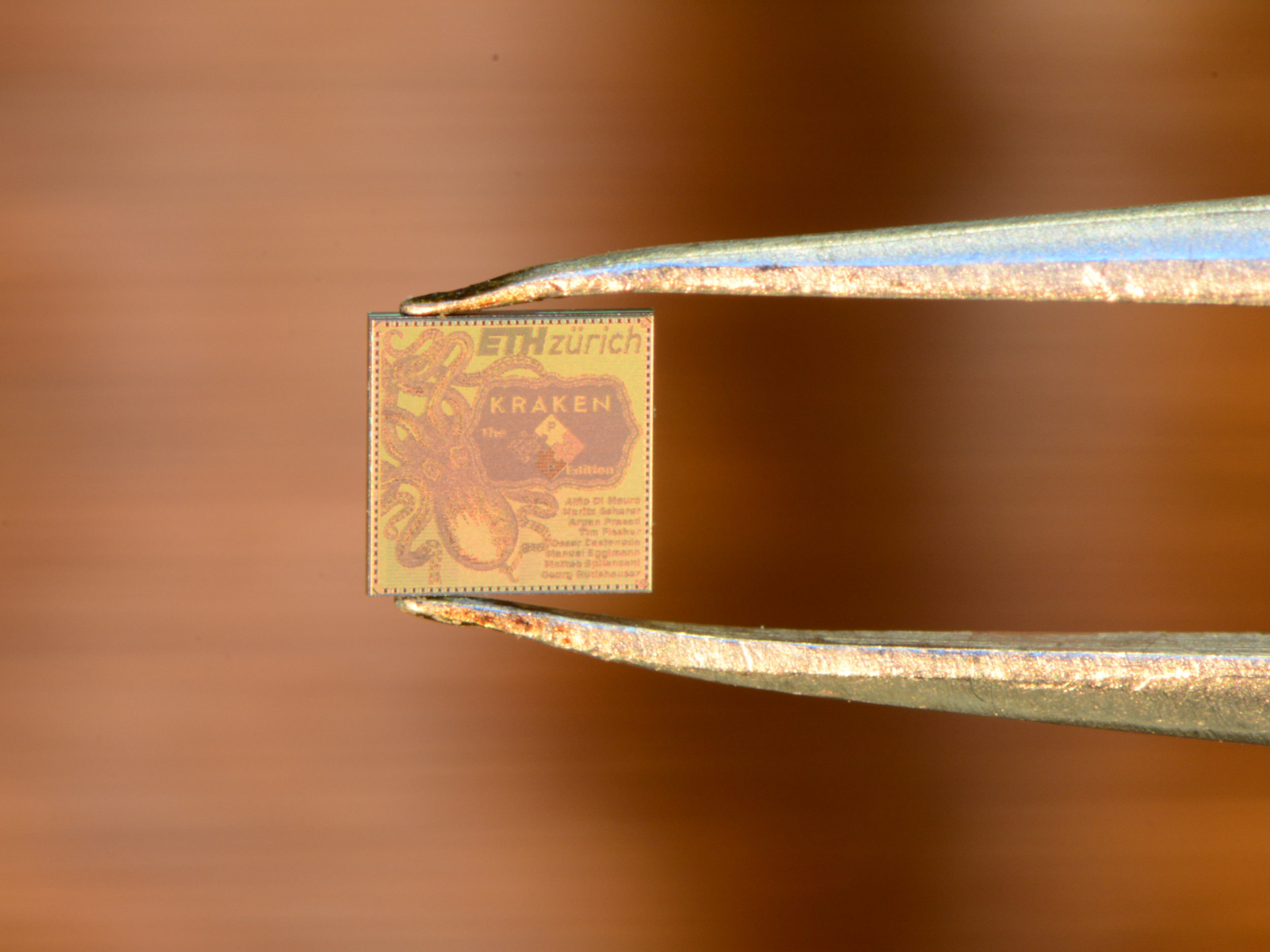
From smartphones to artificial intelligence: microchips are found in almost every modern technology. The SwissChips initiative demonstrates how Swiss research and industry are working together to develop the chips of tomorrow, thereby strengthening innovation, competitiveness and technological independence.
From Zurich to Barcelona in an hour—without a plane? Students at ETH Zurich are working on exactly that and, as part of the Swissloop project, are developing a levitating pod for the transportation technology of the future.
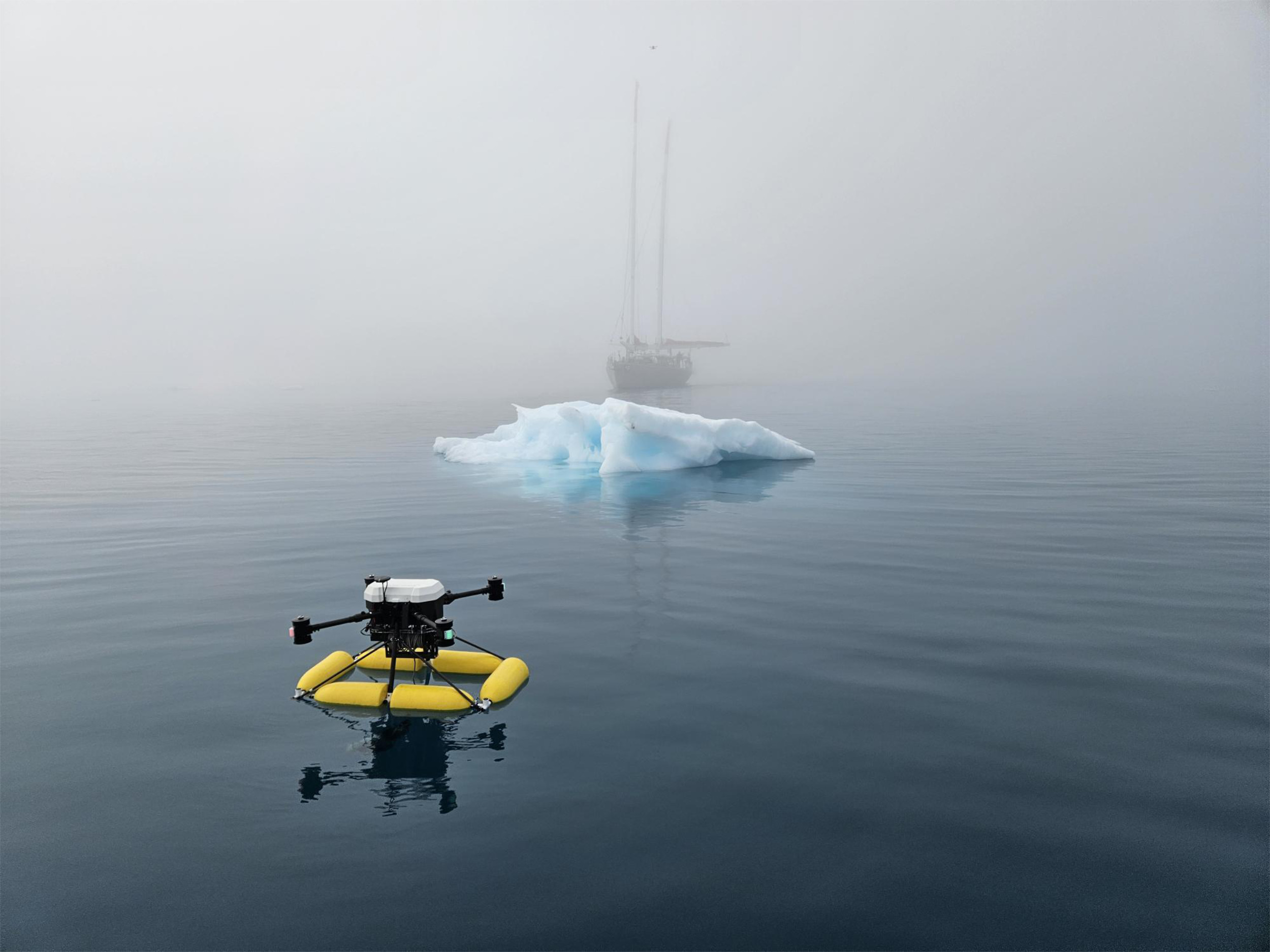
Empa researchers are developing robotics and physical AI for environmental monitoring, climate-resilient infrastructure, and autonomous systems in extreme environments—all in the service of a more sustainable future.
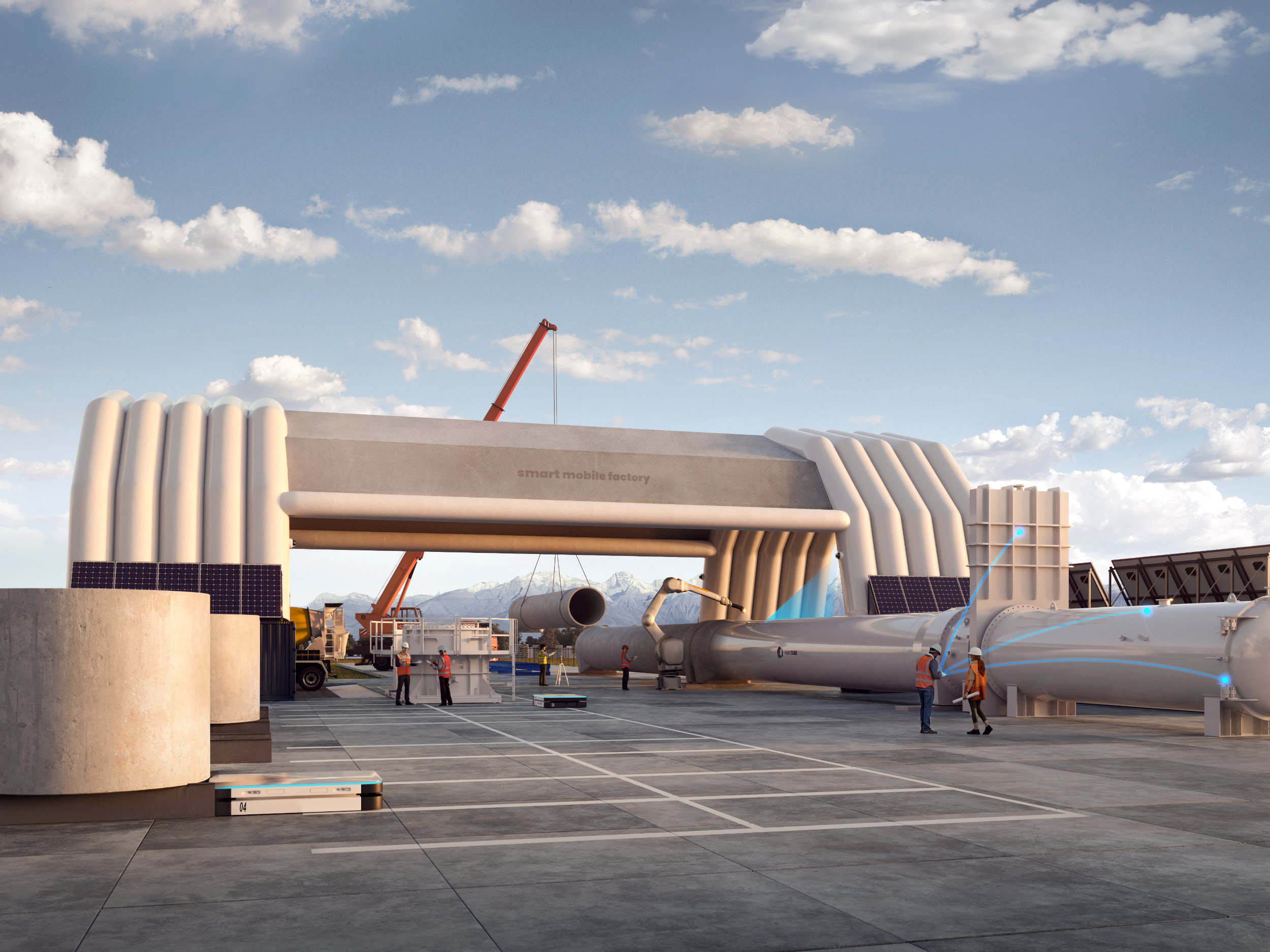
The path from research to application is complex and often lengthy, especially in the construction industry. At the EuroTube Foundation’s Real-Labor, new materials, components, and digital tools are tested on an actual construction site. This allows new findings to be incorporated directly into construction projects.
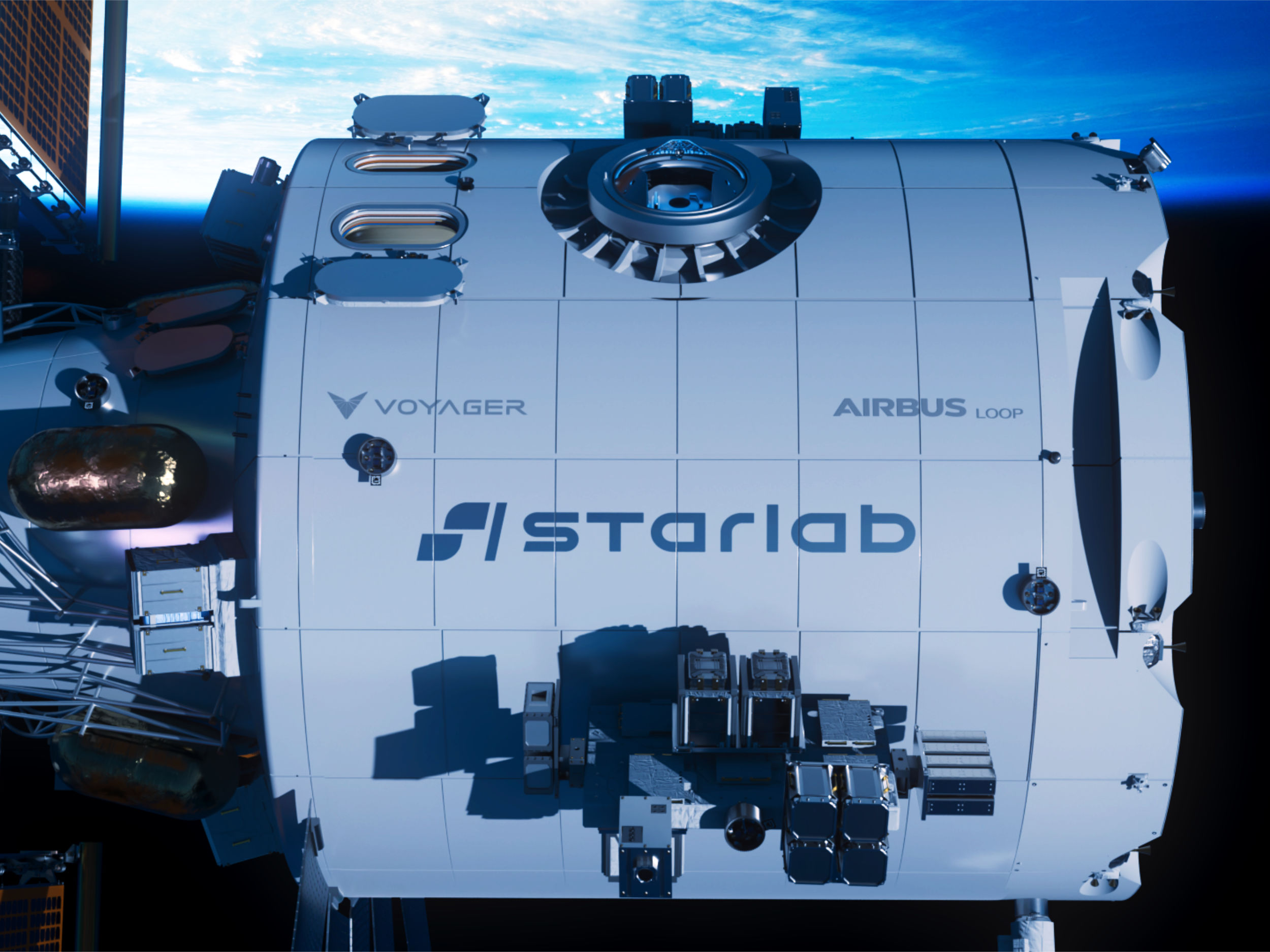
Industrial parks are currently being established in Earth’s orbit. Soon, it will be possible to manufacture many products there at low cost. Discover how experiments for the planned Starlab space station are made space-ready in Dübendorf, and how Swiss companies can benefit.
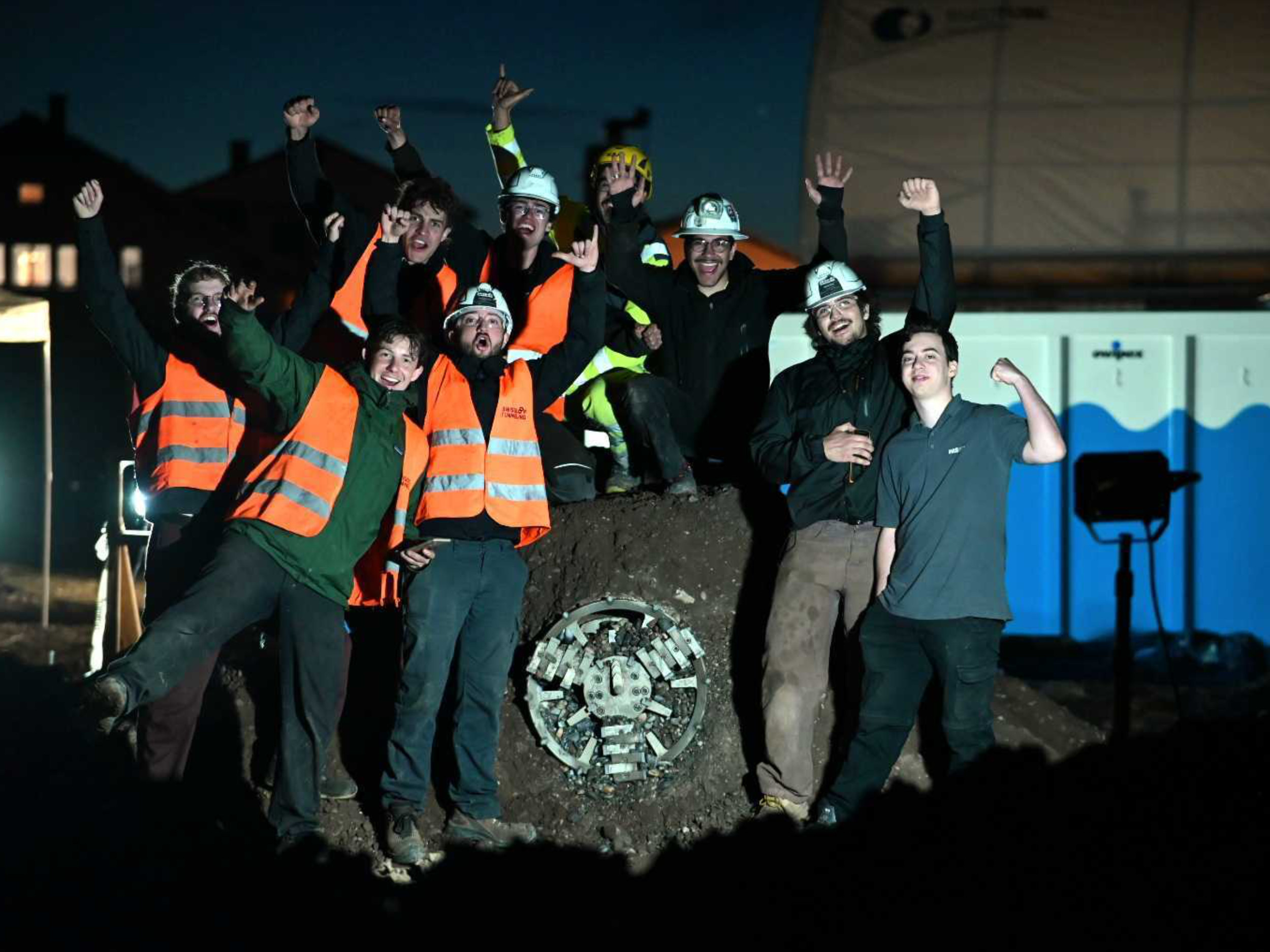
Swissloop Tunneling develops autonomous microtunneling robots that lay underground pipes without having to tear up roads. Discover the award-winning tunneling system, featuring in-house-developed sensors, hydraulics, a “3D printer” that builds the tunnel wall, and the software that controls it all.
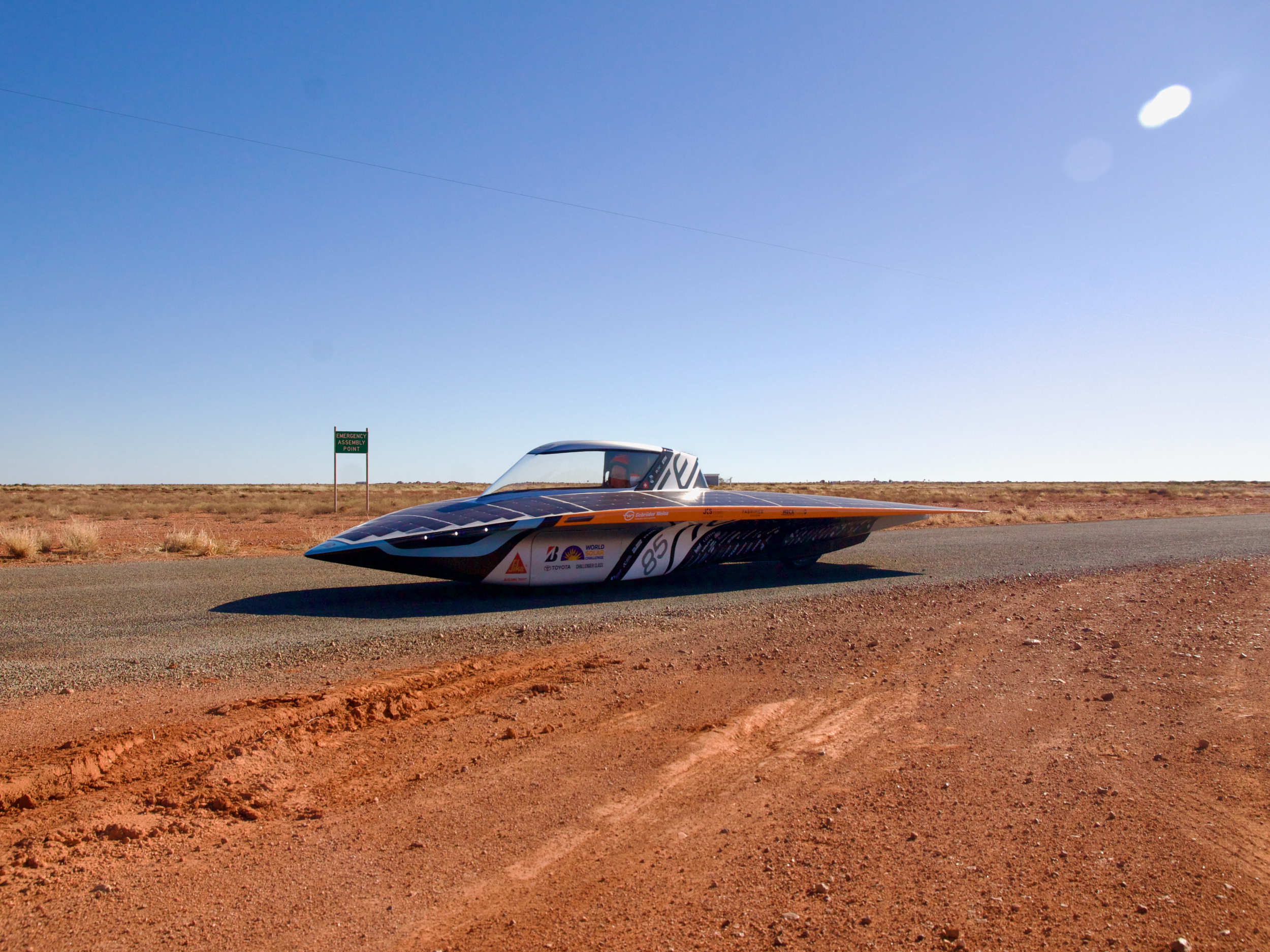
A race car that reaches speeds of over 100 km/h powered solely by solar panels on its roof? It exists. As part of the ACE Solar Racing Team, ETH students are developing highly efficient, solar-powered vehicles that are pushing the boundaries of sustainable mobility.