CELLSIUS: Toward a Climate-Friendly Future for Aviation with Hydrogen
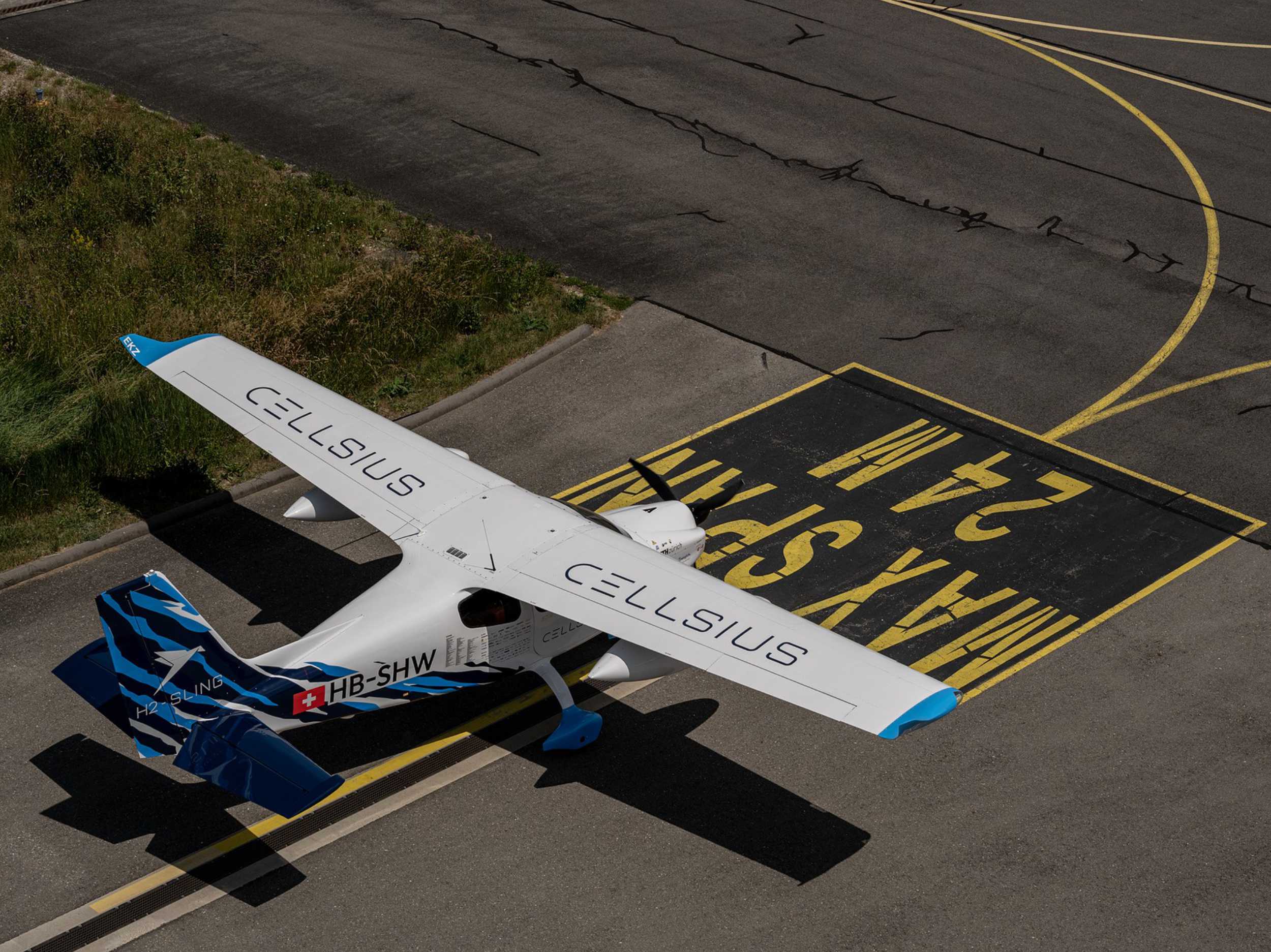
How can flying become more climate-friendly? The ETH focus project CELLSIUS is developing a hydrogen-powered light aircraft, demonstrating how zero-emission propulsion technologies could transform aviation.
Aviation is one of the biggest challenges on the path to climate-friendly mobility. New solutions are needed. This is where the ETH Focus Project CELLSIUS comes in: Students are developing and testing zero-emission propulsion systems that demonstrate what the future of aviation could look like.
The focus is on a hydrogen-powered light aircraft. Instead of burning fossil fuels, a fuel cell generates electrical energy from hydrogen to power the aircraft. The only byproduct of this process is water. The project aims to prove that hydrogen can be a realistic alternative for aviation—not just in theory, but in practice as well.
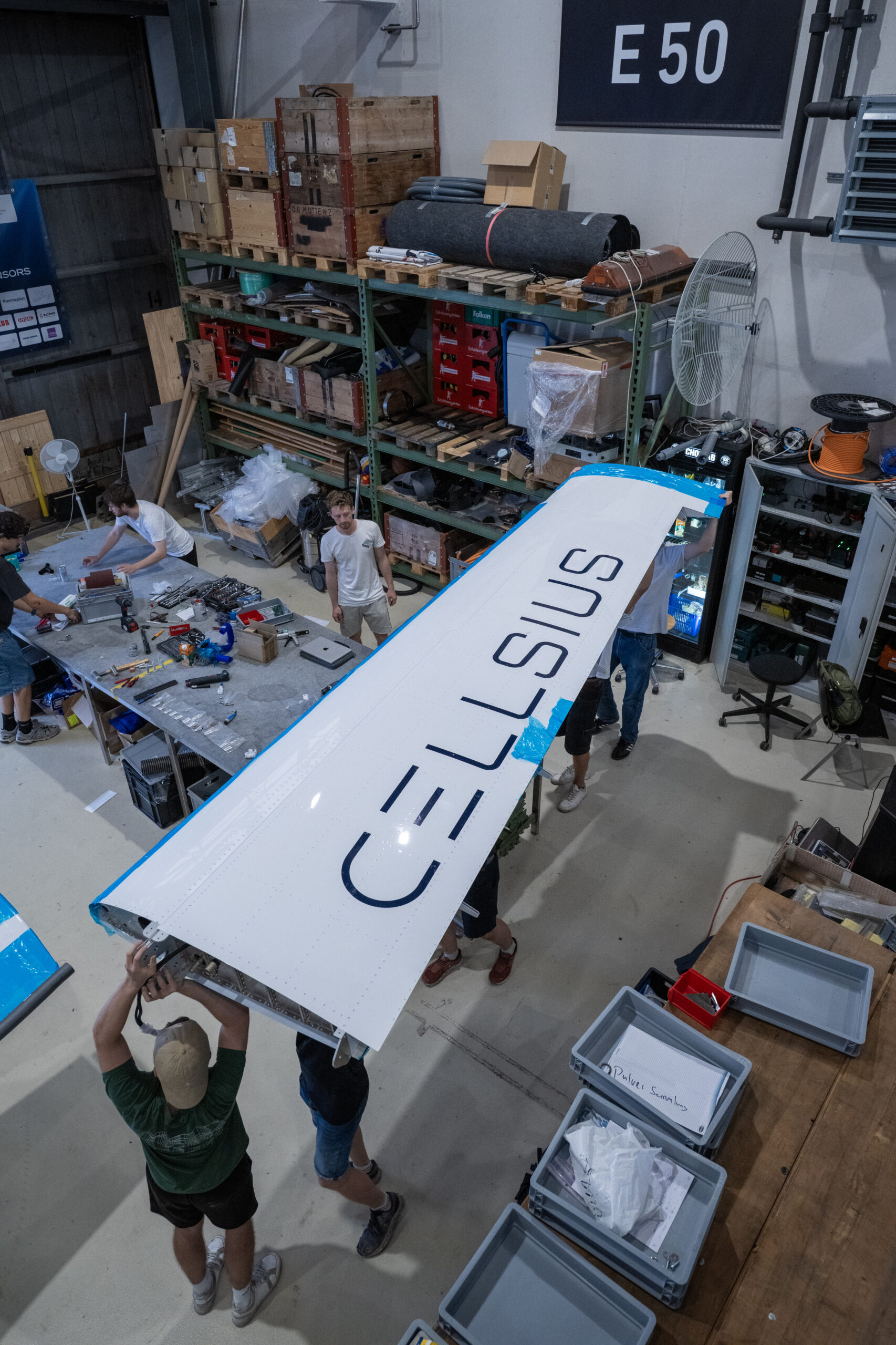
As a student research project, CELLSIUS combines education with innovation. Each year, new students build on the work of their predecessors and continue to develop the aircraft step by step. The technologies they develop are not only designed on a computer, but also built, tested, and evaluated under real-world conditions.
With the H2-Sling, the team is working to get the world’s first student-developed hydrogen-powered aircraft off the ground. In the long term, the project aims to demonstrate how sustainable flight with longer ranges can become a reality and what role hydrogen could play in aviation in the future.
At the booth, visitors will gain a unique insight into the hydrogen-powered aircraft and learn firsthand how a students’ idea has evolved into an ambitious aviation project.