How stone waste is turned into a new building material
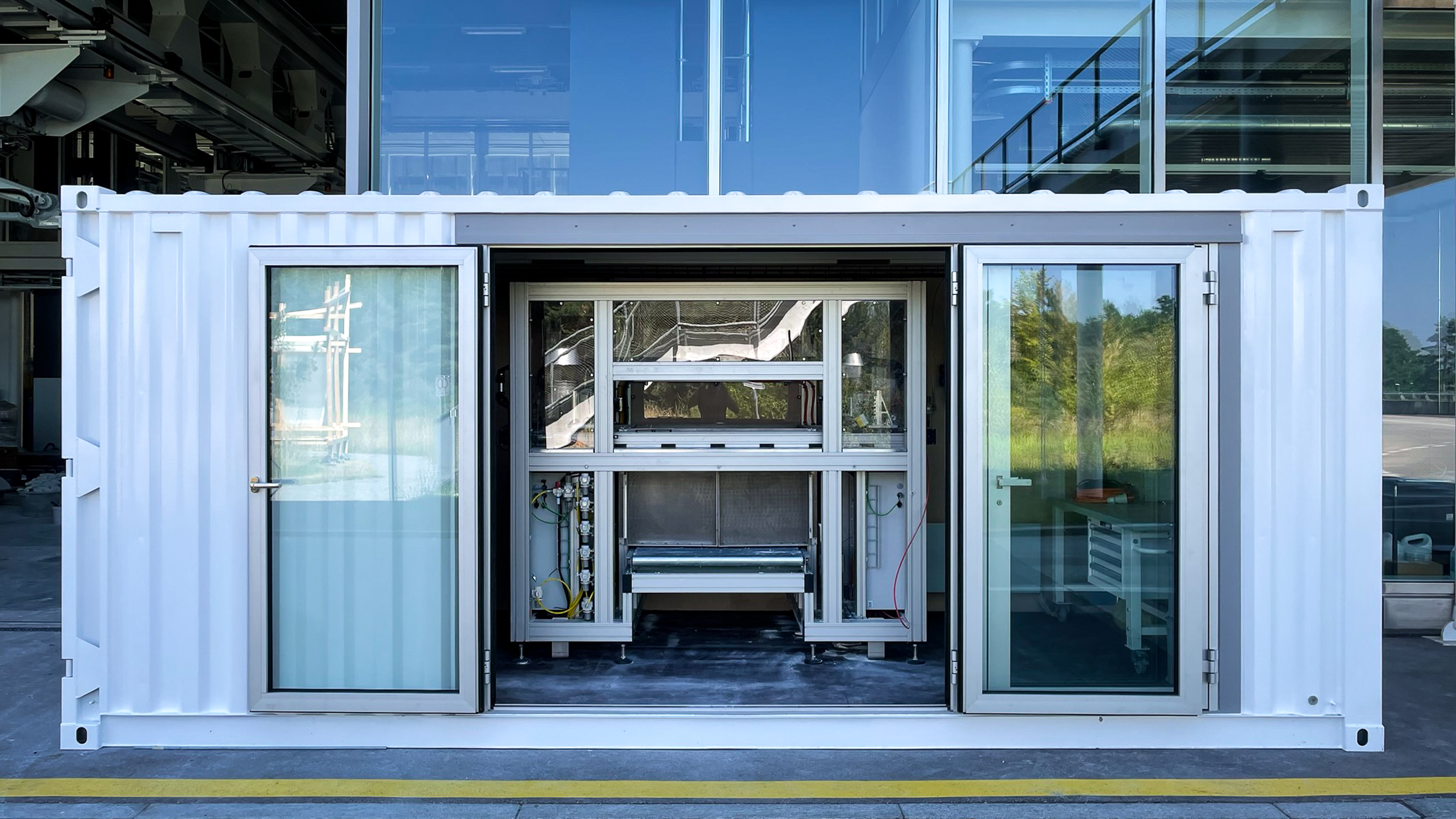
Rock dust and crushed rock of various types can be processed into certified stone using a technology developed at ETH Zurich—without cement, synthetic resin, or a firing process. The ETH spin-off 3DSP is bringing this building material to market.
When natural stone is quarried, a large portion of the material is left behind as dust and debris. Until now, these residues were considered waste and had no commercial use. The Chair of Digital Building Technologies at ETH Zurich has developed a process that turns this very waste into a raw material.
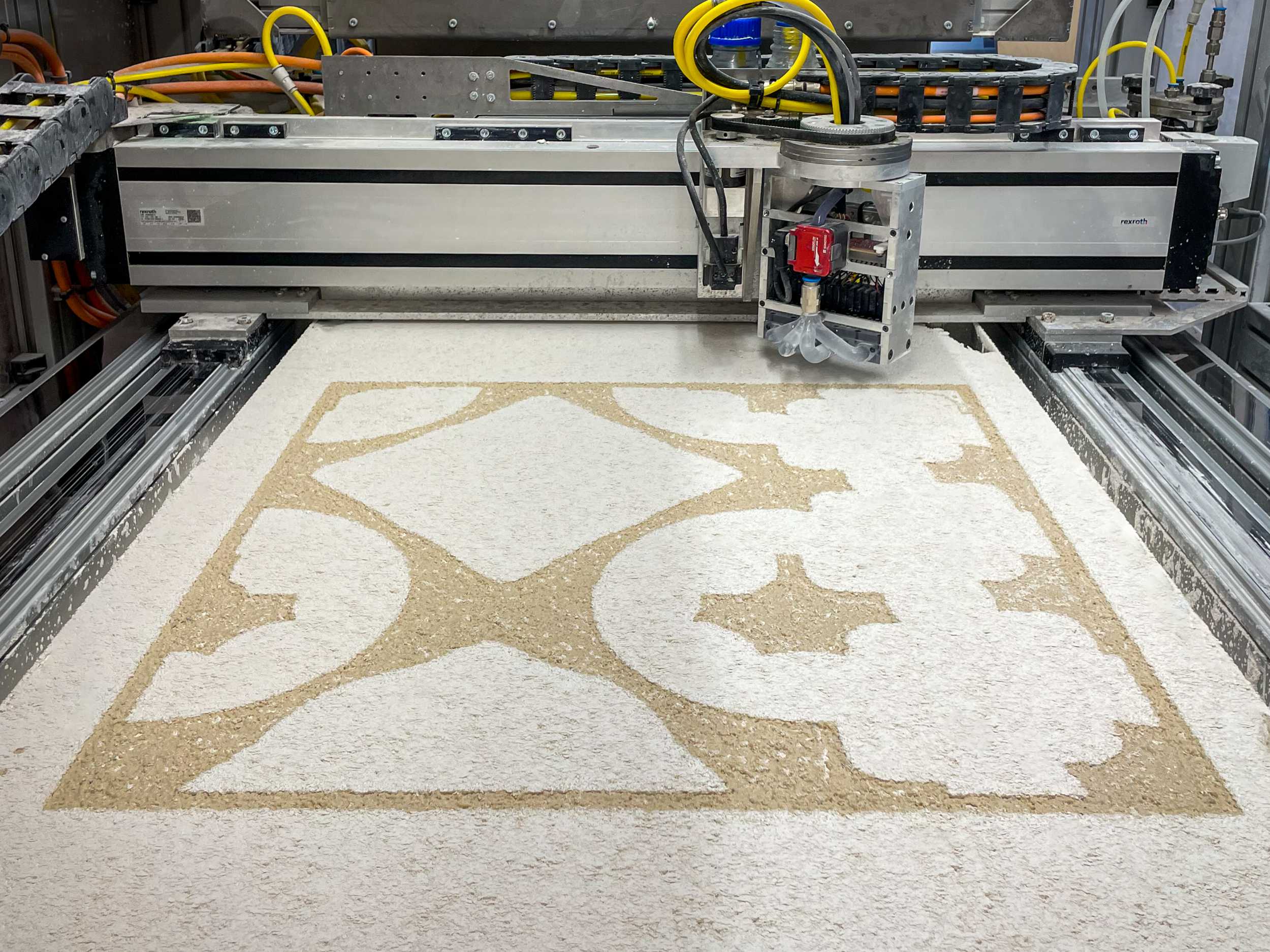
In this technology, known as Geopolymer Binder Jetting (GeoBJT), an alkaline liquid is applied layer by layer to a powder bed of stone dust. This triggers a mineral reaction. The result is an artificial stone that achieves a compressive strength of over 30 MPa without cement, synthetic resin, or a firing process. The product has been certified according to natural stone standards.
What sets the process apart is that it does not rely on a single processed raw material. Marble dust, granite rubble, recycled concrete—the system can use any type of stone material by performing a calibration. The ETH spin-off 3DSP, which is currently being established, will transform the technology into a market-ready product.
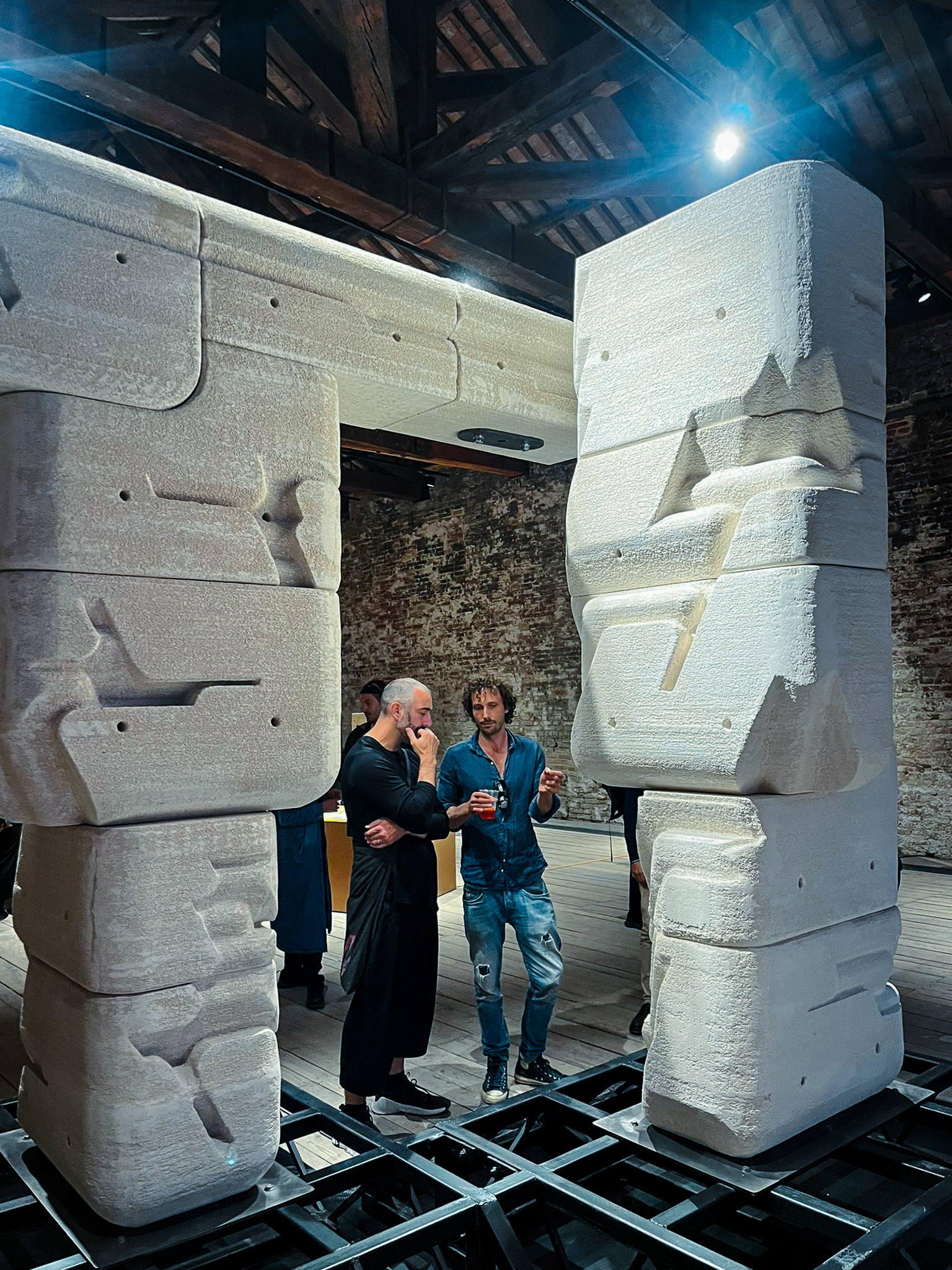
At the booth, we’re displaying sample cubes made from various minerals side by side—visible and touchable—as well as finished components from real-world projects. From Venice to London: What began as research is now part of the built environment.