ARES: Airborne Research of the Earth System
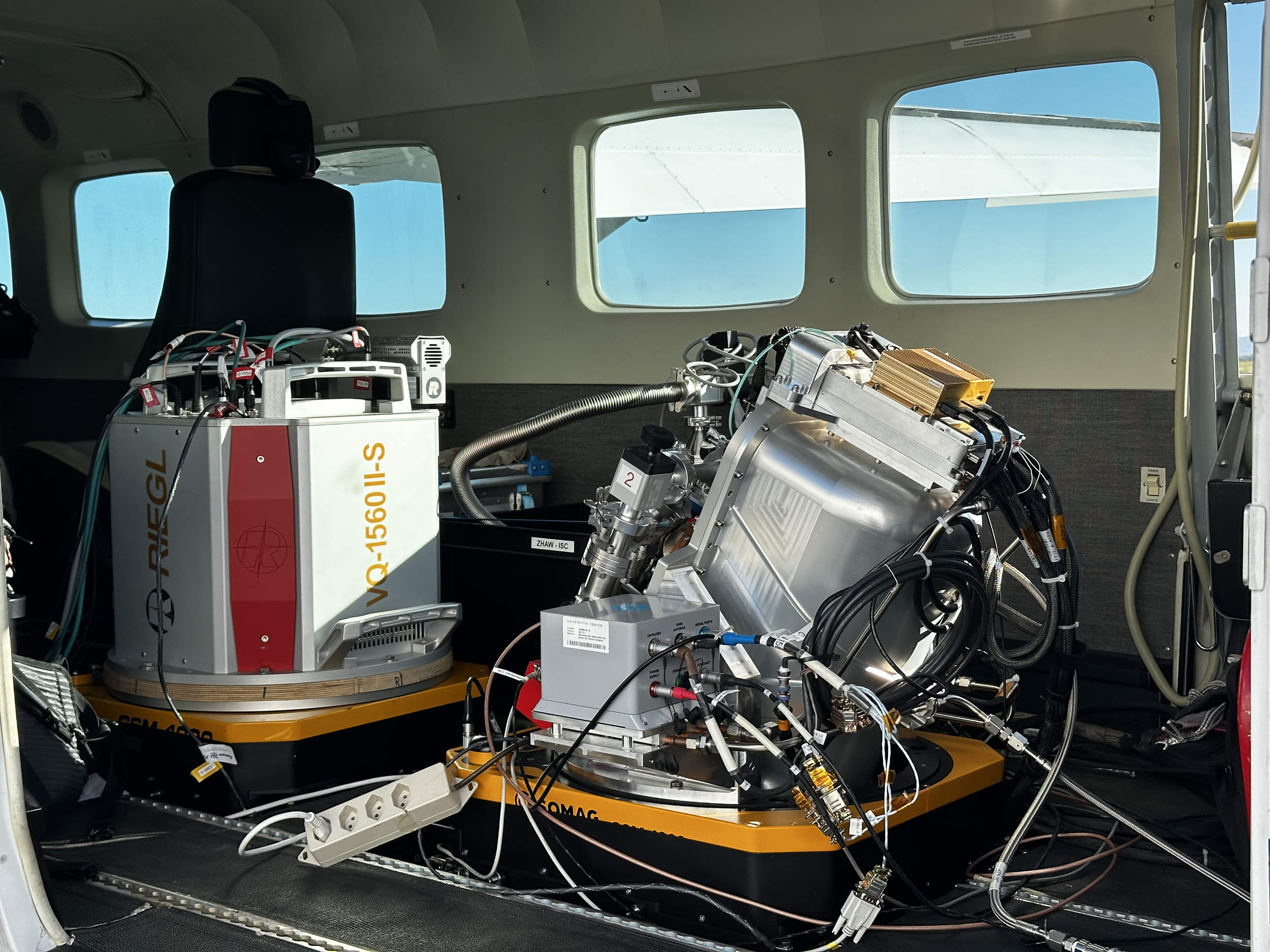
For Scientifica, ARES – UZH’s airborne observation platform – is making a stop in Dübendorf. Step aboard the ARES research aircraft, whose sensors are among the most advanced in the world. Learn how it can be used to collect highly detailed data for climate and environmental sciences.
Understanding our changing planet begins with accurate observations. With ARES (Airborne Research of the Earth System), the University of Zurich operates one of the most advanced and versatile airborne observation platforms in the world. Equipped with three different and complementary sensors, ARES undertakes the mapping of forests, water systems, geological formations and greenhouse gases in unprecedented detail, providing high-quality data for environmental and climate science.
At the heart of ARES (Airborne Research of the Earth System) is AVIRIS-4, one of the world’s most advanced airborne imaging spectrometers, developed by NASA’s Jet Propulsion Laboratory. It measures not only the red, green, and blue light visible to the human eye, but also the reflected sunlight across the entire visible and infrared spectrum. The spectral signature captured in this way can reveal vegetation health, mineral composition, water quality, soil properties and even trace gases.
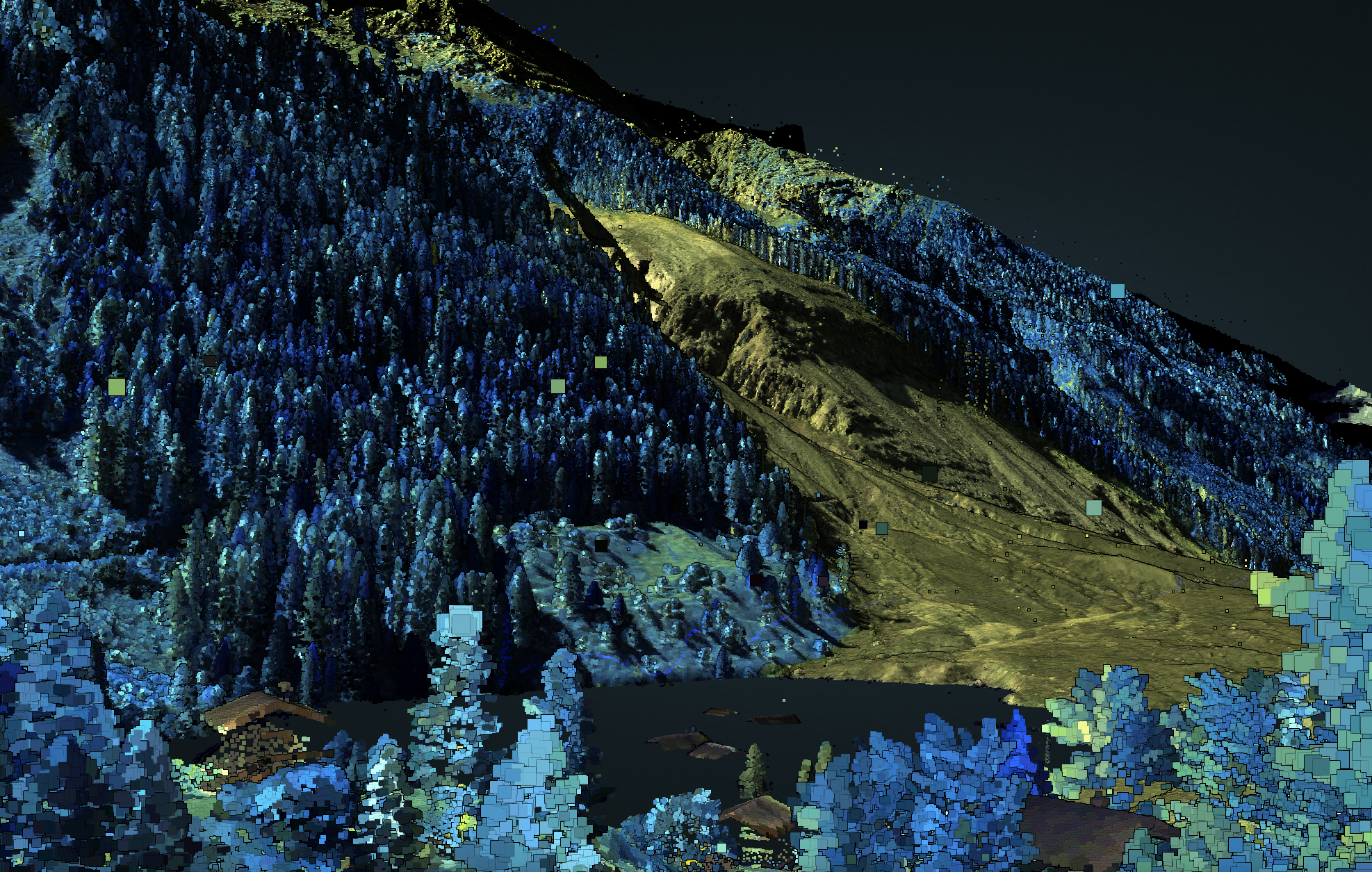
Since 2025, the platform was expanded with an airborne laser scanner and a high-resolution aerial camera, allowing simultaneous collection of hyperspectral imagery, detailed three-dimensional surface information and centimetre-scale photographs.
ARES is more than an aircraft carrying scientific instruments. It combines airborne measurements with dedicated calibration, data processing and storage infrastructure to deliver consistent, high-quality datasets for research. These observations also help improve satellite missions by providing detailed reference measurements that validate and strengthen space-based Earth observation.
Other events by the Remote Sensing Laboratories at Scientifica:
Booth: Remote Sensing of the Earth System
Saturday, 22. August 2026, Dübendorf
Saturday, 29. August 2026, Zentrum
Sunday, 30. August 2026, Zentrum