• STEM? STEM! Take on the challenge.

    Take on the challenge and dive into the fascinating world of math, computer science, natural sciences, and technology (MINT). Complete the roughly 30-minute course in the Startbahn 29 tent. Solve tricky puzzles using technologies such as 3D printers, microcontrollers, or a thermal imaging camera. In the Startbahn 29 lab, you can experience what it’s like […]

  • Learning by doing: Bauen Sie Ihren personalisierten Prototyp

    The workshops in Hangar 3 are opening their doors to you. For two hours, you’ll have access to the machines and tools that students and young entrepreneurs use to turn their ideas into prototypes and test them. Under expert guidance, you’ll build your own personalized prototype in this workshop—you’ll solder, laser, and 3D-print. At the […]

  • Become a little ape for a day!

    In this interactive family workshop, children and adults step into the world of gibbons living in the rainforests of Java, Indonesia. Together, they discover how apes find food, stay safe, play, and learn from their families. Using a large rainforest map, participants complete playful challenges and make decisions as a group: Where can we find […]

  • Junior Germinators – Become a plant scientist

    Junior Germinators – Hands on plant science for young learners. Help Farmer Liam save his crops! Become a young seed scientist and discover how climate change is affecting the food on your plate.

  • Robots, Religions, and VR: Creating Imaginative Futures

    Could robots support our spiritual well-being? What might they look like, and what could they do? In this creative workshop, you will develop your own visions of future robots and technologies for religious or spiritual purposes. You'll express your ideas through simple, colorful drawings—no artistic experience required. The drawings will be digitized and displayed in […]

  • Building with nature: why every material is different

    No two natural building materials are exactly the same. But what does this mean when we want to build with them? In this hands-on workshop, you will explore the fascinating properties of two sustainable building materials: earth and biochar. Working in small groups, you will carry out simple experiments to discover how differently these materials […]

  • Atlas der Schweiz – entdecken Sie die Vielfalt des Landes!

    Where can you find rope courses in Switzerland? And how long have they been around? Where in Switzerland are snowboards manufactured, and which brands are involved? In which Swiss municipalities are watches manufactured, and how many people work in this industry? The web version of the Atlas of Switzerland offers a wealth of information on […]

  • Become a little ape for a day!

    In this interactive family workshop, children and adults step into the world of gibbons living in the rainforests of Java, Indonesia. Together, they discover how apes find food, stay safe, play, and learn from their families. Using a large rainforest map, participants complete playful challenges and make decisions as a group: Where can we find […]

  • Junior Germinators – Werde zum Pflanzen-Profi!

    Junior Germinators – Hands on plant science for young learners. Help Farmer Liam save his crops! Become a young seed scientist and discover how climate change is affecting the food on your plate.

  • Nebelkammer – Auf den Spuren von Elementarteilchen

    How can we make particles visible that are so small we can’t see them even with the best microscope? In this workshop, we’ll set up a cloud chamber to observe traces of elementary particles generated in the atmosphere and learn how to use it to study pyramids.   Other events by the UZH Physik-Institut at […]

  • The fantastic life of a marine bacterium: from the ocean to the lab

    The ocean is full of life that is far too small to see with the naked eye. In this hands-on workshop, you will discover the hidden world of ocean microbes — tiny organisms that play a crucial role in keeping our oceans healthy. Using microscopes, we will observe living microbes up close, and explore how […]

  • Building with nature: why every material is different

    No two natural building materials are exactly the same. But what does this mean when we want to build with them? In this hands-on workshop, you will explore the fascinating properties of two sustainable building materials: earth and biochar. Working in small groups, you will carry out simple experiments to discover how differently these materials […]

  • Thermal Justice: a serious game

    Who suffers most when cities get hotter? And how can we make cities not only cooler, but fairer? In this interactive workshop you will play the Thermal Justice board game, developed by researchers at ETH Zurich and Eawag: a fun and interactive way to explore how buildings, streets, trees, energy systems, and social inequalities shape […]

  • What Makes Green Spaces So Relaxing?

    Urban green spaces have been shown to promote our mental and physical health. But how can we measure their qualities and scientifically examine the diverse sensory experiences they offer? In this two-hour workshop, we will gather data in small groups at Irchelpark using scientific and artistically inspired methods. Afterward, we will analyze and discuss the […]

  • Atlas of Switzerland – discover the country’s diversity!

    Where can you find rope courses in Switzerland? And how long have they been around? Where in Switzerland are snowboards manufactured, and which brands are involved? In which Swiss municipalities are watches manufactured, and how many people work in this industry? The web version of the Atlas of Switzerland offers a wealth of information on […]

  • Robots, Religions, and VR: Creating Imaginative Futures

    Could robots support our spiritual well-being? What might they look like, and what could they do? In this creative workshop, you will develop your own visions of future robots and technologies for religious or spiritual purposes. You'll express your ideas through simple, colorful drawings—no artistic experience required. The drawings will be digitized and displayed in […]

  • Kitchen Lab: Entdecke die Biochemie hinter unseren Lebensmitteln

    Did you know that your kitchen is a biology lab? Discover the fascinating biology hidden in fruit, bread or cheese during this hands-on workshop at the Institute of Biochemistry. For one hour, you will step into a high-tech laboratory and become a researcher. During the workshop, you will rotate through two interactive stations. In one, […]

  • Building with nature: why every material is different

    No two natural building materials are exactly the same. But what does this mean when we want to build with them? In this hands-on workshop, you will explore the fascinating properties of two sustainable building materials: earth and biochar. Working in small groups, you will carry out simple experiments to discover how differently these materials […]

  • Cloud Chamber – On the Trail of Elementary Particles

    How can we make particles visible that are so small we can’t see them even with the best microscope? In this workshop, we’ll set up a cloud chamber to observe traces of elementary particles generated in the atmosphere and learn how to use it to study pyramids.   Other events by the UZH Physik-Institut at […]

  • The fantastic life of a marine bacterium: from the ocean to the lab

    The ocean is full of life that is far too small to see with the naked eye. In this hands-on workshop, you will discover the hidden world of ocean microbes — tiny organisms that play a crucial role in keeping our oceans healthy. Using microscopes, we will observe living microbes up close, and explore how […]

  • Kitchen Lab: Entdecke die Biochemie hinter unseren Lebensmitteln

    Did you know that your kitchen is a biology lab? Discover the fascinating biology hidden in fruit, bread or cheese during this hands-on workshop at the Institute of Biochemistry. For one hour, you will step into a high-tech laboratory and become a researcher. During the workshop, you will rotate through two interactive stations. In one, […]

  • Building with nature: why every material is different

    No two natural building materials are exactly the same. But what does this mean when we want to build with them? In this hands-on workshop, you will explore the fascinating properties of two sustainable building materials: earth and biochar. Working in small groups, you will carry out simple experiments to discover how differently these materials […]

  • The UP4mint Café: A break for parents, supervised fun for children ages 8–12

    Amid the hustle and bustle of Scientifica, the UP4mint Parents’ Café invites you to take a short break. While your children experiment, tinker, build, and make little discoveries at supervised hands-on stations within sight, you can enjoy a quiet cup of coffee and find inspiration on the new parents’ portal. Each of the varied activities […]

  • From AI Competence to Digital Resilience: KI-Schule.eu

    Artificial intelligence is everywhere today—from ChatGPT to deepfakes. In this walk-in workshop, you can try out generative AI for yourself, learn about its opportunities and risks, and discuss how to use it responsibly. The focus is on the interactive learning tool “AI School,” which introduces children and teens to the topic of AI in a […]

  • Mineralien erforschen

    Dive into the fascinating world of minerals! In this exciting workshop, children aged 8 and over will discover a wide variety of minerals and their unique properties through hands-on activity stations and an engaging guided tour of the focusTerra permanent exhibition. Participants will gain a first insight into methods used to identify minerals and will […]

  • From soil to plate: Digging into sustainable food systems

    What does healthy soil have to do with the food on our plate? In this interactive workshop, teenagers will explore the basics of sustainable agricultural and food systems. After a short introduction, participants will get hands-on experience with guided gardening activities and discover why soil is one of our most valuable resources. Using simple pH […]

  • Plant Pressing: Nature’s Hidden Stories

    Discover the diversity of plants! In this workshop, children and adults explore the fascinating world of plants together. Using real herbarium specimens, participants learn how varied plants are and what their shapes reveal about the way they live. Each family creates and decorates their own flower press made from laser-cut wood. We also demonstrate how […]

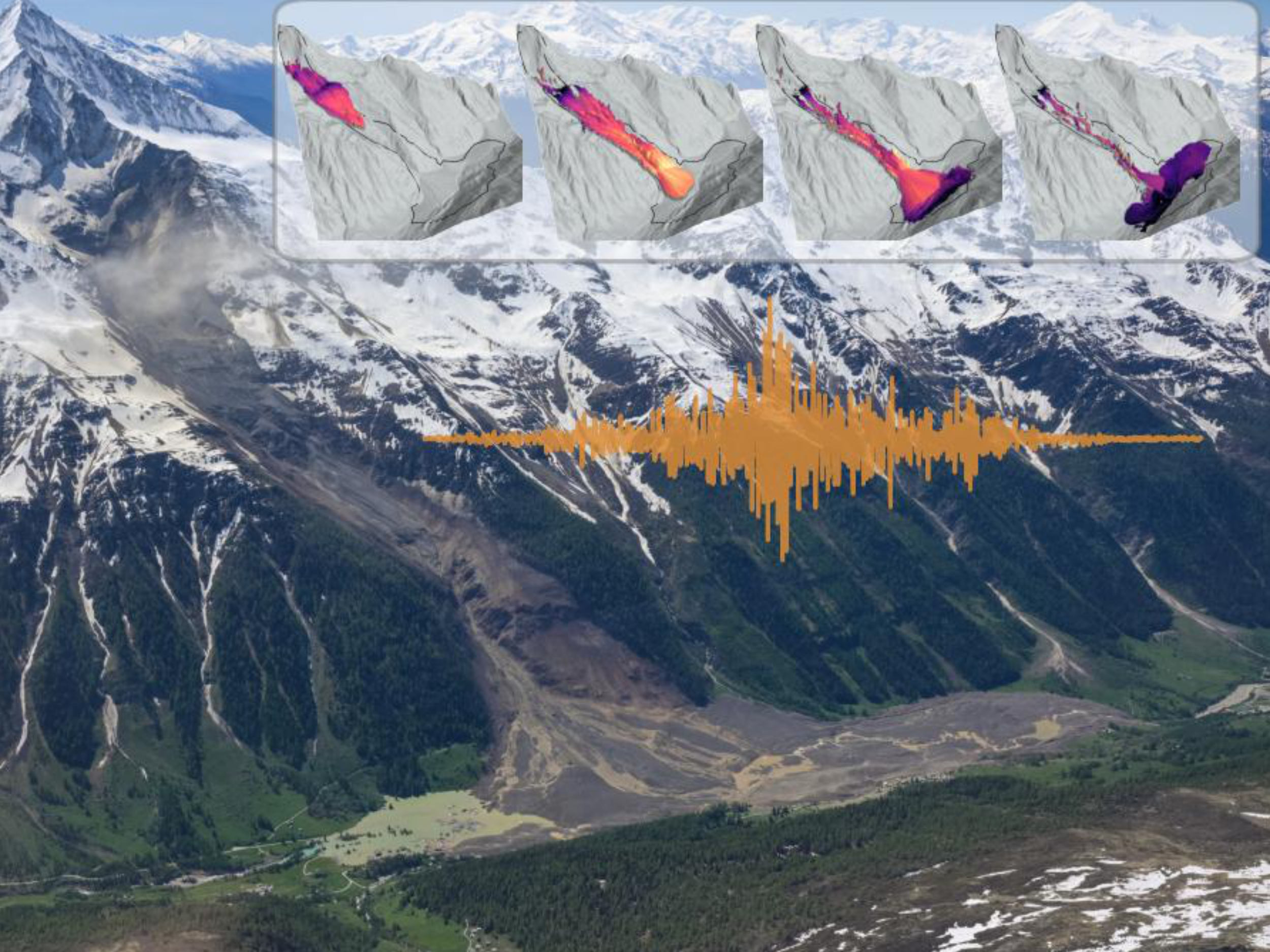
  • When mountains start to move

    The Blatten landslide in May 2025 shocked Switzerland. Millions of cubic metres of rock, ice and debris thundered into the valley, burying large parts of the village. But how can we predict how far these masses will flow, and why? In this workshop, you will discover how researchers at ETH Zurich, WSL and other institutions […]
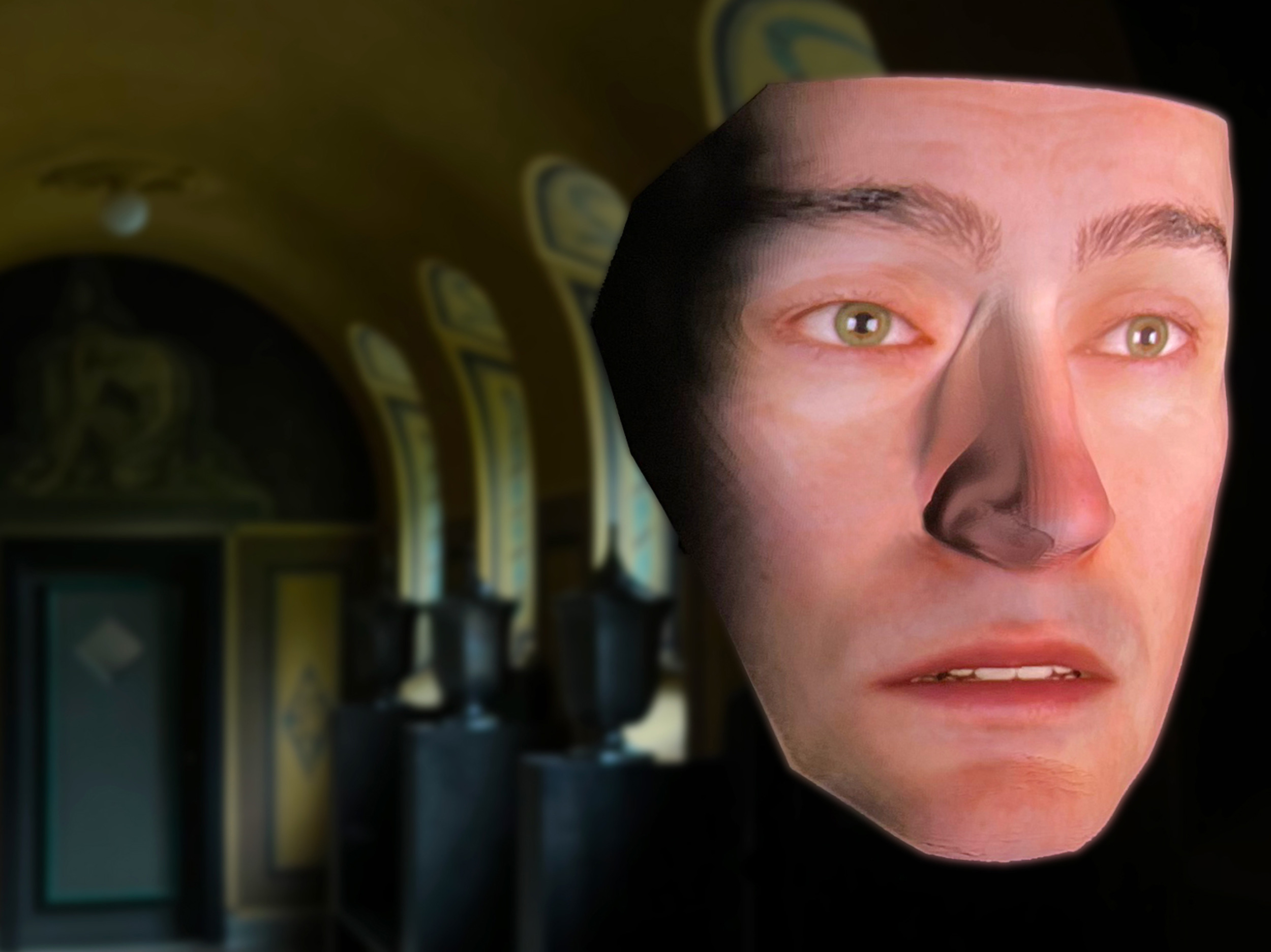

  • Chirurgie zum Mitmachen, Ausprobieren und Verstehen

    What’s it like to work in an operating room? The team of the OR-X, the surgical research and training center of the Balgrist University Hospital and the University of Zurich, invites children and families to discover the world of modern surgery. At three interactive stations, children and teens ages 8 to 16 can get hands-on […]

  • Let’s Play! – How Analog and Digital Games Build Knowledge

    Play is often seen as the opposite of learning — yet the two are closer than we might think. Board games and video games foster strategic thinking, social skills, and creative problem-solving. And beyond that: analogue and digital games can actively create knowledge. This event brings together research and practice: a series of compact lightning […]

  • Thymio Kunterbunt

    This workshop introduces children to the world of robotics and art in a playful way. The focus is on the Thymio robot, which poses a special question: Can a robot be creative, design things, or even dance? This question guides the children through the entire workshop, inviting them to experiment, marvel, and let their creativity […]

  • Morph Tales – Künstliche Intelligenz entdecken

    The Morph Tales workshop introduces children and teens to artificial intelligence in a playful way. It focuses on questions such as: What is an algorithm? How does AI learn? And how can we use AI responsibly? The workshop is based on the digital game Morph Tales. The Morphs that appear in the game—small, eager-to-learn characters—represent […]

  • Magic Cube – Faszination Elektrotechnik

    It all begins with a storm: Lightning strikes the Magic Cube, a mysterious geometric object. The entire power supply of the parallel world “Elektron” goes down. Electric cars, factories, microscopes, streetlights—everything is broken and shut down. Workshop participants work in teams to solve specific, hands-on tasks to help the people of Elektron. The Magic Cube […]

  • Meditate like Marina Abramović

    What happens when we use meditation to put ourselves into a special state of mind? Drawing on her own experience as a performance artist, Marina Abramović has developed a meditation method and converted a former school bus into a mobile exhibition space featuring a meditation capsule. Inside, visitors can step away from the fast pace […]

  • Robots for good: how robots could support learning and wellbeing

    Can robots help us learn, communicate or improve our wellbeing? In this interactive workshop, you will discover how researchers at ETH Zurich are exploring the future of social robots and other intelligent technologies. Meet a social robot, experience virtual reality and take part in hands-on activities that show how robots could support children, education and […]

  • MAGIE: Mensch oder KI – wer erzählt die Märchen von morgen?

    Once upon a time, there was a fairy tale that was constantly being reinvented. That’s how the story of MAGIE (Fairy Tales as Points of Reference for Shaping Individual Development Patterns) might begin. Because the MAGIE project keeps fairy tales alive and retells them again and again: During “MAGIE Storytime,” we read modern adaptations of […]

  • When mountains start to move

    The Blatten landslide in May 2025 shocked Switzerland. Millions of cubic metres of rock, ice and debris thundered into the valley, burying large parts of the village. But how can we predict how far these masses will flow, and why? In this workshop, you will discover how researchers at ETH Zurich, WSL and other institutions […]

  • Quantum light from quantum dots

    Light is wonderful. It drives life on earth, travels at record (light) speed, and sunlight can sometimes even make us happy. But what is light made of? And how can it help shape the technologies of the future? In this hands-on workshop, you will explore the fascinating world of light through a series of interactive […]

  • Understanding Suicidal Tendencies: Myths, Facts, and Digital Approaches to Prevention

    Suicidal tendencies affect many people and is often misunderstood. In this interactive workshop, researchers from the University of Zurich will work with participants to challenge common myths and shed light on the latest scientific findings. Through case studies, discussions, and practical exercises, participants will learn how suicidal ideation is studied, what warning, risk, and protective […]

  • Atlas der Schweiz – entdecken Sie die Vielfalt des Landes!

    Where can you find rope courses in Switzerland? And how long have they been around? Where in Switzerland are snowboards manufactured, and which brands are involved? In which Swiss municipalities are watches manufactured, and how many people work in this industry? The web version of the Atlas of Switzerland offers a wealth of information on […]

  • Meditate like Marina Abramović

    What happens when we use meditation to put ourselves into a special state of mind? Drawing on her own experience as a performance artist, Marina Abramović has developed a meditation method and converted a former school bus into a mobile exhibition space featuring a meditation capsule. Inside, visitors can step away from the fast pace […]

  • Autismus besser verstehen

    How do people with autism perceive the world? People with autism often experience the world differently and show differences for example in perception, communication, and social interaction. Researchers are investigating the biological mechanisms underlying these differences and suppose that sensory input is filtered to a lesser extent, causing some information to be perceived as more […]

  • Was wissen TikTok und YouTube über mich? Analysiere Deine Social Media Nutzung

    Social media platforms like TikTok and YouTube shape our everyday lives. With every video and every “like,” these platforms collect data and create a personalized “digital meal.” In this workshop, we’ll show you what data is stored about you and how you can access it. Using the online tool “My Digital Meal,” you can analyze […]

  • IMMERSE: Virtuell erleben, real lernen

    What if you could step inside the human body, explore virtual worlds, or interact with digital objects using your own hands? This hands-on workshop introduces Virtual Reality (VR), Augmented Reality (AR), and Artificial Intelligence (AI) and their growing role in science and education. Participants will explore applications such as immersive anatomy, VR training, haptic simulations, […]

  • Plant Pressing: Nature’s Hidden Stories

    Discover the diversity of plants! In this workshop, children and adults explore the fascinating world of plants together. Using real herbarium specimens, participants learn how varied plants are and what their shapes reveal about the way they live. Each family creates and decorates their own flower press made from laser-cut wood. We also demonstrate how […]

  • Wissen für politische Entscheidungen: Wie Forschung unseren Alltag mitgestaltet

    How do we generate knowledge for a better society? How do concrete policy solutions to the challenges of our time emerge? And what role do research and science play in this process? In this interactive workshop, you’ll gain fascinating insights into projects that demonstrate how scientific findings find their way into policy and society. At […]

  • When mountains start to move

    The Blatten landslide in May 2025 shocked Switzerland. Millions of cubic metres of rock, ice and debris thundered into the valley, burying large parts of the village. But how can we predict how far these masses will flow, and why? In this workshop, you will discover how researchers at ETH Zurich, WSL and other institutions […]

  • Quantum light from quantum dots

    Light is wonderful. It drives life on earth, travels at record (light) speed, and sunlight can sometimes even make us happy. But what is light made of? And how can it help shape the technologies of the future? In this hands-on workshop, you will explore the fascinating world of light through a series of interactive […]

  • Was steckt in einem Namen?

    What’s in a name? More than you might think. Names shape identities, evoke associations, and tell stories. People, places, and institutions are given new names when their role, their environment, or their sense of self changes. But how does a good name come about—and what makes it meaningful? The Ethnographic Museum at the University of […]

  • Root detectives: discovering the hidden half of plants

    What happens beneath our feet when plants grow? Become a root detective and explore the hidden world underground! In this hands-on workshop, children will discover the amazing variety of plant roots and learn how they help plants find water and nutrients, anchor themselves in the soil and survive in different environments. By observing real roots […]

  • Hands-On Surgery: Explore, Experience and Understand

    What’s it like to work in an operating room? The team of the OR-X, the surgical research and training center of the Balgrist University Hospital and the University of Zurich, invites children and families to discover the world of modern surgery. At three interactive stations, children and teens ages 8 to 16 can get hands-on […]

  • Let’s Play! – How Analog and Digital Games Build Knowledge

    Play is often seen as the opposite of learning — yet the two are closer than we might think. Board games and video games foster strategic thinking, social skills, and creative problem-solving. And beyond that: analogue and digital games can actively create knowledge. This event brings together research and practice: a series of compact lightning […]

  • Thermal Justice: a serious game

    Who suffers most when cities get hotter? And how can we make cities not only cooler, but fairer? In this interactive workshop you will play the Thermal Justice board game, developed by researchers at ETH Zurich and Eawag: a fun and interactive way to explore how buildings, streets, trees, energy systems, and social inequalities shape […]

  • Morph Tales – Künstliche Intelligenz entdecken

    The Morph Tales workshop introduces children and teens to artificial intelligence in a playful way. It focuses on questions such as: What is an algorithm? How does AI learn? And how can we use AI responsibly? The workshop is based on the digital game Morph Tales. The Morphs that appear in the game—small, eager-to-learn characters—represent […]

  • Magic Cube – Faszination Elektrotechnik

    It all begins with a storm: Lightning strikes the Magic Cube, a mysterious geometric object. The entire power supply of the parallel world “Elektron” goes down. Electric cars, factories, microscopes, streetlights—everything is broken and shut down. Workshop participants work in teams to solve specific, hands-on tasks to help the people of Elektron. The Magic Cube […]

  • Thymio Kunterbunt

    This workshop introduces children to the world of robotics and art in a playful way. The focus is on the Thymio robot, which poses a special question: Can a robot be creative, design things, or even dance? This question guides the children through the entire workshop, inviting them to experiment, marvel, and let their creativity […]

  • Meet Stanley: when AI gets emotional

    How many times have you asked Alexa, Siri, or ChatGPT the same question? No matter how often we repeat ourselves, today's AI assistants stay polite, patient, and helpful. But what if an AI became sarcastic, challenged your opinion or pointed out that you had already asked the same question three times? Meet Stanley, an experimental […]

  • Atlas der Schweiz – entdecken Sie die Vielfalt des Landes!

    Where can you find rope courses in Switzerland? And how long have they been around? Where in Switzerland are snowboards manufactured, and which brands are involved? In which Swiss municipalities are watches manufactured, and how many people work in this industry? The web version of the Atlas of Switzerland offers a wealth of information on […]

  • Meditate like Marina Abramović

    What happens when we use meditation to put ourselves into a special state of mind? Drawing on her own experience as a performance artist, Marina Abramović has developed a meditation method and converted a former school bus into a mobile exhibition space featuring a meditation capsule. Inside, visitors can step away from the fast pace […]

  • Autismus besser verstehen

    How do people with autism perceive the world? People with autism often experience the world differently and show differences for example in perception, communication, and social interaction. Researchers are investigating the biological mechanisms underlying these differences and suppose that sensory input is filtered to a lesser extent, causing some information to be perceived as more […]

  • MAGIE: Mensch oder KI – wer erzählt die Märchen von morgen?

    Once upon a time, there was a fairy tale that was constantly being reinvented. That’s how the story of MAGIE (Fairy Tales as Points of Reference for Shaping Individual Development Patterns) might begin. Because the MAGIE project keeps fairy tales alive and retells them again and again: During “MAGIE Storytime,” we read modern adaptations of […]

  • When mountains start to move

    The Blatten landslide in May 2025 shocked Switzerland. Millions of cubic metres of rock, ice and debris thundered into the valley, burying large parts of the village. But how can we predict how far these masses will flow, and why? In this workshop, you will discover how researchers at ETH Zurich, WSL and other institutions […]

  • Quantum light from quantum dots

    Light is wonderful. It drives life on earth, travels at record (light) speed, and sunlight can sometimes even make us happy. But what is light made of? And how can it help shape the technologies of the future? In this hands-on workshop, you will explore the fascinating world of light through a series of interactive […]

  • Robots for good: how robots could support learning and wellbeing

    Can robots help us learn, communicate or improve our wellbeing? In this interactive workshop, you will discover how researchers at ETH Zurich are exploring the future of social robots and other intelligent technologies. Meet a social robot, experience virtual reality and take part in hands-on activities that show how robots could support children, education and […]

  • Meditate like Marina Abramović

    What happens when we use meditation to put ourselves into a special state of mind? Drawing on her own experience as a performance artist, Marina Abramović has developed a meditation method and converted a former school bus into a mobile exhibition space featuring a meditation capsule. Inside, visitors can step away from the fast pace […]

  • Autismus besser verstehen

    How do people with autism perceive the world? People with autism often experience the world differently and show differences for example in perception, communication, and social interaction. Researchers are investigating the biological mechanisms underlying these differences and suppose that sensory input is filtered to a lesser extent, causing some information to be perceived as more […]

  • MAGIE: Mensch oder KI – wer erzählt die Märchen von morgen?

    Once upon a time, there was a fairy tale that was constantly being reinvented. That’s how the story of MAGIE (Fairy Tales as Points of Reference for Shaping Individual Development Patterns) might begin. Because the MAGIE project keeps fairy tales alive and retells them again and again: During “MAGIE Storytime,” we read modern adaptations of […]

  • When mountains start to move

    The Blatten landslide in May 2025 shocked Switzerland. Millions of cubic metres of rock, ice and debris thundered into the valley, burying large parts of the village. But how can we predict how far these masses will flow, and why? In this workshop, you will discover how researchers at ETH Zurich, WSL and other institutions […]

  • The UP4mint Café: A break for parents, supervised fun for children ages 8–12

    Amid the hustle and bustle of Scientifica, the UP4mint Parents’ Café invites you to take a short break. While your children experiment, tinker, build, and make little discoveries at supervised hands-on stations within sight, you can enjoy a quiet cup of coffee and find inspiration on the new parents’ portal. Each of the varied activities […]

  • From AI Competence to Digital Resilience: KI-Schule.eu

    Artificial intelligence is everywhere today—from ChatGPT to deepfakes. In this walk-in workshop, you can try out generative AI for yourself, learn about its opportunities and risks, and discuss how to use it responsibly. The focus is on the interactive learning tool “AI School,” which introduces children and teens to the topic of AI in a […]

  • From soil to plate: Digging into sustainable food systems

    What does healthy soil have to do with the food on our plate? In this interactive workshop, teenagers will explore the basics of sustainable agricultural and food systems. After a short introduction, participants will get hands-on experience with guided gardening activities and discover why soil is one of our most valuable resources. Using simple pH […]

  • When mountains start to move

    The Blatten landslide in May 2025 shocked Switzerland. Millions of cubic metres of rock, ice and debris thundered into the valley, burying large parts of the village. But how can we predict how far these masses will flow, and why? In this workshop, you will discover how researchers at ETH Zurich, WSL and other institutions […]

  • Chirurgie zum Mitmachen, Ausprobieren und Verstehen

    What’s it like to work in an operating room? The team of the OR-X, the surgical research and training center of the Balgrist University Hospital and the University of Zurich, invites children and families to discover the world of modern surgery. At three interactive stations, children and teens ages 8 to 16 can get hands-on […]

  • Robots for good: how robots could support learning and wellbeing

    Can robots help us learn, communicate or improve our wellbeing? In this interactive workshop, you will discover how researchers at ETH Zurich are exploring the future of social robots and other intelligent technologies. Meet a social robot, experience virtual reality and take part in hands-on activities that show how robots could support children, education and […]

  • Morph Tales – Künstliche Intelligenz entdecken

    The Morph Tales workshop introduces children and teens to artificial intelligence in a playful way. It focuses on questions such as: What is an algorithm? How does AI learn? And how can we use AI responsibly? The workshop is based on the digital game Morph Tales. The Morphs that appear in the game—small, eager-to-learn characters—represent […]

  • Magic Cube – Faszination Elektrotechnik

    It all begins with a storm: Lightning strikes the Magic Cube, a mysterious geometric object. The entire power supply of the parallel world “Elektron” goes down. Electric cars, factories, microscopes, streetlights—everything is broken and shut down. Workshop participants work in teams to solve specific, hands-on tasks to help the people of Elektron. The Magic Cube […]

  • Meditate like Marina Abramović

    What happens when we use meditation to put ourselves into a special state of mind? Drawing on her own experience as a performance artist, Marina Abramović has developed a meditation method and converted a former school bus into a mobile exhibition space featuring a meditation capsule. Inside, visitors can step away from the fast pace […]

  • MAGIE: Mensch oder KI – wer erzählt die Märchen von morgen?

    Once upon a time, there was a fairy tale that was constantly being reinvented. That’s how the story of MAGIE (Fairy Tales as Points of Reference for Shaping Individual Development Patterns) might begin. Because the MAGIE project keeps fairy tales alive and retells them again and again: During “MAGIE Storytime,” we read modern adaptations of […]

  • Was steckt in einem Namen?

    What’s in a name? More than you might think. Names shape identities, evoke associations, and tell stories. People, places, and institutions are given new names when their role, their environment, or their sense of self changes. But how does a good name come about—and what makes it meaningful? The Ethnographic Museum at the University of […]

  • When mountains start to move

    The Blatten landslide in May 2025 shocked Switzerland. Millions of cubic metres of rock, ice and debris thundered into the valley, burying large parts of the village. But how can we predict how far these masses will flow, and why? In this workshop, you will discover how researchers at ETH Zurich, WSL and other institutions […]

  • Quantum light from quantum dots

    Light is wonderful. It drives life on earth, travels at record (light) speed, and sunlight can sometimes even make us happy. But what is light made of? And how can it help shape the technologies of the future? In this hands-on workshop, you will explore the fascinating world of light through a series of interactive […]

  • Root detectives: discovering the hidden half of plants

    What happens beneath our feet when plants grow? Become a root detective and explore the hidden world underground! In this hands-on workshop, children will discover the amazing variety of plant roots and learn how they help plants find water and nutrients, anchor themselves in the soil and survive in different environments. By observing real roots […]

  • Understanding Suicidal Tendencies: Myths, Facts, and Digital Approaches to Prevention

    Suicidal tendencies affect many people and is often misunderstood. In this interactive workshop, researchers from the University of Zurich will work with participants to challenge common myths and shed light on the latest scientific findings. Through case studies, discussions, and practical exercises, participants will learn how suicidal ideation is studied, what warning, risk, and protective […]

  • Thermal Justice: a serious game

    Who suffers most when cities get hotter? And how can we make cities not only cooler, but fairer? In this interactive workshop you will play the Thermal Justice board game, developed by researchers at ETH Zurich and Eawag: a fun and interactive way to explore how buildings, streets, trees, energy systems, and social inequalities shape […]

  • Atlas der Schweiz – entdecken Sie die Vielfalt des Landes!

    Where can you find rope courses in Switzerland? And how long have they been around? Where in Switzerland are snowboards manufactured, and which brands are involved? In which Swiss municipalities are watches manufactured, and how many people work in this industry? The web version of the Atlas of Switzerland offers a wealth of information on […]

  • Meditate like Marina Abramović

    What happens when we use meditation to put ourselves into a special state of mind? Drawing on her own experience as a performance artist, Marina Abramović has developed a meditation method and converted a former school bus into a mobile exhibition space featuring a meditation capsule. Inside, visitors can step away from the fast pace […]

  • Autismus besser verstehen

    How do people with autism perceive the world? People with autism often experience the world differently and show differences for example in perception, communication, and social interaction. Researchers are investigating the biological mechanisms underlying these differences and suppose that sensory input is filtered to a lesser extent, causing some information to be perceived as more […]

  • Was wissen TikTok und YouTube über mich? Analysiere Deine Social Media Nutzung

    Social media platforms like TikTok and YouTube shape our everyday lives. With every video and every “like,” these platforms collect data and create a personalized “digital meal.” In this workshop, we’ll show you what data is stored about you and how you can access it. Using the online tool “My Digital Meal,” you can analyze […]

  • Mineralien erforschen

    Dive into the fascinating world of minerals! In this exciting workshop, children aged 8 and over will discover a wide variety of minerals and their unique properties through hands-on activity stations and an engaging guided tour of the focusTerra permanent exhibition. Participants will gain a first insight into methods used to identify minerals and will […]

  • IMMERSE: Explore. Play. Learn.

    What if you could step inside the human body, explore virtual worlds, or interact with digital objects using your own hands? This hands-on workshop introduces Virtual Reality (VR), Augmented Reality (AR), and Artificial Intelligence (AI) and their growing role in science and education. Participants will explore applications such as immersive anatomy, VR training, haptic simulations, […]

  • When mountains start to move

    The Blatten landslide in May 2025 shocked Switzerland. Millions of cubic metres of rock, ice and debris thundered into the valley, burying large parts of the village. But how can we predict how far these masses will flow, and why? In this workshop, you will discover how researchers at ETH Zurich, WSL and other institutions […]

  • Quantum light from quantum dots

    Light is wonderful. It drives life on earth, travels at record (light) speed, and sunlight can sometimes even make us happy. But what is light made of? And how can it help shape the technologies of the future? In this hands-on workshop, you will explore the fascinating world of light through a series of interactive […]

  • Hands-On Surgery: Explore, Experience and Understand

    What’s it like to work in an operating room? The team of the OR-X, the surgical research and training center of the Balgrist University Hospital and the University of Zurich, invites children and families to discover the world of modern surgery. At three interactive stations, children and teens ages 8 to 16 can get hands-on […]

  • Robots for good: how robots could support learning and wellbeing

    Can robots help us learn, communicate or improve our wellbeing? In this interactive workshop, you will discover how researchers at ETH Zurich are exploring the future of social robots and other intelligent technologies. Meet a social robot, experience virtual reality and take part in hands-on activities that show how robots could support children, education and […]

  • Morph Tales – Künstliche Intelligenz entdecken

    The Morph Tales workshop introduces children and teens to artificial intelligence in a playful way. It focuses on questions such as: What is an algorithm? How does AI learn? And how can we use AI responsibly? The workshop is based on the digital game Morph Tales. The Morphs that appear in the game—small, eager-to-learn characters—represent […]

  • Magic Cube – Faszination Elektrotechnik

    It all begins with a storm: Lightning strikes the Magic Cube, a mysterious geometric object. The entire power supply of the parallel world “Elektron” goes down. Electric cars, factories, microscopes, streetlights—everything is broken and shut down. Workshop participants work in teams to solve specific, hands-on tasks to help the people of Elektron. The Magic Cube […]

  • Atlas of Switzerland – discover the country’s diversity!

    Where can you find rope courses in Switzerland? And how long have they been around? Where in Switzerland are snowboards manufactured, and which brands are involved? In which Swiss municipalities are watches manufactured, and how many people work in this industry? The web version of the Atlas of Switzerland offers a wealth of information on […]

  • Meet Stanley: when AI gets emotional

    How many times have you asked Alexa, Siri, or ChatGPT the same question? No matter how often we repeat ourselves, today's AI assistants stay polite, patient, and helpful. But what if an AI became sarcastic, challenged your opinion or pointed out that you had already asked the same question three times? Meet Stanley, an experimental […]

  • Meditate like Marina Abramović

    What happens when we use meditation to put ourselves into a special state of mind? Drawing on her own experience as a performance artist, Marina Abramović has developed a meditation method and converted a former school bus into a mobile exhibition space featuring a meditation capsule. Inside, visitors can step away from the fast pace […]

  • Autismus besser verstehen

    How do people with autism perceive the world? People with autism often experience the world differently and show differences for example in perception, communication, and social interaction. Researchers are investigating the biological mechanisms underlying these differences and suppose that sensory input is filtered to a lesser extent, causing some information to be perceived as more […]

  • MAGIE: Mensch oder KI – wer erzählt die Märchen von morgen?

    Once upon a time, there was a fairy tale that was constantly being reinvented. That’s how the story of MAGIE (Fairy Tales as Points of Reference for Shaping Individual Development Patterns) might begin. Because the MAGIE project keeps fairy tales alive and retells them again and again: During “MAGIE Storytime,” we read modern adaptations of […]

  • When mountains start to move

    The Blatten landslide in May 2025 shocked Switzerland. Millions of cubic metres of rock, ice and debris thundered into the valley, burying large parts of the village. But how can we predict how far these masses will flow, and why? In this workshop, you will discover how researchers at ETH Zurich, WSL and other institutions […]

  • Quantum light from quantum dots

    Light is wonderful. It drives life on earth, travels at record (light) speed, and sunlight can sometimes even make us happy. But what is light made of? And how can it help shape the technologies of the future? In this hands-on workshop, you will explore the fascinating world of light through a series of interactive […]

  • Meet Stanley: when AI gets emotional

    How many times have you asked Alexa, Siri, or ChatGPT the same question? No matter how often we repeat ourselves, today's AI assistants stay polite, patient, and helpful. But what if an AI became sarcastic, challenged your opinion or pointed out that you had already asked the same question three times? Meet Stanley, an experimental […]

  • Meditate like Marina Abramović

    What happens when we use meditation to put ourselves into a special state of mind? Drawing on her own experience as a performance artist, Marina Abramović has developed a meditation method and converted a former school bus into a mobile exhibition space featuring a meditation capsule. Inside, visitors can step away from the fast pace […]

  • Autismus besser verstehen

    How do people with autism perceive the world? People with autism often experience the world differently and show differences for example in perception, communication, and social interaction. Researchers are investigating the biological mechanisms underlying these differences and suppose that sensory input is filtered to a lesser extent, causing some information to be perceived as more […]

  • MAGIE: Mensch oder KI – wer erzählt die Märchen von morgen?

    Once upon a time, there was a fairy tale that was constantly being reinvented. That’s how the story of MAGIE (Fairy Tales as Points of Reference for Shaping Individual Development Patterns) might begin. Because the MAGIE project keeps fairy tales alive and retells them again and again: During “MAGIE Storytime,” we read modern adaptations of […]

  • When mountains start to move

    The Blatten landslide in May 2025 shocked Switzerland. Millions of cubic metres of rock, ice and debris thundered into the valley, burying large parts of the village. But how can we predict how far these masses will flow, and why? In this workshop, you will discover how researchers at ETH Zurich, WSL and other institutions […]