What stone tools tell us about the origin of language
Is there a link between language and toolmaking? Neuroarchaeology investigates whether similar cognitive and neural processes are involved in both. Learn how researchers are exploring this questions using archaeological, linguistic, and neuroscientific approaches.
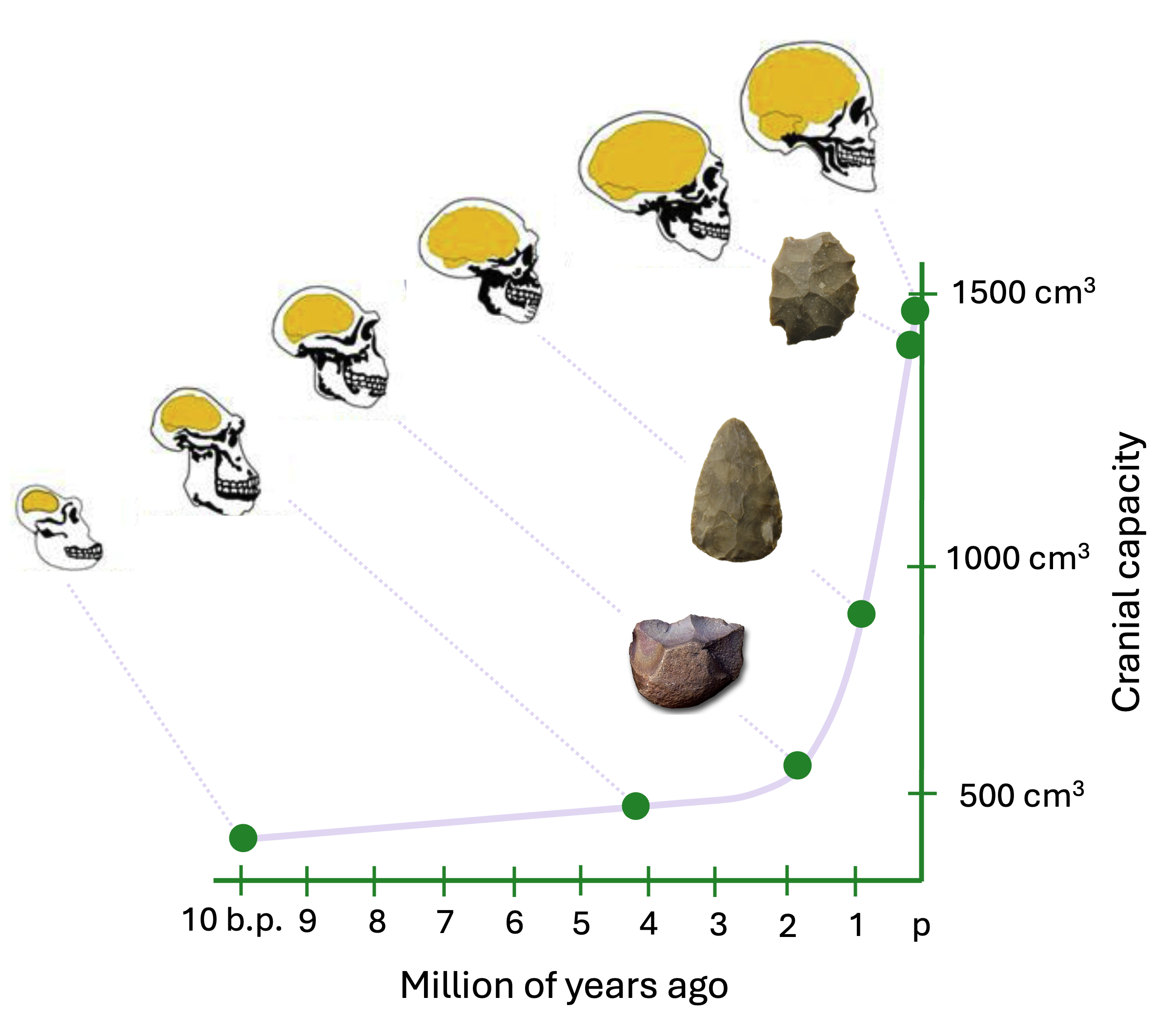
Since when have humans actually been speaking? And how can we study something that hasn’t left behind any fossils? Spoken language vanishes immediately – unlike bones or stone tools. That is why researchers look for indirect clues about the development of human language.
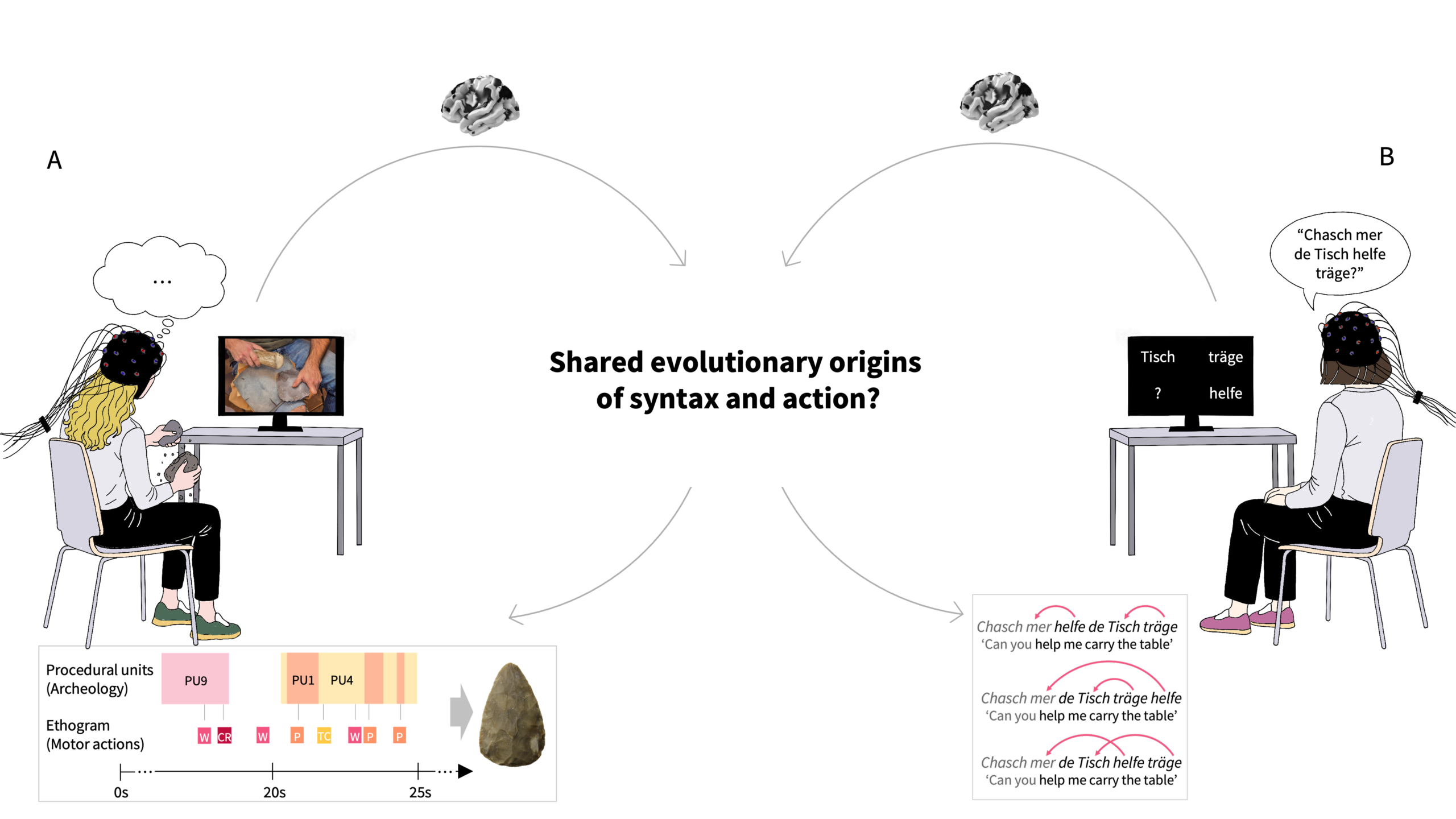
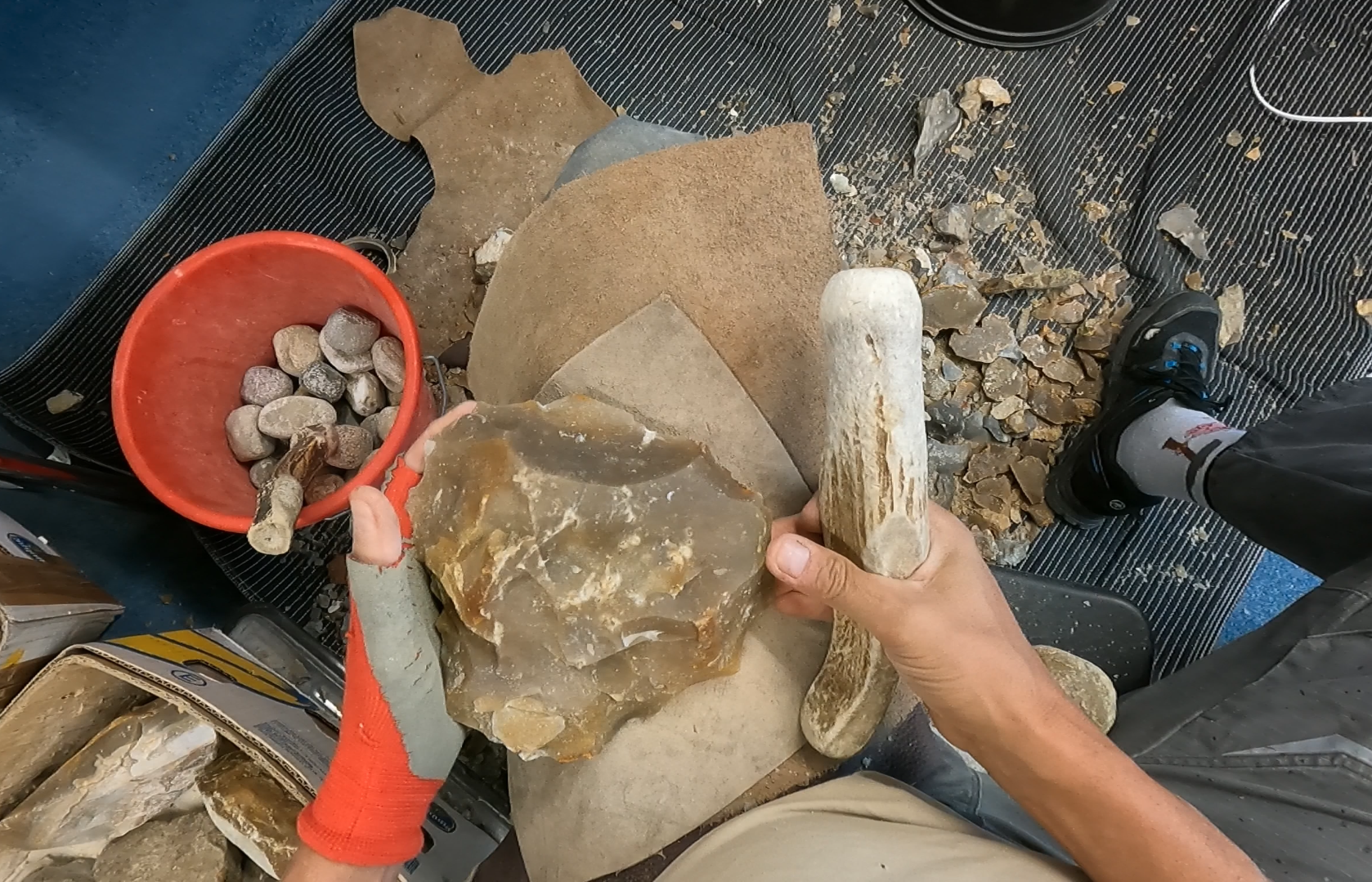
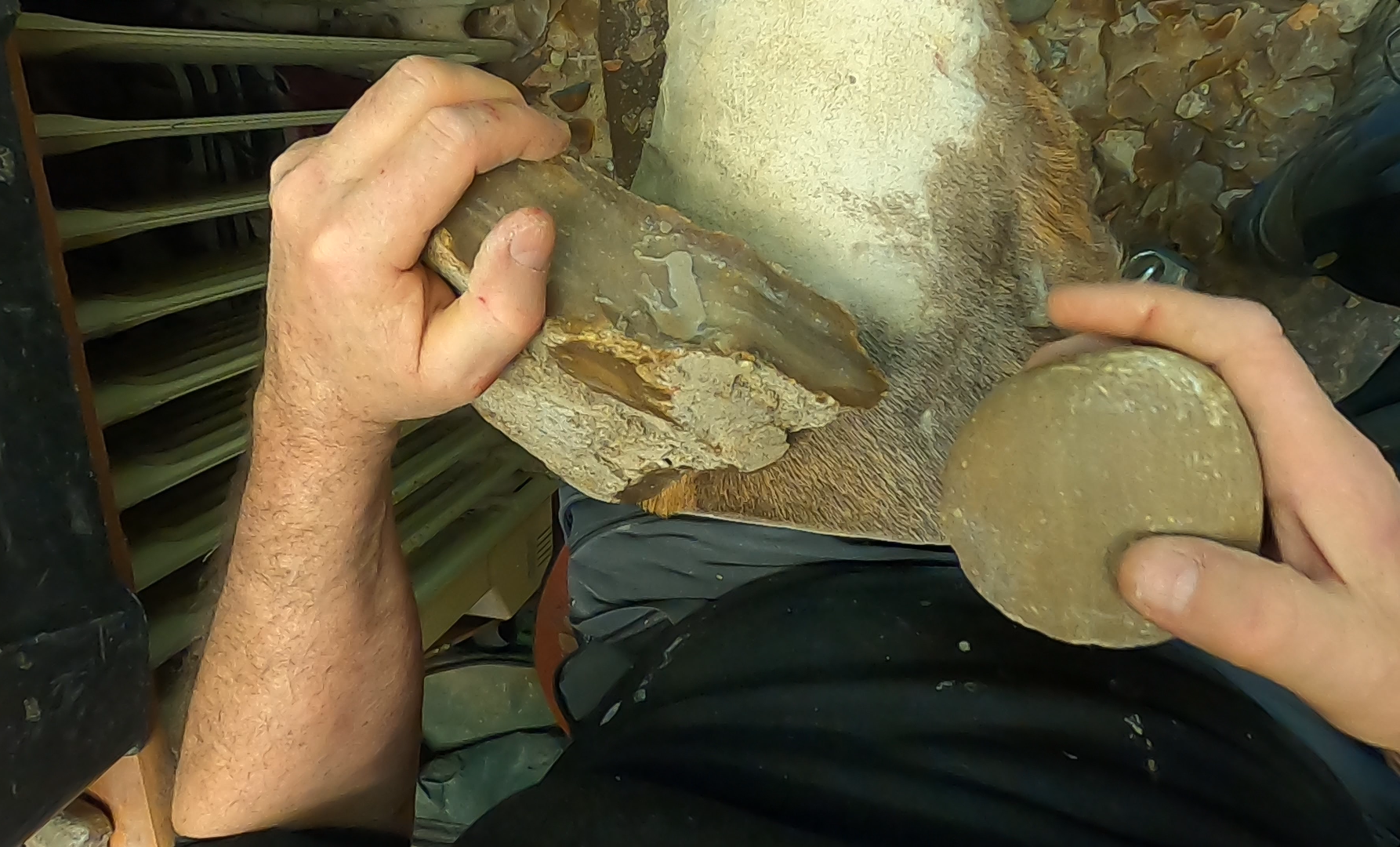
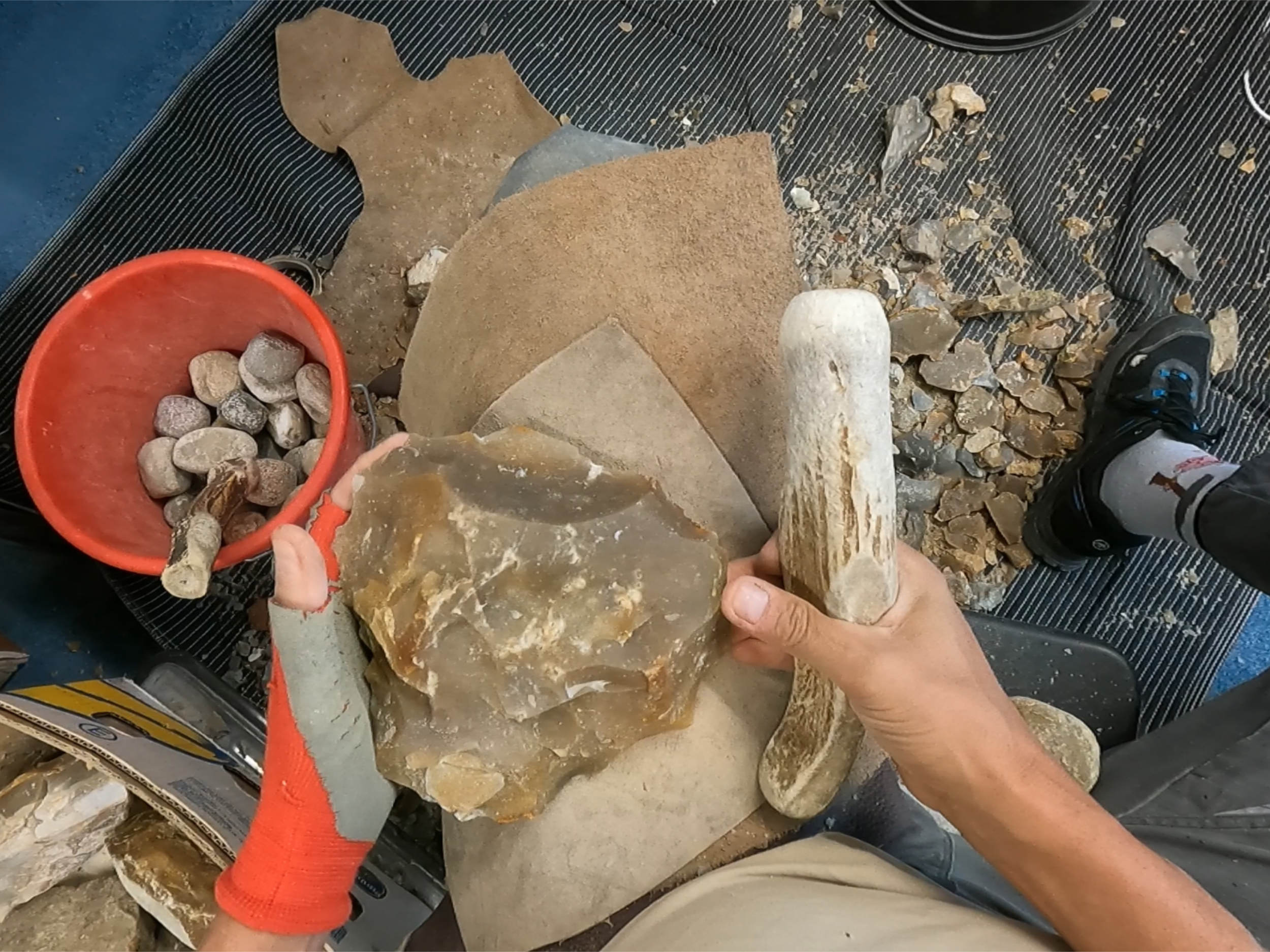
One possible key lies in the stone tools of our ancestors. Their making was surprisingly complex: tools had to be planned, individual steps had to be carried out in the correct order, and movements had to be precisely coordinated. These are exactly the kinds of abilities that also matter for speech and for building linguistic structure.
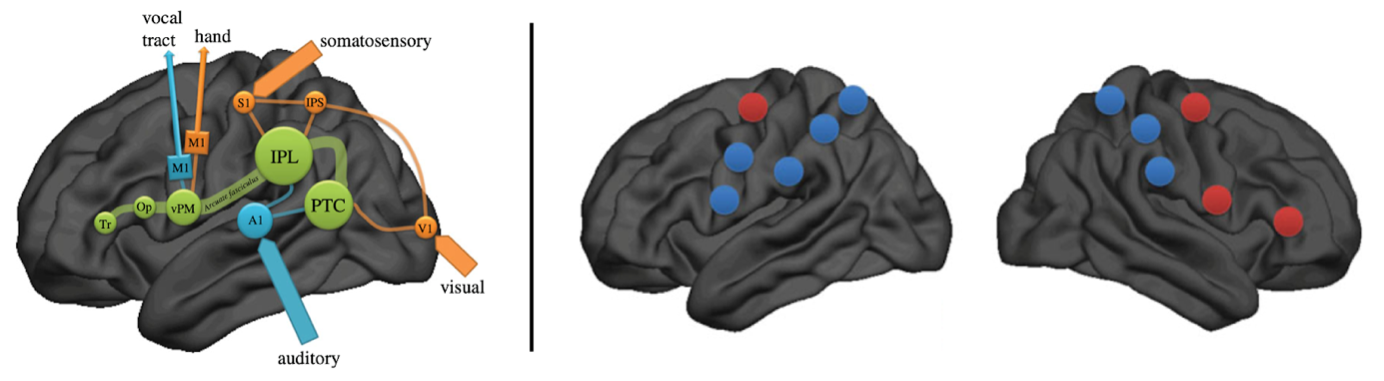
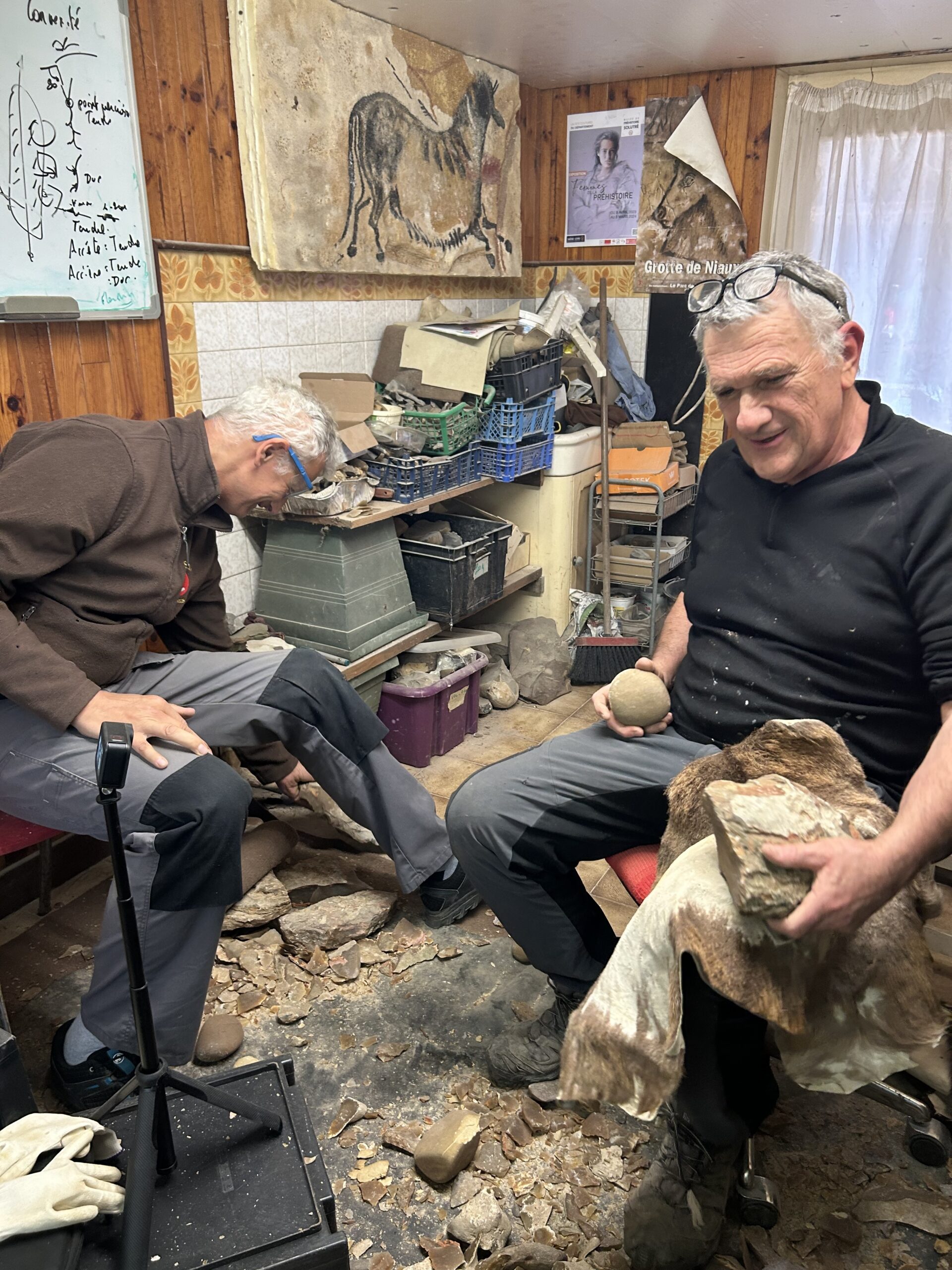
In neuroarchaeology, researchers combine archaeology, linguistics, and brain research to explore these questions. We are interested not only in whether toolmaking and language rely on similar cognitive processes, but also in how such skills may be culturally transmitted. Using modern imaging methods, we investigate which brain networks are active when people make tools or process linguistic structures.
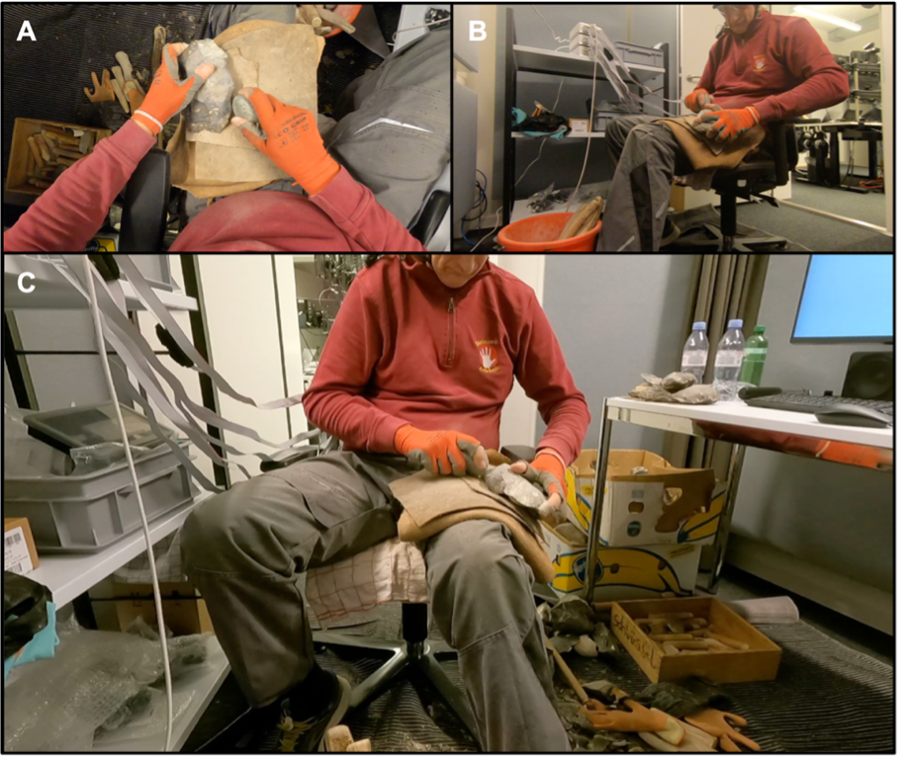
At our booth, visitors can explore different stone tools, follow how they were made, and learn how researchers are trying to uncover the origins of language today. In this way, ancient tools help us investigate one of the most fascinating questions in human history.