The muon—the Sherlock Holmes of elementary particles
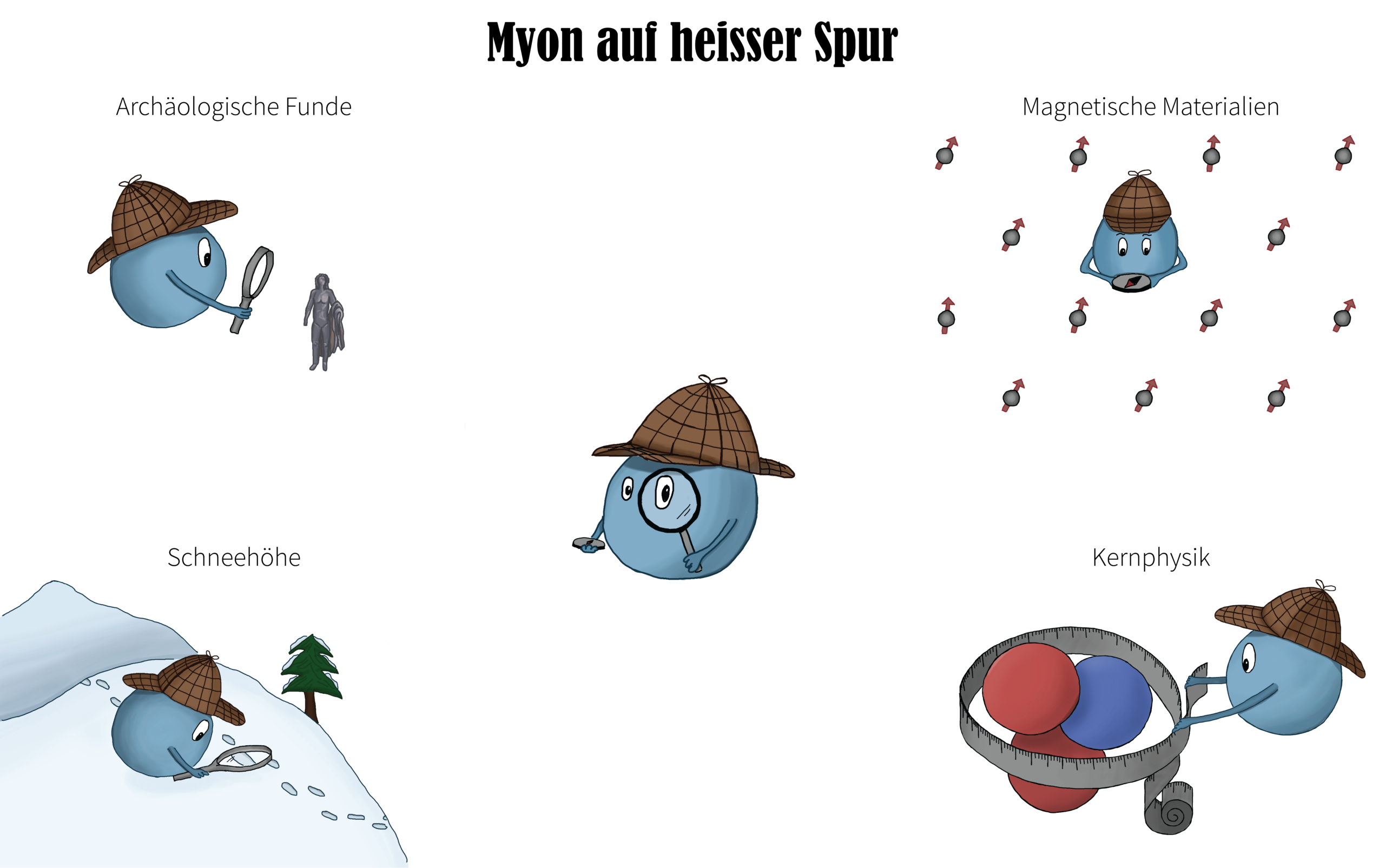
Muons are tiny elementary particles that pass through everything. As they do so, they gather information—just like detectives. Learn how researchers use this information to study all kinds of things: from archaeological finds and fundamental laws of physics to snow in the Alps.
Muons are nature’s detectives: they pass through objects without damaging them. Along the way, they gather information about their surroundings.
Who are these mysterious particles?
- Muons are similar to electrons – the particles that make electric current in our phones, cars and trains possible. However, muons are about 200 times heavier.
- Muons have an extremely short lifespan. After two microseconds, they decay into electrons and neutrinos.
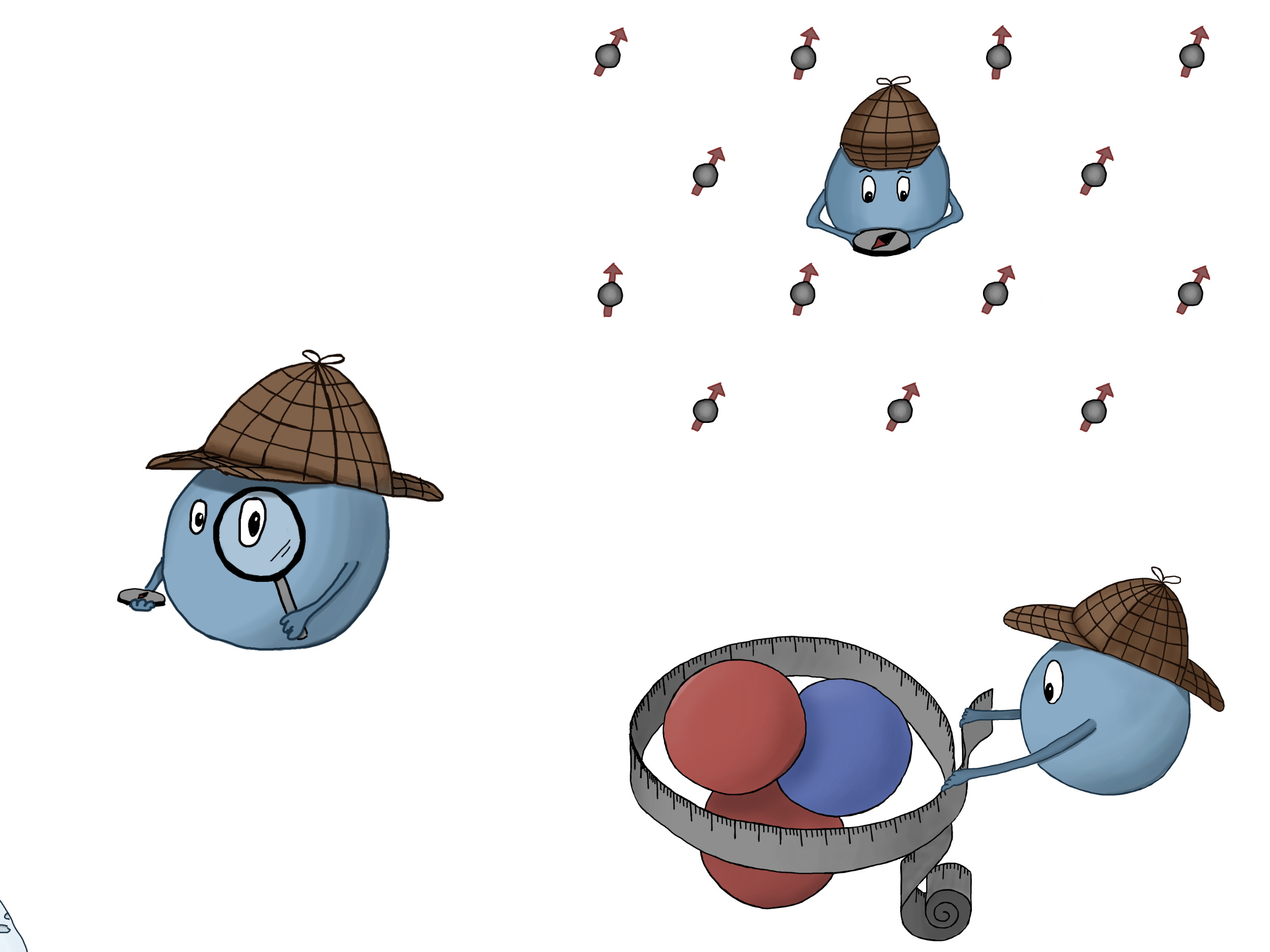
- Muons have spin.– a tiny compass they use to measure the magnetic properties of materials.
Muons are true all-rounders. Physicists use them to study things without causing any damage. Examples include new materials for batteries and solar panels, snow in the Alps, human history – as revealed in archaeological artifacts – and the fundamental laws of nature.
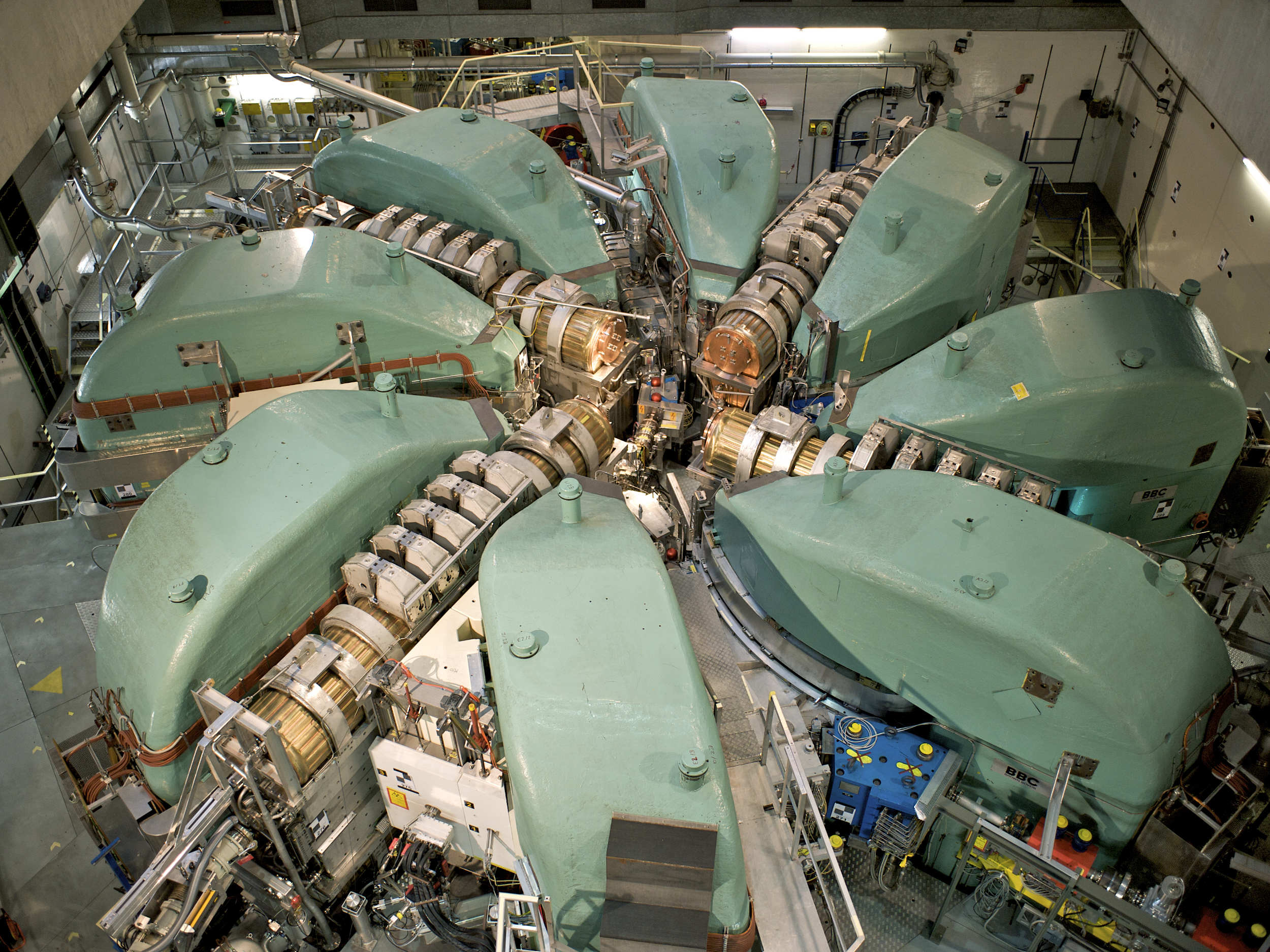
In the National Center of Competence in Research (NCCR) Muoniverse, scientists from 14 institutions in Switzerland are investigating all the things that muons can make visible. This NCCR is jointly hosted by the Paul Scherrer Institute (PSI) – home to a unique muon source – and the University of Zurich.
At the Muoniverse booth, you can observe muons that constantly reach the Earth from the atmosphere and discover the objects we study using muons. And, of course, we’re here to answer any questions you may have about muons and their applications.
The NCCR Muoniverse is funded by the Swiss National Science Foundation.
Other events by the UZH Physik-Institut at Scientifica:
Short lecture: Myonen – geheimnisvolle Detektivteilchen?
Saturday, 29. August 2026, 12.00
Workshop: Cloud Chamber – On the Trail of Elementary Particles
Sunday, 23. August 2026, 14.00; 15.30