The invisible architecture of the universe – particles, forces and dark matter Abstract
At CERN, physicists are investigating what holds the world together at its core. Two of the major unresolved questions are the origin of dark matter and the difference between matter and antimatter.
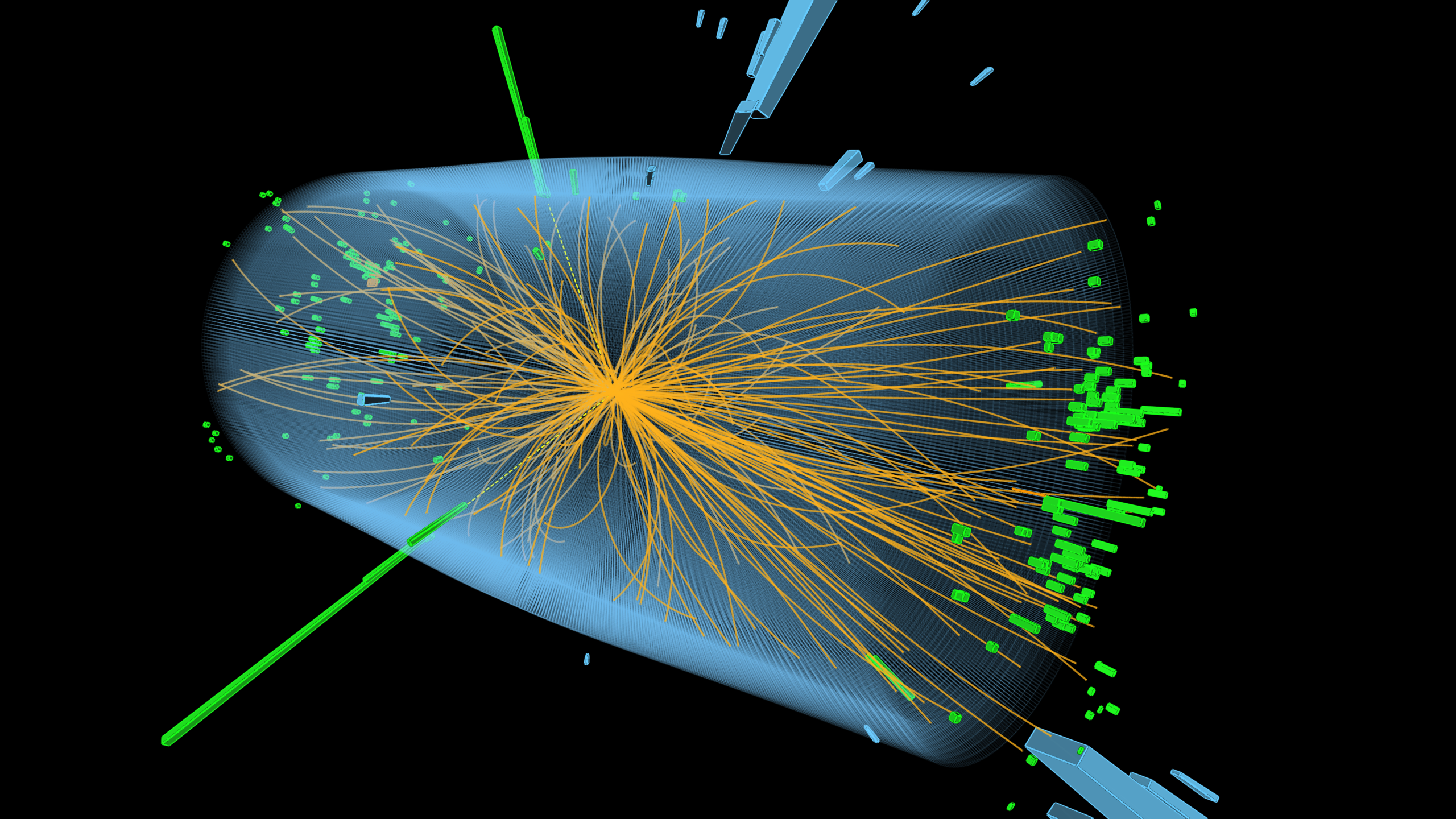
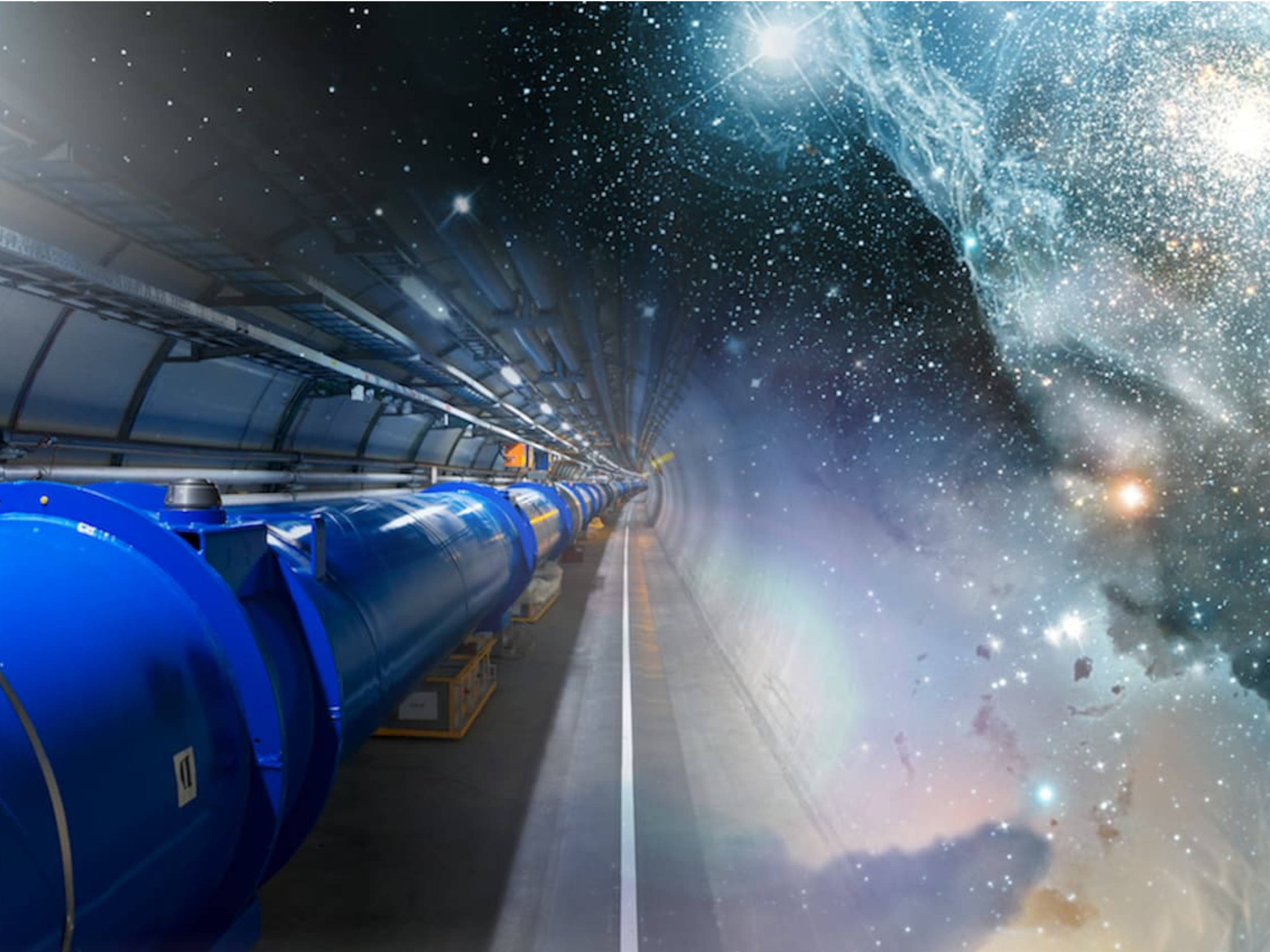
What holds the world and the universe together at their core? What are the basic building blocks of matter, and what fundamental forces act between them? Researchers from UZH and ETH are at the forefront of answering these questions, for example through experiments at the Large Hadron Collider (LHC), the world’s largest particle accelerator at CERN.
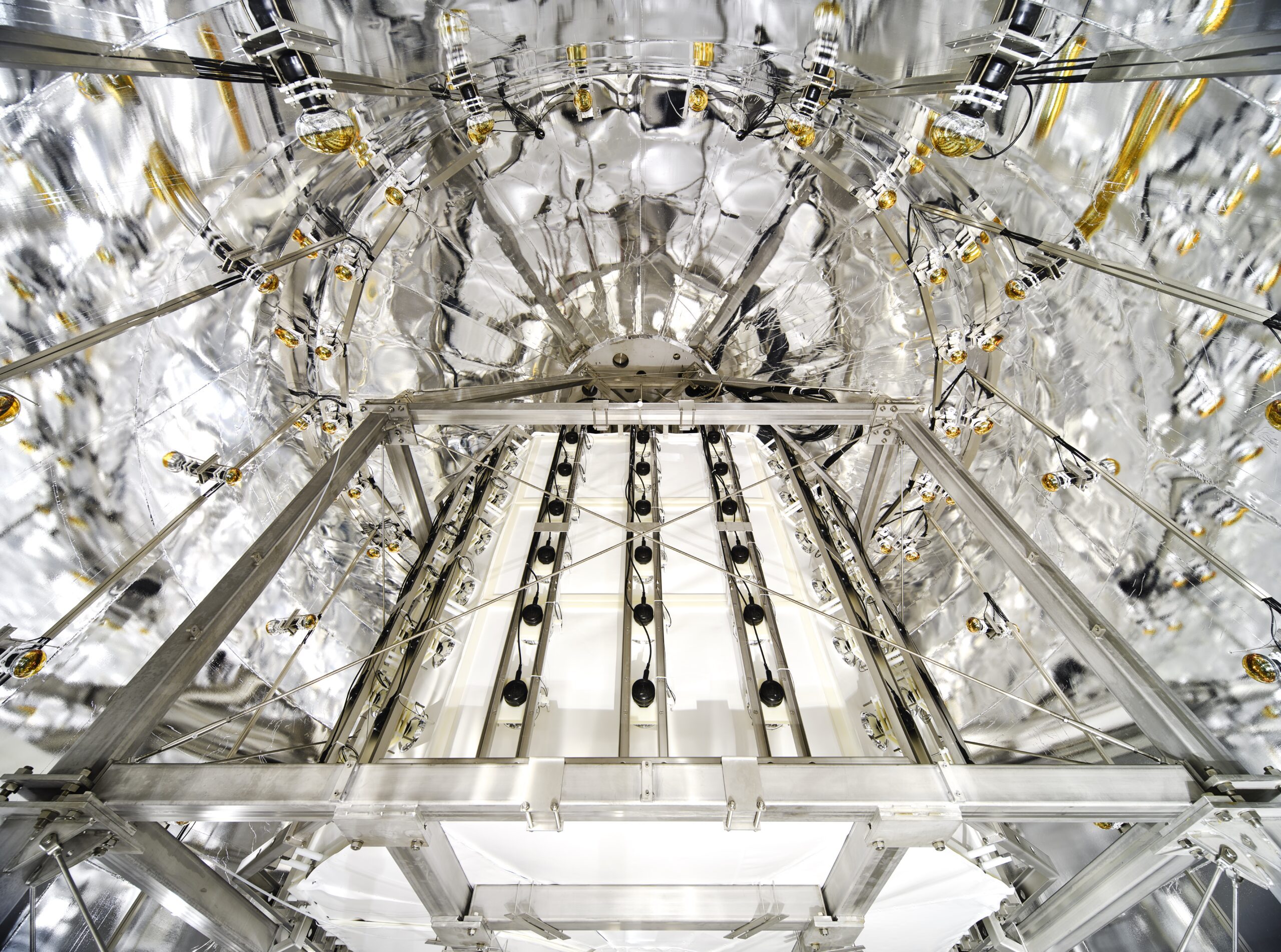
We’ll show you what quarks, leptons and bosons are, and how we study them at the LHC. You will also learn how the search for dark matter, which is still unknown, is being conducted at the Gran Sasso underground laboratory near Rome and in a gold mine in South Dakota. Based on cosmological measurements, we estimate that there is approximately 5.5 times more dark matter than ordinary matter in the universe. However, exactly what this comprises remains unclear.
At our stand, you can follow the process from scientific questioning and experimental measurement methods to data analysis and the physical insights that researchers derive from it. We use exhibits and computer animations to explain the questions, measurement methods and results, as well as how research works within large international collaborations.