Stranger Springs and the Physics of Upside Down
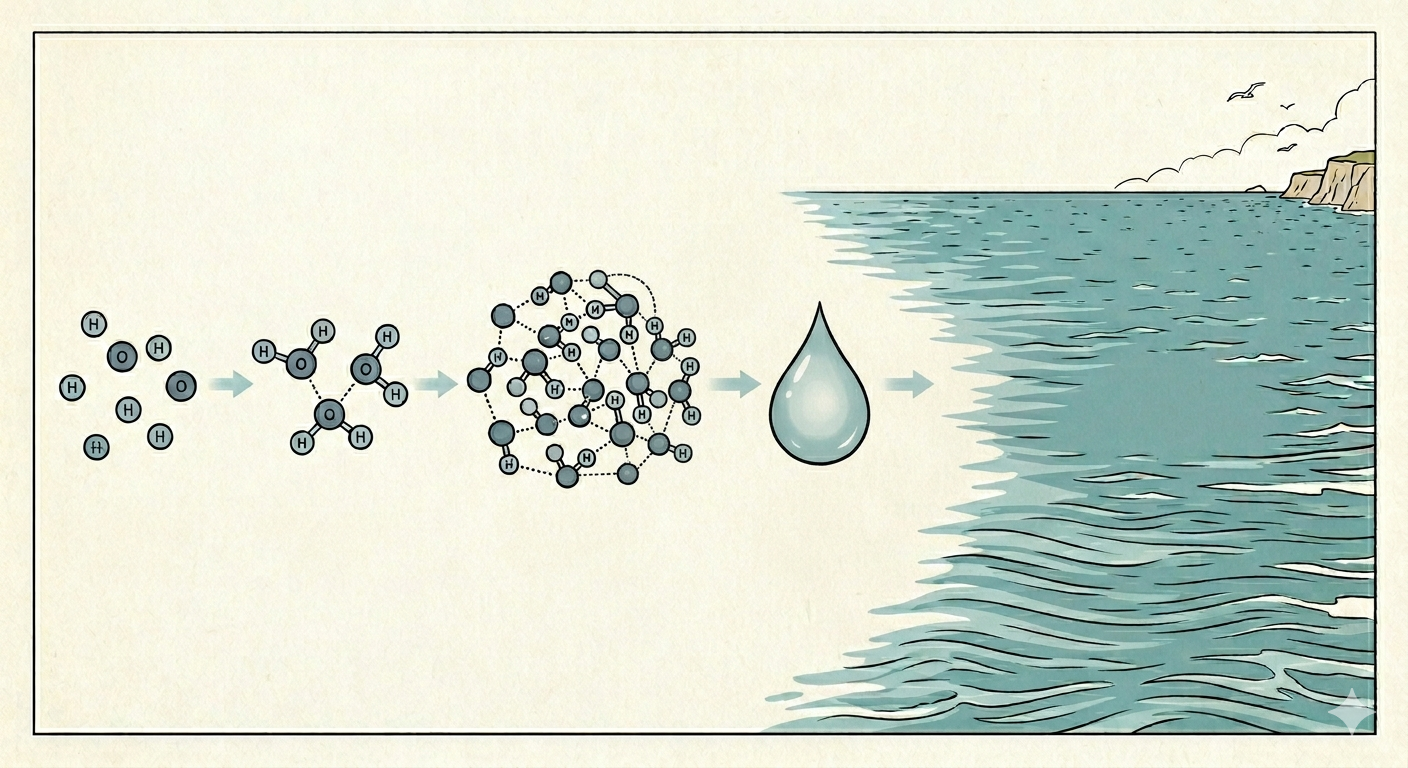
How many water droplets make an ocean? Can one brick build a house? Is a single water droplet already an ocean? What about a thousand or a million? The same question applies to matter itself. Everything around us is made of tiny particles. When they come together, something new can emerge: bricks become buildings, atoms become ice. More is different.
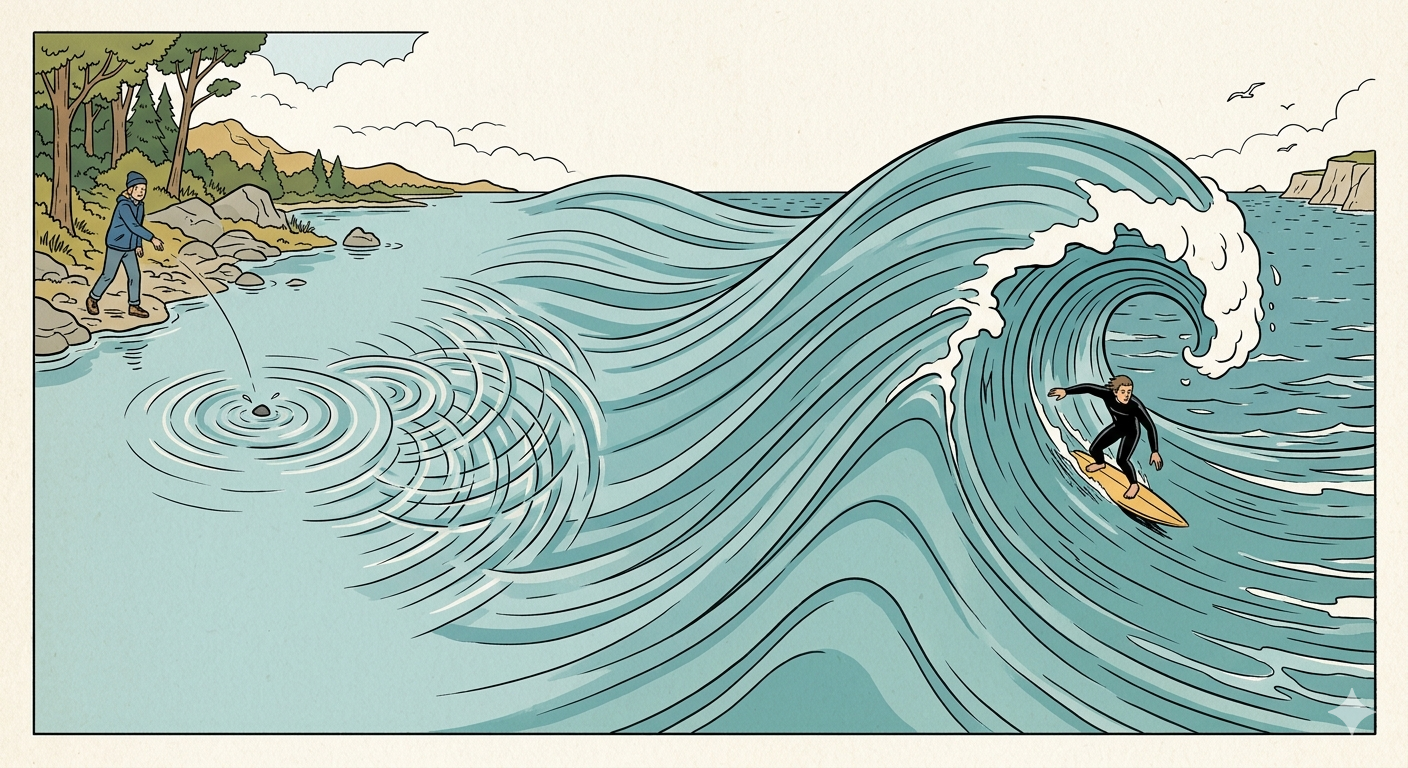
Things become even more fascinating when they move and interact. Drop a pebble into water and you see ripples. In a storm waves grow huge. How do countless droplets create such power? Understanding how small parts work together helps us predict natural events and design new materials. At our stand, you can explore this yourself. Try a Kapitza pendulum (“K pizza”): although it usually falls over, it becomes stable when it spins fast enough. Or discover how connected pendulums and springs make motion spread and patterns appear. Create waves in our ripple tank and see how simple rules lead to complex behaviour.