Small seeds, big forests: how it all begins
Trees may seem large and permanent, but every tree begins as a tiny seed or seedling. Facing challenges from animals and weather, only few survive to reach the forest canopy. Learn how to identify Swiss tree seeds and seedlings and discover how scientists study the hidden struggles of these small survivors.
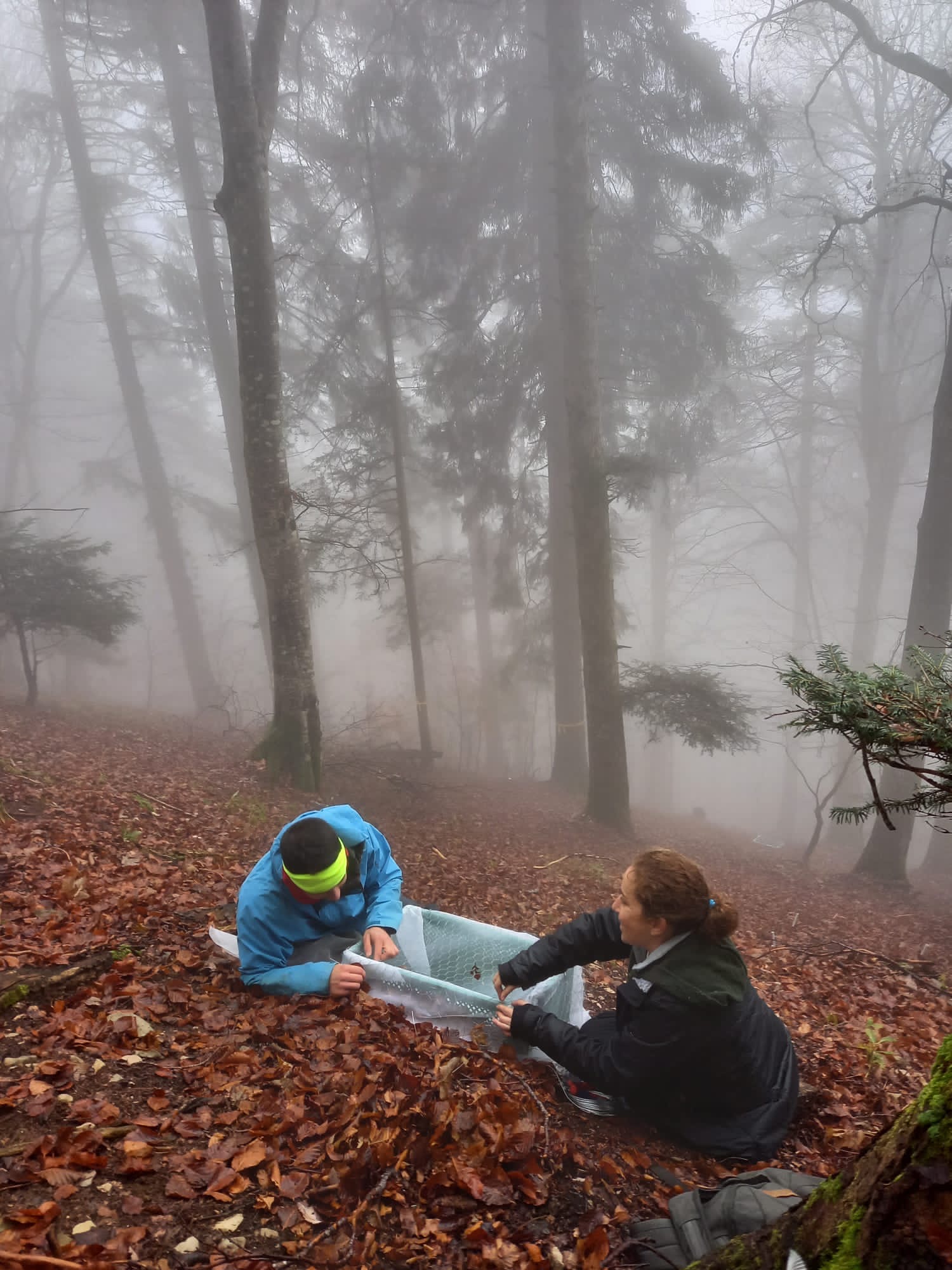
Forests provide habitats, protect us from natural hazards and supply us with timber. Yet every forest begins with something very small: a seed. Before a tree can grow tall and reach the forest canopy, it must first survive as a seed and seedling. Along the way, it faces many challenges, from drought and extreme weather to hungry animals. Only a small fraction of young trees ever make it to adulthood. How do scientists research these tiny trees? And how does this help us understand the forest of tomorrow?
At our booth, discover how Swiss forests regenerate and how researchers study the earliest stages of a tree’s life. Test your knowledge by matching seeds, seedlings and mature trees of the same species. Learn which animals feed on seeds and young trees, and take part in a guessing game: how many seeds of different trees do you think fall onto just one square metre of forest floor?
You can also explore a model forest regeneration station and discover the tools scientists use in the field. Examine seed traps, seedling plots and measuring equipment, and find out how research on tiny trees helps us understand the forests of the future. Come and discover how great forests begin with the smallest of trees.
A beech marten eating seeds (Video: Plant Ecology Group).