From dust particle to raindrop
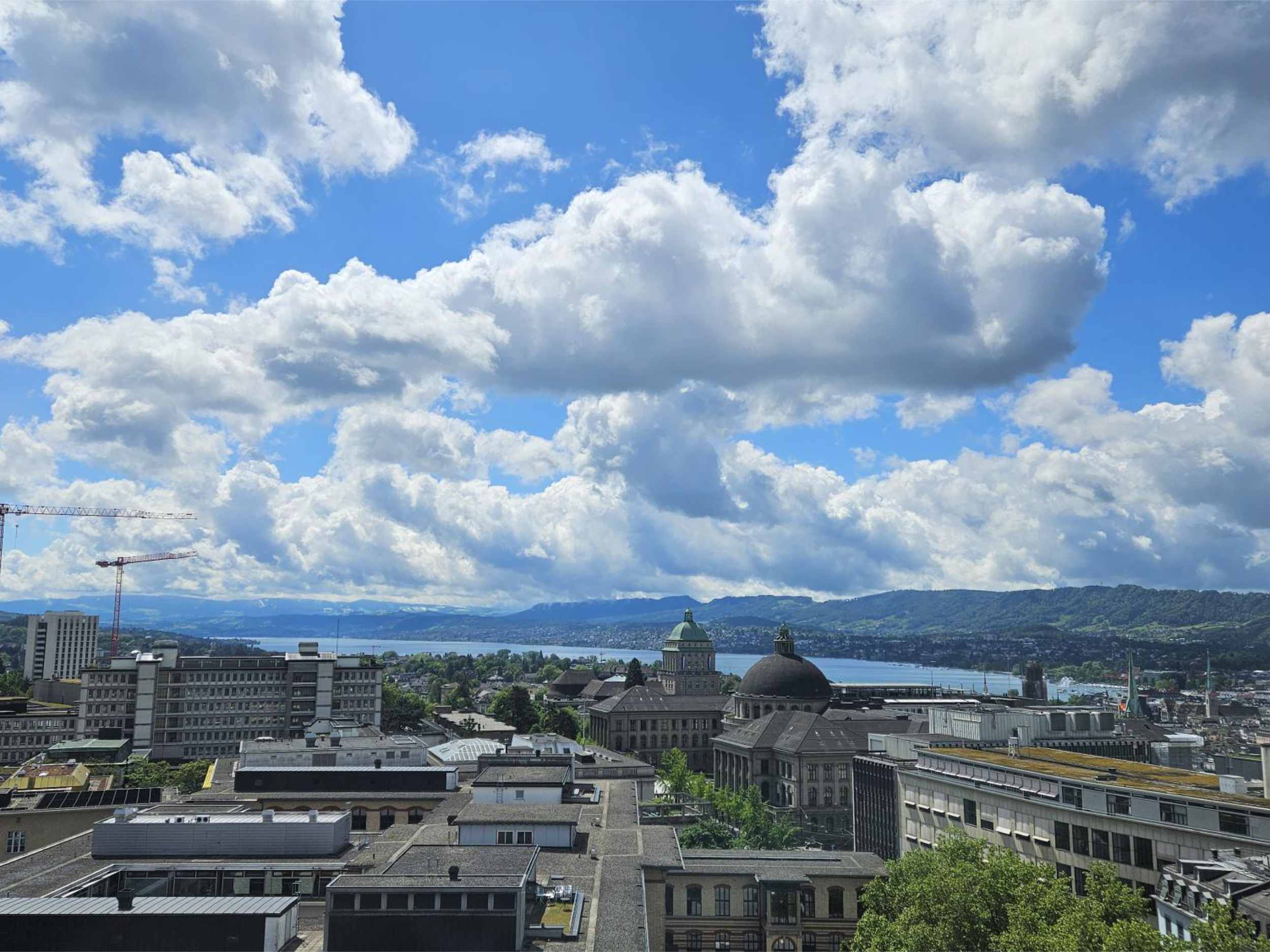
Clouds shape our weather and the water cycle. Whether water vapour becomes cloud droplets or ice crystals and whether rain or snow falls is determined by processes on a microscopic scale. Discover the hidden mechanisms that create clouds and precipitation.
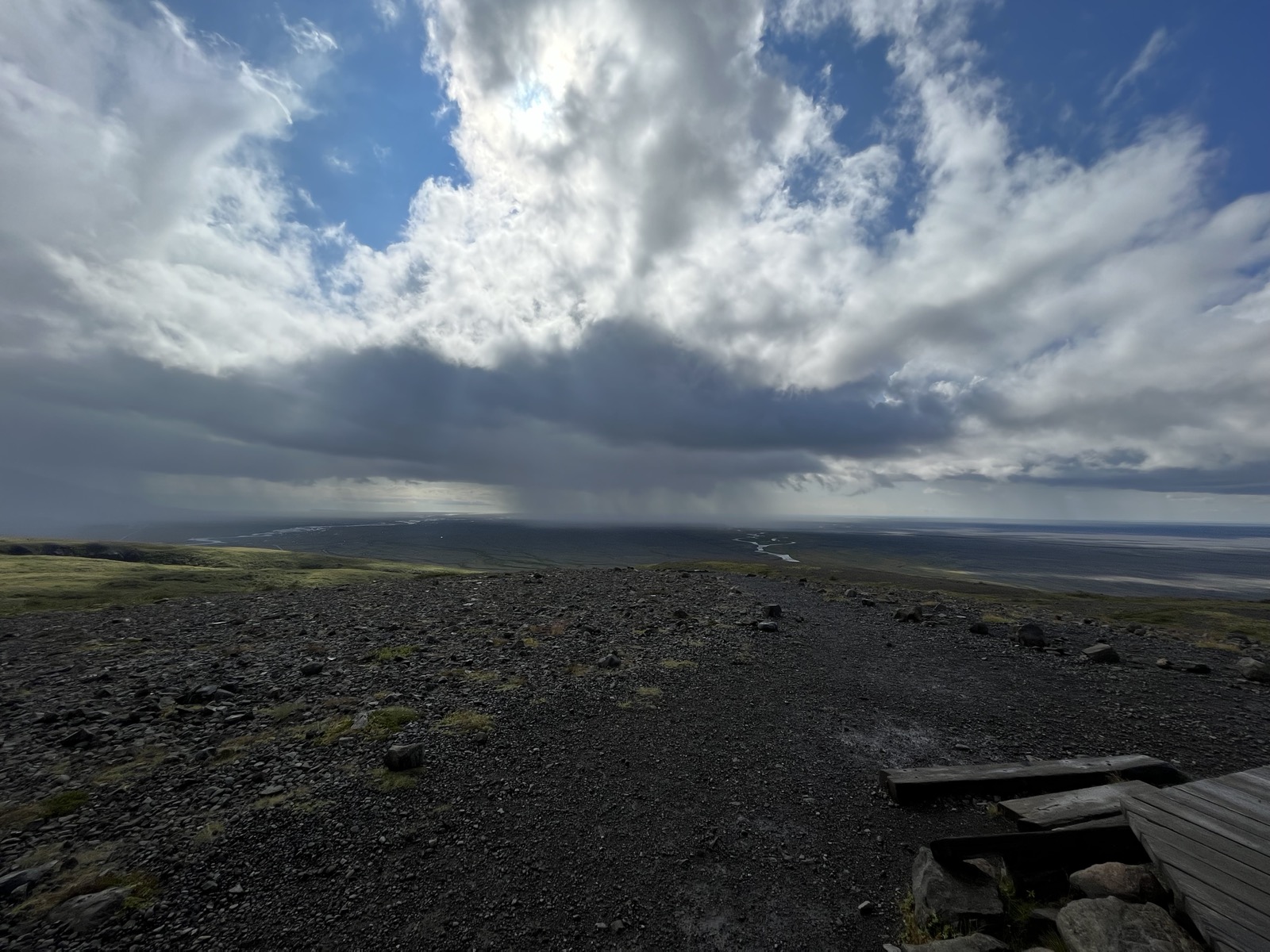
Clouds are part of our everyday lives. They bring rain, snow and thunderstorms, and they shape our weather and climate. But how do clouds form? Why are they often flat at the bottom and fluffy on top? And what role do Aerosols, tiny particles suspended in the air, play?
At our booth, you can explore the fascinating inner workings of clouds. The journey begins with aerosols: microscopic particles in the atmosphere. Under the right conditions, they act as seeds for cloud droplets and ice crystals – the building blocks of clouds and precipitation.
Discover how these tiny particles can eventually become raindrops or snowflakes, and why ice crystals play a crucial role in this process. Learn how researchers study clouds using state-of-the-art instruments, laboratory experiments, weather models and measurements taken directly inside clouds. We also show how tropical cyclones form and why they intensify.
At our booth, you can:
- measure aerosols in the surrounding air
- create an artificial cloud
- learn about different cloud types
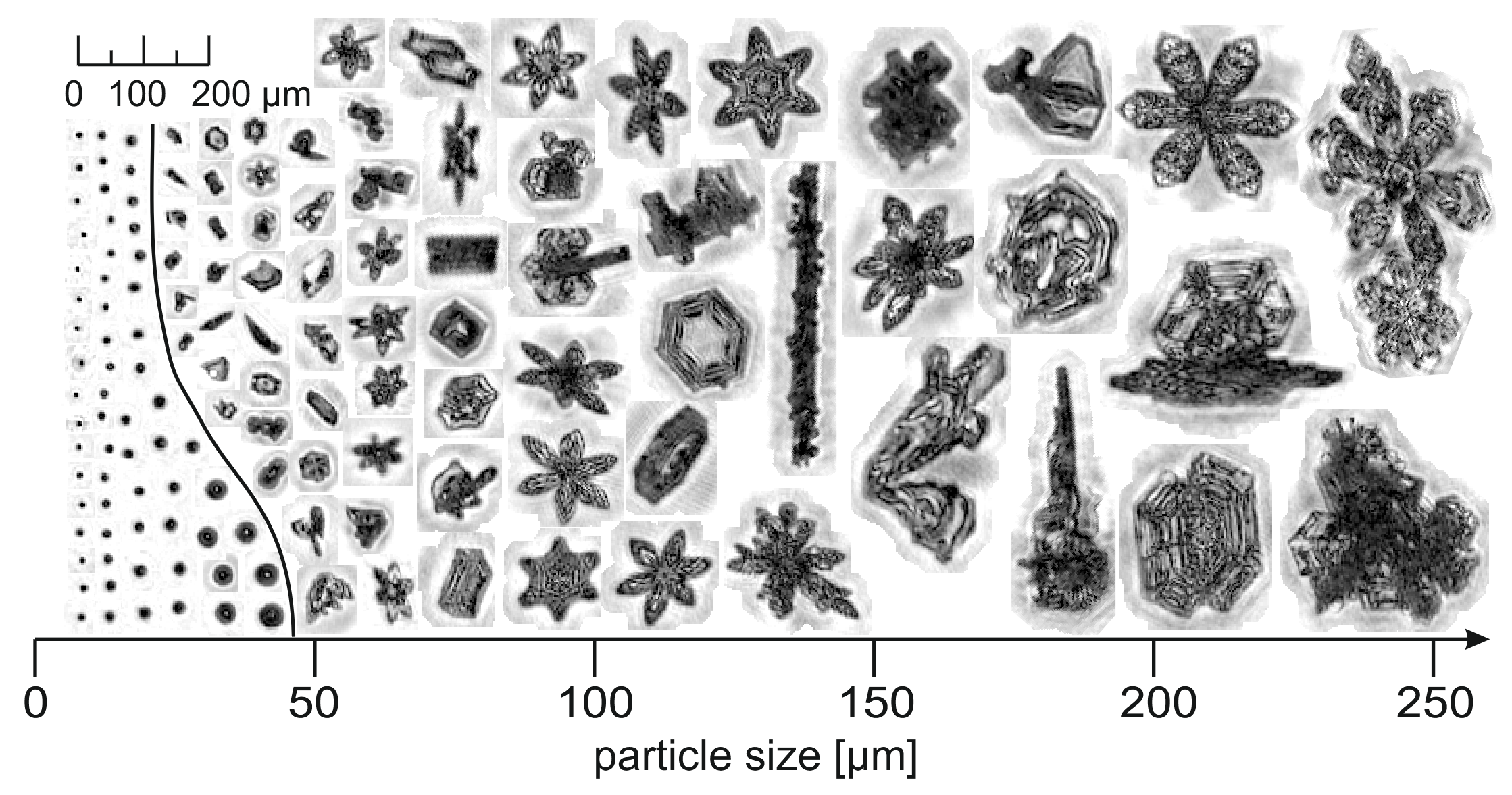
- discover ice crystals using holographic imaging
- marvel at a replica of a giant hailstone
- learn how weather balloons help improve weather forecasts
- explore the formation and life cycle of hurricanes
Come and discover how invisible dust particles can give rise to clouds, precipitation and even powerful storms.