From Curiosity to Cure: Creating Regenerative Medicine
How does a research question become a new therapy? Discover how regenerative medicine can repair damaged cells, tissues, and organs. Through microscopy, 3D printing, and interactive demonstrations, experience how scientific knowledge is created and transformed into medical innovation.
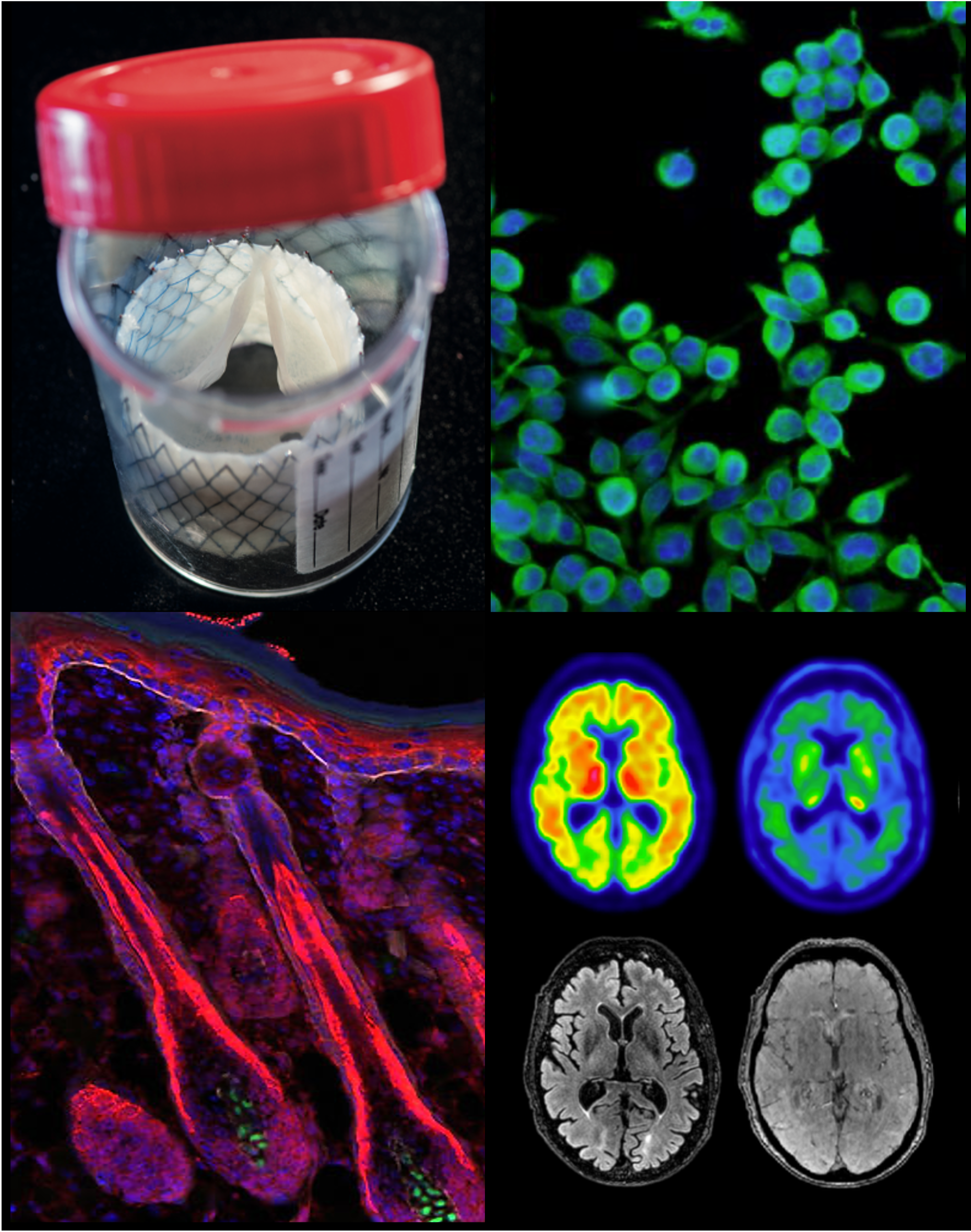
At the Institute for Regenerative Medicine (IREM), researchers explore how damaged cells, tissues, and organs can be regenerated or replaced. Their work ranges from understanding how cells function to developing innovative therapies for heart disease, rare genetic disorders, cancer, and neurodegenerative diseases.
But how does scientific knowledge become medical innovation? At our booth, you can follow the journey from research question to therapy.
Using real examples from IREM’s research groups, we will show and explain how:
- Tissue engineering and biomaterials research enable the development of next-generation cardiovascular implants that can grow and adapt within the patient’s body, supporting natural tissue regeneration.
- Molecular biology, immunology, and stem cell research are combined to develop and validate novel gene and cell therapies for rare genetic diseases.
- Advanced cell barcoding technologies applicable in stem cell biology can uncover mechanisms of tissue regeneration and cancer development, laying the foundation for new therapeutic strategies.
- Neuroscience research advances regenerative approaches for brain diseases.
Observe living cells under the microscope, learn how researchers use DNA to understand diseases and develop new treatments. Through 3D-printing demonstrations, videos, and hands-on games, young and old can explore what it means to think and work like a scientist.
Meet our researchers, ask questions, and discover how curiosity-driven research leads to new therapies. We hope to inspire curiosity and excitement about the future of regenerative medicine and its potential to improve lives.
Other events regarding regenerative medicine and research at Scientifica:
Booth: In transition: Research involving animals and alternatives
Saturday, 29. August 2026, Zentrum
Sunday, 30. August 2026, Zentrum
Booth: Hope for Rare Diseases
Saturday, 29. August 2026, Zentrum
Sunday, 30. August 2026, Zentrum
Tracking cells through time: By giving cells unique DNA barcodes, researchers can follow their fate and uncover how tissues grow, regenerate, and change during disease (Video: Cell division illustration adapted from My Science Squad.DNA image generated using AI. Animation and scientific content adapted and assembled by the authors).