From Childhood to Old Age: Understanding Human Development
Motor skills, sleep, memory: All of these change over the course of our lives and reveal something about how we develop One goal of our research is to better understand different developmental pathways and challenges. Find out how you measure up in our developmental tests.
How do physical abilities develop and change over the course of a lifetime? How can we measure sleep? How do people process complex visual information, and how do they remember it? How can we assess memory in a child-friendly way, independent of language?
In the Department of Developmental Pediatrics at the Children’s Hospital, we study child development and its implications for adolescence and adulthood. A key focus of our research is the study of developmental trajectories in physical abilities, cognition, and sleep behavior to better understand different developmental pathways and challenges. We also investigate which factors promote healthy development and how children with developmental disorders, as well as those at increased risk for developmental impairments – such as those due to prematurity or chronic illnesses – can be supported.
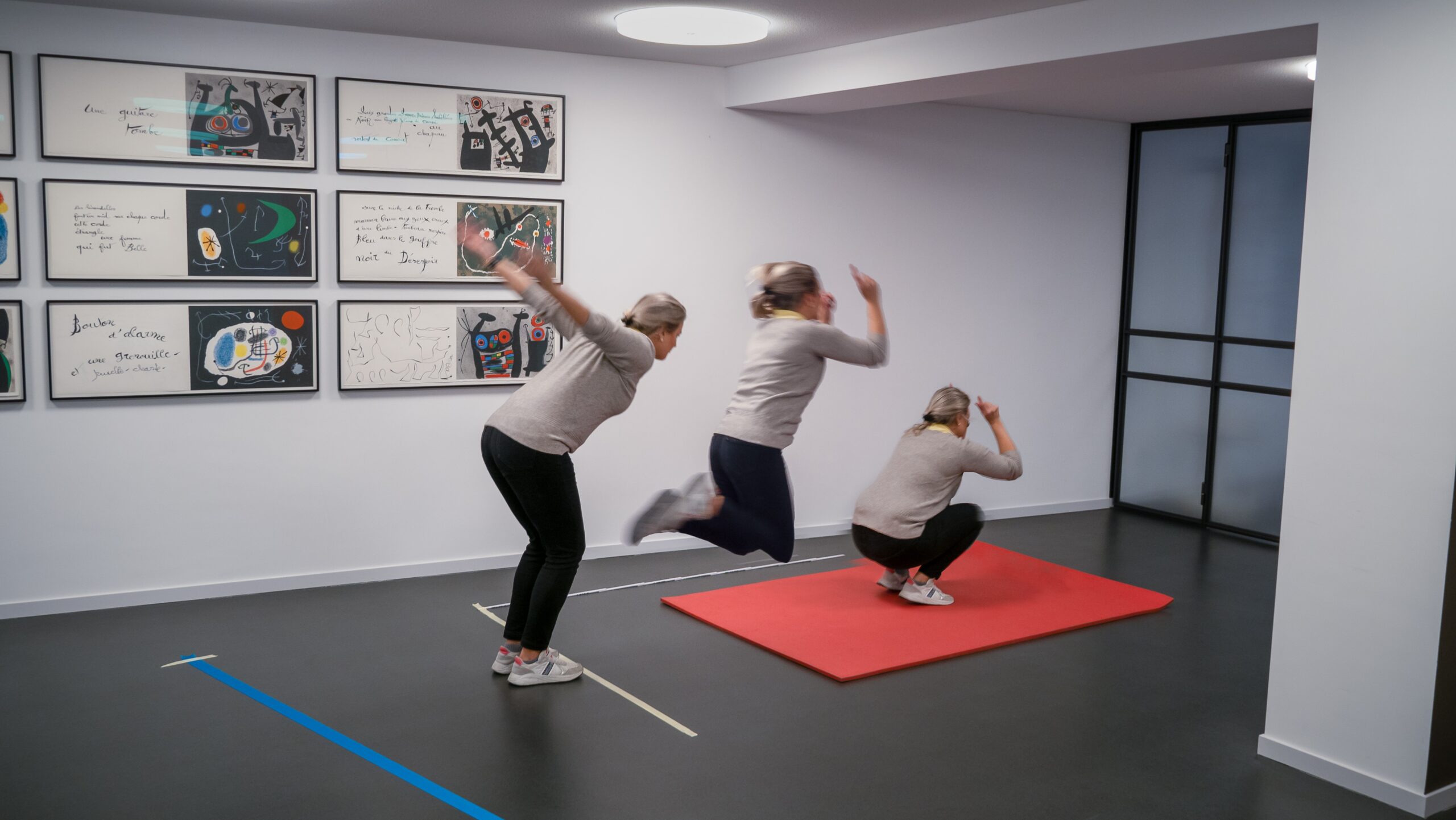
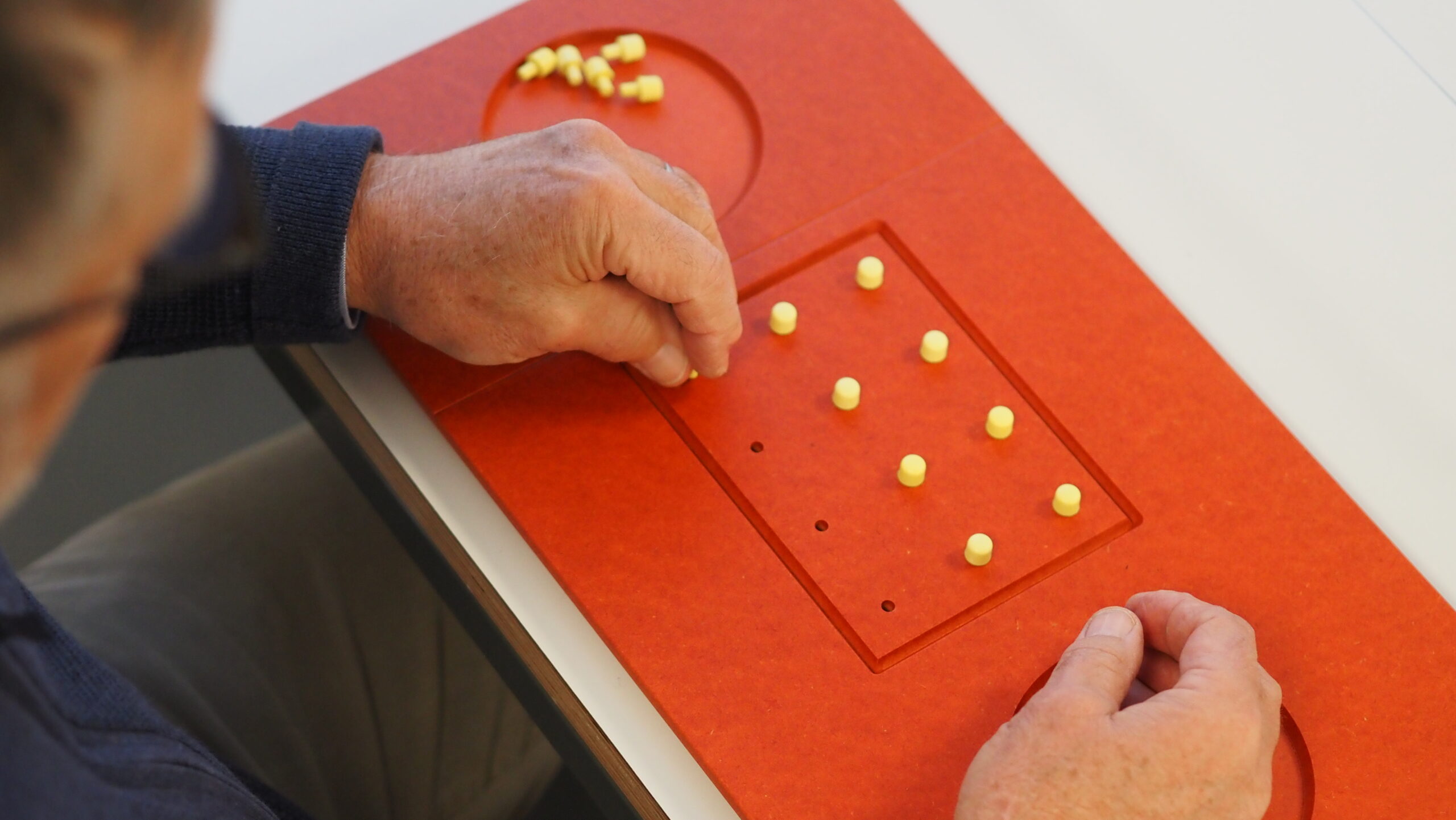
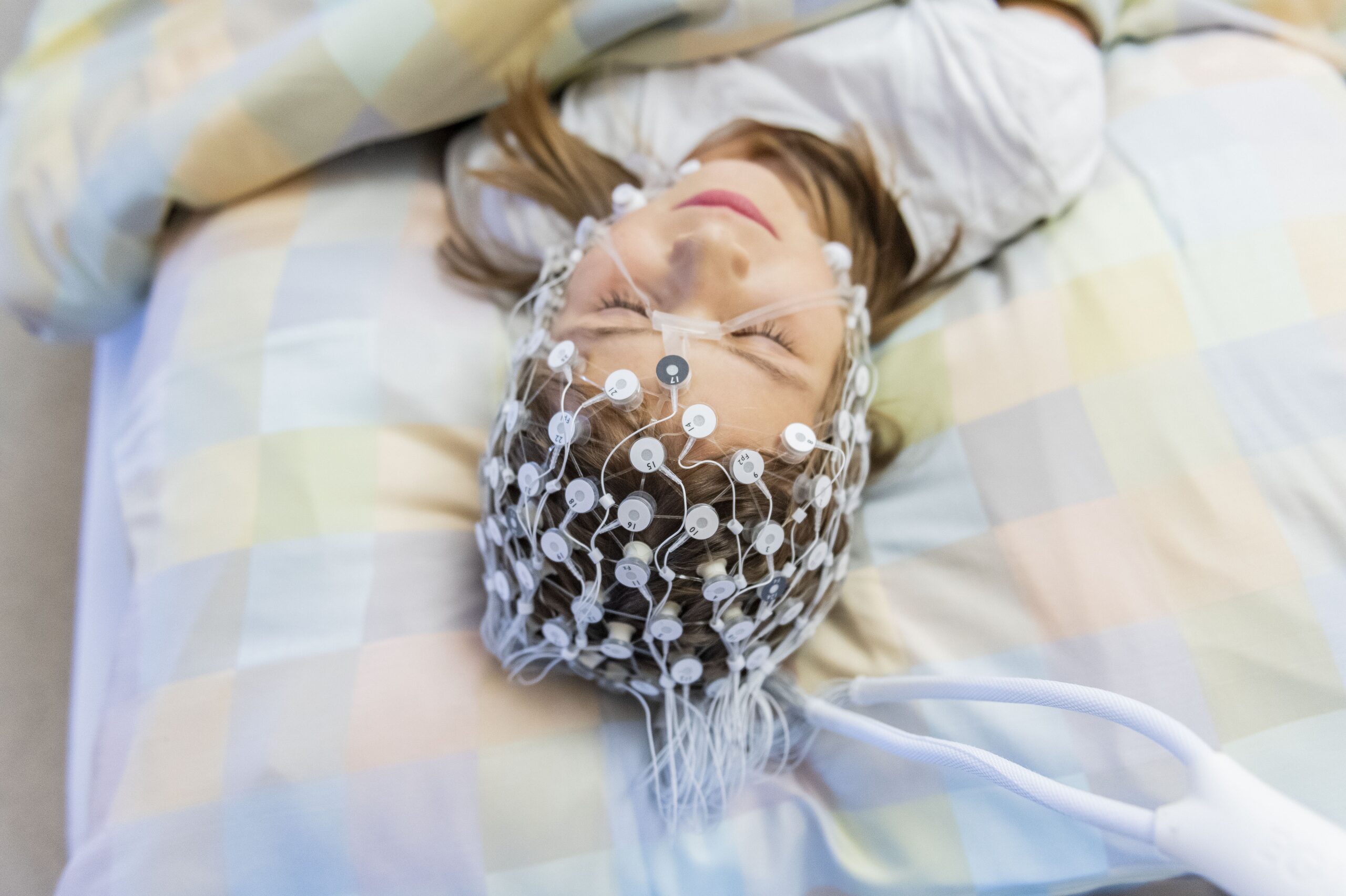
To track and describe development during childhood and adolescence, we use a variety of scientific methods – some of which you can try out for yourself at the booth and compare your results with those of other visitors. Test your motor skills – for example, with a neuromotor task developed at the Children’s Hospital. Experience classic and newer methods of sleep research and find out whether you’re more of a short or long sleeper, an “owl” or a “lark.” We’ll also show you how we use short video clips and eye-tracking measurements to assess memory performance.
This booth is part of the Data Treasure Hunt