Cows, microbes and methane: A journey into a cow’s stomach
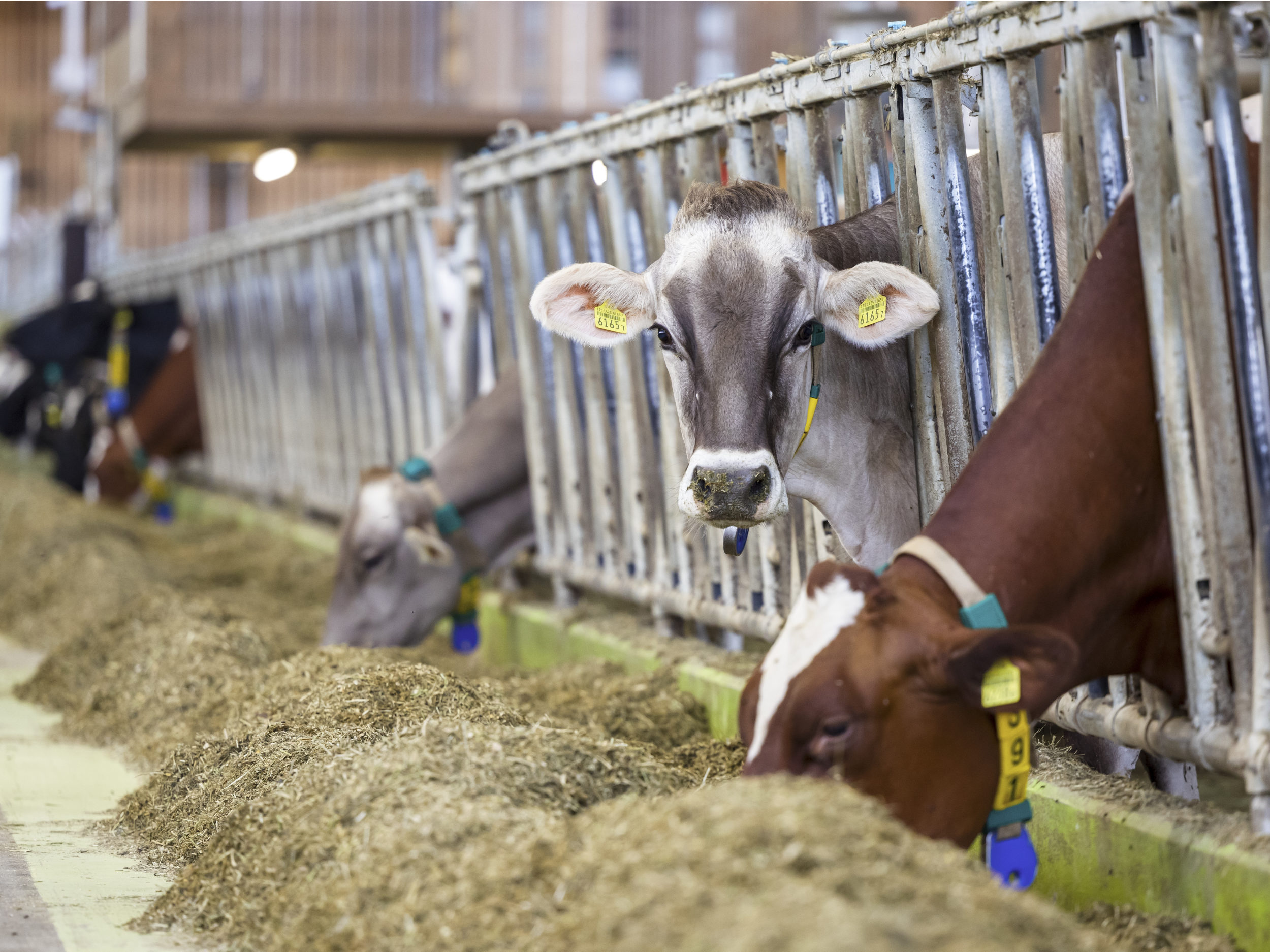
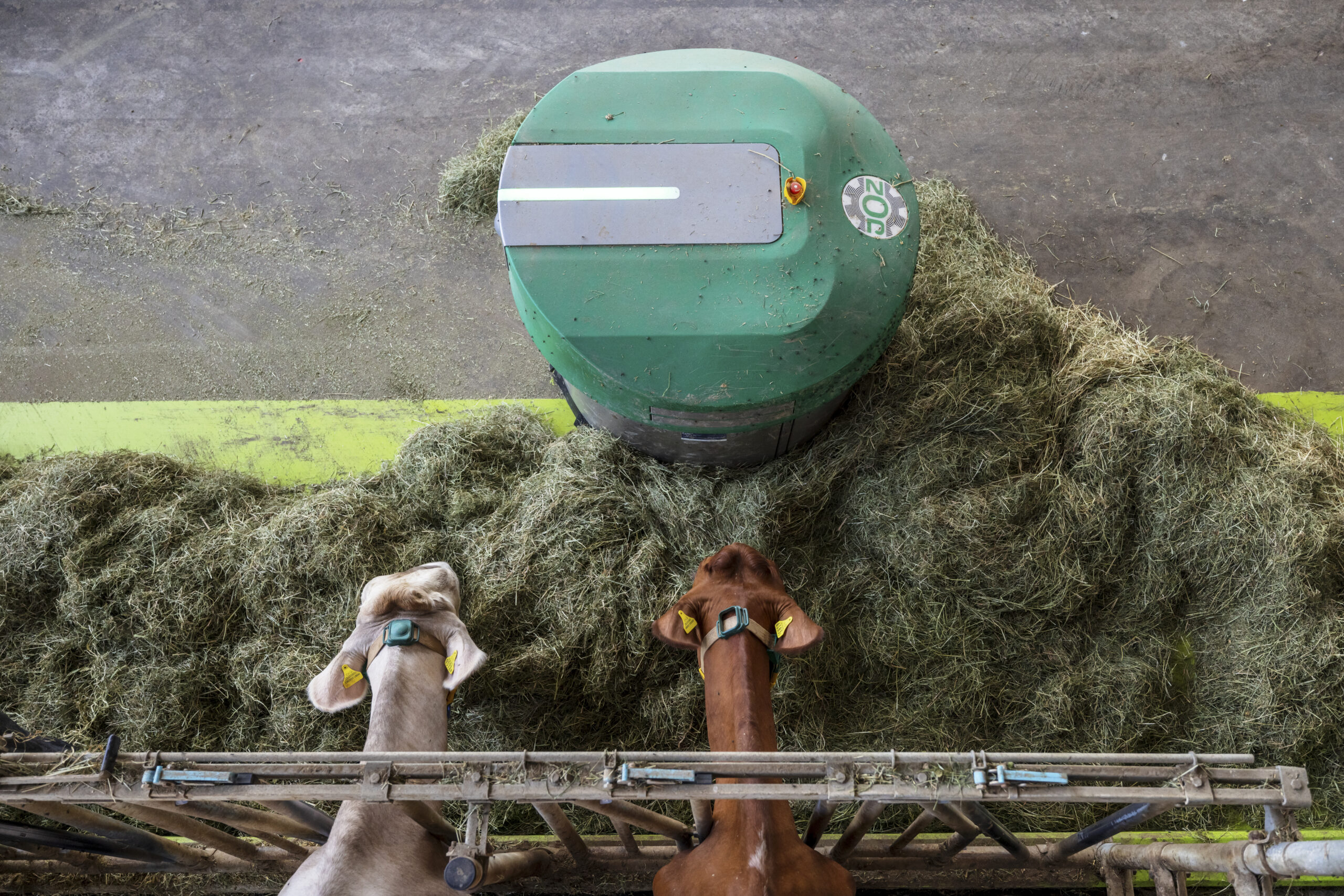
AgroVet-Strickhof is researching ways to feed cows more sustainably. Find out why they produce methane and how special feed additives can help reduce emissions – for a more climate-friendly agricultural sector.
AgroVet-Strickhof is a collaboration between Strickhof, ETH Zurich and the University of Zurich in the fields of agricultural and veterinary sciences. One focus is on animal nutrition, particularly the feeding of cattle. Did you know that, thanks to microorganisms in their forestomach, cows can convert grass and other plants that are indigestible to us into milk and meat? However, this process also produces methane – a greenhouse gas that is around 27 times more potent than CO₂. A single cow emits around 350 litres of it every day.
This is precisely where research at AgroVet-Strickhof comes in: researchers are looking for ways to reduce methane emissions from cows. One approach involves special feed additives, such as those derived from plants or residues from food production. These influence the microorganisms in the digestive tract in such a way that less methane is produced. Find out how modern research is helping to make agriculture more sustainable – and what role cows play in this.
Further information:
The Climate Cow