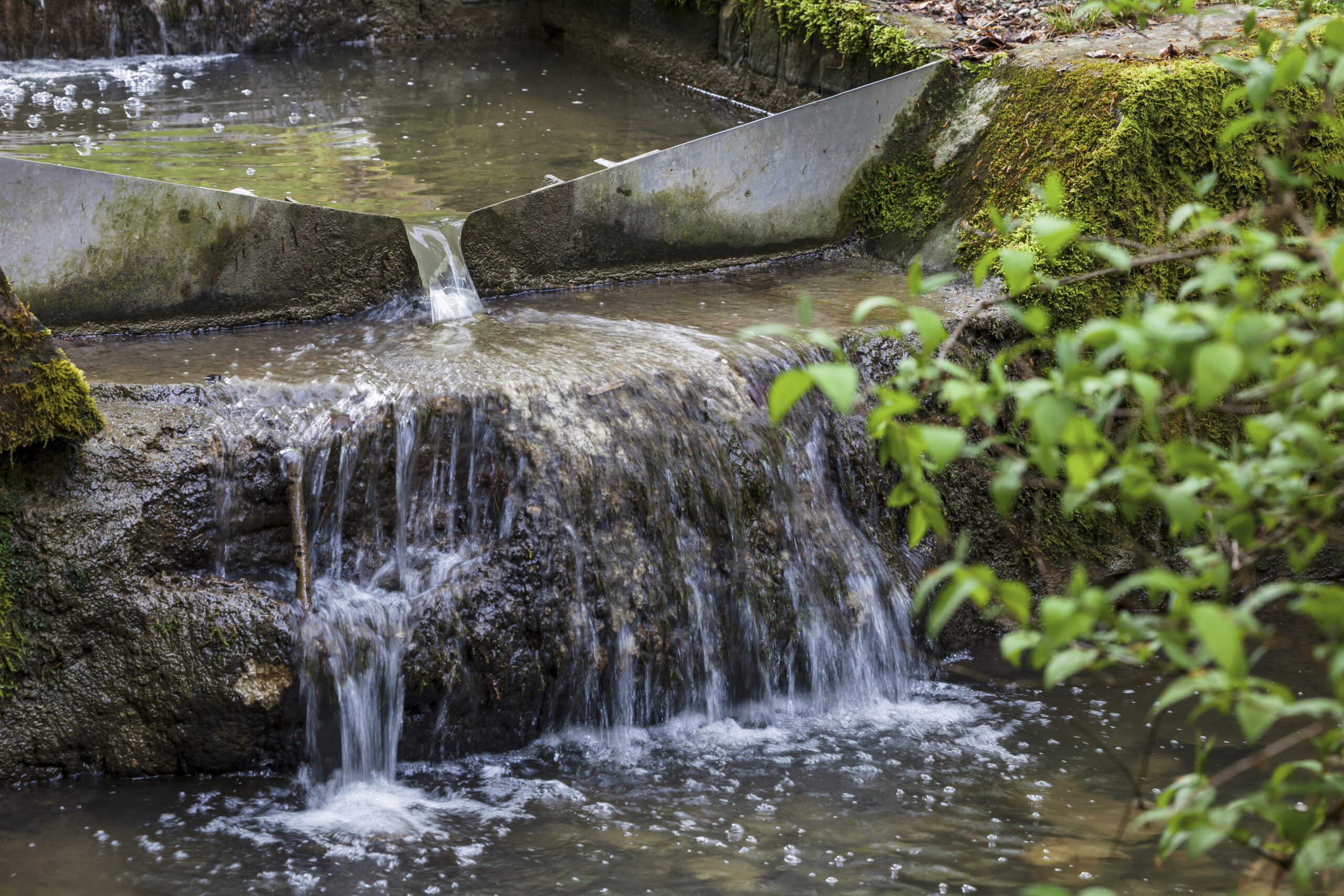
Following the water cycle through the forest
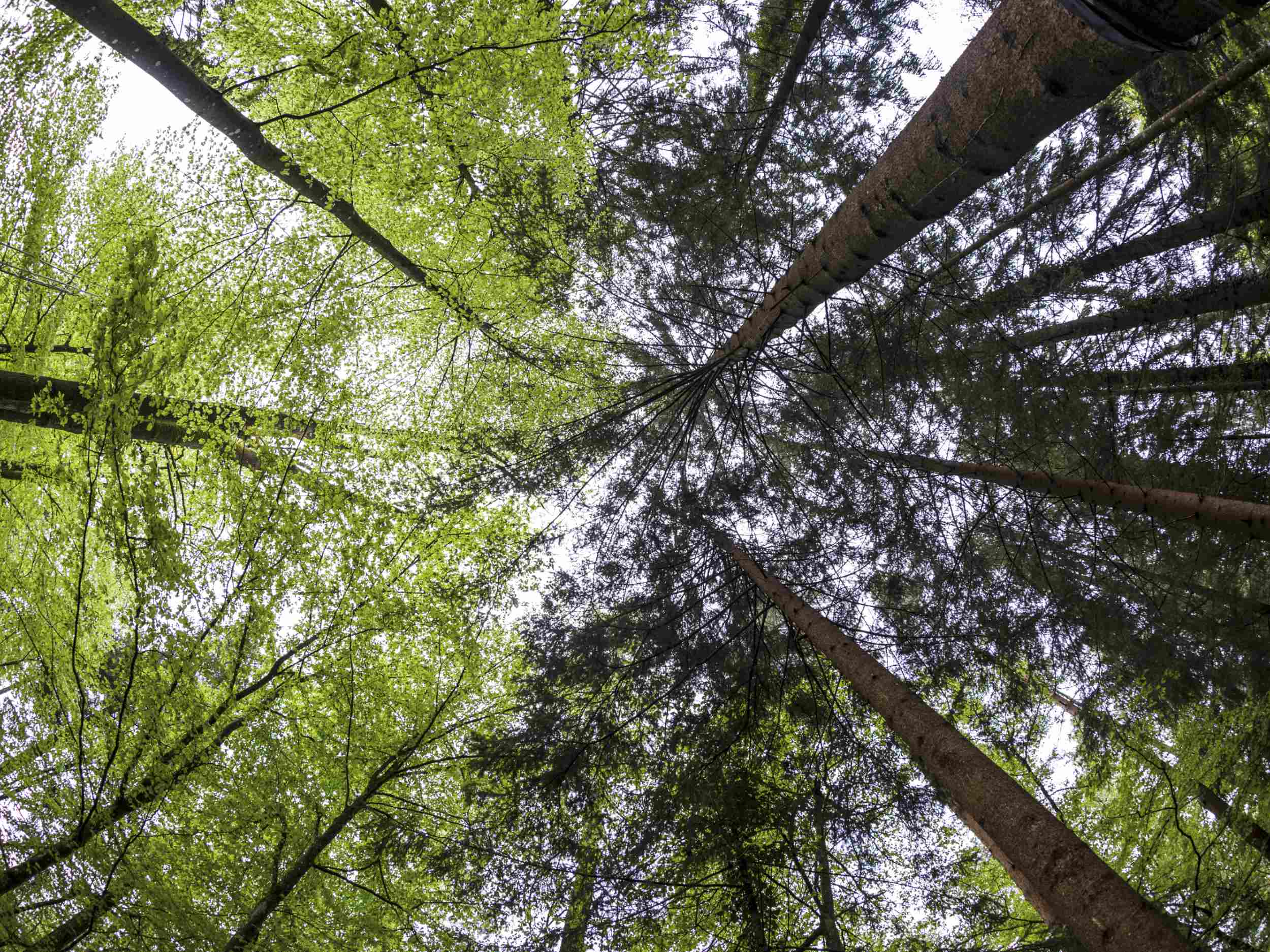
How do trees “drink”? Follow a drop of water through the forest and discover how trees and forest soils store, transport and release water back into the atmosphere. Learn why these processes are essential for helping forests survive periods of drought.
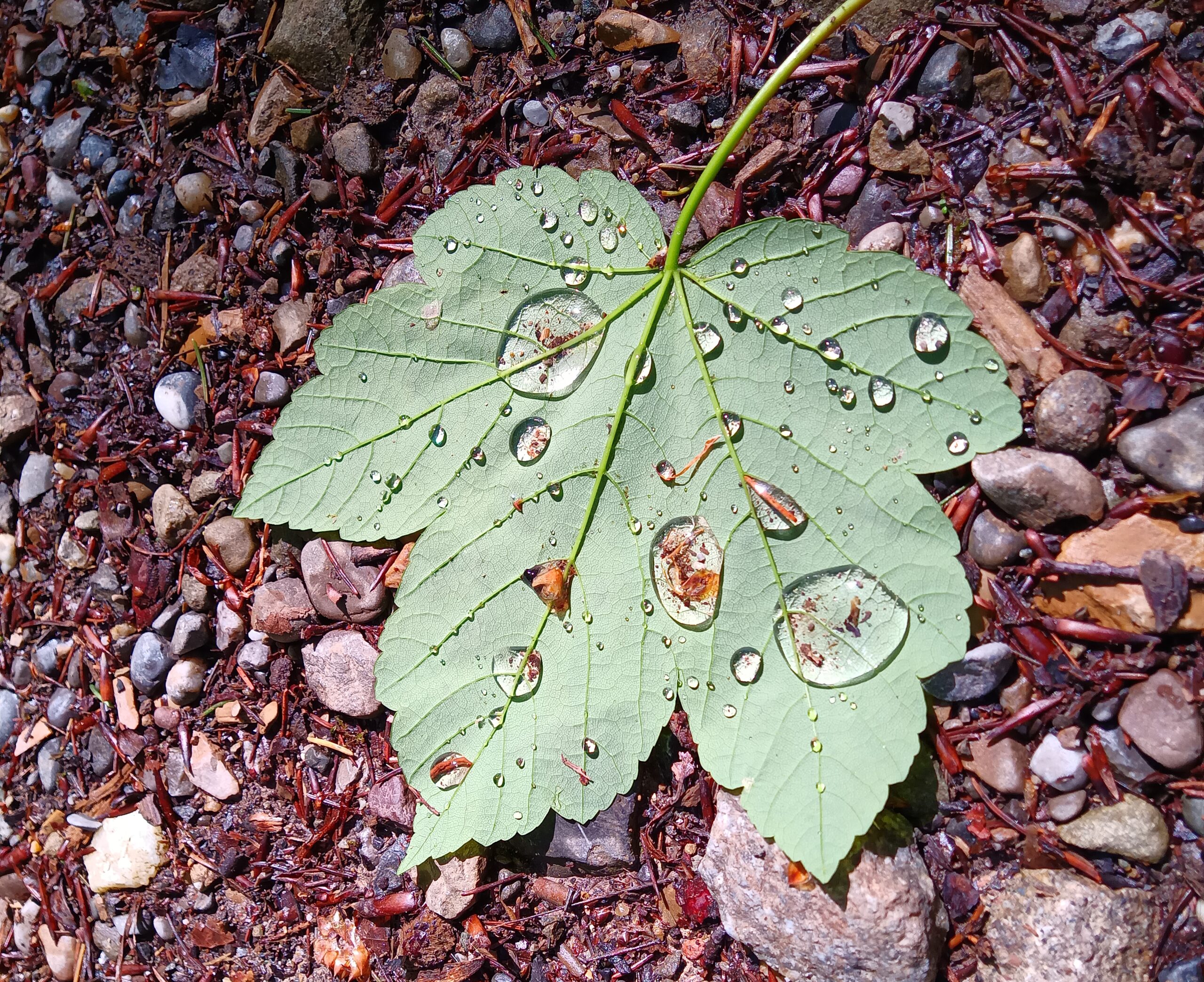
How does a forest regulate the water cycle? And how do trees manage to survive dry periods? At our booth, you can experience the forest from the perspective of a drop of water.
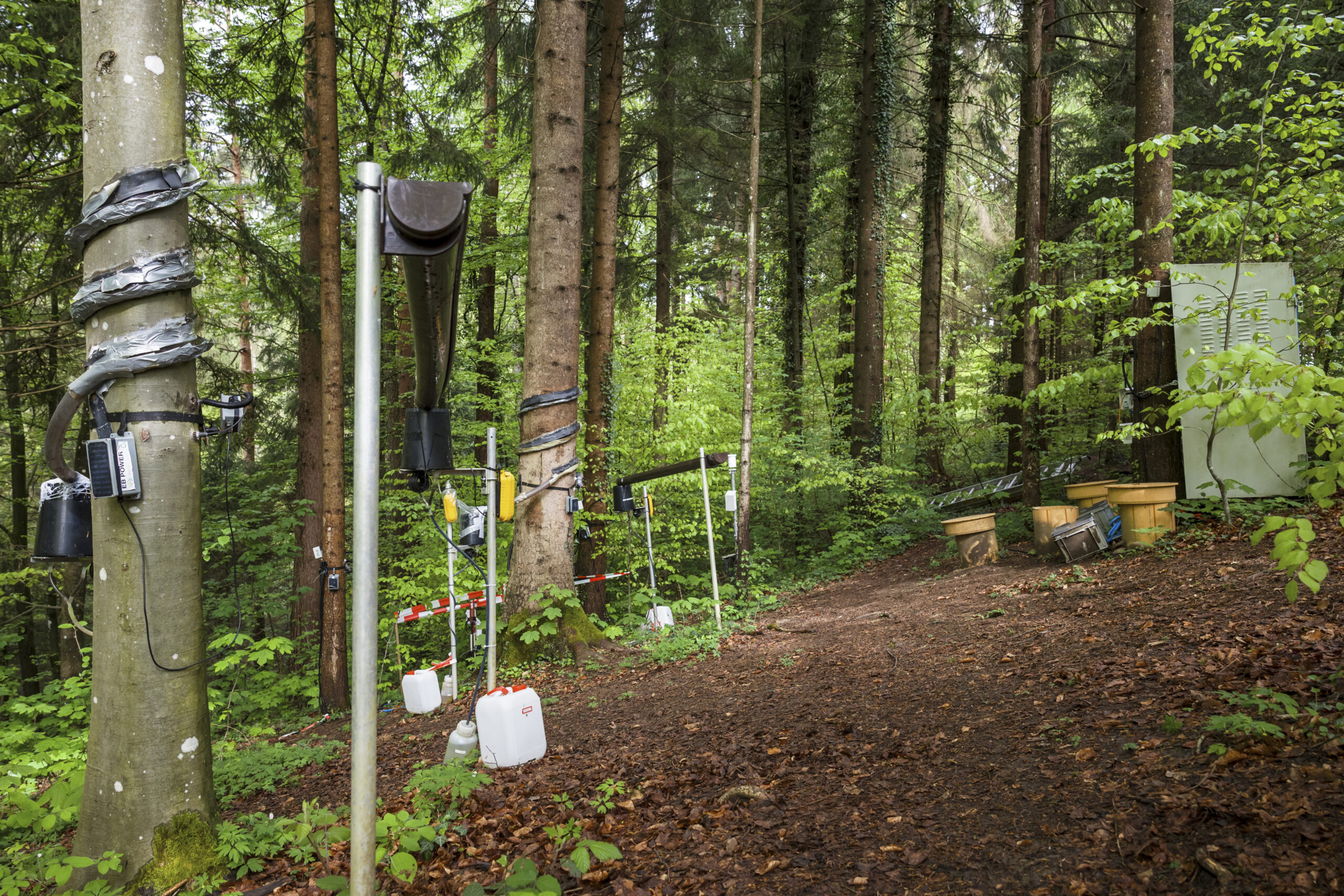
Did you know that only a relatively small amount of rainwater reaches the forest floor directly beneath a dense canopy? Discover how tree crowns, leaf litter and forest soils retain, filter and store water. This natural buffering function helps regulate the water balance and reduce flooding after heavy rainfall.
Learn why winter precipitation is particularly important. Because evaporation is much lower during the colder months than in summer, the soil’s natural water reservoirs can replenish much more effectively.
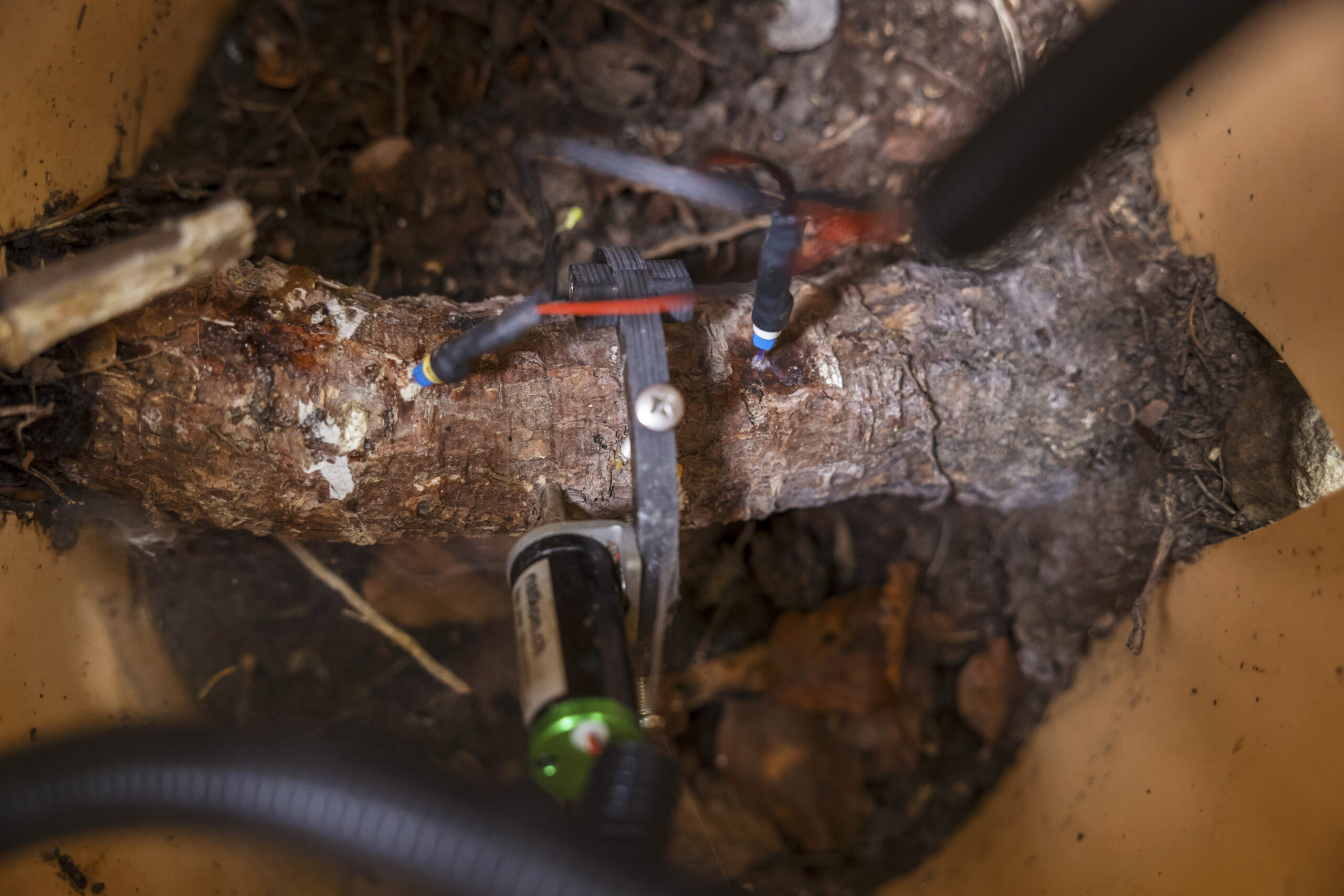
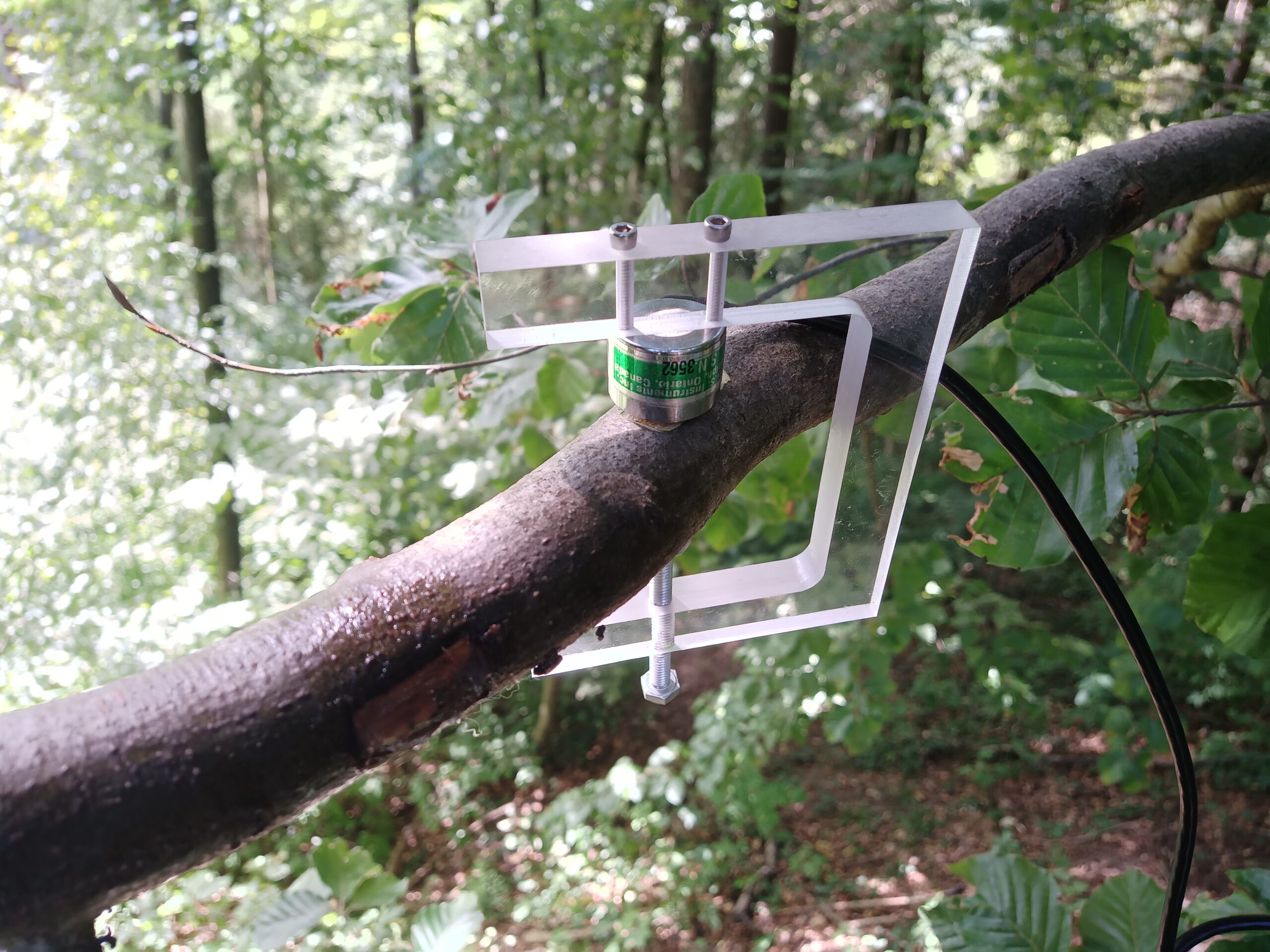
But how do trees actually “drink”? And what happens inside them when the soil dries out? We reveal the hidden processes of the forest water cycle and show how much water a tree can evaporate in a single day. Discover why understanding these processes is crucial for helping our forests remain resilient in the future. Join us and follow the journey of a drop of water through the forest.
Further information:
Waldlabor
Other events relating to forests at Scientifica:
Booth: Building with tomorrow’s wood
Sunday, 23. August 2026, Hönggerberg
Booth: Trees of the future – Which species will thrive in a changing climate?
Sunday, 23. August 2026, Hönggerberg
Booth: Virtual forests – A journey into the forests of the future
Sunday, 23. August 2026, Hönggerberg
Booth: When does a forest become a CO₂ sink?
Sunday, 23. August 2026, Hönggerberg
Booth: How are our forests faring in the face of climate change?
Sunday, 23. August 2026, Hönggerberg
Guided tour: Following the water cycle through the forest
Sunday, 23. August 2026, 15.00
Guided tour: Trees of the future – species suitability under climate change
Sunday, 23. August 2026, 14.00; 16.00