Before COVID – Learning from (Almost) Forgotten Pandemics
Do you know when the “Russian” or “Asian” flu struck Switzerland? The pandemics of the 20th century have largely been forgotten. Yet we could learn from the experiences of these crises. The leaddata.ch project is bringing this knowledge back to light.
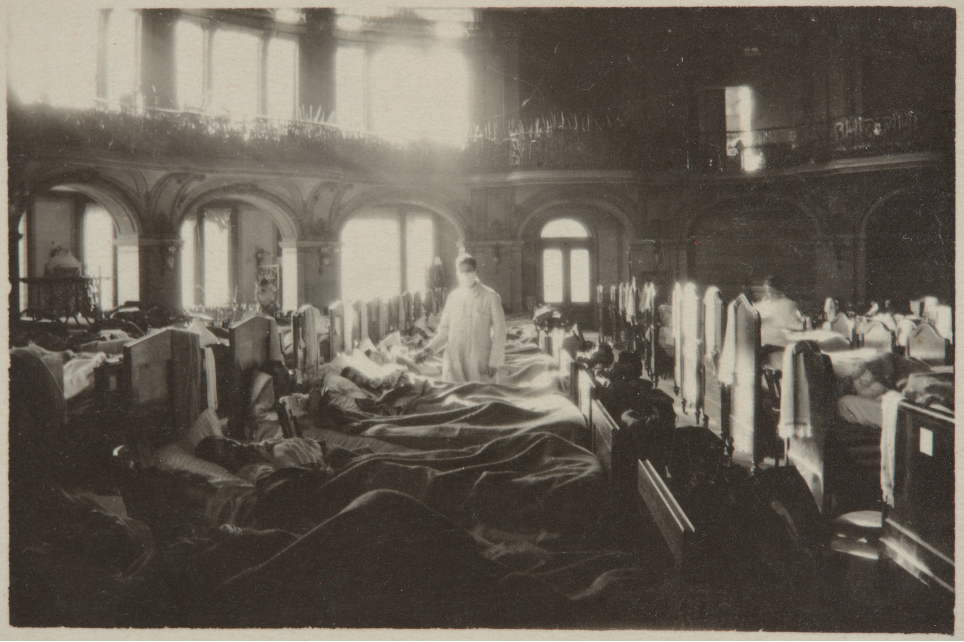
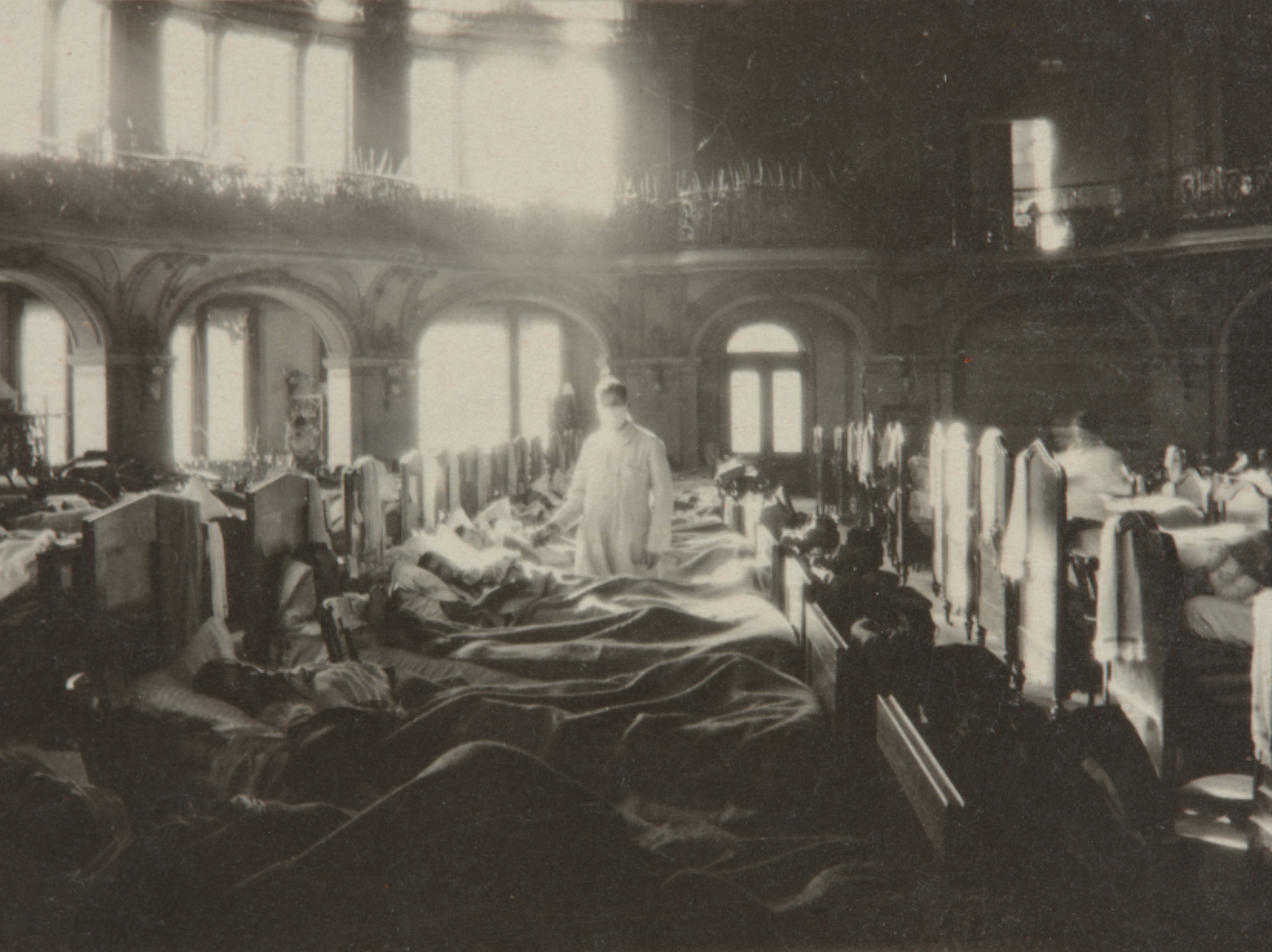
How do we remember past pandemics? Which experiences and perspectives remain in the collective memory – and which ones fade away? Long before COVID-19, Switzerland was struck by pandemics on several occasions: in 1890 by the “Russian Flu,” from 1918 to 1920 by the “Spanish Flu,” and in 1957 by the “Asian Flu.” Even after that, further pandemic outbreaks occurred well into the 21st century; however, they left hardly any lasting impact in Switzerland – resulting in what is known as a “pandemic-disaster memory gap.”
Valuable experiential knowledge from earlier crises has largely been forgotten over time. A research team from the University of Zurich and the ZHAW is using sources, images, eyewitness accounts, and digital visualizations to bring memories of pandemics back to life and is helping to gradually close this memory gap. The results of this research are compiled in the LEAD Knowledge Hub and thus made available to the public and government agencies.
At Scientifica, you can explore the “pandemic-disaster memory gap” in a vivid and interactive way. On monitors, eyewitnesses and their descendants share their memories and experiences. Historical newspaper articles, photographs, and posters, as well as current research findings, bring past pandemics and their impact on people’s daily lives to life. Interactive elements invite visitors to contribute their perspectives and share their own (family) memories with the research team.