The Beauty of Fractals
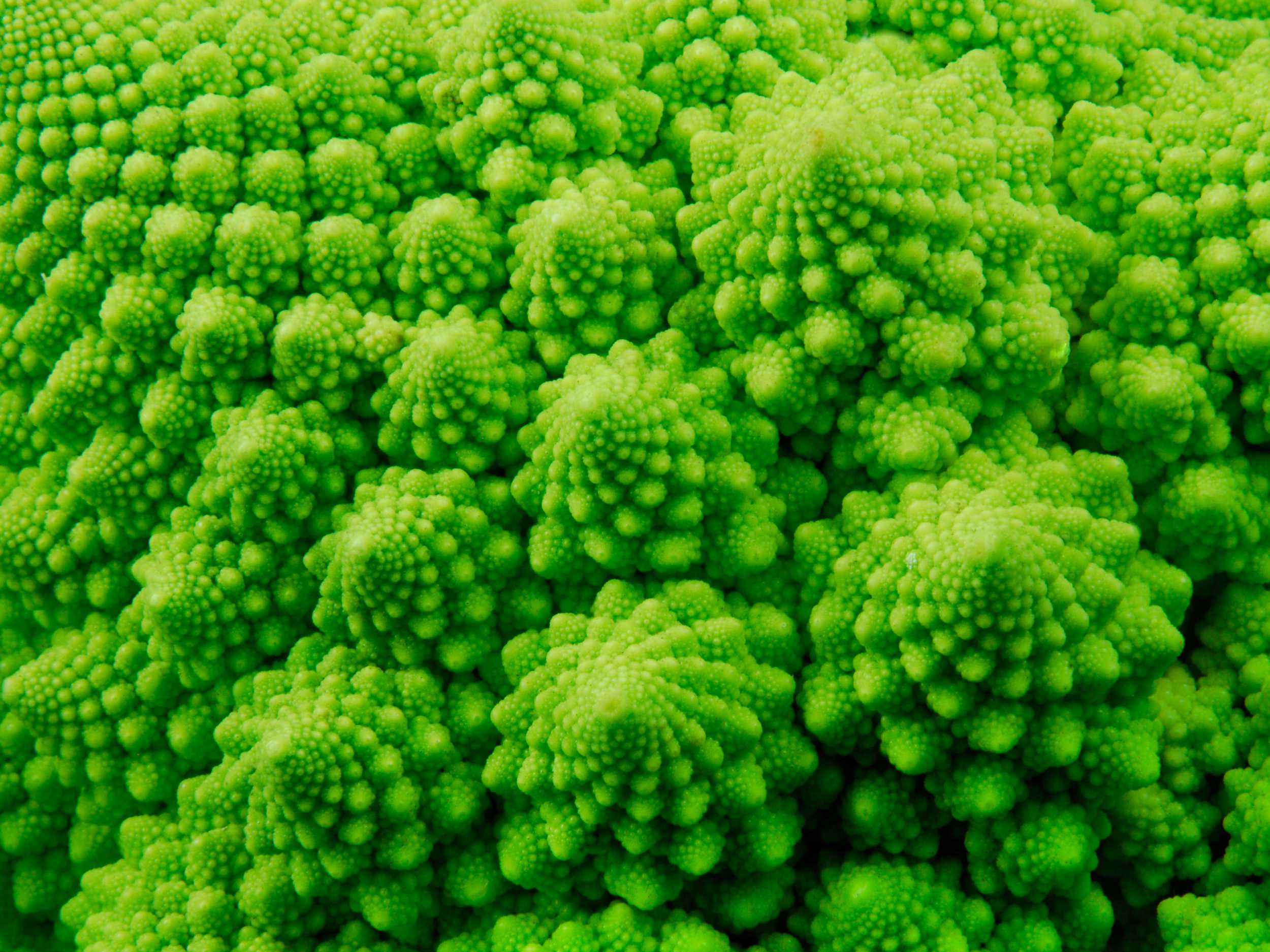
Fractals are fascinating structures whose patterns repeat themselves across different scales. If you look more closely, you will always discover new details that resemble the overall pattern. Fractals can be found both in mathematics and in numerous structures in nature.
Fractals are among the most fascinating structures in mathematics. They amaze us with their wealth of detail: the closer you look, the more patterns and structures emerge. Many fractals exhibit similar patterns across different scales. Yet fractals are not merely a mathematical concept; we encounter fractal-like structures throughout nature: in the branching of trees, blood vessels, neural networks, ferns, coastlines and cloud formations. These structures are not only aesthetically striking but often highly efficient, helping to absorb and distribute light, water, oxygen and nutrients. Fractals play an important role in many scientific disciplines. They help describe complex forms and processes, from mathematics and computer science to medicine and the natural sciences. They demonstrate how remarkably intricate structures can emerge from surprisingly simple rules.
Experience fractals for yourself
At our stand, you can not only marvel at them but also try them out for yourself. Join us in building a three-dimensional Menger sponge, create a Sierpiński triangle using stamps, and discover fractal patterns on screen. This way, you’ll experience first-hand how complex shapes emerge from simple repetitions.