DNAir – On the trail of nature’s invisible traces
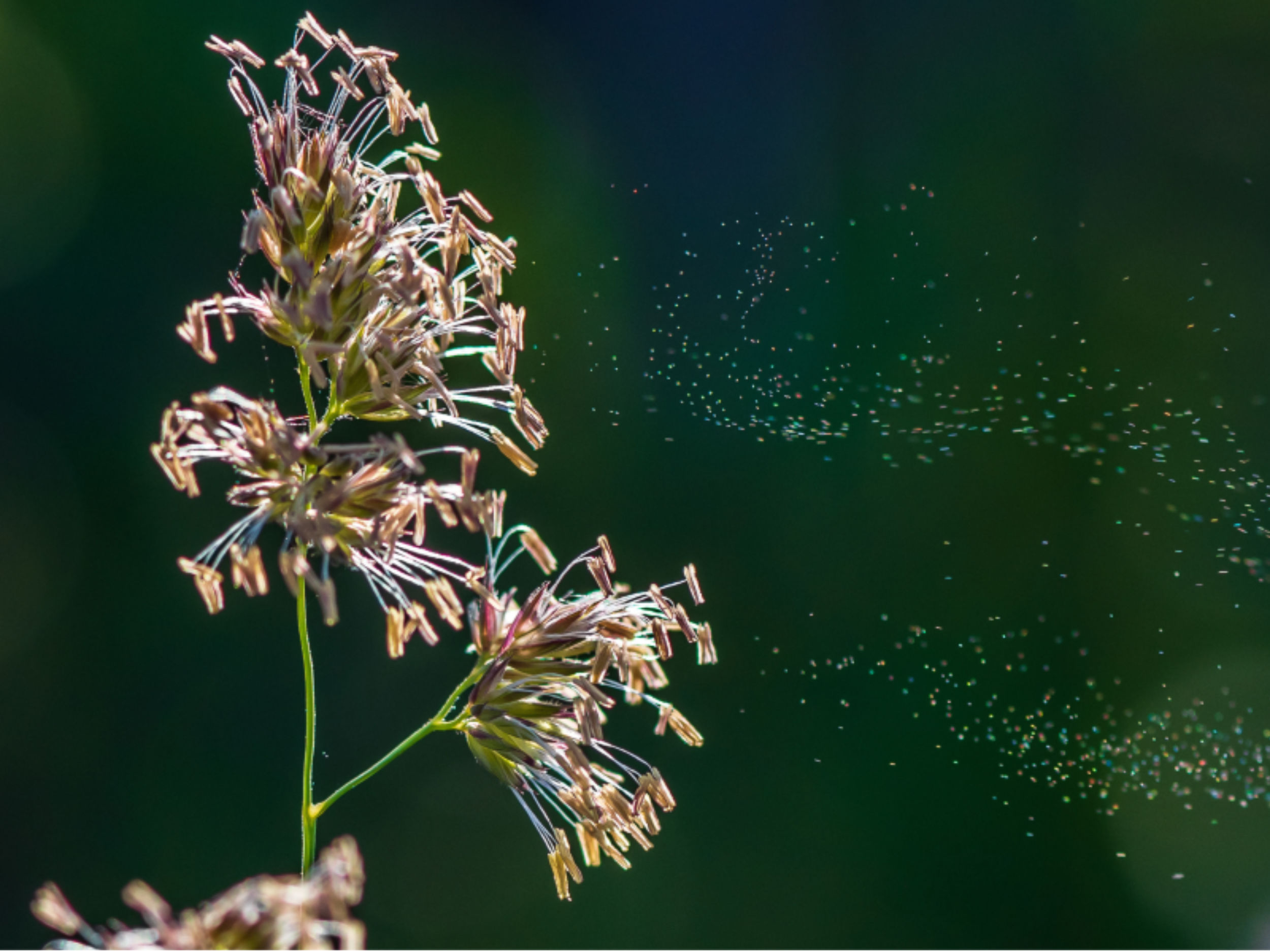
The air contains tiny traces of DNA from animals, plants, and fungi. DNAir makes this environmental DNA visible, thereby enabling the monitoring of biodiversity. We’ll show you how an air sample can be used to create a picture of the biodiversity that surrounds us.
The air around us contains invisible traces of life in the form of DNA fragments left behind by every living organism. Until now, this genetic history has remained unread.
DNAir’s samplers are changing that. They enable the monitoring of animals, plants, and fungi—from butterflies to chanterelles and fire salamanders to white storks. This is made possible by what is known as environmental DNA (eDNA).
In our sampler, a fan draws air through a fine filter and captures microscopic traces of eDNA. In the lab, we isolate the DNA and sequence it. Analyzing the DNA strands tells us which organisms they belong to. This creates a picture of biodiversity derived solely from the air. It shows which animals, plants, and fungi are present in the area. This gives us insight into local biodiversity and allows us to keep a close eye on specific endangered species, such as the purple heron. At our booth, you can take a closer look at our samplers and see for yourself the process from air sampling to the final results. Put on your detective hat and discover how to collect and analyze traces from the air.
Other events by DNAir at Scientifica:
Short lecture: Spuren aus der Luft — wie DNA verrät, wer hier lebt
Saturday, 22. August 2026, 16:00