Peatlands: Small Ecosystems with a Big Impact
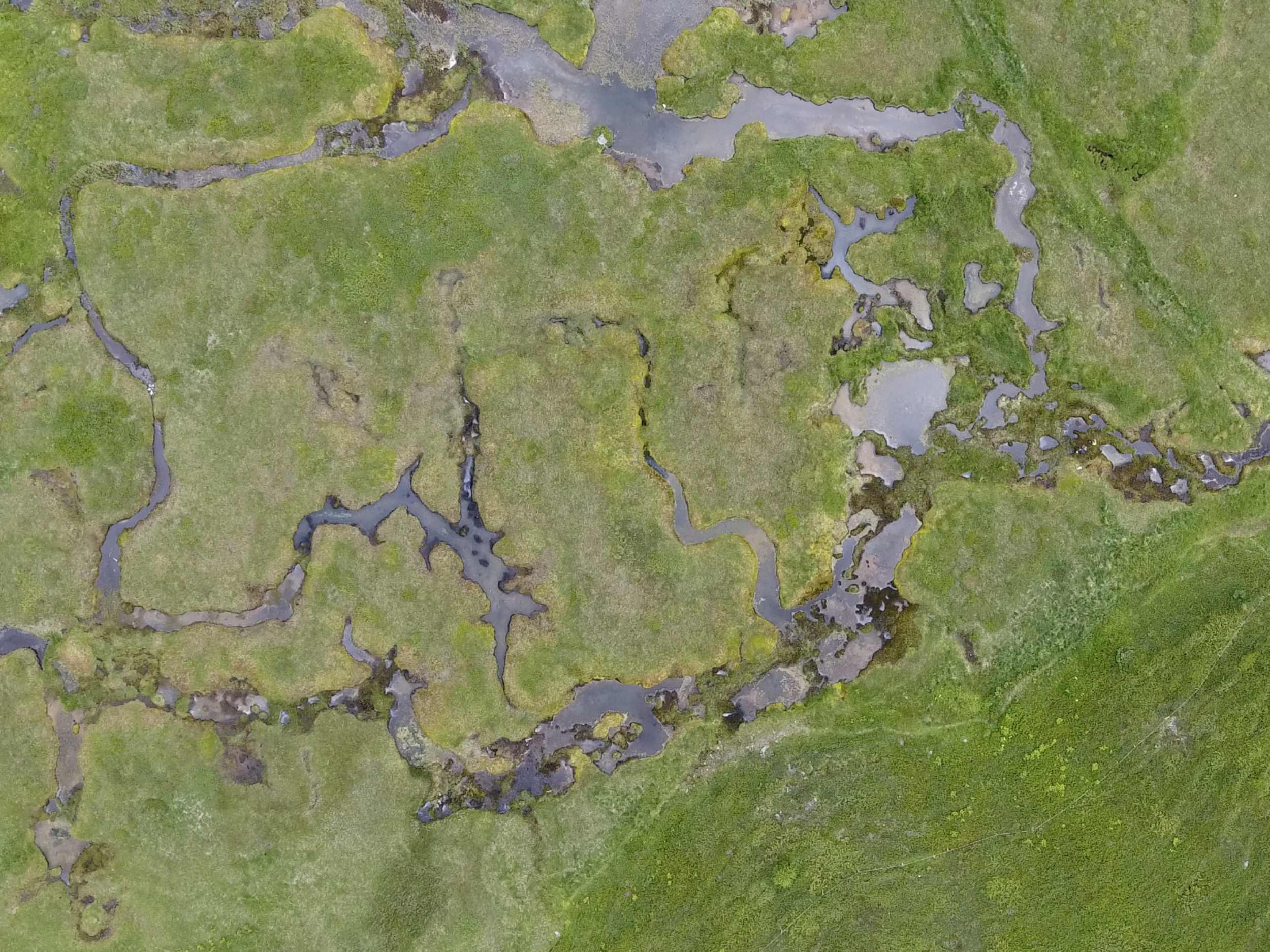
Did you know that peatlands cover just 3% of Earth’s land but store more carbon than all the world’s forests combined? At our exhibit, you can experience how environmental microbiologists study the invisible microbes that regulate this vital ecosystem by following a peat sample’s journey from the field to the laboratory.
Examine real peat layers from different depths, use your senses to explore how they change over time, and guess the age of the deepest samples. At the microscope station, take a closer look at the unique structure of Sphagnum moss and see how it can trap carbon for millennia.
We will also demonstrate how researchers study these microbes in the lab. Watch videos showing how methane produced by our cultures can be safely ignited, and learn how we create zero-oxygen conditions for microbes that thrive in anaerobic environments using special indicators. Finally, explore the high-tech side of our fieldwork: see a specialized “dry shipper” used to flash-freeze samples at ultra-low temperatures and get hands-on with a compact Oxford Nanopore MinION DNA sequencer. Discover how we decode the genetic blueprints of unculturable microbes to better understand their role in greenhouse gas emissions.
Also part of the job: pulling a 6-meter Russian corer from deep peat layers in the Entlebuch Biosphere Reserve (Video: Environmental Microbiology Group, ETH Zurich).
Tough fieldwork: pushing a corer into dense wetland soil to retrieve deep, well-preserved peat samples (Video: Environmental Microbiology Group, ETH Zurich).