Plants, tundra, climate: what influences what?
The diversity of microorganisms and plants in an ecosystem is an important factor for the adaptation to climate change. Biodiversity itself is also changing due to global warming. Learn how global change and local diversity of species and plant forms influence each other.
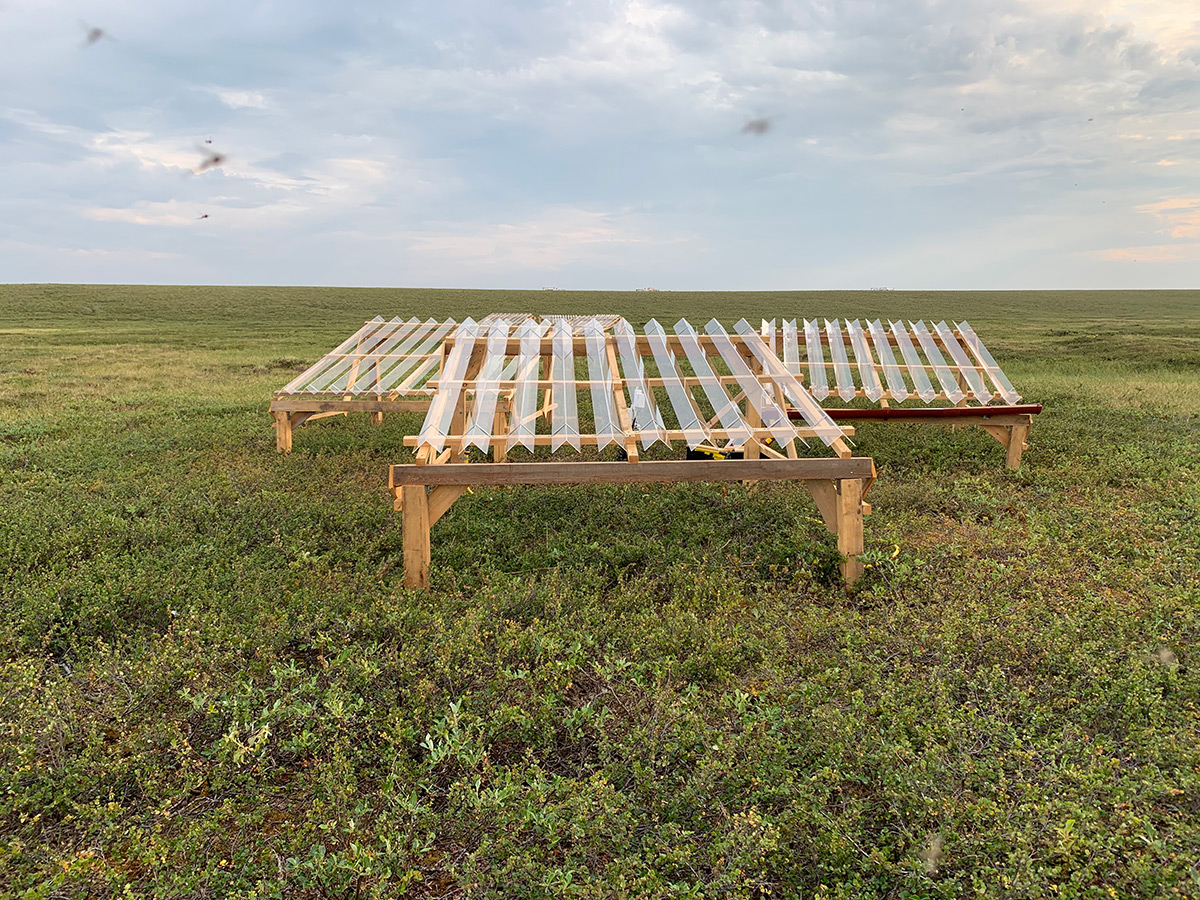
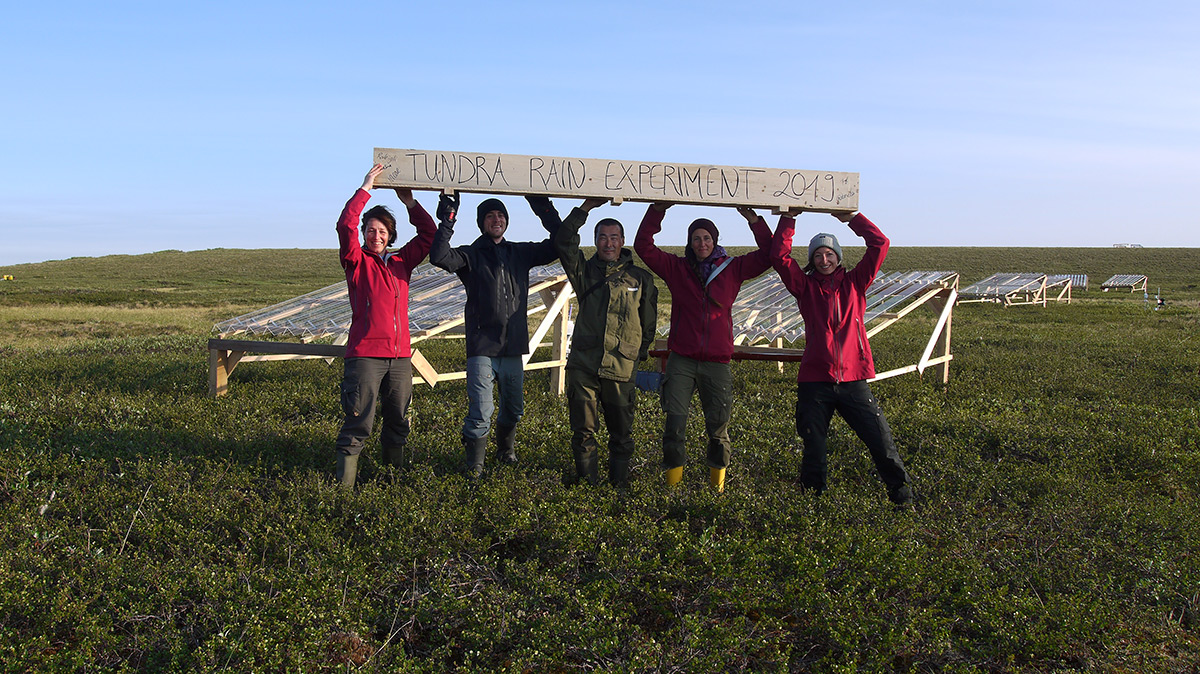
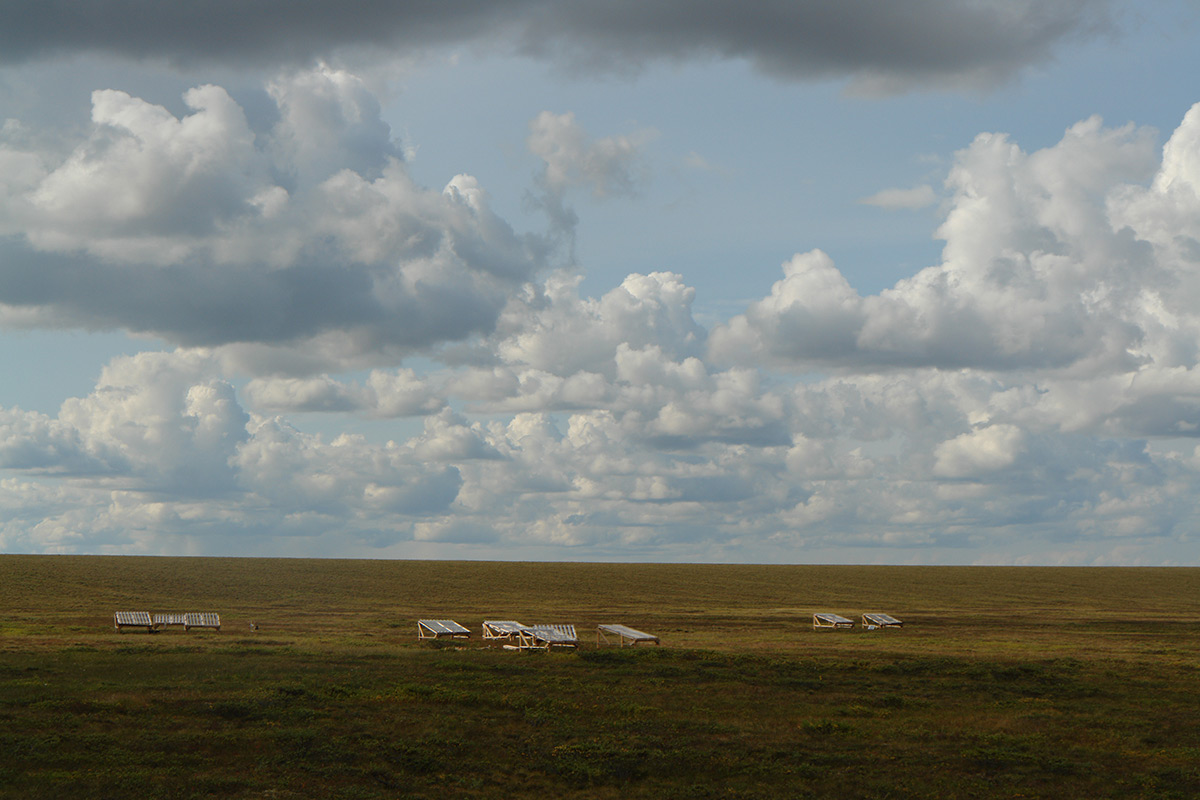
Most climate models predict large increases in temperature and precipitation in the Arctic. What does this mean for tundra vegetation, and how do changes in vegetation in turn affect climate change? In an experiment in the Siberian tundra, we measure how more or less precipitation affects the shape of plants and how this in turn affects permafrost soils. More precipitation means that the plants develop larger leaves. These, in turn, absorb more solar radiation – we therefore expect that permafrost soils will warm up less as a result. Similarly, large leaves evaporate more water than small ones. This may drain more moisture from the soils. Cool and dry conditions in the soil are better for maintaining permafrost.
At Scientifica, we bring plant samples from the tundra as well as pictures and a model. Here, you can learn how a dry or wet climate affects vegetation.
If lakes in Switzerland suddenly appear wine red in summer, it has to do with the “Burgundy-blood phenomenon”, an outbreak of cyanobacteria with reddish pigmentation.. These and other microorganisms make up most of the living biomass on earth – a full 70%. Among other things, they play a major role in regulating the carbon cycle and thus have an impact on climate change. Winogradsky columns help us to make the microorganisms in the soil visible.